
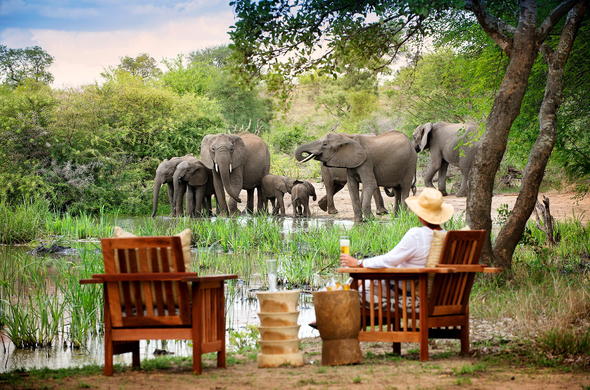
Learn all about Safari Phone and Tablet Preparation in this comprehensive guide.
Understanding the Climate and Terrain in Africa
When packing for a safari in Africa, it's essential to consider the local climate and terrain. Africa has a diverse landscape, from vast plains to dense forests. Temperatures can fluctuate significantly, with warm days and cool evenings. Lightweight, breathable fabrics are your best friend. For more on planning your trip, see our destination guide for Africa.
Essential Clothing Items
Neutral-colored clothing is highly recommended to blend in with the environment and avoid startling the wildlife. Think khaki, olive, and brown. You'll want to pack a mix of short-sleeved shirts and long-sleeved shirts for sun protection. A lightweight waterproof jacket is also a must, as rain showers can be unpredictable. For personalized packing advice, consider consulting with one of our safari operators.
Still researching? Let us help.
Our advisory team has planned safaris across 9 African countries. We can turn your research into a real plan.
Talk to an AdvisorFootwear for All Activities
Comfortable, broken-in walking shoes are non-negotiable. Whether you're on a walking safari or just exploring your lodge, you'll be on your feet a lot. A pair of sandals or flip-flops is also great for relaxing at the lodge. If you're planning any strenuous hikes, be sure to bring appropriate hiking boots. Our safari cost calculator can help you budget for any specialized gear you may need to purchase.
Sun and Insect Protection
A wide-brimmed hat, sunglasses, and high-SPF sunscreen are crucial for protecting yourself from the African sun. Insect repellent is also a must, especially in the evenings. Look for a repellent containing DEET for the most effective protection against mosquitoes and other biting insects. For more health and safety tips, visit our knowledge base.
Evening and Lodge Attire
Evenings on safari can be a mix of casual and smart-casual. Most lodges have a relaxed dress code, but it's always a good idea to pack a slightly nicer outfit for dinner. A pashmina or wrap is perfect for adding a touch of warmth and style. Before you book, be sure to research safari operators in Africa to understand the specific dress codes at their lodges.
Done Reading? Let's Build Your Safari.
Skip the guesswork. Work with an advisor who has been on the ground across East and Southern Africa.
Plan With UsNavigating Connectivity: The Great Safari Debate
One of the most profound experiences of an African safari is the opportunity to disconnect from the digital world and immerse yourself in nature. However, the modern traveler often faces a dilemma: to embrace a full digital detox or to maintain a lifeline to the world back home. There is no right answer, and the best approach depends on your personal preferences and practical needs. A safari is a significant investment, and for many, sharing the experience with loved ones in real-time is part of the joy. For others, the constant buzz of notifications can detract from the magic of the bush.
Expert Insight: Before you travel, have an honest conversation with yourself and your travel partners about your expectations for connectivity. If you need to be available for work or family, set specific times for checking your devices. This allows you to be present during game drives and other activities. If you choose to disconnect, inform your contacts that you will have limited access to communication and provide them with the emergency contact information for your safari operator.
Essential Apps for the Modern Safari Traveler
Beyond the basic travel apps, a few specialized applications can enhance your safari experience. Consider downloading these before you leave home, as internet access in the bush can be unreliable for large downloads.
- Wildlife Identification: Apps like iNaturalist or eBird can help you identify the flora and fauna you encounter. Many of these have offline capabilities, allowing you to download regional guides before your trip.
- Stargazing: The night skies in the African bush are often free from light pollution and offer breathtaking views of the cosmos. Apps like Star Walk 2 or SkyView Lite can help you identify constellations, planets, and satellites.
- Offline Maps: While your safari guide will be an expert navigator, having offline maps of the areas you are visiting can provide a greater sense of place. Google Maps and Maps.me both offer the ability to download maps for offline use.
- Photography and Editing: Your smartphone is a powerful camera. Apps like Adobe Lightroom Mobile or Snapseed can help you edit your photos on the go, ready to be shared when you have a connection. For more creative shots, consider apps that allow for long exposures or time-lapses.
Powering Your Devices in the African Bush
Electricity is a precious resource on safari, especially in remote and eco-friendly camps. While most lodges and camps have charging facilities, they are often limited to communal areas and may only be available during specific hours when the generator is running. It is crucial to be self-sufficient with your power needs.
Traveler's Tip: A high-capacity power bank (at least 20,000mAh) is one of the most important accessories you can pack. This will allow you to charge your phone and other small devices multiple times without needing to rely on the camp's facilities. For the avid photographer or someone with multiple devices, a solar-powered charger can be a game-changer, providing a sustainable source of power during daylight hours.
Don't forget to bring a universal travel adapter. While many camps in popular safari destinations like Kenya and Tanzania use the British-style Type G plug, this can vary. A universal adapter will ensure you can plug in your devices regardless of the socket type. For more packing advice, explore our knowledge center.
Staying Connected: Wi-Fi, Data, and Local SIMs
While we encourage a digital detox, we understand the need to stay connected. The options for internet access on safari are varied and depend heavily on your location.
- Wi-Fi: Most city hotels and some high-end lodges offer Wi-Fi, but it is often slow and may come at an additional cost. In remote camps, Wi-Fi is rare and, where available, is usually limited to the main lodge area. Do not expect to be able to stream videos or make video calls.
- International Roaming: This is the most convenient but also the most expensive option. Check with your mobile provider about their international roaming packages before you travel. Be aware that even with a roaming plan, coverage can be patchy in remote areas.
- Local SIM Cards: For a more affordable and reliable connection, consider purchasing a local SIM card upon arrival at the airport. Major providers like Safaricom in Kenya or Vodacom in Tanzania offer tourist packages that include data, calls, and texts at a fraction of the cost of roaming. Your phone must be unlocked to use a local SIM card.
Expert Insight: If you decide to purchase a local SIM card, have the vendor at the airport set it up for you. This will save you the hassle of navigating the registration process, which can sometimes be complex for non-residents. For an estimate of what to budget for your safari, including potential communication costs, use our safari cost calculator.
Digital Etiquette on Safari
Your digital devices should never detract from your own or others' experience of the wild. Practicing good digital etiquette is a sign of respect for the wildlife, your guides, and your fellow travelers.
- Silence is Golden: Before every game drive, ensure your phone and any other devices are on silent. A sudden notification sound can startle wildlife and ruin a magical moment.
- No Flash Photography: The flash from a camera or phone can be disturbing and even harmful to animals, especially during night drives. Always ensure your flash is turned off.
- Be Present: It can be tempting to view the entire safari through your screen. Remember to put your device down and experience the sights, sounds, and smells of the bush with your own senses. Your memories will be richer for it.
- Respect Others' Privacy: Be mindful of including other guests in your photos and videos without their permission. The same goes for sharing images of lodge staff or local communities.
By being mindful of your device usage, you can strike a balance between staying connected and being fully present in the incredible landscapes of Africa. To start planning your own safari adventure, plan your safari with the help of our expert safari operators.
Need Expert Safari Guidance?
Get expert advisory support from a firm founded by a former safari guide — with real operational knowledge across 9 African countries and full-journey accountability.
Related Planning Guides
Recommended Reading
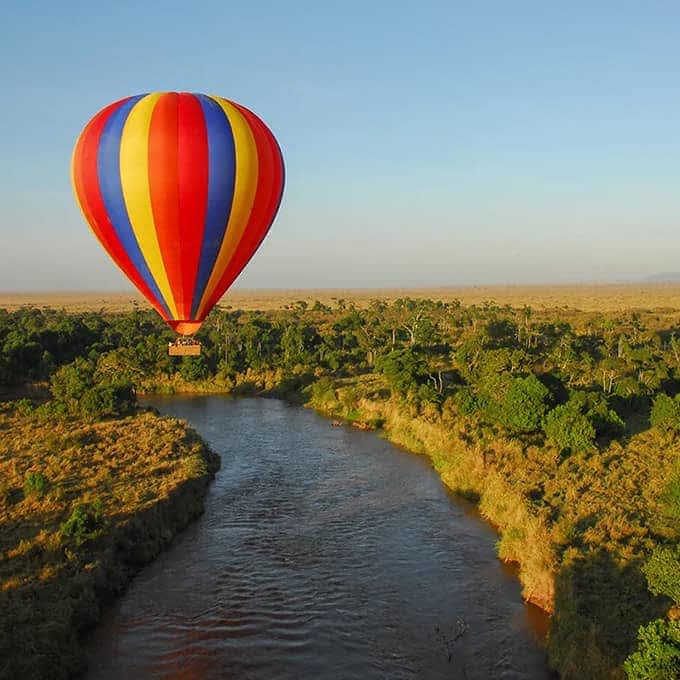 Packing & Preparation
Safari Fitness Preparation Guide
Learn all about Safari Fitness Preparation Guide in this comprehensive guide.
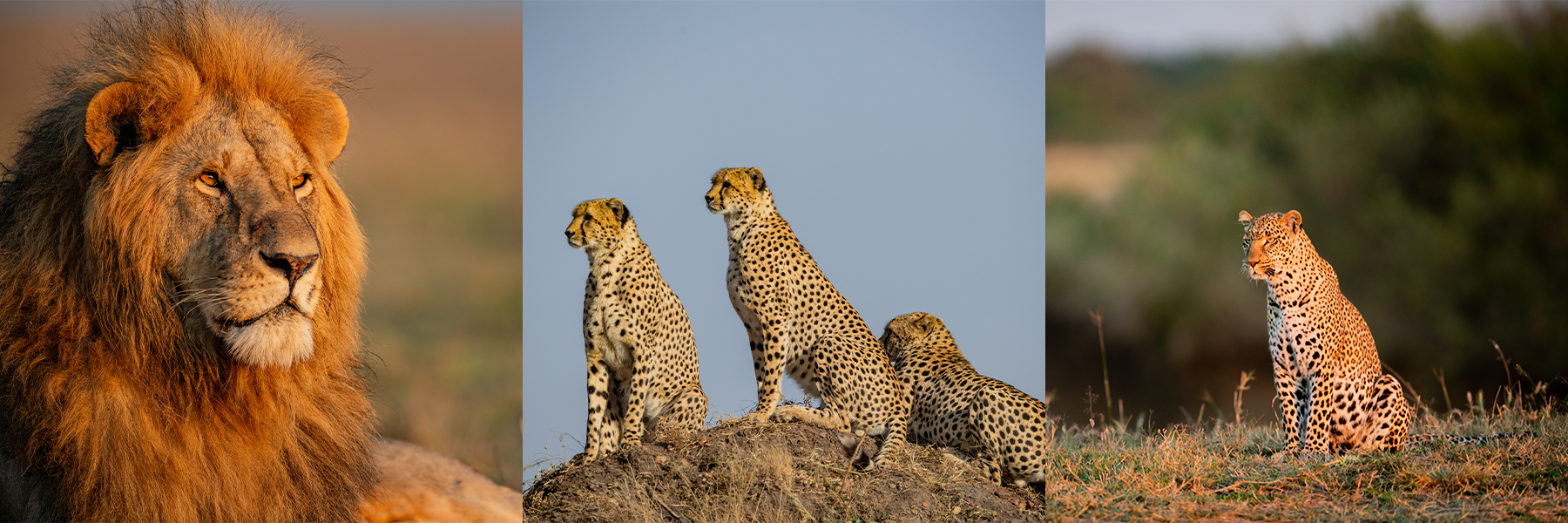 Packing & Preparation
Walking Safari Fitness Preparation
Learn all about Walking Safari Fitness Preparation in this comprehensive guide.
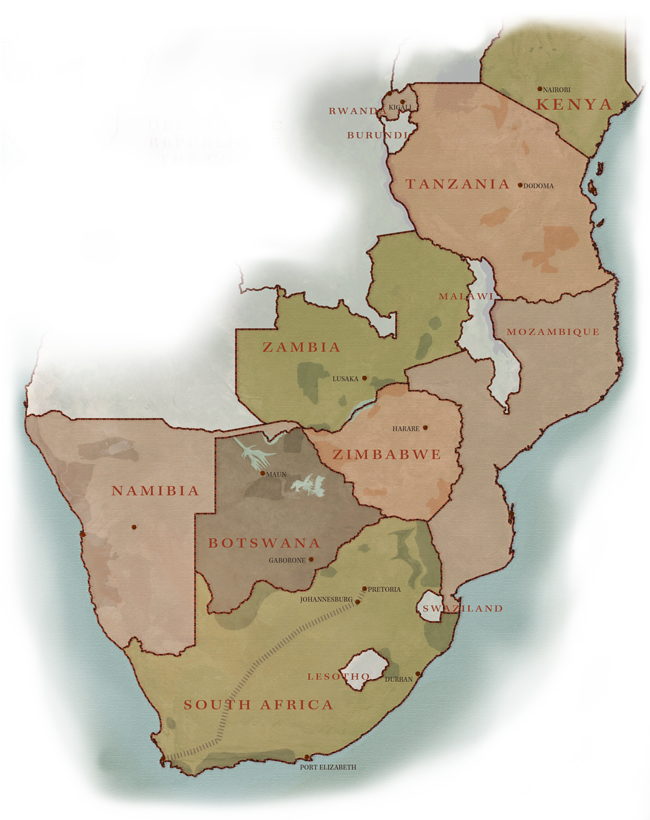 Packing & Preparation
Mountain Safari Fitness Preparation
Learn all about Mountain Safari Fitness Preparation in this comprehensive guide.
 Travel Logistics
Safari Satellite Phone Options
Learn about safari satellite phone options in this comprehensive safari guide.
 Travel Logistics
Safari Power Outage Preparation
A comprehensive guide to Safari Power Outage Preparation. Learn everything you need to know for your safari adventure.
 Travel Logistics
Safari Dust Storm Preparation
A comprehensive guide to Safari Dust Storm Preparation. Learn everything you need to know for your safari adventure.