
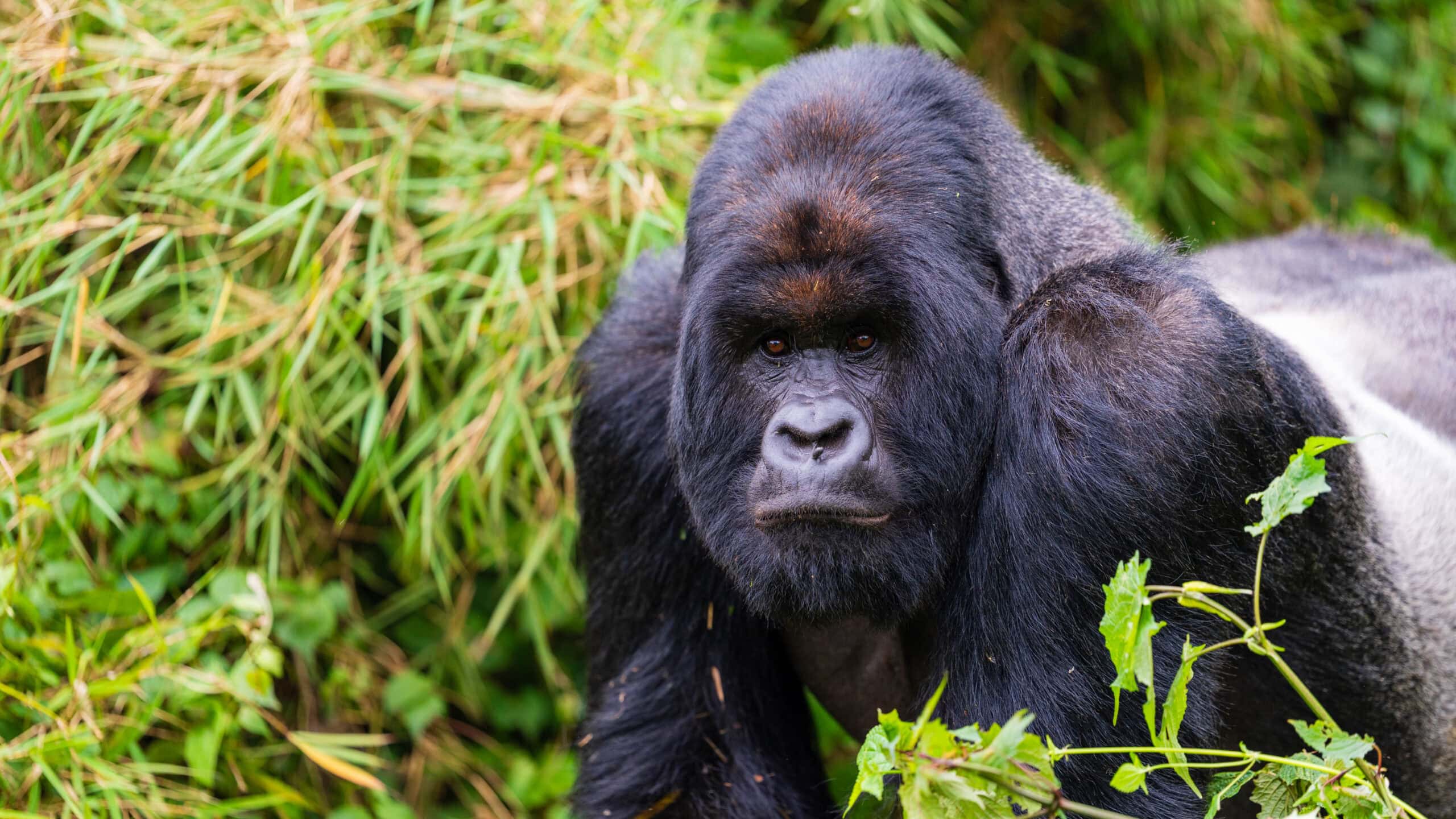
Learn all about Safari Power Bank and Charging Guide in this comprehensive guide.
Understanding the Climate and Terrain in Africa
When packing for a safari in Africa, it's essential to consider the local climate and terrain. Africa has a diverse landscape, from vast plains to dense forests. Temperatures can fluctuate significantly, with warm days and cool evenings. Lightweight, breathable fabrics are your best friend. For more on planning your trip, see our destination guide for Africa.
Essential Clothing Items
Neutral-colored clothing is highly recommended to blend in with the environment and avoid startling the wildlife. Think khaki, olive, and brown. You'll want to pack a mix of short-sleeved shirts and long-sleeved shirts for sun protection. A lightweight waterproof jacket is also a must, as rain showers can be unpredictable. For personalized packing advice, consider consulting with one of our safari operators.
Still researching? Let us help.
Our advisory team has planned safaris across 9 African countries. We can turn your research into a real plan.
Talk to an AdvisorFootwear for All Activities
Comfortable, broken-in walking shoes are non-negotiable. Whether you're on a walking safari or just exploring your lodge, you'll be on your feet a lot. A pair of sandals or flip-flops is also great for relaxing at the lodge. If you're planning any strenuous hikes, be sure to bring appropriate hiking boots. Our safari cost calculator can help you budget for any specialized gear you may need to purchase.
Sun and Insect Protection
A wide-brimmed hat, sunglasses, and high-SPF sunscreen are crucial for protecting yourself from the African sun. Insect repellent is also a must, especially in the evenings. Look for a repellent containing DEET for the most effective protection against mosquitoes and other biting insects. For more health and safety tips, visit our knowledge base.
Evening and Lodge Attire
Evenings on safari can be a mix of casual and smart-casual. Most lodges have a relaxed dress code, but it's always a good idea to pack a slightly nicer outfit for dinner. A pashmina or wrap is perfect for adding a touch of warmth and style. Before you book, be sure to research safari operators in Africa to understand the specific dress codes at their lodges.
Done Reading? Let's Build Your Safari.
Skip the guesswork. Work with an advisor who has been on the ground across East and Southern Africa.
Plan With UsUnderstanding Your Power Needs on Safari
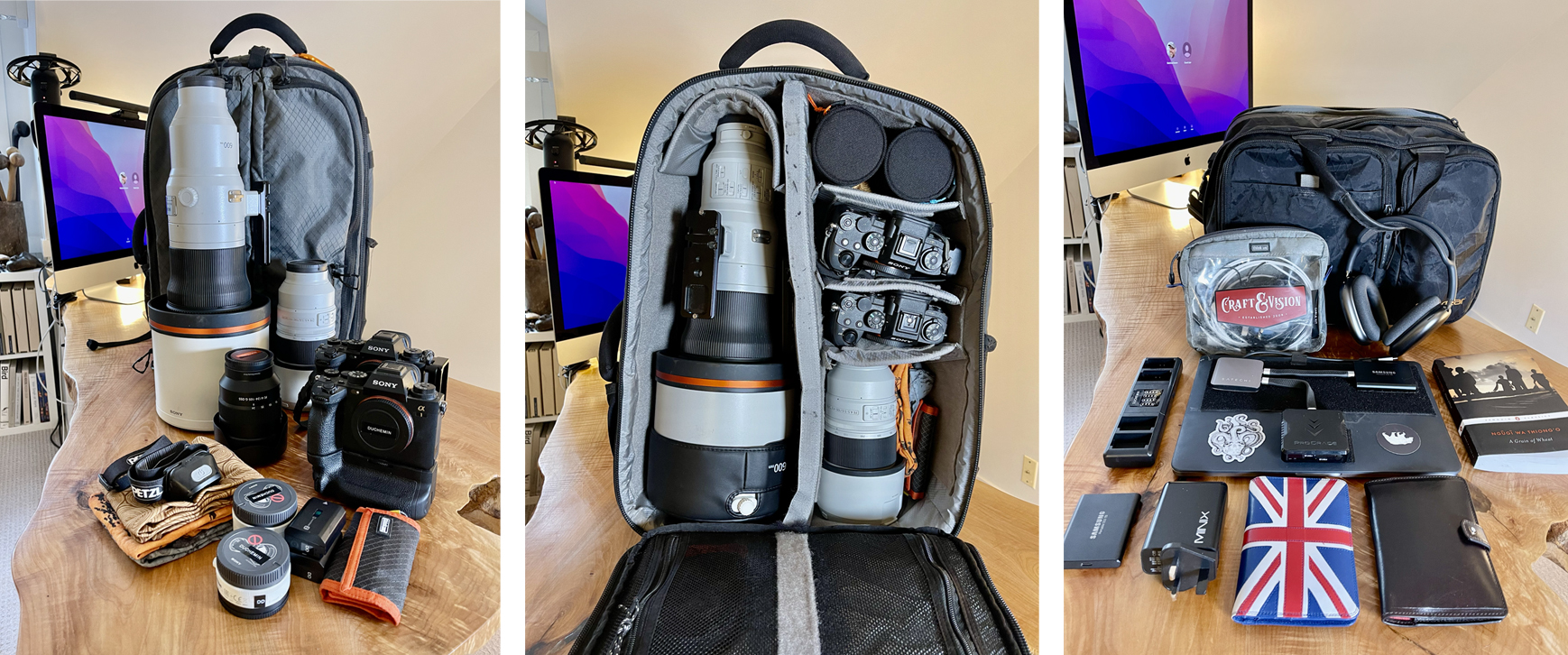
Modern safaris involve a surprising number of electronic devices. Beyond your smartphone, you might be carrying a DSLR or mirrorless camera, a GoPro, a drone, an e-reader, and perhaps even a laptop for photo editing. Each of these requires power, and understanding your daily consumption is the first step to staying charged.
A typical smartphone battery holds around 3,000 to 5,000mAh. A mirrorless camera battery is often in the 1,200 to 2,200mAh range. If you're an active photographer, you might go through two or three camera batteries in a single day of game drives. Add in a phone, and you could easily consume over 8,000mAh daily. This is why a standard pocket-sized power bank often falls short for the serious safari-goer.
> Expert Insight: Before you travel, track your daily device usage at home for a day or two. Note how many times you charge your phone and camera. This will give you a baseline for your personal power consumption and help you choose the right capacity power bank for your needs.
Charging Availability: Lodges, Camps, and Vehicles
The reality of power on safari is that it is never guaranteed. While city hotels and high-end luxury lodges may offer 24/7 in-room electricity, the situation in the bush is often very different. Many safari camps, especially those in remote and ecologically sensitive areas, operate on a generator or solar power system.
This typically means electricity is only available for a few hours in the morning (e.g., 5:00 AM to 9:00 AM) and again in the evening (e.g., 6:00 PM to 10:00 PM). During these windows, you can charge devices in your tent or room. However, some camps only provide charging stations in a central, communal area. This is where having a high-capacity power bank becomes essential—you can leave it to charge during the day while you are out, and then use it to power up your devices overnight in your tent.
Charging in safari vehicles is also a possibility, but should not be your primary plan. Most modern 4x4 Land Cruisers used by reputable operators have charging ports, but these are often shared among all passengers. It is considered poor etiquette to monopolize the vehicle's charging facilities. The best practice is to use the vehicle to top off your power bank, not your individual devices.
Choosing the Right Power Bank for Your Safari Style
Not all power banks are created equal. The right one for you depends on your travel style and technology needs. We can group them into three main categories.
| Traveler Profile | Recommended Capacity | Best For | Example | | :--- | :--- | :--- | :--- | | The Casual Traveler | 10,000–15,000mAh | Charging a smartphone 2-3 times. | Anker PowerCore 10000 | | The Photo Enthusiast | 20,000–27,000mAh | Charging a phone, 2-3 camera batteries, and an e-reader. | Anker 737 Power Bank (PowerCore 24K) | | The Pro Photographer/Digital Nomad | 40,000mAh+ (Portable Power Station) | Powering multiple cameras, drones, and a laptop. | Goal Zero Sherpa 100AC or Jackery Explorer 300 |
Key Features to Consider:
- Capacity (mAh): The higher the number, the more charging power it holds. Remember that airline regulations typically limit power banks to 100Wh, which is roughly 27,000mAh. Anything larger may require special airline approval.
- Ports: Look for a power bank with both USB-A and USB-C ports. A USB-C port with Power Delivery (PD) is crucial for fast-charging modern devices like new iPhones, Android phones, and even some cameras and laptops.
- Weight and Portability: There is a direct trade-off between capacity and weight. A 27,000mAh power bank can weigh over a pound (0.5 kg). Consider this when packing, as bush flights often have strict weight limits.
Practical Tips for Staying Powered on Safari
Managing your power effectively can make your safari experience much smoother. Follow these tips to ensure you never miss a photo opportunity due to a dead battery.
- Bring a Universal Adapter: Power outlets vary by country. Kenya, Tanzania, and Uganda typically use the Type G (UK-style) plug, while South Africa uses Type D and M. A universal adapter is a must-have.
- Pack a Multi-Port Wall Charger: When you do have access to a power outlet, you'll want to charge multiple devices at once. A wall charger with several USB ports is invaluable.
- Charge Proactively: The golden rule of safari power is to charge whenever you can. If you see a free outlet, use it. Don't assume you'll have another chance soon.
- Conserve Battery Life: Lower your screen brightness, turn off Wi-Fi and Bluetooth when not in use, and close background apps. This will extend the life of your phone's battery, reducing the demand on your power bank.
> Traveler's Tip: Create a "charging station" in your duffel bag. Keep your power bank, charging cables, and universal adapter together in one packing cube. This keeps you organized and ensures you never leave a crucial cable behind.
Planning your power strategy is a small but vital part of preparing for a successful trip. For more personalized advice on what to pack, connect with one of our safari operators who can help you prepare for your specific destination and travel style. Or, start exploring destinations on our destinations page to see what your adventure might entail.
Need Expert Safari Guidance?
Get expert advisory support from a firm founded by a former safari guide — with real operational knowledge across 9 African countries and full-journey accountability.
Related Planning Guides
Recommended Reading
 Packing & Preparation
Safari Footwear Guide
Learn all about Safari Footwear Guide in this comprehensive guide.
 Packing & Preparation
Safari Hat and Sun Protection Guide
Learn all about Safari Hat and Sun Protection Guide in this comprehensive guide.
 Packing & Preparation
Safari Sunscreen and Skincare Guide
Learn all about Safari Sunscreen and Skincare Guide in this comprehensive guide.
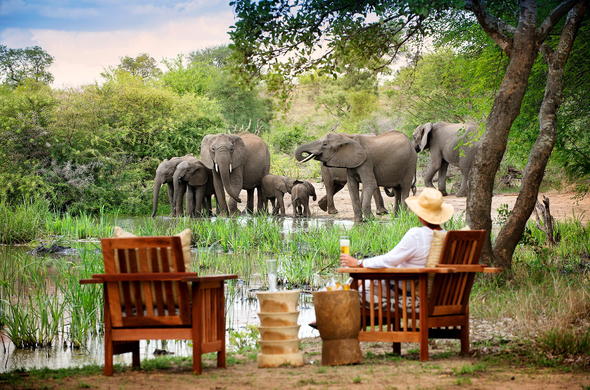 Safari Planning
Step-by-Step Guide to Planning an African Safari
Learn how to plan your first African safari with our step-by-step guide. We cover everything from choosing a destination to booking your trip and packing.
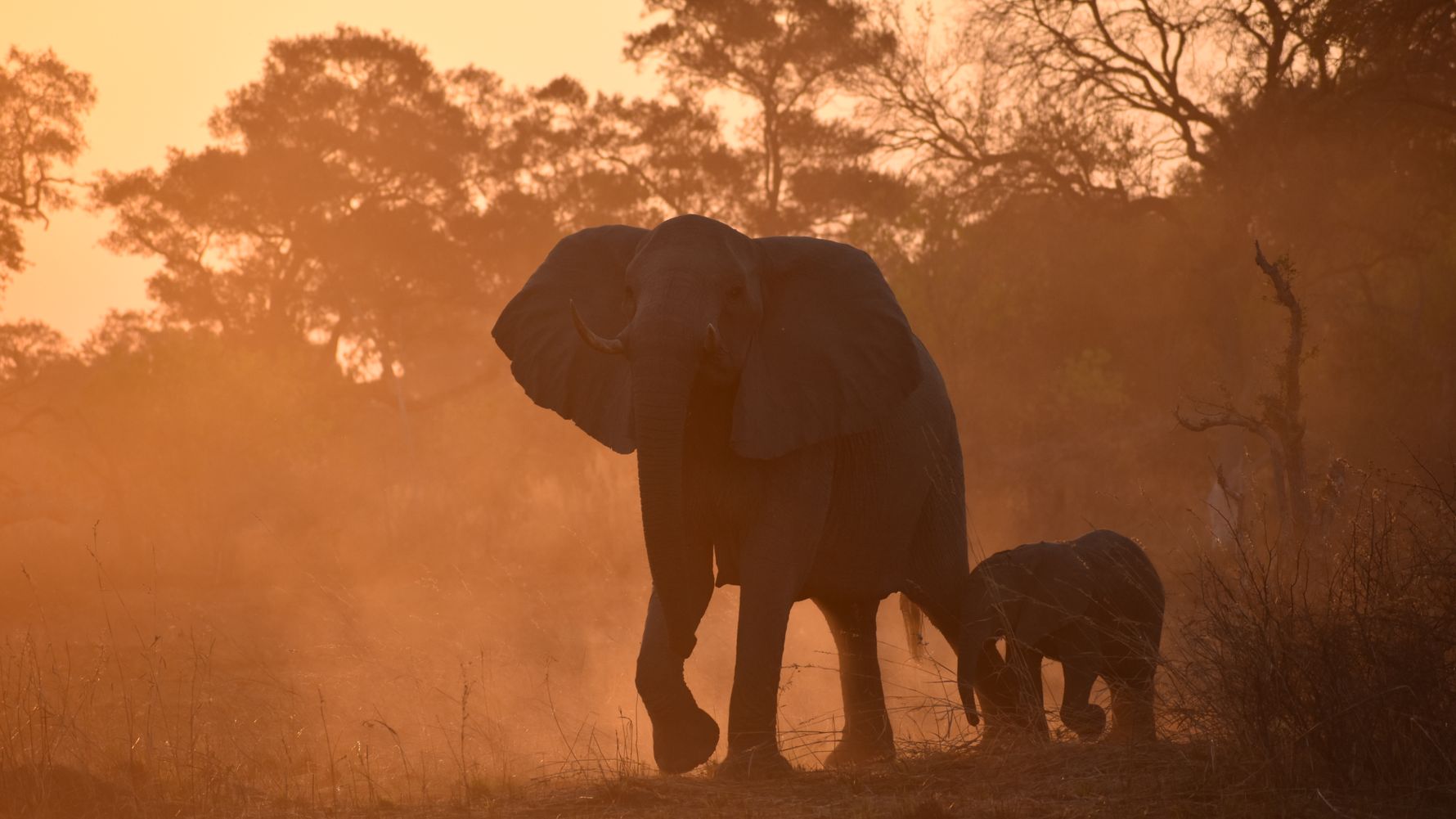 Safari Planning
Self-Drive Safari vs Guided Safari
Deciding between a self-drive safari and a guided safari? This guide breaks down the pros, cons, costs, and key differences to help you choose the right trip.
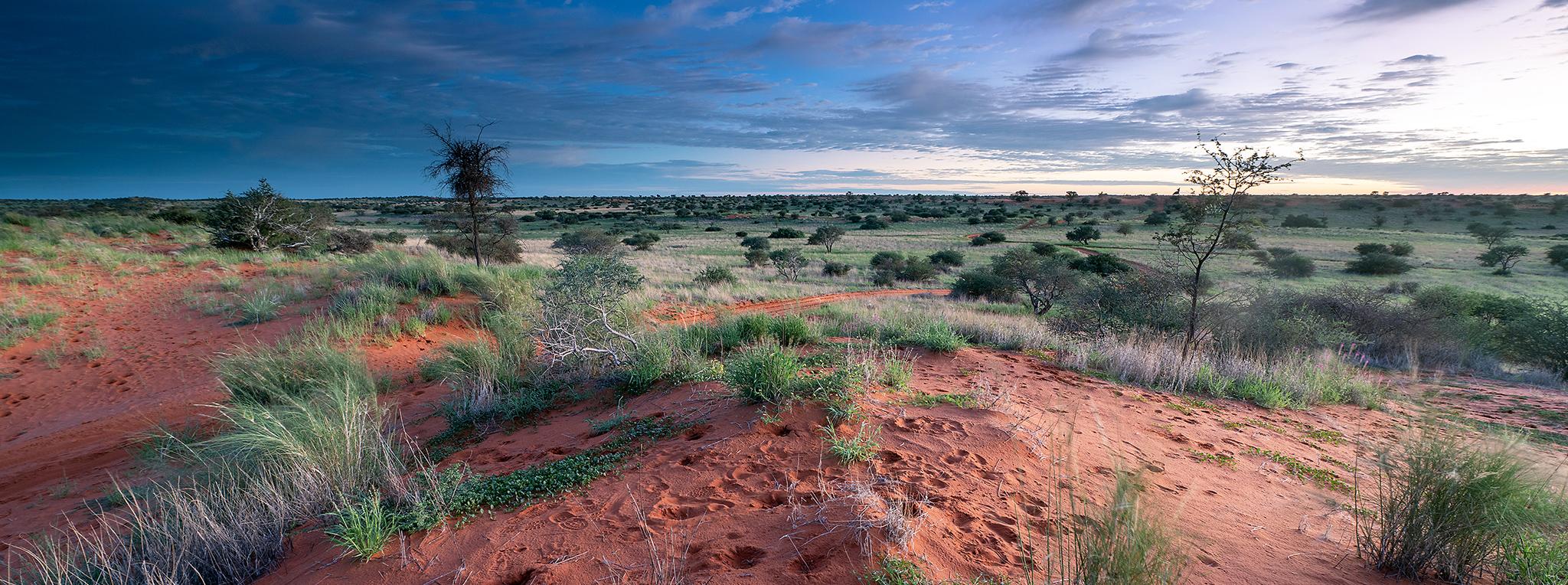 Safari Costs
Luxury Safari Pricing Guide
Discover the real cost of a luxury African safari. Our guide breaks down pricing by country, what\