
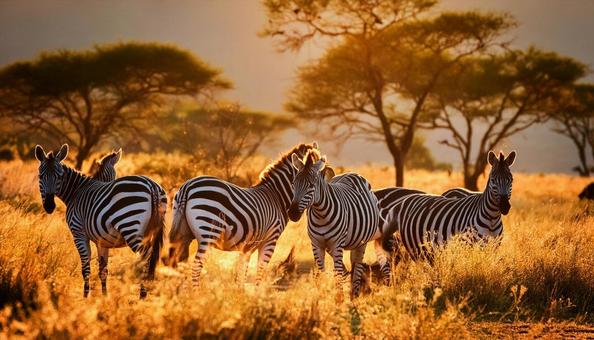
Learn all about Safari Drone Regulations in Africa in this comprehensive guide.
Understanding the Climate and Terrain in Africa
When packing for a safari in Africa, it's essential to consider the local climate and terrain. Africa has a diverse landscape, from vast plains to dense forests. Temperatures can fluctuate significantly, with warm days and cool evenings. Lightweight, breathable fabrics are your best friend. For more on planning your trip, see our destination guide for Africa.
Essential Clothing Items
Neutral-colored clothing is highly recommended to blend in with the environment and avoid startling the wildlife. Think khaki, olive, and brown. You'll want to pack a mix of short-sleeved shirts and long-sleeved shirts for sun protection. A lightweight waterproof jacket is also a must, as rain showers can be unpredictable. For personalized packing advice, consider consulting with one of our safari operators.
Still researching? Let us help.
Our advisory team has planned safaris across 9 African countries. We can turn your research into a real plan.
Talk to an AdvisorFootwear for All Activities
Comfortable, broken-in walking shoes are non-negotiable. Whether you're on a walking safari or just exploring your lodge, you'll be on your feet a lot. A pair of sandals or flip-flops is also great for relaxing at the lodge. If you're planning any strenuous hikes, be sure to bring appropriate hiking boots. Our safari cost calculator can help you budget for any specialized gear you may need to purchase.
Sun and Insect Protection
A wide-brimmed hat, sunglasses, and high-SPF sunscreen are crucial for protecting yourself from the African sun. Insect repellent is also a must, especially in the evenings. Look for a repellent containing DEET for the most effective protection against mosquitoes and other biting insects. For more health and safety tips, visit our knowledge base.
Evening and Lodge Attire
Evenings on safari can be a mix of casual and smart-casual. Most lodges have a relaxed dress code, but it's always a good idea to pack a slightly nicer outfit for dinner. A pashmina or wrap is perfect for adding a touch of warmth and style. Before you book, be sure to research safari operators in Africa to understand the specific dress codes at their lodges.
Done Reading? Let's Build Your Safari.
Skip the guesswork. Work with an advisor who has been on the ground across East and Southern Africa.
Plan With UsThe "Why" Behind the Ban: Protecting Wildlife and the Safari Experience
While the dream of capturing sweeping aerial shots of the Great Migration is alluring, the strict regulations against drone use are rooted in critical conservation and ethical principles. Understanding these reasons is key for any responsible traveler visiting Africa. The core issues revolve around wildlife disturbance, guest privacy, and safety.
Minimizing Wildlife Disturbance
Animals in protected reserves perceive drones as a threat. The buzzing sound and unfamiliar presence of a low-flying object can mimic a predator or a swarm of aggressive insects, inducing significant stress. This is particularly dangerous for:
- Nesting Birds: Drones can cause birds to abandon their nests, leaving eggs or chicks vulnerable to predators and the elements.
- Herds and Young Animals: A drone-induced panic can lead to stampedes, causing injury, exhaustion, and separation of young from their mothers. This is a major concern in sensitive areas like the calving grounds of the Serengeti.
- Shy and Endangered Species: For reclusive animals like the black rhino or leopard, a drone encounter can drive them out of their core territories, disrupting feeding and breeding patterns. Conservation efforts for these species are painstaking, and unnecessary disturbances can set back progress.
Ensuring Guest Privacy and Serenity
A safari is an escape—a chance to connect with nature in a serene and unspoiled environment. The intrusive buzz of a drone shatters that peace, not just for the operator but for every other guest in the vicinity. Lodges and camps, often situated in remote, quiet locations, have a responsibility to protect this atmosphere. Furthermore, many travelers value their privacy and do not want to be filmed, even incidentally, by a stranger's drone. For a truly immersive experience, it is essential to respect the tranquility of the bush, a goal our safari operators prioritize when planning trips.
A Deeper Look: Drone Laws in Key Safari Countries
Navigating drone regulations in Africa can be complex, as each country has its own set of rules. Here’s a breakdown for some of the top safari destinations.
Kenya
Kenya has some of the strictest drone laws on the continent. The Kenya Civil Aviation Authority (KCAA) requires all drones, regardless of size or weight, to be registered and permitted for every flight. The process is extensive and primarily designed for commercial and professional use. For tourists, obtaining a permit is practically impossible. Attempting to bring a drone into Kenya without the proper documentation will likely result in its confiscation at the airport.
Tanzania
The Tanzania Civil Aviation Authority (TCAA) also has stringent regulations. While rules exist for registering drones, the use within national parks and conservation areas like the Serengeti or Ngorongoro Crater is strictly prohibited for recreational purposes. The primary concerns are the high density of wildlife and the potential for disturbance. Only professional film crews with pre-approved permits for specific conservation or documentary projects are occasionally granted exceptions.
South Africa
South Africa, through its Civil Aviation Authority (SACAA), bans the use of drones within all national parks, including the iconic Kruger National Park. This is a blanket ban with no exceptions for tourists. The official park management body, SANParks, is clear that the primary goal is to prevent any disturbance to the wildlife and maintain the natural experience for all visitors. Travelers planning a trip can learn more about park rules in our knowledge center.
Botswana
Known for its low-impact, high-value tourism model, Botswana enforces a strict no-drone policy in all of its national parks and wildlife reserves, such as the Okavango Delta and Chobe National Park. The government is deeply committed to preserving the pristine wilderness that makes it a world-class safari destination. The authorities' focus is on minimizing human impact, and drones are seen as a direct contradiction to this core principle.
> Expert Insight: The Real Risk of Ignoring the Rules > Attempting to sneak a drone into a national park is a high-risk, low-reward gamble. If caught, penalties can range from a hefty fine and confiscation of your equipment to being banned from the park or even detained. Furthermore, it shows a deep disrespect for the local conservation efforts and the experience of fellow travelers. It's a risk that is simply not worth taking.
Alternatives for Stunning Aerial-Style Photography
Just because you can't use a drone doesn't mean you can't capture breathtaking, high-angle shots. Here are some fantastic, legal alternatives:
- Hot Air Balloon Safaris: Offered in destinations like the Serengeti and Masai Mara, a balloon safari provides a true aerial perspective. Drifting silently over the plains at sunrise offers unparalleled photographic opportunities.
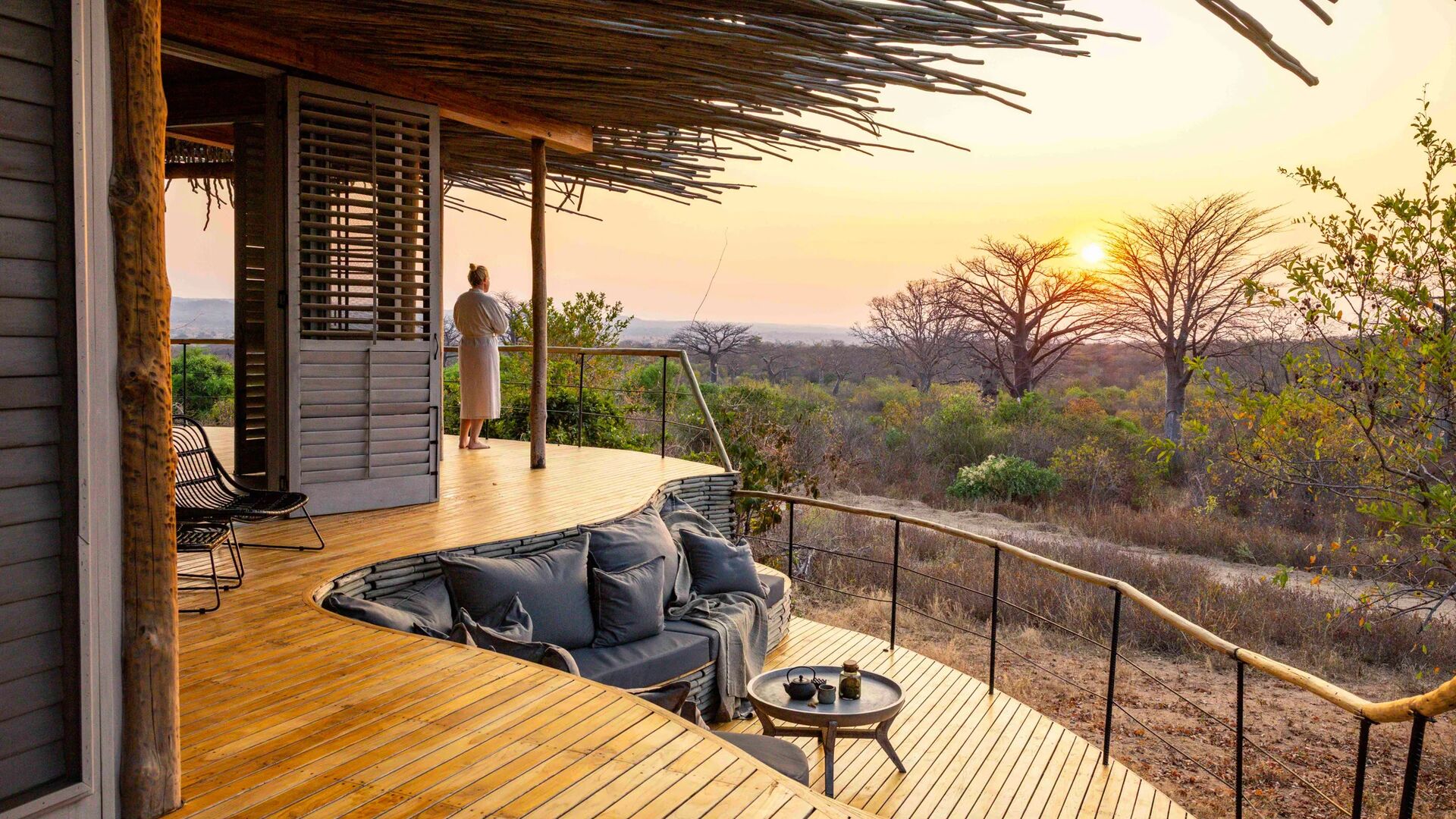
- Lodge Viewing Decks and Towers: Many safari lodges are built on elevated platforms or have dedicated viewing towers that overlook waterholes or vast landscapes. These provide a safe and stable vantage point for capturing wide, scenic shots.
- Scenic Flights: In some regions, you can book small aircraft flights over areas like the Okavango Delta or Victoria Falls. These flights are regulated, safe, and provide a stunning bird's-eye view of the ecosystem.
Before you go, consider using our cost calculator to budget for these unique experiences. When you're ready to take the next step, our team can help you plan your safari to include these incredible photographic opportunities.
Need Expert Safari Guidance?
Get expert advisory support from a firm founded by a former safari guide — with real operational knowledge across 9 African countries and full-journey accountability.
Related Planning Guides
Recommended Reading
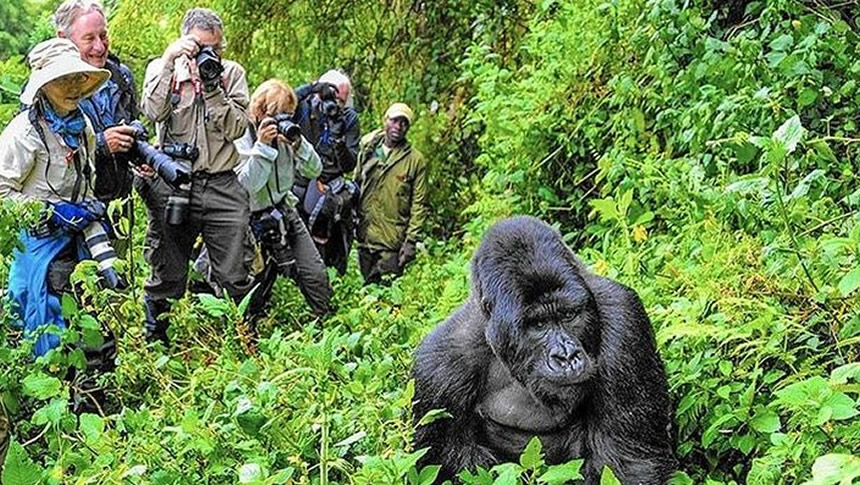 Packing & Preparation
Ultimate Safari Packing List for East Africa
This is a dummy meta description for Ultimate Safari Packing List for East Africa.
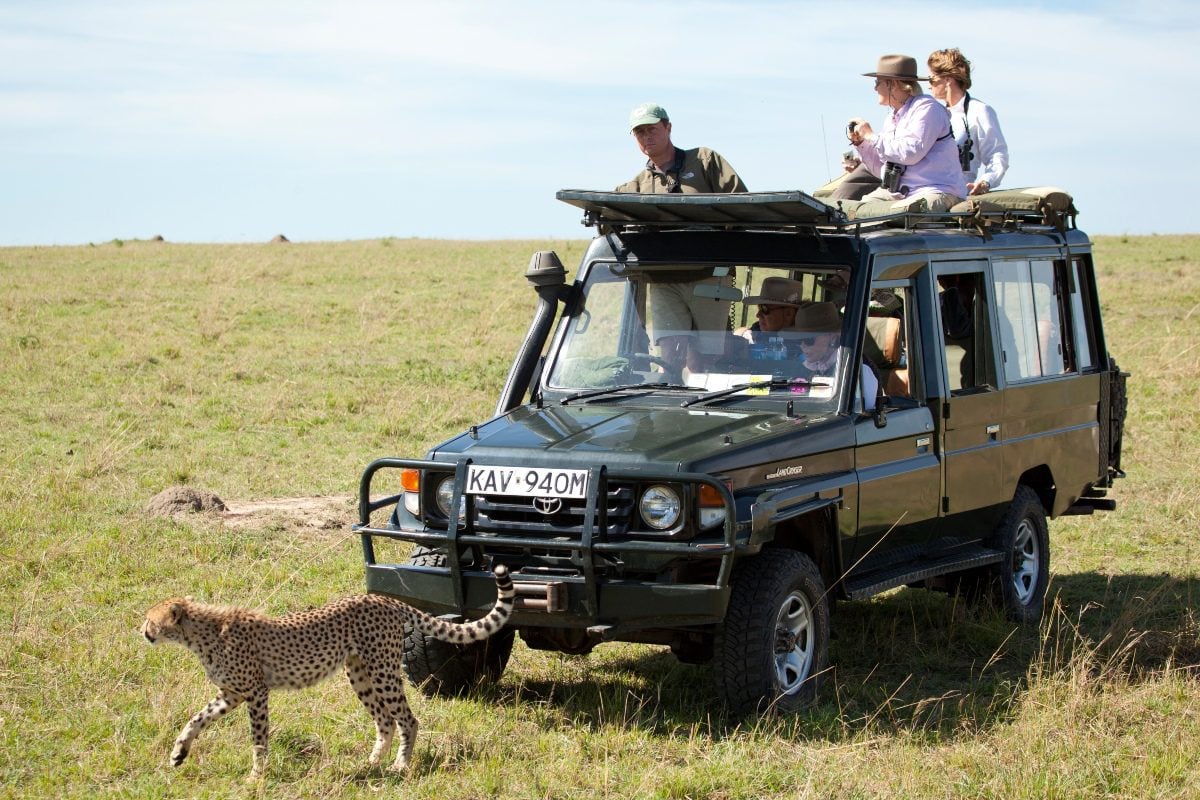 Packing & Preparation
Ultimate Safari Packing List for Southern Africa
This is a dummy meta description for Ultimate Safari Packing List for Southern Africa.
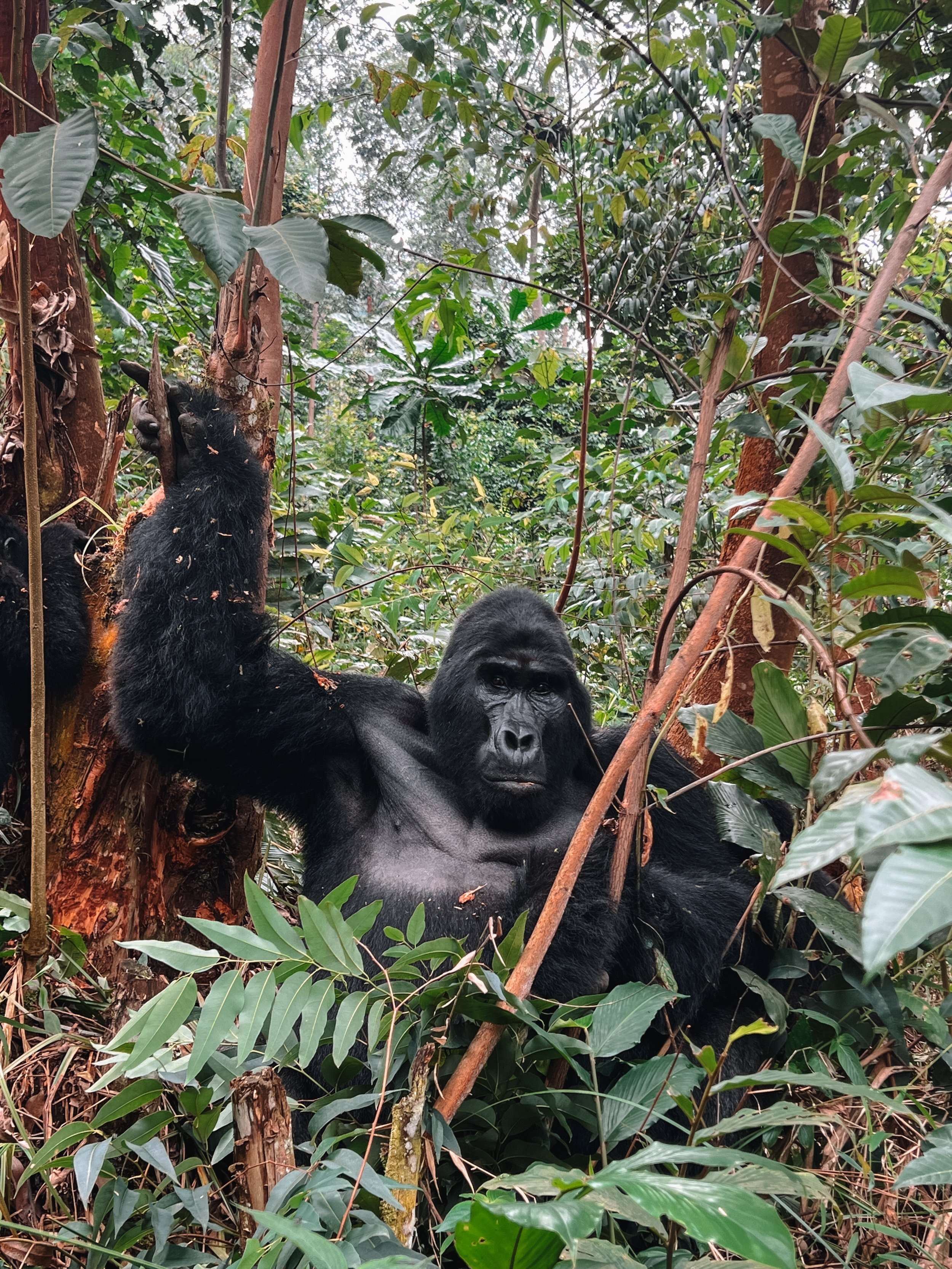 Packing & Preparation
What to Wear on Safari in South Africa
Learn all about What to Wear on Safari in South Africa in this comprehensive guide.
 Country Guides
Complete Safari Guide to South Africa
Your complete guide to Complete Safari Guide to South Africa. Find the best destinations, planning tips, and more for your next safari adventure.
 Country Guides
South Africa Safari Currency and Money Guide
A comprehensive guide to South Africa Safari Currency and Money Guide. Learn everything you need to know for your next safari adventure.
 Country Guides
South Africa Safari Food and Cuisine Guide
A comprehensive guide to South Africa Safari Food and Cuisine Guide. Learn everything you need to know for your next safari adventure.