
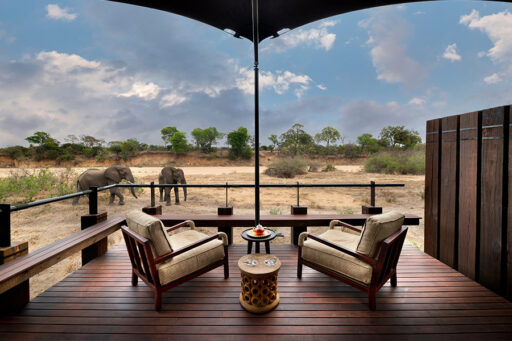
Learn about safari satellite phone options in this comprehensive safari guide.
Introduction
Exploring safari satellite phone options reveals the depth and complexity of African safari travel. Whether you're drawn to the vast savannas of East Africa or the lush waterways of Southern Africa, this knowledge will serve you well throughout your journey.
Key Details and Considerations
Delving deeper into safari satellite phone options, travelers discover that Africa's safari industry has evolved significantly over the past decades. Modern safari experiences combine traditional wilderness exploration with contemporary comfort and conservation awareness. The key is finding the right balance for your travel style and budget, which our cost calculator can help you determine.
Still researching? Let us help.
Our advisory team has planned safaris across 9 African countries. We can turn your research into a real plan.
Talk to an AdvisorPractical Advice
Putting your knowledge of safari satellite phone options into practice requires a systematic approach. Begin by defining your priorities and non-negotiables, then research destinations and operators that align with your vision. Our operator directory features thousands of safari companies across 17 African countries. Compare options carefully, read reviews, and don't hesitate to ask detailed questions before committing to a booking.
Expert Insights
Industry experts emphasize that safari satellite phone options continues to evolve as safari tourism grows and adapts to new challenges. Conservation-focused tourism, community engagement, and sustainable practices are increasingly important considerations for discerning travelers. By choosing operators who prioritize these values, you contribute to the long-term preservation of Africa's wild places. Browse our operator directory to find companies committed to responsible tourism.
Planning Your Next Steps
To wrap up, mastering safari satellite phone options is an investment that pays dividends throughout your safari journey. The more you understand about Africa's diverse ecosystems, wildlife, and tourism infrastructure, the better equipped you'll be to make decisions that lead to extraordinary experiences. Start your planning journey with our comprehensive knowledge center and connect with our team of experienced safari operators for personalized guidance.
Done Reading? Let's Build Your Safari.
Skip the guesswork. Work with an advisor who has been on the ground across East and Southern Africa.
Plan With UsWhen is a Satellite Phone Truly Necessary?
While many safari lodges and camps in popular areas like the Sabi Sands or the Maasai Mara offer reliable Wi-Fi, venturing off the beaten path requires a more robust communication strategy. A satellite phone transitions from a luxury to a critical piece of safety equipment in several key scenarios. Consider it essential if your itinerary includes:
- Remote Expeditions: Journeys into vast, undeveloped wilderness areas such as the northern Serengeti in Tanzania, the deeper channels of the Okavango Delta in Botswana, or Namibia’s Kaokoveld are prime examples. In these regions, cellular service is non-existent, and your connection to the outside world relies entirely on satellite technology.
- Medical Emergencies: For travelers with pre-existing medical conditions or those venturing far from established medical facilities, a satellite phone provides a direct line to emergency services like the Flying Doctors. The ability to have a clear, immediate conversation with a medical professional can be life-saving.
- Solo or Self-Drive Travel: If you are undertaking a self-drive safari, particularly in remote parks, a satellite phone is your lifeline in case of vehicle breakdown, getting lost, or other unforeseen incidents. You cannot count on another vehicle passing by in the more isolated parts of parks like Mana Pools in Zimbabwe or the Central Kalahari Game Reserve.
- Professional Assignments: For wildlife photographers, filmmakers, or researchers, a satellite phone is non-negotiable for logistical coordination, sending back reports, or arranging emergency equipment replacement.
> Expert Insight: Before your trip, pre-program essential numbers into your satellite phone. This should include your safari operator's emergency contact, your country's embassy, and a service like the AMREF Flying Doctors. In a high-stress situation, you don't want to be searching for numbers.
Comparing Satellite Networks: Iridium vs. Inmarsat
For travel in Africa, two primary satellite networks stand out: Iridium and Inmarsat. Each has its own set of advantages and disadvantages.
| Feature | Iridium Network | Inmarsat Network | | :--- | :--- | :--- | | Coverage | Truly global, pole-to-pole coverage via a constellation of 66 Low Earth Orbit (LEO) satellites. | Covers most of the globe, but not the polar regions, using geostationary satellites. Excellent for all of Africa. | | Reliability | Extremely high. The LEO satellite constellation means you are more likely to get a signal even in canyons or areas with partial sky obstruction. | Very reliable, but requires a clearer, more direct line of sight to the sky as it connects to a fixed satellite position. | | Handset Cost | Generally more expensive. Models like the Iridium 9575 Extreme are robust but carry a premium price. | More affordable handsets. The Inmarsat IsatPhone 2 is a popular, durable, and cost-effective choice for safari travelers. | | Data Speeds | Slower data speeds, typically around 2.4 kbps. Not suitable for web browsing but can handle compressed emails and text messages. | Slightly faster data speeds, but still very slow by modern standards. Best used for essential, text-based communication. |
For most safari travelers, the Inmarsat IsatPhone 2 offers the best balance of performance, durability, and cost. Its reliability across Africa is proven, and the lower handset cost makes it a more accessible option for purchase or rental. The Iridium network is the superior choice only for those venturing into extremely rugged terrain where a signal might be obstructed or for those who require its truly global reach for other travels.
Renting vs. Purchasing: A Financial Breakdown
Deciding whether to rent or buy a satellite phone depends entirely on your travel frequency.
Renting a Satellite Phone
For the vast majority of safari-goers, renting is the most logical and economical choice. A typical two-week safari is the perfect use case for a rental.
- Costs: Expect to pay between $15 to $25 USD per day. This often includes a certain number of free calling minutes (e.g., 10-15 minutes for a weekly rental). Additional minutes are billed at approximately $1.50 to $2.00 per minute.
- Convenience: Reputable rental companies will deliver the phone to your home before you depart, complete with a fully charged battery, a travel charger, and a waterproof case.
- Peace of Mind: You are using tested, well-maintained equipment without the long-term ownership costs.
> Traveler's Tip: When renting, always ask the provider how they test and cycle their batteries. A phone with a degraded battery is a significant liability in the field. A good company will be transparent about their maintenance procedures.
Purchasing a Satellite Phone
Buying a satellite phone is a significant investment and should only be considered by those who travel frequently to remote areas.
- Costs: A handset like the Inmarsat IsatPhone 2 can cost between $700 and $1,200 USD. An Iridium handset will be closer to $1,200 to $1,800.
- Airtime Plans: You will also need an airtime plan. Prepaid plans are popular, allowing you to buy a set number of minutes that expire after a certain period (e.g., 250 minutes valid for 6 months). Postpaid monthly plans are also available for heavy users.
For most travelers, the high upfront cost and ongoing expense of maintaining a valid airtime plan make purchasing impractical. The funds are often better allocated toward other aspects of your safari, which you can explore with our safari cost calculator.
Beyond Voice: Leveraging Data, SMS, and GPS
Modern satellite phones are more than just voice devices. Understanding their other features can enhance your safety and communication strategy.
- SMS/Text Messaging: This is the most cost-effective way to stay in touch. A single text message uses far less airtime than a one-minute voice call. It’s perfect for sending short “all is well” updates to family back home.
- Data Connectivity: It is crucial to set realistic expectations. Satellite data is slow, expensive, and not designed for browsing the internet or social media. It is, however, functional for downloading GRIB weather files or sending a text-only email in a critical situation.
- GPS Functionality: Most modern satellite phones, including the IsatPhone 2, have built-in GPS. This allows you to view your coordinates and, more importantly, embed your location in an emergency SOS message, ensuring rescuers know exactly where to find you.
By understanding these features, you can build a comprehensive communication plan for your adventure. For more personalized advice on what equipment you might need, we encourage you to speak with our expert safari operators who can tailor recommendations to your specific itinerary. Start your journey today by beginning to plan your safari.
Need Expert Safari Guidance?
Get expert advisory support from a firm founded by a former safari guide — with real operational knowledge across 9 African countries and full-journey accountability.
Related Planning Guides
Recommended Reading
 Travel Logistics
Safari Airport Transfer Options Explained
Learn about safari airport transfer options explained and how it can impact your safari experience. Get expert advice and start planning your dream safari today.
 Travel Logistics
Safari Charter Flight Options Explained
Learn about safari charter flight options explained and how it can impact your safari experience. Get expert advice and start planning your dream safari today.
 Travel Logistics
Safari Multi-Country Visa Options
Learn about safari multi-country visa options and how it can impact your safari experience. Get expert advice and start planning your dream safari today.
 Destination Guides
Complete Guide to Garden Route Safari Options
A complete guide to Complete Guide to Garden Route Safari Options. Learn about the wildlife, activities, and best time to visit this amazing destination.
 Packing & Preparation
Safari Phone and Tablet Preparation
Learn all about Safari Phone and Tablet Preparation in this comprehensive guide.
 Safari Advisor Content
What Is a Safari Advisor and Why You Need One
Discover the essentials of what is a safari advisor and why you need one for an unforgettable African safari adventure.