
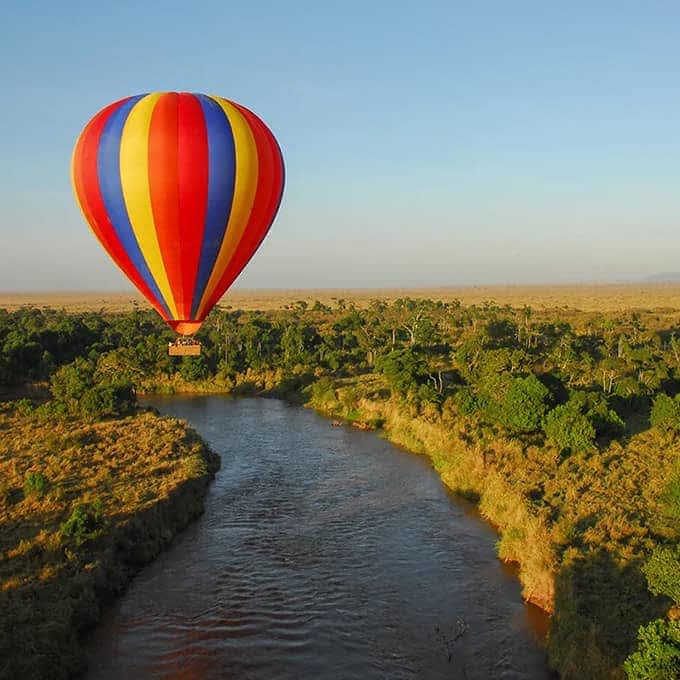
Learn all about Safari Fitness Preparation Guide in this comprehensive guide.
Understanding the Climate and Terrain in Africa
When packing for a safari in Africa, it's essential to consider the local climate and terrain. Africa has a diverse landscape, from vast plains to dense forests. Temperatures can fluctuate significantly, with warm days and cool evenings. Lightweight, breathable fabrics are your best friend. For more on planning your trip, see our destination guide for Africa.
Essential Clothing Items
Neutral-colored clothing is highly recommended to blend in with the environment and avoid startling the wildlife. Think khaki, olive, and brown. You'll want to pack a mix of short-sleeved shirts and long-sleeved shirts for sun protection. A lightweight waterproof jacket is also a must, as rain showers can be unpredictable. For personalized packing advice, consider consulting with one of our safari operators.
Still researching? Let us help.
Our advisory team has planned safaris across 9 African countries. We can turn your research into a real plan.
Talk to an AdvisorFootwear for All Activities
Comfortable, broken-in walking shoes are non-negotiable. Whether you're on a walking safari or just exploring your lodge, you'll be on your feet a lot. A pair of sandals or flip-flops is also great for relaxing at the lodge. If you're planning any strenuous hikes, be sure to bring appropriate hiking boots. Our safari cost calculator can help you budget for any specialized gear you may need to purchase.
Sun and Insect Protection
A wide-brimmed hat, sunglasses, and high-SPF sunscreen are crucial for protecting yourself from the African sun. Insect repellent is also a must, especially in the evenings. Look for a repellent containing DEET for the most effective protection against mosquitoes and other biting insects. For more health and safety tips, visit our knowledge base.
Evening and Lodge Attire
Evenings on safari can be a mix of casual and smart-casual. Most lodges have a relaxed dress code, but it's always a good idea to pack a slightly nicer outfit for dinner. A pashmina or wrap is perfect for adding a touch of warmth and style. Before you book, be sure to research safari operators in Africa to understand the specific dress codes at their lodges.
Done Reading? Let's Build Your Safari.
Skip the guesswork. Work with an advisor who has been on the ground across East and Southern Africa.
Plan With UsCardiovascular Fitness: Building Endurance for the Bush
While most of your time on a traditional vehicle-based safari is spent seated, a good level of cardiovascular fitness is essential for maximizing your experience. Long travel days, early morning wake-up calls, and the general excitement of being in the wild can be surprisingly taxing on your body. Improving your endurance will help you feel more energetic and engaged from the first game drive to the last.
We recommend starting a cardiovascular fitness routine at least 8-12 weeks before your departure. The goal is to build a solid aerobic base that allows you to handle long days with ease.
Recommended Activities:
- Brisks Walking or Jogging: Aim for 30-45 minutes, 3-4 times per week. If you can maintain a conversation while exercising, you are at the right intensity.
- Cycling: An excellent low-impact option that builds leg strength and cardiovascular health.
- Swimming: A full-body workout that is gentle on the joints.
> Expert Insight: Don't underestimate the impact of jet lag and a new climate. Arriving with a good fitness level will help your body adapt more quickly, allowing you to fully immerse yourself in the safari experience from day one. For personalized travel advice, consider speaking with one of our safari operators.
Strength and Stability: Preparing for Bumpy Roads
Safari vehicles are built for rugged terrain, which means you can expect bumpy and sometimes jarring rides. Core strength and stability are your best defense against discomfort and potential back strain. A strong core will help you absorb the shocks of the road and maintain a comfortable posture during long game drives.
Focus on exercises that engage your core, back, and leg muscles.
Recommended Exercises:
- Planks: Hold for 30-60 seconds, completing 3-4 sets.
- Squats and Lunges: These build lower body strength, which is crucial for stability.
- Bird-Dog: This exercise improves balance and core stability.
> Traveler's Tip: Pack a small inflatable cushion or a rolled-up jacket to place behind your lower back for extra support during game drives. This simple trick can make a world of difference in your comfort level.
Flexibility and Mobility: Staying Comfortable in Confinement
Sitting for extended periods in a safari vehicle can lead to stiffness and discomfort. Incorporating flexibility and mobility work into your preparation will help you stay limber and avoid aches and pains.
Recommended Stretches:
- Hamstring Stretches: Tight hamstrings can contribute to lower back pain.
- Hip Flexor Stretches: Crucial for those who sit for long periods.
- Spinal Twists: These can be done seated in the vehicle to relieve back tension.
Activity-Specific Training: Walking Safaris and Gorilla Treks
If your itinerary includes more strenuous activities like walking safaris or gorilla trekking, your fitness preparation will need to be more specific. These activities require a higher level of cardiovascular fitness, strength, and endurance.
For Walking Safaris:
Walking safaris in destinations like Zambia's South Luangwa National Park or Zimbabwe's Mana Pools National Park can cover several kilometers over uneven terrain. You'll need to be comfortable walking for 2-4 hours at a steady pace.
- Training: Incorporate longer walks or hikes into your routine, ideally on varied terrain. Practice carrying a small daypack, similar to what you'll have on the walk.
For Gorilla and Chimp Trekking:
Gorilla trekking in Uganda's Bwindi Impenetrable Forest or Rwanda's Volcanoes National Park is a physically demanding experience. Treks can last from 2-8 hours on steep, muddy slopes at high altitudes.
- Training: Focus on building leg strength with exercises like step-ups, squats, and lunges. Cardiovascular endurance is key, so increase the intensity and duration of your cardio workouts. If possible, train on hills or stairs to simulate the trekking conditions.
> Expert Insight: Altitude can be a factor in gorilla trekking destinations. Arrive a day or two early to acclimatize before your trek. To understand the costs associated with these unique experiences, explore our safari cost calculator.
Mental Preparation: Managing Expectations and Embracing the Unexpected
A successful safari is as much about mental preparedness as it is about physical fitness. The African bush is unpredictable, and the best experiences often come from embracing the unexpected. Game drives can be long with no significant sightings, or they can be action-packed from start to finish.
- Patience is Key: Wildlife operates on its own schedule. Be prepared for quiet moments and appreciate the beauty of the landscape and smaller creatures.
- Flexibility: Itineraries can change due to weather or wildlife movements. A flexible attitude will allow you to enjoy whatever the day brings.
- Trust Your Guide: Your guide is an expert in the local ecosystem. Trust their judgment and feel free to ask questions. Their knowledge will enrich your experience immeasurably.
For more tips on what to expect, our knowledge center offers a wealth of information. When you're ready to take the next step, our team can help you plan your safari with trusted operators who prioritize safety and exceptional guiding.
Need Expert Safari Guidance?
Get expert advisory support from a firm founded by a former safari guide — with real operational knowledge across 9 African countries and full-journey accountability.
Related Planning Guides
Recommended Reading
 Packing & Preparation
Walking Safari Fitness Preparation
Learn all about Walking Safari Fitness Preparation in this comprehensive guide.
 Packing & Preparation
Mountain Safari Fitness Preparation
Learn all about Mountain Safari Fitness Preparation in this comprehensive guide.
 Packing & Preparation
Safari Footwear Guide
Learn all about Safari Footwear Guide in this comprehensive guide.
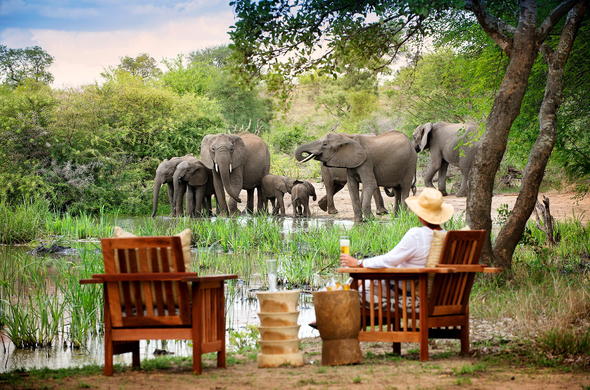 Safari Planning
Step-by-Step Guide to Planning an African Safari
Learn how to plan your first African safari with our step-by-step guide. We cover everything from choosing a destination to booking your trip and packing.
 Safari Planning
Self-Drive Safari vs Guided Safari
Deciding between a self-drive safari and a guided safari? This guide breaks down the pros, cons, costs, and key differences to help you choose the right trip.
 Safari Costs
Luxury Safari Pricing Guide
Discover the real cost of a luxury African safari. Our guide breaks down pricing by country, what\