
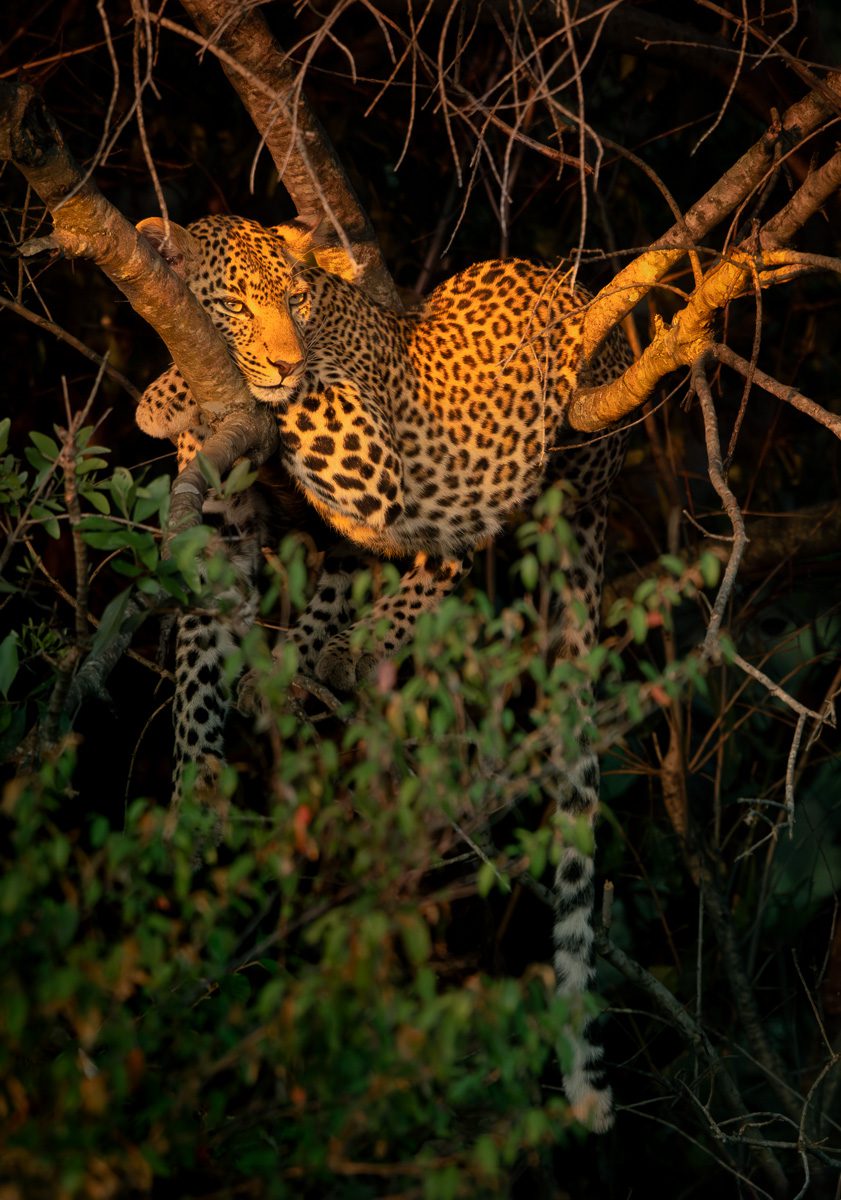
A comprehensive guide to Safari Power Outage Preparation. Learn everything you need to know for your safari adventure.
Safari Power Outage Preparation
Understanding safari power outage preparation can make the difference between a good safari and an extraordinary one. This guide combines insider knowledge with practical advice to ensure you are fully prepared.
Making the Most of Your Experience
To truly optimize safari power outage preparation, approach your safari with an open mind and realistic expectations. Africa has a way of surprising even the most experienced travelers, and some of the best moments come from unexpected encounters and unplanned detours.
Finally, remember that a safari is more than just wildlife viewing. The cultural experiences, landscapes, and personal connections you make along the way are equally valuable. Approaching safari power outage preparation with this broader perspective will enrich your entire journey.
Photography enthusiasts should pay special attention to safari power outage preparation as it relates to their equipment and technique. The lighting conditions, distances, and movement patterns of African wildlife create unique challenges and opportunities that benefit from advance preparation.
Still researching? Let us help.
Our advisory team has planned safaris across 9 African countries. We can turn your research into a real plan.
Talk to an AdvisorUnderstanding the Fundamentals
Experienced safari operators emphasize that preparation is the single most important factor in safari power outage preparation. This means doing your research well in advance, consulting with knowledgeable advisors, and being willing to adapt your plans based on current conditions. The best safari experiences come from travelers who approach their journey with both enthusiasm and informed flexibility.
The foundation of safari power outage preparation begins with understanding the basic principles. Safari environments across Africa present unique conditions that differ significantly from what most travelers are accustomed to. In East Africa, the vast savannas of Kenya and Tanzania create one set of considerations, while the dense forests of Uganda and Rwanda present entirely different challenges. Southern African destinations like Botswana and South Africa add yet another dimension.
Regional Considerations Across Africa
East African safaris, particularly in Kenya and Tanzania, have their own distinct approach to safari power outage preparation. The Serengeti-Mara ecosystem, which hosts the Great Migration, requires specific planning considerations that differ from destinations like Amboseli or Ngorongoro. Understanding these regional differences is crucial for optimizing your experience.
Central and West African destinations, including Uganda, Rwanda, and the Congo, offer specialized experiences like gorilla trekking that bring their own set of requirements. These destinations often involve more challenging terrain and different logistical considerations compared to the classic savanna safari.
Southern Africa presents a different landscape for safari power outage preparation. Countries like Botswana, South Africa, Namibia, and Zimbabwe each have established infrastructure and practices that reflect their unique environments. The Okavango Delta, for instance, requires water-based considerations that land-based safaris in Kruger National Park do not.
Seasonal Factors and Timing
The timing of your safari significantly impacts safari power outage preparation. Dry season months, typically June through October in most East African destinations, offer different conditions than the green season months of November through May. Each period has distinct advantages and considerations.
Weather patterns across Africa are becoming less predictable due to climate change, which adds another layer of consideration to safari power outage preparation. Working with operators who have current, on-the-ground knowledge of conditions is more important than ever.
Peak season brings excellent wildlife viewing but also higher prices and more crowded parks. Shoulder seasons offer a balance of good conditions and fewer crowds. Understanding how seasonal factors affect safari power outage preparation helps you choose the optimal time for your specific priorities.
Done Reading? Let's Build Your Safari.
Skip the guesswork. Work with an advisor who has been on the ground across East and Southern Africa.
Plan With UsEssential Gear for Navigating Power Outages
While most reputable safari lodges have backup generators, power can still be intermittent, especially in remote locations. Packing a few key items ensures you remain comfortable and your devices stay charged. A high-quality LED headlamp is non-negotiable; it keeps your hands free for navigating your tent or reading after dark. We recommend one with a red-light mode to avoid disturbing wildlife and to preserve your own night vision around the campfire.
A robust power bank is your most critical accessory. A 20,000mAh capacity is ideal, providing enough power to charge a smartphone multiple times and keep your camera batteries topped up. For serious photographers, consider bringing two fully charged power banks and extra camera batteries, as you may not have a reliable charging opportunity for a day or two if a generator fails. While solar chargers are an option, their effectiveness can be limited by cloudy weather or shaded camp locations, so they should not be your primary backup.
Proactive Planning: Questions for Your Operator
Before you book, it's wise to inquire about the power situation at the lodges and camps on your itinerary. This proactive step helps set clear expectations and avoids disappointment. Don't hesitate to ask your safari planning guide or the operator these specific questions:
- What is the primary power source at each camp (e.g., solar, generator, national grid)?
- Do you have a backup power system, and what is its capacity?
- Are there specific hours when electricity is turned off (e.g., overnight or midday)?
- Is charging available in individual rooms, or only in a central communal area?
Understanding these details for a camp in a remote area like Botswana's Okavango Delta versus a lodge near Arusha in Tanzania will allow you to prepare accordingly and ensure that a temporary outage doesn't disrupt your ability to capture memories or navigate your surroundings safely.
Related Resources
For more information on planning your safari, explore our destination guides, browse the safari operator directory, or connect with an experienced safari planning guide for personalized guidance.
Lodge Power Systems: From Rustic to Reliable
The reality of power availability varies dramatically between different types of safari accommodations. At a premier luxury lodge, such as Singita Boulders Lodge in South Africa's Sabi Sand Game Reserve, you can expect a seamless power experience. These top-tier properties typically run on a combination of the national grid and powerful, silenced generators, providing reliable 24/7 electricity. In-room charging ports are standard, and you can confidently charge laptops, camera batteries, and other devices at any time, just as you would in a city hotel. The investment in robust infrastructure means a power outage is a rare and quickly resolved event.
In contrast, a remote bush camp, like a mobile camp in the Serengeti following the Great Migration or a water-based camp deep in the Okavango Delta, operates on a different model. These camps prioritize a lighter footprint and a more immersive bush experience, which often means power is a managed resource. Electricity is typically provided by a generator that runs for a few hours in the morning (e.g., 6:00 AM to 9:00 AM) and again in the evening (e.g., 6:00 PM to 10:00 PM). During these times, you can charge devices in a central, communal charging station. Outside of these hours, the camp is quiet, and you'll rely on your headlamp and the camp's solar lanterns. This is a crucial detail to confirm with your safari planning guide before booking.
The Shift to Silent, Solar-Powered Safaris
A growing and welcome trend across Africa is the move towards eco-friendly solar power. Leading operators are increasingly investing in sophisticated solar farms and battery storage systems to power their camps. Lodges like Ol Pejeta Bush Camp in Kenya or the solar-powered camps of Chobe Game Lodge in Botswana are excellent examples of this sustainable approach. These systems provide silent, 24/7 power for lighting and charging essential devices, completely eliminating the background noise of a diesel generator.
This not only enhances the guest experience—allowing you to hear the true sounds of the African night—but also significantly reduces the camp's carbon footprint. While these solar systems can still be affected by prolonged cloudy weather, they are generally highly reliable for charging phones, cameras, and tablets. However, they may not support high-wattage items like hair dryers, which are often discouraged. Embracing this eco-conscious model is a fantastic way to support sustainable tourism while enjoying a more authentic and peaceful safari experience.
Need Expert Safari Guidance?
Get expert advisory support from a firm founded by a former safari guide — with real operational knowledge across 9 African countries and full-journey accountability.
Related Planning Guides
Recommended Reading
 Travel Logistics
Safari Camp Generator and Power Schedules
Electricity in the bush is a precious resource. Our guide to safari camp generator and power schedules will help you understand how to manage your power needs.
 Travel Logistics
Safari Dust Storm Preparation
A comprehensive guide to Safari Dust Storm Preparation. Learn everything you need to know for your safari adventure.
 Travel Logistics
Safari Cold Night Temperature Preparation
A comprehensive guide to Safari Cold Night Temperature Preparation. Learn everything you need to know for your safari adventure.
 Packing & Preparation
Safari Fitness Preparation Guide
Learn all about Safari Fitness Preparation Guide in this comprehensive guide.
 Packing & Preparation
Safari Power Bank and Charging Guide
Learn all about Safari Power Bank and Charging Guide in this comprehensive guide.
 Packing & Preparation
Walking Safari Fitness Preparation
Learn all about Walking Safari Fitness Preparation in this comprehensive guide.