
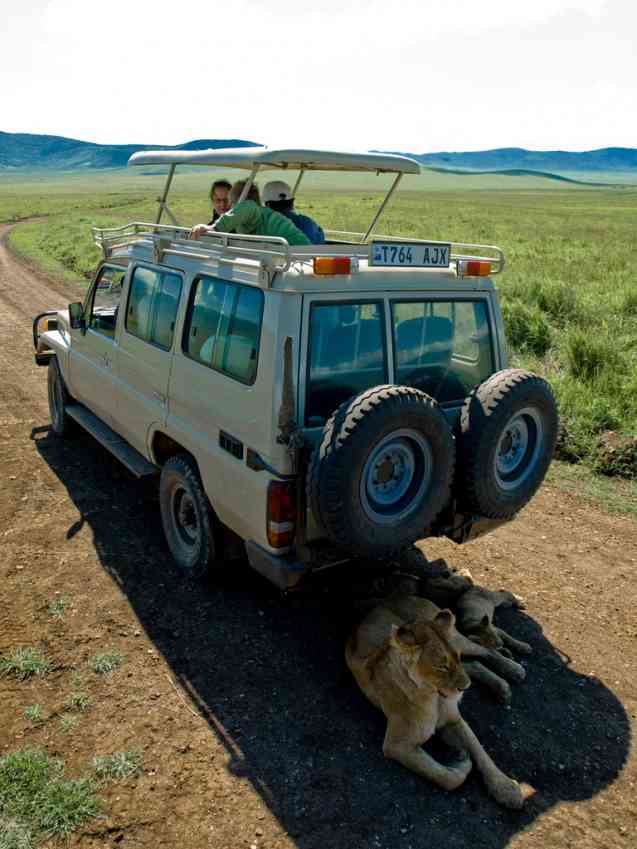
An in-depth comparison of Night Safari vs Day Safari Comparison to help you choose the perfect safari experience. Explore the pros, cons, and key differences to
Night Safari vs Day Safari Comparison
Understanding night safari vs day safari comparison can make the difference between a good safari and an extraordinary one. This guide combines insider knowledge with practical advice to ensure you are fully prepared.
Regional Considerations Across Africa
East African safaris, particularly in Kenya and Tanzania, have their own distinct approach to night safari vs day safari comparison. The Serengeti-Mara ecosystem, which hosts the Great Migration, requires specific planning considerations that differ from destinations like Amboseli or Ngorongoro. Understanding these regional differences is crucial for optimizing your experience.
Southern Africa presents a different landscape for night safari vs day safari comparison. Countries like Botswana, South Africa, Namibia, and Zimbabwe each have established infrastructure and practices that reflect their unique environments. The Okavango Delta, for instance, requires water-based considerations that land-based safaris in Kruger National Park do not.
Still researching? Let us help.
Our advisory team has planned safaris across 9 African countries. We can turn your research into a real plan.
Talk to an AdvisorMaking the Most of Your Experience
Finally, remember that a safari is more than just wildlife viewing. The cultural experiences, landscapes, and personal connections you make along the way are equally valuable. Approaching night safari vs day safari comparison with this broader perspective will enrich your entire journey.
Photography enthusiasts should pay special attention to night safari vs day safari comparison as it relates to their equipment and technique. The lighting conditions, distances, and movement patterns of African wildlife create unique challenges and opportunities that benefit from advance preparation.
To truly optimize night safari vs day safari comparison, approach your safari with an open mind and realistic expectations. Africa has a way of surprising even the most experienced travelers, and some of the best moments come from unexpected encounters and unplanned detours.
Safety and Health Considerations
Safety is paramount when it comes to night safari vs day safari comparison on safari. Reputable operators maintain strict safety protocols and employ experienced guides who are trained to handle a wide range of situations. Always verify that your chosen operator has proper licensing, insurance, and safety certifications.
Travel insurance that specifically covers safari activities is strongly recommended. Standard travel insurance policies may not cover all the activities and situations you might encounter on an African safari. Ensure your policy covers medical evacuation, trip cancellation, and activity-specific risks.
Practical Planning Steps
Step two involves researching your options thoroughly. Compare different destinations, operators, and approaches to night safari vs day safari comparison. Read reviews from verified travelers, consult with safari operators, and cross-reference information from multiple sources.
Step three is creating a detailed plan that accounts for all aspects of night safari vs day safari comparison. This should include timelines, budgets, backup options, and contingency plans. The most successful safari travelers are those who plan thoroughly while remaining flexible enough to adapt to changing conditions.
Done Reading? Let's Build Your Safari.
Skip the guesswork. Work with an advisor who has been on the ground across East and Southern Africa.
Plan With UsUnderstanding the Fundamentals: Night Safari vs Day Safari Comparison
Experienced safari operators emphasize that preparation is the single most important factor in night safari vs day safari comparison. This means doing your research well in advance, consulting with knowledgeable advisors, and being willing to adapt your plans based on current conditions. The best safari experiences come from travelers who approach their journey with both enthusiasm and informed flexibility.
The foundation of night safari vs day safari comparison begins with understanding the basic principles. Safari environments across Africa present unique conditions that differ significantly from what most travelers are accustomed to. In East Africa, the vast savannas of Kenya and Tanzania create one set of considerations, while the dense forests of Uganda and Rwanda present entirely different challenges. Southern African destinations like Botswana and South Africa add yet another dimension.
Wildlife Behavior: Day vs. Night
The most significant difference between a day and a night safari lies in the wildlife you are likely to encounter. During the heat of the day, many predators, particularly big cats like lions and leopards, are largely inactive. You will often find them resting in the shade, conserving energy for the cooler hours. Daytime is ideal for observing plains game such as zebra, wildebeest, and various antelope species as they graze, as well as for birdwatching, as most birds are diurnal.
As dusk settles, the bush undergoes a dramatic transformation. The predators that were lethargic during the day begin to stir. A night safari offers the thrilling possibility of witnessing a hunt in action or seeing notoriously elusive animals like the leopard, which are primarily nocturnal and far more active after dark. Furthermore, a host of unique nocturnal creatures emerge, including the genet, civet, porcupine, and the strange-looking aardvark. Hearing the distinct call of a bushbaby or catching the reflection of its eyes in the spotlight is a quintessential night safari experience that is simply unavailable during daylight hours.
Case Study: Night Safaris in Zambia vs. Kenya
Your ability to go on a night safari often depends entirely on your destination's regulations. For example, South Luangwa National Park in Zambia is widely regarded as one of the best places in Africa for night drives. The park's regulations have long permitted them, and as a result, the local guides are exceptionally skilled at spotting nocturnal animals. It is one of the most reliable places to see leopards, and sightings of hyena, genets, and owls are very common.
In contrast, national parks and reserves in Kenya, such as the main Maasai Mara National Reserve, strictly prohibit vehicles after sunset. To experience a night safari in the Mara ecosystem, you must stay in one of the private conservancies that border the reserve. These conservancies, such as Mara North or Naboisho, have their own rules and allow their guests to go on night drives, offering a significant advantage for seeing nocturnal wildlife. This highlights a critical planning consideration: if night safaris are a priority, you must choose your accommodation and location specifically to ensure they are permitted.
Related Resources
For more information on planning your safari, explore our destination guides, browse the safari operator directory, or connect with an experienced safari planning guide for personalized guidance.
A Deeper Dive: Where to Experience the Best Night Safaris
While South Luangwa in Zambia is a world-renowned hotspot for nocturnal adventures, several other destinations across Africa offer phenomenal night drive experiences. The key is to choose locations where regulations permit them, which often means staying in private reserves or conservancies that border national parks.
Botswana's Okavango Delta: Many private concessions in the Okavango Delta, such as the Khwai Private Reserve, allow night drives. Here, the unique aquatic environment means you might spot hippos grazing out of the water, a rare sight, or even the elusive sitatunga antelope at the water's edge. Lodges like Mombo Camp and Vumbura Plains Camp are known for their exceptional guiding and offer some of the most exclusive night safari experiences, with a price tag to match (often starting at $1,500 per person, per night).
South Africa's Sabi Sands Game Reserve: Adjacent to the Kruger National Park, the private Sabi Sands Game Reserve is arguably the best place in Africa to see leopards, both day and night. The leopards here are incredibly habituated to vehicles, allowing for close-up encounters. Lodges such as Singita Boulders Lodge and Londolozi have a long history of leopard research and offer unparalleled night-time viewing opportunities. A night drive here might yield sightings of genet, civet, and white-tailed mongoose, in addition to the Big Five.
Tanzania's Private Concessions: Similar to Kenya, the main national parks in Tanzania, like the Serengeti, have strict rules against night driving. However, staying in a private concession like the Grumeti Game Reserve (home to Singita Faru Faru Lodge) or the Mwiba Wildlife Reserve allows for this exclusive activity. A night safari here could reveal aardvarks, bat-eared foxes, and porcupines, animals you would be very unlikely to see during the day.
Night vs. Day Safari: A Detailed Comparison
To help you decide how to allocate your time, here is a detailed comparison of what to expect from each experience:
| Feature | Day Safari | Night Safari | | :--- | :--- | :--- | | Primary Wildlife | Grazing herds (zebra, wildebeest, antelope), elephants, giraffes, diurnal birds. | Predators on the move (lions, leopards, hyenas), nocturnal species (genet, civet, aardvark, porcupine), active hippos. | | Atmosphere | Bright, expansive views of the landscape, social and bustling with animal activity. | Mysterious, intimate, and suspenseful. A heightened sense of hearing and anticipation. | | Photography | Excellent lighting conditions, ideal for capturing landscape shots and detailed animal portraits. | Challenging. Requires high ISO, wide aperture, and a steady hand. Often results in dramatic, spotlight-lit images. | | Exclusivity | Can be crowded, especially in popular national parks during peak season. | Far fewer vehicles, offering a more private and tranquil experience. | | Best For | First-time safari-goers, birdwatchers, and those wanting to see a wide variety of animals. | Experienced safari enthusiasts, photographers seeking a challenge, and those hoping to see elusive nocturnal creatures. |
Mastering Night Safari Photography
Photographing wildlife at night is a rewarding challenge that requires a different approach than daytime shooting. The low light and reliance on a spotlight create a unique set of conditions. Here are some insider tips to help you get the shot:
- Use a Wide Aperture: Set your lens to its widest aperture (lowest f-number, like f/2.8 or f/4) to let in as much light as possible. This will also help to create a shallow depth of field, isolating your subject from the dark background.
- Increase Your ISO: Don't be afraid to push your camera's ISO. Modern cameras handle high ISOs (3200-6400 and beyond) much better than older models. A grainy photo is better than a blurry one.
- Fast Shutter Speed: Animals move, and so does the safari vehicle. To freeze the action, you'll need a relatively fast shutter speed, ideally 1/125th of a second or faster. This is where the balance with a high ISO and wide aperture becomes crucial.
- Embrace the Spotlight: The spotlight is your main light source. Work with your guide to position it effectively. Sometimes, having the light slightly off to the side can create more dramatic shadows and a less "deer-in-the-headlights" look.
- A Real-World Scenario: Imagine you are on a night drive in the Sabi Sands. The tracker sweeps the spotlight across the bush, and suddenly, two luminous green eyes reflect back. It's a leopard, silently stalking through the grass. Your guide kills the engine. You have your camera ready, ISO at 6400, aperture at f/2.8. The leopard pauses, looks towards the vehicle, and you have a fleeting moment to capture its intense gaze. This is the magic of a night safari.
By understanding these nuances, you can better plan your safari and decide on the right balance of day and night experiences for your trip. For personalized advice, be sure to connect with our safari operators.
Need Expert Safari Guidance?
Get expert advisory support from a firm founded by a former safari guide — with real operational knowledge across 9 African countries and full-journey accountability.
Related Planning Guides
Recommended Reading
 Safari Comparison Articles
Walking Safari vs Driving Safari Comparison
An in-depth comparison of Walking Safari vs Driving Safari Comparison to help you choose the perfect safari experience. Explore the pros, cons, and key differen
 Safari Comparison Articles
Boat Safari vs Land Safari Comparison
An in-depth comparison of Boat Safari vs Land Safari Comparison to help you choose the perfect safari experience. Explore the pros, cons, and key differences to
 Safari Comparison Articles
Botswana vs Tanzania – Safari Comparison
Learn about botswana vs tanzania – safari comparison in this comprehensive safari guide covering key insights and practical advice.
 Safari Safety
Night Safari Safety
Planning a night safari? Our guide covers essential safety tips, what to wear, and the best destinations for nocturnal wildlife encounters in Africa.
 Safari Planning Guides
How to Plan a Safari With Night Drives
Discover how to plan your dream safari with our expert guide on How to Plan a Safari With Night Drives. Get tips on destinations, costs, and more.
 Safari Planning Guides
How to Plan a Safari for Night Wildlife Viewing
Learn about how to plan a safari for night wildlife viewing in this comprehensive safari guide covering key insights and practical advice.