
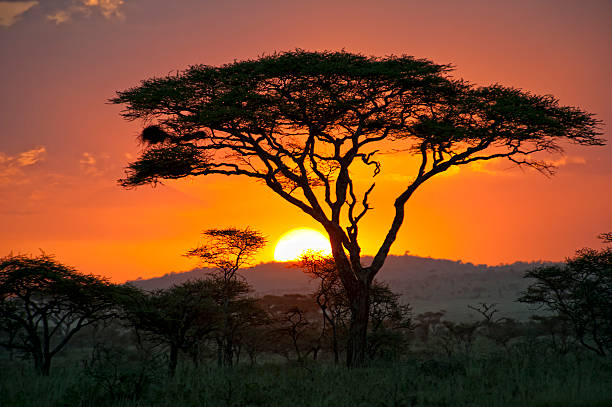
A comprehensive guide to Safari Cold Night Temperature Preparation. Learn everything you need to know for your safari adventure.
Safari Cold Night Temperature Preparation
Every safari destination in Africa has its own character, and safari cold night temperature preparation varies accordingly. This guide helps you understand the nuances so you can make informed decisions for your specific itinerary.
Understanding the Fundamentals: Safari Cold Night Temperature Preparation
The foundation of safari cold night temperature preparation begins with understanding the basic principles. Safari environments across Africa present unique conditions that differ significantly from what most travelers are accustomed to. In East Africa, the vast savannas of Kenya and Tanzania create one set of considerations, while the dense forests of Uganda and Rwanda present entirely different challenges. Southern African destinations like Botswana and South Africa add yet another dimension.
Experienced safari operators emphasize that preparation is the single most important factor in safari cold night temperature preparation. This means doing your research well in advance, consulting with knowledgeable advisors, and being willing to adapt your plans based on current conditions. The best safari experiences come from travelers who approach their journey with both enthusiasm and informed flexibility.
Still researching? Let us help.
Our advisory team has planned safaris across 9 African countries. We can turn your research into a real plan.
Talk to an AdvisorRegional Considerations Across Africa
Central and West African destinations, including Uganda, Rwanda, and the Congo, offer specialized experiences like gorilla trekking that bring their own set of requirements. These destinations often involve more challenging terrain and different logistical considerations compared to the classic savanna safari.
East African safaris, particularly in Kenya and Tanzania, have their own distinct approach to safari cold night temperature preparation. The Serengeti-Mara ecosystem, which hosts the Great Migration, requires specific planning considerations that differ from destinations like Amboseli or Ngorongoro. Understanding these regional differences is crucial for optimizing your experience.
Expert Recommendations
Safari advisors consistently recommend starting your planning process at least six to twelve months before your intended travel dates. This lead time allows you to secure preferred accommodations, take advantage of early booking rates, and properly prepare for all aspects of safari cold night temperature preparation.
Working with a qualified safari planning guide can significantly improve your experience with safari cold night temperature preparation. Advisors who have personal experience in your chosen destinations can provide insights that no guidebook or website can match. They understand the subtle differences between properties, the best times to visit specific areas, and how to structure an itinerary that maximizes your time.
Seasonal Factors and Timing
The timing of your safari significantly impacts safari cold night temperature preparation. Dry season months, typically June through October in most East African destinations, offer different conditions than the green season months of November through May. Each period has distinct advantages and considerations.
Peak season brings excellent wildlife viewing but also higher prices and more crowded parks. Shoulder seasons offer a balance of good conditions and fewer crowds. Understanding how seasonal factors affect safari cold night temperature preparation helps you choose the optimal time for your specific priorities.
Done Reading? Let's Build Your Safari.
Skip the guesswork. Work with an advisor who has been on the ground across East and Southern Africa.
Plan With UsAdvanced Layering and Fabric Choices
Effective safari cold night temperature preparation goes beyond simply packing a jacket. The key is a strategic layering system using modern technical fabrics. Start with a moisture-wicking base layer, preferably made of merino wool, which insulates even when damp and naturally resists odor. Your mid-layer should be a fleece or down vest that traps body heat efficiently. For your outer layer, a windproof and water-resistant jacket is essential, not just for rain but to block the biting wind during early morning and late-night game drives in an open vehicle. Avoid cotton, as it loses its insulating properties when wet and can make you colder.
Case Study: Experiencing the Chill in Ngorongoro Crater
Consider a typical June evening on the rim of Tanzania's Ngorongoro Crater, which sits at an altitude of over 7,500 feet (2,286 meters). While daytime temperatures inside the crater might be a pleasant 70°F (21°C), the temperature on the rim can plummet to near freezing, sometimes as low as 40°F (4°C), shortly after sunset. A traveler who only packed light sweaters would find themselves uncomfortably cold, unable to enjoy a sundowner or the stunning night sky. An adequately prepared traveler, however, would have their layers: a merino wool base, a thick fleece jacket, and an insulated outer shell, complemented by a beanie and gloves. This preparation makes the difference between shivering in your tent and comfortably enjoying the magical high-altitude environment.
Beyond Clothing: Essential Cold-Weather Accessories
While clothing is primary, several other small items are indispensable for safari cold night temperature preparation. Many high-quality safari camps and lodges provide hot water bottles in your bed as part of their turndown service—a welcome touch of warmth. However, you should also pack your own accessories. A warm beanie or winter hat is crucial, as significant body heat is lost through your head. A pair of gloves and warm wool socks will keep your extremities comfortable during chilly game drives. These small additions take up minimal luggage space but have an outsized impact on your overall comfort.
Related Resources
For more information on planning your safari, explore our destination guides, browse the safari operator directory, or connect with an experienced safari planning guide for personalized guidance.
High-Altitude Lodges and Cold-Weather Amenities
Many premier safari destinations are located at high altitudes, where cold nights are the norm, and luxury lodges have adapted accordingly. For instance, lodges on the rim of the Ngorongoro Crater, such as the Ngorongoro Serena Safari Lodge or the andBeyond Ngorongoro Crater Lodge, are built with stone and feature central heating and wood-burning fireplaces in common areas to create a warm, inviting atmosphere after a cold evening game drive. In your room, you can expect thick duvets, extra blankets, and often a complimentary hot water bottle tucked into your bed during the evening turndown service. Similarly, in Botswana's Okavango Delta, camps like Mombo Camp and Vumbura Plains Camp provide multi-layered bedding and canvas tents designed to retain heat, ensuring a cozy night's sleep despite the winter chill from June to August.
Vehicle Types and Their Impact on Warmth
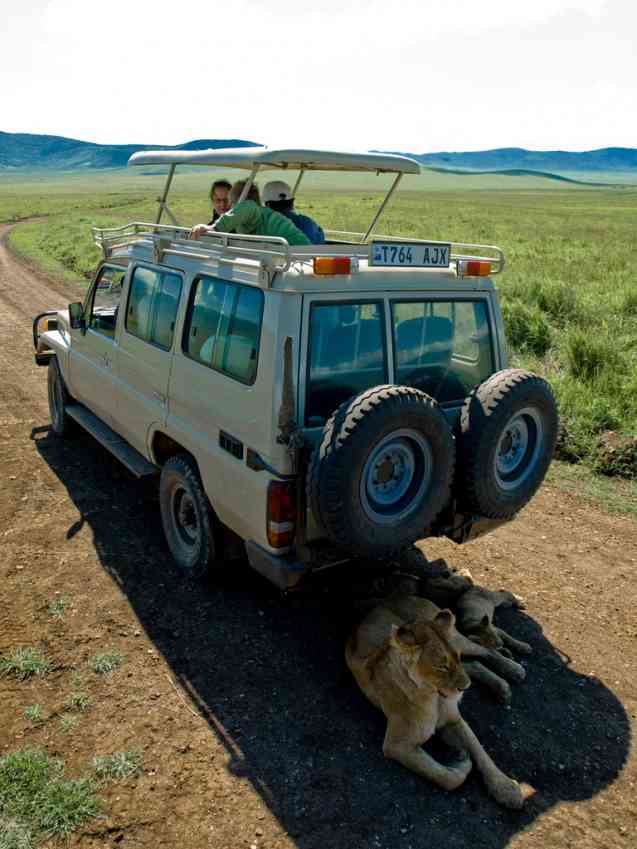
The type of safari vehicle you'll be in plays a significant role in your cold-weather preparation. In East Africa (Kenya and Tanzania), closed-sided vehicles with pop-top roofs are common. These offer more protection from wind and cold, though it can still be brisk when the roof is open. In contrast, Southern Africa (Botswana, Zambia, Zimbabwe, and South Africa) predominantly uses completely open-sided vehicles. While these offer unparalleled photographic opportunities and a more immersive experience, they expose you to the full force of the wind chill. A 6 AM game drive in an open vehicle in Botswana's winter can be bracingly cold. For these drives, lodges often provide fleece-lined ponchos or heavy blankets, but you should not rely solely on them. Your personal layering system, including a windproof outer jacket, beanie, and gloves, is your primary defense against the cold.
Detailed Cold-Weather Safari Packing Checklist
To ensure you are fully prepared, consider this checklist when packing for a safari in a destination known for cold nights. Proper preparation prevents discomfort from detracting from the magical experience of an African sunrise or the nocturnal sounds of the bush.
| Clothing Item | Fabric/Type Recommendation | Quantity | Purpose | |---------------------------|------------------------------------|----------|------------------------------------------------| | Base Layer | Merino Wool or Synthetic | 2-3 | Moisture-wicking and odor-resistant insulation | | Mid-Layer | Fleece Jacket or Down Vest | 1-2 | Traps body heat for core warmth | | Outer Layer | Windproof & Water-Resistant Jacket | 1 | Blocks wind chill on drives and protects from rain | | Warm Trousers | Fleece-lined or durable cotton | 2 pairs | For evenings and early mornings | | Headwear | Beanie or fleece-lined hat | 1 | Prevents heat loss from the head | | Handwear | Insulated Gloves or Mittens | 1 pair | Keeps hands warm during cold drives | | Socks | Wool or thermal blend | 3-4 pairs| Essential for keeping feet warm and dry | | Scarf or Buff | Fleece or wool | 1 | Protects neck and face from wind and dust |
This systematic approach to packing ensures you can comfortably enjoy every moment of your safari, from the coldest pre-dawn game drives to stargazing on a clear, crisp night. For more packing advice, connect with one of our safari operators who can offer personalized recommendations based on your specific itinerary.
Need Expert Safari Guidance?
Get expert advisory support from a firm founded by a former safari guide — with real operational knowledge across 9 African countries and full-journey accountability.
Related Planning Guides
Recommended Reading
 Travel Logistics
Safari Noise and Wildlife at Night
A comprehensive guide to Safari Noise and Wildlife at Night. Learn everything you need to know for your safari adventure.
 Travel Logistics
Safari Power Outage Preparation
A comprehensive guide to Safari Power Outage Preparation. Learn everything you need to know for your safari adventure.
 Travel Logistics
Safari Dust Storm Preparation
A comprehensive guide to Safari Dust Storm Preparation. Learn everything you need to know for your safari adventure.
 Safari Comparison Articles
Night Safari vs Day Safari Comparison
An in-depth comparison of Night Safari vs Day Safari Comparison to help you choose the perfect safari experience. Explore the pros, cons, and key differences to
 Packing & Preparation
Safari Fitness Preparation Guide
Learn all about Safari Fitness Preparation Guide in this comprehensive guide.
 Safari Safety
Night Safari Safety
Planning a night safari? Our guide covers essential safety tips, what to wear, and the best destinations for nocturnal wildlife encounters in Africa.