
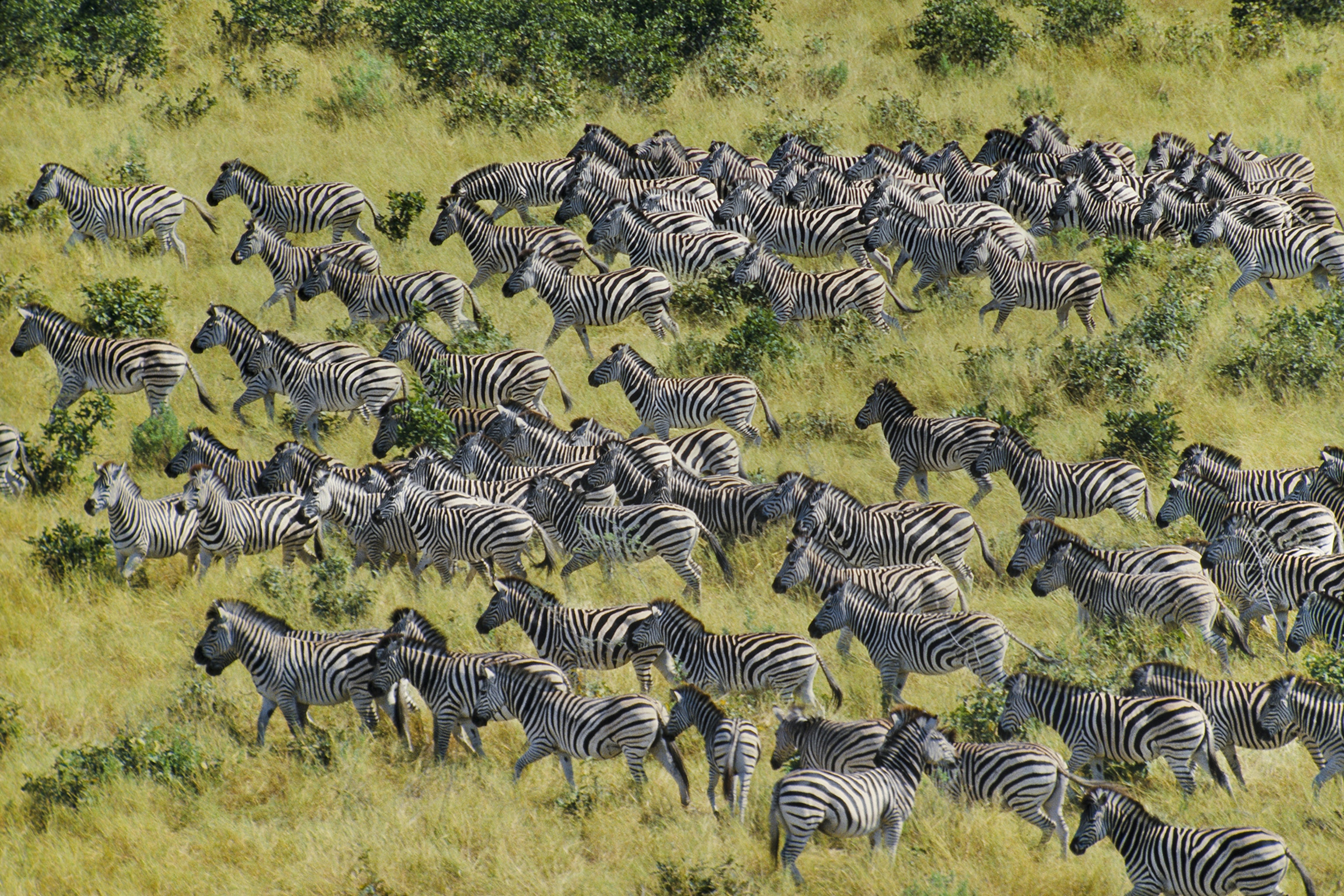
A comprehensive guide to Safari Sleep Quality Tips at Lodges. Learn everything you need to know for your safari adventure.
Safari Sleep Quality Tips at Lodges
Africa offers some of the most incredible wildlife experiences on Earth, and getting safari sleep quality tips at lodges right is essential to making the most of your journey. Here is what experienced safari guides and advisors recommend.
Expert Recommendations
Working with a qualified safari planning guide can significantly improve your experience with safari sleep quality tips at lodges. Advisors who have personal experience in your chosen destinations can provide insights that no guidebook or website can match. They understand the subtle differences between properties, the best times to visit specific areas, and how to structure an itinerary that maximizes your time.
Budget considerations play an important role in safari sleep quality tips at lodges. While it is tempting to cut corners, experienced travelers consistently report that investing in quality where it matters most leads to significantly better outcomes. The key is knowing where to allocate your budget for maximum impact.
Still researching? Let us help.
Our advisory team has planned safaris across 9 African countries. We can turn your research into a real plan.
Talk to an AdvisorUnderstanding the Fundamentals
Experienced safari operators emphasize that preparation is the single most important factor in safari sleep quality tips at lodges. This means doing your research well in advance, consulting with knowledgeable advisors, and being willing to adapt your plans based on current conditions. The best safari experiences come from travelers who approach their journey with both enthusiasm and informed flexibility.
The foundation of safari sleep quality tips at lodges begins with understanding the basic principles. Safari environments across Africa present unique conditions that differ significantly from what most travelers are accustomed to. In East Africa, the vast savannas of Kenya and Tanzania create one set of considerations, while the dense forests of Uganda and Rwanda present entirely different challenges. Southern African destinations like Botswana and South Africa add yet another dimension.
Seasonal Factors and Timing: Safari Sleep Quality Tips at Lodges
Peak season brings excellent wildlife viewing but also higher prices and more crowded parks. Shoulder seasons offer a balance of good conditions and fewer crowds. Understanding how seasonal factors affect safari sleep quality tips at lodges helps you choose the optimal time for your specific priorities.
Weather patterns across Africa are becoming less predictable due to climate change, which adds another layer of consideration to safari sleep quality tips at lodges. Working with operators who have current, on-the-ground knowledge of conditions is more important than ever.
Common Mistakes to Avoid
One of the most frequent mistakes travelers make with safari sleep quality tips at lodges is waiting too long to start planning. Popular safari destinations and lodges book up months in advance, especially during peak season. Last-minute planning often results in limited options and higher costs.
Underestimating the importance of safari sleep quality tips at lodges is perhaps the biggest mistake of all. Travelers who give this aspect of their safari proper attention consistently report more satisfying experiences than those who treat it as an afterthought.
Done Reading? Let's Build Your Safari.
Skip the guesswork. Work with an advisor who has been on the ground across East and Southern Africa.
Plan With UsManaging the Nighttime Symphony of the Bush
One of the most unforgettable aspects of a safari is the soundscape of the African night. However, for light sleepers, the very sounds that make the experience magical—a lion's roar in the distance, the whooping call of a hyena, or the grunting of hippos—can disrupt sleep. In areas like the Serengeti in Tanzania or the Okavango Delta in Botswana, wildlife is active throughout the night. For instance, guests at lodges along the Mara River in Kenya's Maasai Mara often hear hippos grazing and vocalizing just outside their tents, a sound that is both thrilling and surprisingly loud. Similarly, the deep, guttural calls of lions can travel for miles across the savanna, and while awe-inspiring, they can be startling to the uninitiated.
To manage this, consider bringing high-quality foam earplugs or noise-canceling headphones. Alternatively, a white noise app on your phone can help mask sudden or unfamiliar noises, creating a more consistent auditory environment. It's also a matter of mindset; mentally preparing yourself and reframing these sounds as an integral part of the authentic safari experience can help you relax. Before your trip, listening to recordings of African night sounds can help familiarize you with the calls of different animals, turning a potential disturbance into an exciting part of your adventure.
Lodge Selection and Your Sleep: Tented Camps vs. Solid Structures
The type of accommodation you choose has a direct impact on your sleep quality. Tented camps, while offering an incredibly immersive connection to the wilderness, provide less sound insulation than lodges with solid walls. At a classic tented camp like Governors' Camp in the Maasai Mara, you are separated from the outside world by canvas, meaning every rustle and call is audible. While many travelers find this to be a highlight of their safari, it may not be ideal for those who require silence for a good night's rest.
In contrast, a lodge with stone or brick cottages, such as the Serena Safari Lodge in the Ngorongoro Crater, offers a more insulated and quieter environment, shielding you from the majority of nighttime sounds. When booking your safari, discuss your sleep preferences with your safari planning guide. They can recommend properties based on their construction and location. If you are a particularly light sleeper, requesting a room or tent further away from central areas, water sources, or known animal pathways can make a significant difference. For example, in Uganda's Bwindi Impenetrable Forest, lodges situated deeper in the forest will have different ambient sounds—like the calls of forest elephants or primates—compared to those on the edge of a local village.
Related Resources
For more information on planning your safari, explore our destination guides, browse the safari operator directory, or connect with an experienced safari planning guide for personalized guidance.
Mastering Your Immediate Sleep Environment
Beyond the ambient sounds of the bush, your immediate sleep sanctuary plays a critical role. Temperature, light, and insects are three key factors you can often control. In high-altitude destinations like the Ngorongoro Highlands in Tanzania, nights can be surprisingly cold. Lodges such as the Ngorongoro Serena Lodge or Gibbs Farm often provide hot water bottles in your bed as part of their turndown service—a simple but incredibly effective comfort. Conversely, in low-lying, humid regions like Zambia's Luangwa Valley or South Africa's Sabi Sand Game Reserve, especially from October to March, air conditioning or powerful fans are essential. When booking, inquire about the cooling systems at lodges like Lion Sands Ivory Lodge, which offers climate-controlled suites.
Light sensitivity can also be an issue. While most lodges are designed to minimize artificial light pollution, the African moon can be intensely bright. If you are sensitive to light, packing a comfortable eye mask is a wise precaution. Furthermore, ensure your tent or room's curtains are fully drawn. Most reputable lodges provide high-quality mosquito nets, which should be properly tucked under your mattress on all sides. This not only protects you from mosquito bites—a key malaria prevention strategy in many regions—but also creates a psychological sense of a secure personal space, which can aid relaxation.
Mitigating Jet Lag for a Restful Start
For most travelers, reaching Africa involves a long-haul flight across multiple time zones, making jet lag a significant threat to sleep quality. Effective management begins before you even depart. A few days before your flight, start shifting your sleep schedule by an hour or two towards your destination's time zone. During the flight, prioritize hydration with water and avoid excessive alcohol and caffeine, which dehydrate you and disrupt sleep patterns.
Upon arrival at major hubs like Johannesburg's O.R. Tambo International Airport (JNB) or Nairobi's Jomo Kenyatta International Airport (NBO), resist the urge to take a long nap. Instead, expose yourself to natural sunlight as much as possible, which helps reset your body's internal clock. A gentle walk around the lodge grounds or a relaxed afternoon activity is far more beneficial than sleeping. For your first night, plan a light dinner and avoid screen time an hour before bed. By proactively managing the effects of travel, you set the stage for restorative sleep from the very first night, ensuring you are energized for the incredible safari adventures ahead. For more tailored advice, our safari operators can help structure your arrival day for a seamless transition.
Need Expert Safari Guidance?
Get expert advisory support from a firm founded by a former safari guide — with real operational knowledge across 9 African countries and full-journey accountability.
Related Planning Guides
Recommended Reading
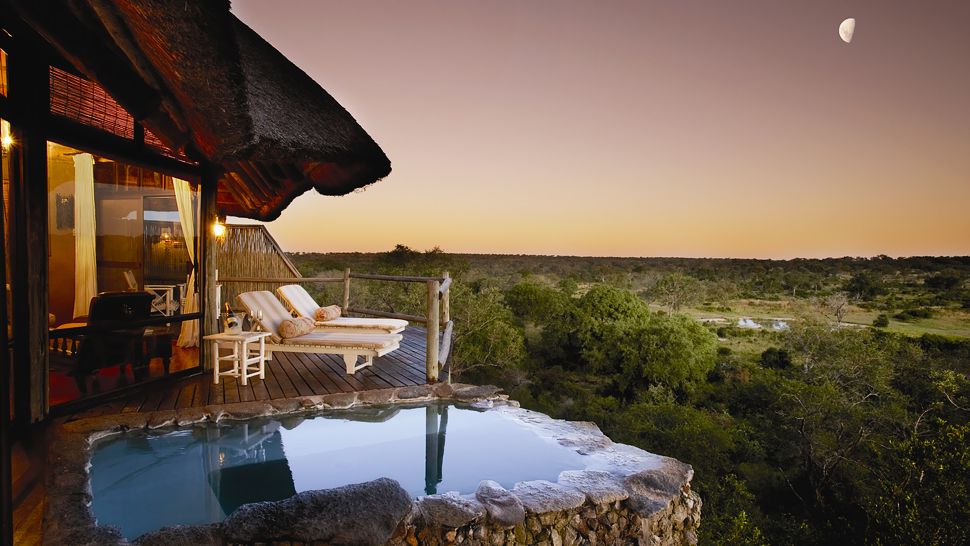 Packing & Preparation
Safari Sleep Preparation Tips
Learn all about Safari Sleep Preparation Tips in this comprehensive guide.
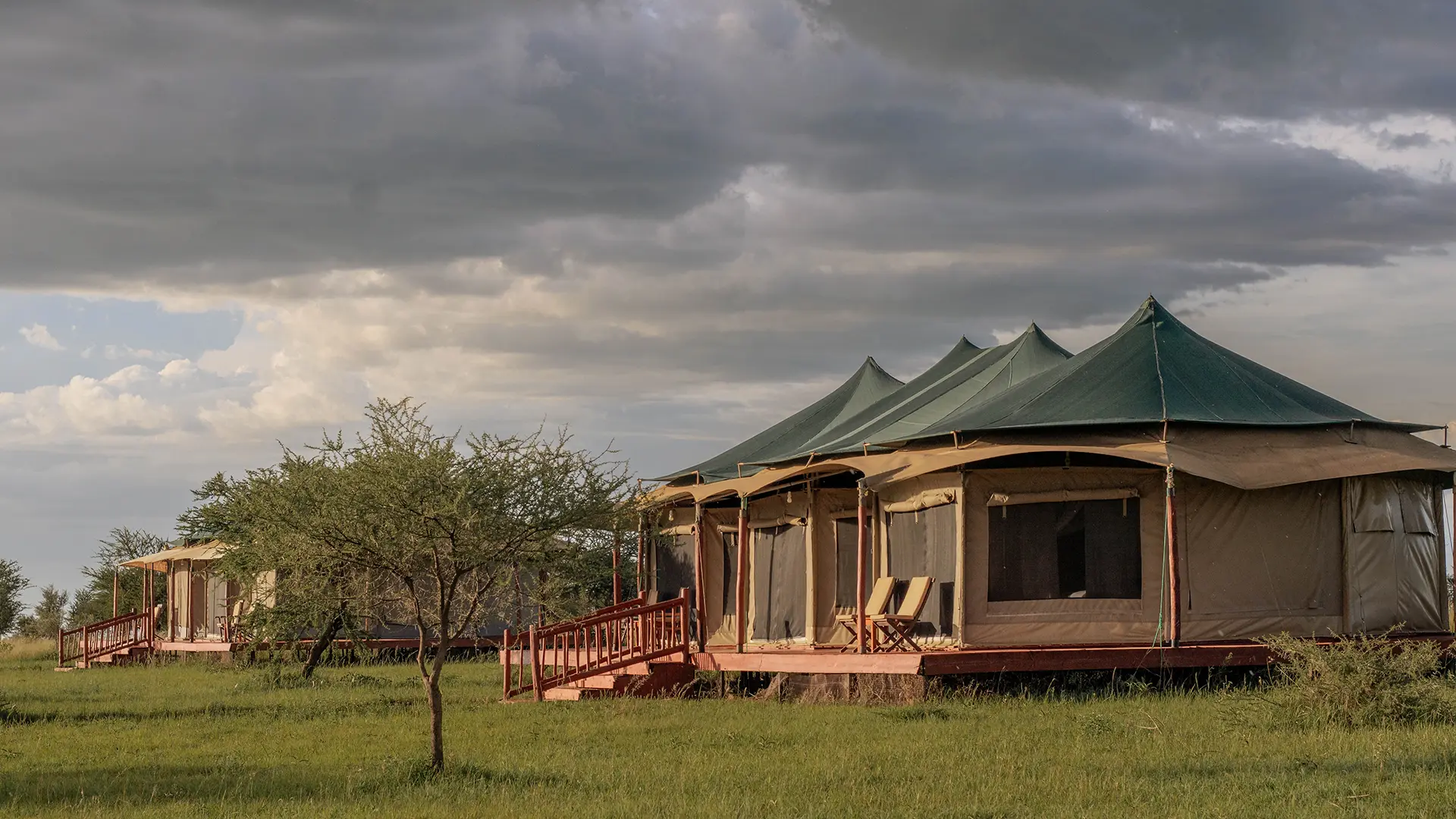 Travel Logistics
Safari Lodge Amenities Guide
From plunge pools to pizza ovens, safari lodges offer a surprising range of amenities. Our guide will help you know what to expect at your home in the bush.
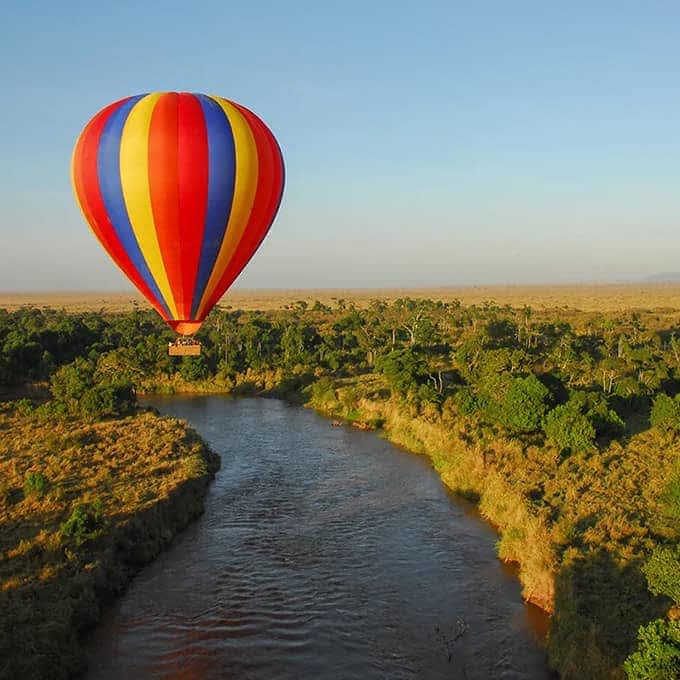 Travel Logistics
Safari Laundry Services at Lodges
Packing light for a safari is easy when you can do laundry along the way. Our guide to laundry services at safari lodges will help you keep your clothes fresh a
 Travel Logistics
Safari WiFi Availability at Lodges
Learn about safari wifi availability at lodges in this comprehensive safari guide.
 Safari Planning Guides
How to Choose Between a Lodge Safari and Camping Safari
Discover how to plan your dream safari with our expert guide on How to Choose Between a Lodge Safari and Camping Safari. Get tips on destinations, costs, and more.
 Safari Comparison Articles
Lodge Safari vs Tented Camp Safari
An in-depth comparison of Lodge Safari vs Tented Camp Safari to help you choose the perfect safari experience. Explore the pros, cons, and key differences to ma