

The bumpy roads on safari can be a challenge for those who suffer from motion sickness. Our guide will help you prevent and treat this common ailment.
About Safari Motion Sickness on Game Drives
This in-depth guide explores safari motion sickness on game drives, providing essential information for anyone planning an African safari. Understanding this topic thoroughly will help you make informed decisions and have a more rewarding safari experience. Africa's safari industry continues to evolve, and staying informed about the latest developments ensures you get the best possible experience.
Why This Matters for Your Safari
Safari Motion Sickness on Game Drives is an important consideration for safari travelers. Whether you're a first-time visitor or a returning enthusiast, understanding the nuances of this topic can significantly impact your trip. From choosing the right destinations to selecting appropriate operators, every decision builds on foundational knowledge. Our safari operators can provide personalized guidance based on your specific needs.
Still researching? Let us help.
Our advisory team has planned safaris across 9 African countries. We can turn your research into a real plan.
Talk to an AdvisorKey Insights and Recommendations
Based on extensive industry experience and traveler feedback, several key insights emerge. First, research is your best investment, as the more you know before booking, the better your experience will be. Second, flexibility in timing and destinations often leads to better value and fewer crowds. Third, working with experienced professionals, whether guides, operators, or advisors, consistently produces superior outcomes. Explore our knowledge center for more detailed articles on related topics.
Practical Applications
Putting this knowledge into practice starts with your planning process. Begin by identifying your priorities, whether that's specific wildlife encounters, landscape preferences, or cultural experiences. Then use resources like our destination guides, cost calculator, and operator directory to build an itinerary that aligns with your goals. Don't rush the planning process, as a well-planned safari is almost always more rewarding than a hastily arranged one.
Further Reading
To deepen your understanding, explore related articles in our knowledge center. Each guide is written by safari industry professionals with firsthand experience across Africa's top destinations. For personalized advice, our safari planning guidey team is available to answer your questions and help refine your plans.
Done Reading? Let's Build Your Safari.
Skip the guesswork. Work with an advisor who has been on the ground across East and Southern Africa.
Plan With UsUnderstanding the Root Causes of Motion Sickness on Safari
Motion sickness, or kinetosis, is a common disturbance of the inner ear that is caused by repeated motion. On a safari, several factors converge to create a perfect storm for this condition. The unpaved, bumpy, and often unpredictable nature of safari trails is the primary culprit. Unlike smooth city roads, these tracks are designed for minimal environmental impact, not for comfort. Your body, and specifically your inner ear's vestibular system, struggles to reconcile the conflicting signals it receives from your eyes, which see a relatively stable horizon inside the vehicle, and the constant, jarring movements.
Furthermore, game drives often involve long hours in the vehicle, frequent stops and starts, and slow, circling movements when wildlife is spotted. This erratic pattern of motion can be particularly disorienting. Imagine tracking a leopard through dense bush; the vehicle will lurch, tilt, and reverse, all while your eyes are fixed on the elusive cat. This sensory mismatch is the very definition of what triggers motion sickness. The heat and dust of the African bush can also be contributing factors, creating a generally uncomfortable environment that can exacerbate feelings of nausea.
> Expert Insight: The type of vehicle plays a significant role. Open-sided 4x4 vehicles, common in Southern Africa, offer better visibility and airflow, which can help some travelers. However, the trade-off is greater exposure to the elements. In contrast, the pop-top safari vans used in some parts of East Africa might feel more enclosed, potentially worsening symptoms for those prone to claustrophobia-induced nausea. We discuss this in more detail in our guide to choosing a safari vehicle.
Proactive Strategies to Minimize Motion Sickness
Preparation is your best defense against motion sickness. Weeks before you travel, it's wise to consult your doctor about your concerns. They can provide personalized advice and prescribe medication if necessary. Beyond medical consultation, several practical strategies can make a world of difference on your game drives.
First, choose your seat wisely. The front seat, next to the driver, is often the most stable and offers a clear, forward-facing view of the road ahead. This helps your brain align the motion it feels with the motion it sees. If the front seat is taken, a seat over the vehicle's axles is the next best option, as this area experiences less bouncing than the seats at the very back. When you plan your safari, you can discuss these preferences with your safari planning guide, who can relay them to the ground operators.
Second, manage your diet. On the morning of a game drive, avoid heavy, greasy, or acidic foods. A light breakfast of toast, fruit, and water is a much safer bet. It's also crucial to stay hydrated. Dehydration can amplify the symptoms of motion sickness, so sip water regularly throughout the drive. Avoid excessive alcohol consumption the night before, as a hangover will only heighten your sensitivity to motion.
Third, focus on the horizon. When the vehicle is moving, try to keep your eyes fixed on a stable point in the distance. This simple act helps your brain make sense of the motion. Avoid reading, looking at your phone, or using binoculars for extended periods while the vehicle is in motion. If you need to check a map or a guidebook, do so during stops.
The Role of Your Safari Vehicle and Seating Position
The design of your safari vehicle and your position within it are critical factors in managing motion sickness. Most safari operators use either open-sided 4x4 Land Cruisers or Land Rovers, or closed-sided minivans with pop-up roofs. The former, prevalent in countries like Botswana, Zambia, and South Africa, offer a more immersive experience and better ventilation. The constant airflow can be a powerful antidote to nausea.
In contrast, the safari minivans common in Kenya and Tanzania can sometimes feel more confining. However, they often provide a smoother ride on paved sections of road between parks. When booking your safari, it's worth inquiring about the type of vehicles used. Our safari cost calculator can give you an idea of how vehicle choice might impact the overall price of your trip.
> Traveler's Tip: Don't be shy about your needs. On your first day, have a quiet word with your guide about your tendency for motion sickness. They are experienced professionals who have dealt with this many times before. They can ensure you get a preferred seat, make more frequent stops for fresh air, and drive with extra care. A good guide wants you to have the best possible experience.
Communicating Your Needs to Your Safari Guide
Your safari guide is your most valuable ally in the fight against motion sickness. These men and women are not just wildlife experts; they are seasoned bush drivers who understand the nuances of their vehicles and the terrain. Open communication is key. Before you even set out, let your guide know that you are prone to motion sickness.
This allows them to take several proactive steps. They can reserve the front seat for you, adjust their driving style to be smoother, and take corners with greater care. They can also plan the route to avoid particularly rough patches of road where possible. Furthermore, they can build extra short breaks into the game drive, allowing you to step out of the vehicle, stretch your legs, and breathe some fresh air. Remember, their goal is to provide you with an unforgettable safari experience, and they cannot do that if you are feeling unwell. Your comfort is their priority, but they can only help if you communicate your needs clearly and politely.
Need Expert Safari Guidance?
Get expert advisory support from a firm founded by a former safari guide — with real operational knowledge across 9 African countries and full-journey accountability.
Related Planning Guides
Recommended Reading
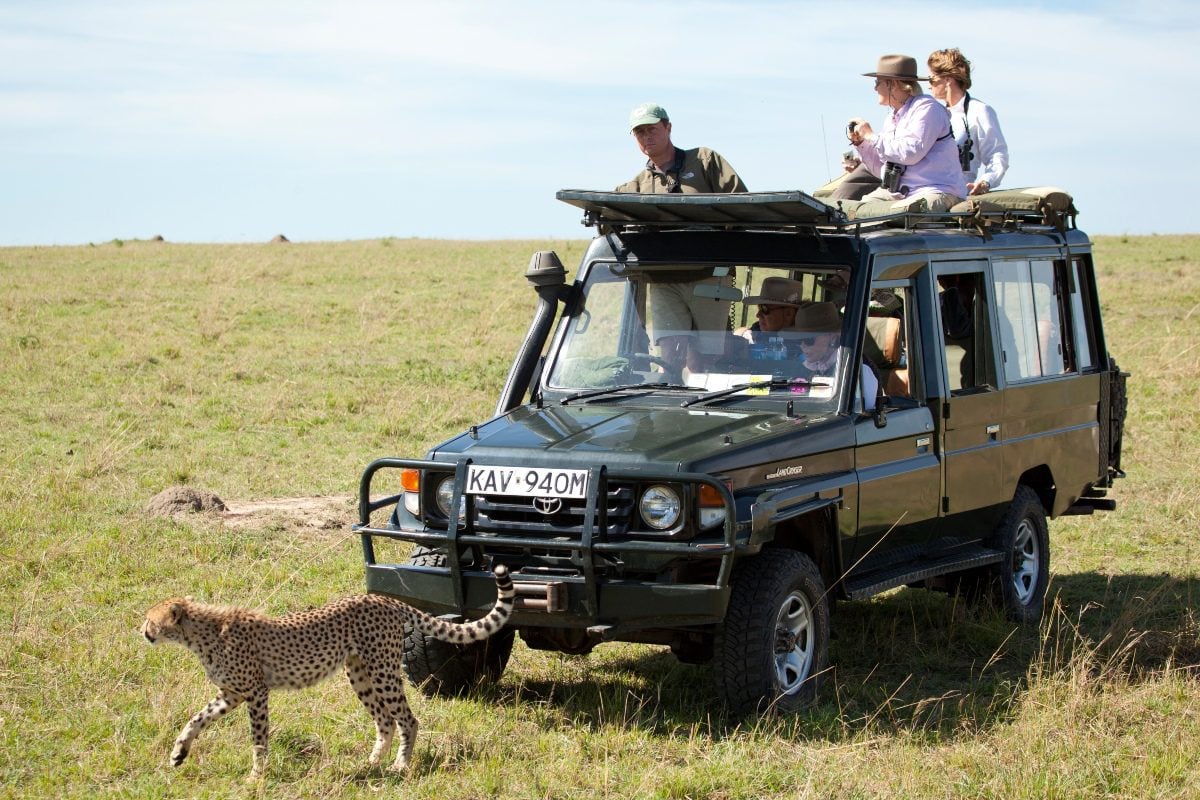 Safari Travel Tips
Safari Game Drive Etiquette
Learn the essential safari game drive etiquette to ensure a safe, respectful, and unforgettable wildlife experience in Africa. Your guide to responsible travel.
 Travel Logistics
Safari Altitude Sickness at Mountain Destinations
Learn about safari altitude sickness at mountain destinations in this comprehensive safari guide.
 Travel Logistics
Safari Homesickness Tips for Long Trips
Homesickness can be a challenge on a long trip. Our guide will help you cope with homesickness and enjoy your extended safari adventure.
 Safari Comparison Articles
Safari Train vs Safari Drive
An in-depth comparison of Safari Train vs Safari Drive to help you choose the perfect safari experience. Explore the pros, cons, and key differences to make an
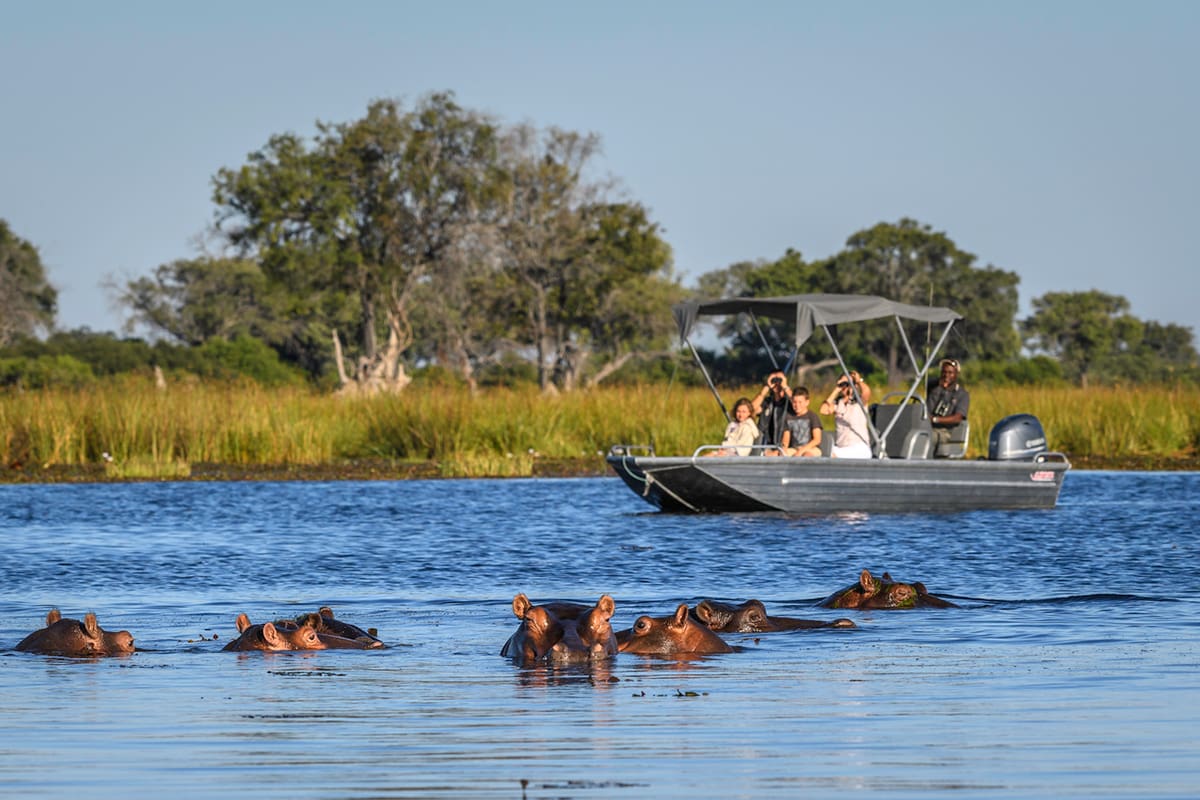 Safari Planning Guides
How to Plan a Safari With Night Drives
Discover how to plan your dream safari with our expert guide on How to Plan a Safari With Night Drives. Get tips on destinations, costs, and more.
 Destination Guides
Best Safari Destinations for Night Drives
Discover everything you need to know about Best Safari Destinations for Night Drives. From wildlife and landscapes to lodges and activities, this guide covers i