
An in-depth comparison of Safari Train vs Safari Drive to help you choose the perfect safari experience. Explore the pros, cons, and key differences to make an
Safari Train vs Safari Drive
When it comes to safari train vs safari drive, there is no shortage of opinions. This evidence-based guide cuts through the noise to give you actionable, trustworthy information for your safari planning.
Practical Planning Steps: Safari Train vs Safari Drive
Step two involves researching your options thoroughly. Compare different destinations, operators, and approaches to safari train vs safari drive. Read reviews from verified travelers, consult with safari operators, and cross-reference information from multiple sources.
Step one in addressing safari train vs safari drive is to clearly define your priorities and expectations. Are you focused on specific wildlife sightings, cultural experiences, photography opportunities, or a combination? Your answer will shape every subsequent decision.
Still researching? Let us help.
Our advisory team has planned safaris across 9 African countries. We can turn your research into a real plan.
Talk to an AdvisorCommon Mistakes to Avoid: Safari Train vs Safari Drive
Underestimating the importance of safari train vs safari drive is perhaps the biggest mistake of all. Travelers who give this aspect of their safari proper attention consistently report more satisfying experiences than those who treat it as an afterthought.
One of the most frequent mistakes travelers make with safari train vs safari drive is waiting too long to start planning. Popular safari destinations and lodges book up months in advance, especially during peak season. Last-minute planning often results in limited options and higher costs.
Safety and Health Considerations
Safety is paramount when it comes to safari train vs safari drive on safari. Reputable operators maintain strict safety protocols and employ experienced guides who are trained to handle a wide range of situations. Always verify that your chosen operator has proper licensing, insurance, and safety certifications.
Health preparation is an essential component of safari train vs safari drive. Consult with a travel medicine specialist at least six weeks before your departure to discuss vaccinations, malaria prophylaxis, and other health precautions specific to your destinations.
Travel insurance that specifically covers safari activities is strongly recommended. Standard travel insurance policies may not cover all the activities and situations you might encounter on an African safari. Ensure your policy covers medical evacuation, trip cancellation, and activity-specific risks.
Expert Recommendations
Budget considerations play an important role in safari train vs safari drive. While it is tempting to cut corners, experienced travelers consistently report that investing in quality where it matters most leads to significantly better outcomes. The key is knowing where to allocate your budget for maximum impact.
Working with a qualified safari planning guide can significantly improve your experience with safari train vs safari drive. Advisors who have personal experience in your chosen destinations can provide insights that no guidebook or website can match. They understand the subtle differences between properties, the best times to visit specific areas, and how to structure an itinerary that maximizes your time.
Safari advisors consistently recommend starting your planning process at least six to twelve months before your intended travel dates. This lead time allows you to secure preferred accommodations, take advantage of early booking rates, and properly prepare for all aspects of safari train vs safari drive.
Done Reading? Let's Build Your Safari.
Skip the guesswork. Work with an advisor who has been on the ground across East and Southern Africa.
Plan With UsThe Wildlife Viewing Experience: Train vs. 4x4 Vehicle
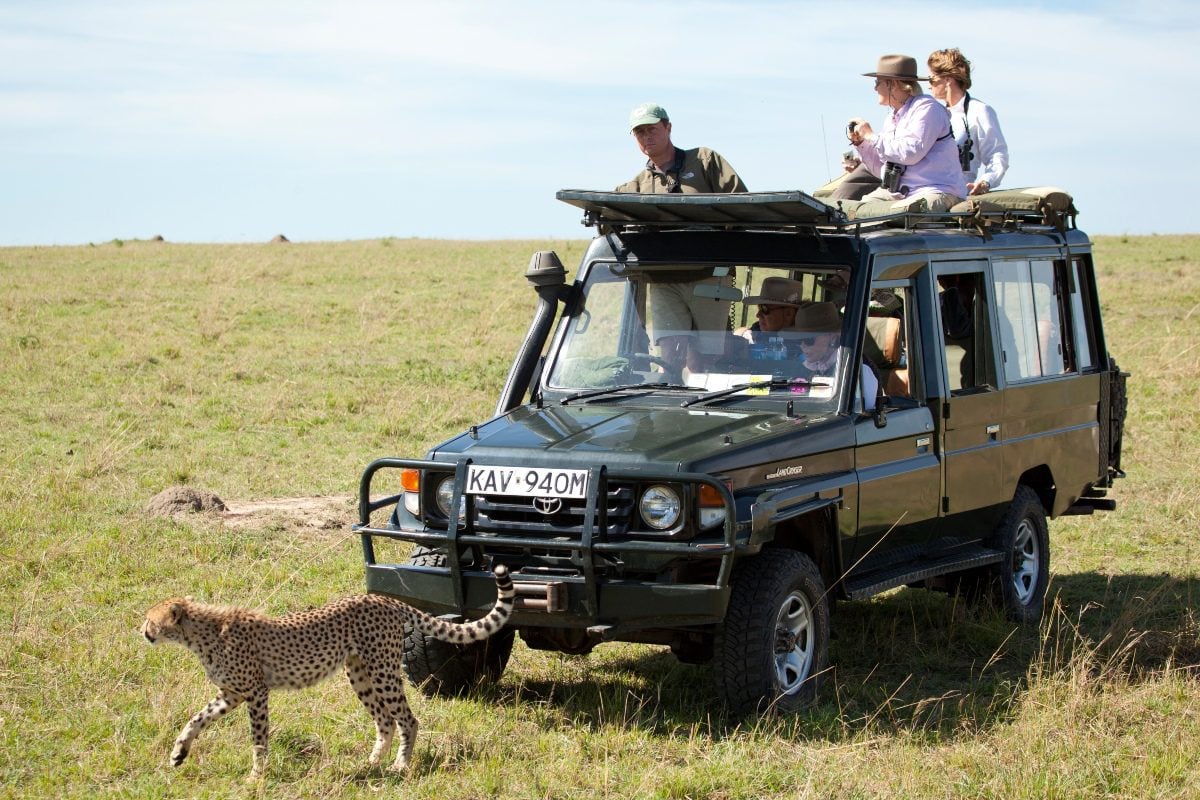
Choosing between a safari train and a traditional 4x4 safari vehicle directly impacts your wildlife viewing opportunities. A safari drive in a 4x4 vehicle, especially in renowned parks like the Serengeti in Tanzania or the Maasai Mara in Kenya, offers unparalleled proximity to wildlife. Guides can go off-road in many private conservancies, tracking specific animals like a leopard on the hunt or a pride of lions at a kill. This flexibility is essential for photographers and those with a specific wildlife checklist. You have the freedom to stop whenever you want, wait for the perfect lighting, and position the vehicle for the best angle.
In contrast, a safari train journey offers a more panoramic, landscape-oriented view. While you will see wildlife, it is often from a distance. Animals near the railway line are accustomed to the train's presence, but the fixed route means you cannot follow a herd of elephants or get closer to a rare bird sighting. However, trains can traverse vast, remote areas that are inaccessible by road, offering a unique perspective on the scale of the African wilderness. For instance, the TAZARA railway journey passes through the vast Selous Game Reserve (now Nyerere National Park), offering glimpses of giraffes, zebras, and antelopes against a constantly changing backdrop.
Iconic Safari Train Journeys: A Case Study
For a concrete example, consider the choice between a Rovos Rail journey through South Africa and a classic driving safari in Kruger National Park. A family with multi-generational members, including older grandparents and young children, might find the Rovos Rail ideal. The train provides exceptional comfort, fine dining, and luxurious sleeper cabins, eliminating the fatigue of long drives on bumpy roads. The journey from Pretoria to Victoria Falls, for example, includes a scheduled game drive at a private reserve near the border. This offers a taste of a traditional safari within a comfortable, all-inclusive travel experience.
Conversely, a passionate wildlife photographer would almost certainly choose a dedicated driving safari in a private concession bordering Kruger. They would hire a private vehicle and guide, allowing them to spend hours at a waterhole waiting for predators or tracking a specific leopard. The ability to dictate the schedule, remove the vehicle's roof for better shots, and communicate directly with an expert guide is invaluable for capturing professional-quality images. This level of control and flexibility is something no train journey can replicate.
Related Resources
For more information on planning your safari, explore our destination guides, browse the safari operator directory, or connect with an experienced safari planning guide for personalized guidance.
In-Depth Comparison: Safari Train vs. Safari Drive
To make an informed decision, a side-by-side comparison is invaluable. The best choice depends entirely on your travel style, priorities, and budget. While a safari train offers a romantic, luxurious, and comfortable way to see the continent, a 4x4 driving safari provides an immersive, flexible, and wildlife-focused experience.
| Feature | Safari Train | Safari Drive (4x4) | | :--- | :--- | :--- | | Wildlife Viewing | Panoramic, distant views from the train. Scheduled game drives in specific locations. | Up-close, immersive encounters. Off-road access in private conservancies for tracking. | | Flexibility & Control | Fixed itinerary and schedule set by the train operator. | Highly flexible. You can linger at sightings, change plans, and have more spontaneity. | | Comfort & Luxury | Exceptional comfort with spacious cabins, fine dining, and en-suite bathrooms. | Varies widely from budget camping to ultra-luxury lodges. Can involve long, bumpy drives. | | Cost | Generally higher initial cost, but often all-inclusive (meals, drinks, excursions). | A wider range of budgets is possible, from more affordable to very expensive. | | Pace of Travel | Relaxed and leisurely, covering vast distances with a sense of old-world elegance. | Can be more fast-paced with early morning and full-day game drives to maximize wildlife viewing. | | Best For | Multi-generational families, travelers prioritizing comfort, and those who enjoy the romance of train travel. | Serious wildlife photographers, adventurous travelers, and those with a specific wildlife checklist. |
Cost and Value Comparison: A Deeper Look
On the surface, a luxury train journey like the Rovos Rail appears significantly more expensive than a driving safari. For instance, the 2-night Durban Safari can range from approximately $2,200 to $4,500 USD per person, depending on the suite. However, this price is largely all-inclusive, covering luxurious accommodation, all meals and beverages, and scheduled excursions like a game drive in the Nambiti Conservancy.
In contrast, the cost of a driving safari is more modular. You might pay a daily rate for a vehicle and guide, plus separate costs for accommodation, park fees, meals, and drinks. While this can offer more budget flexibility, costs can add up quickly, especially when staying at high-end lodges. For a comparable level of luxury, a driving safari could meet or exceed the cost of a train journey. The key is to work with one of our safari operators to create a detailed budget that accounts for all expenses, ensuring there are no surprises.
Real-World Scenario: The Family Vacation vs. The Photographic Expedition
Let's revisit our two traveler types with a more detailed scenario. A family of six, with grandparents in their 70s and children under 12, would find the Rovos Rail Durban Safari an excellent choice. The 3-day journey from Pretoria to Durban is manageable for all ages. The grandparents can relax in the comfort of their suite, enjoying the changing landscapes of the Drakensberg mountains, while the children are thrilled by the novelty of the train. The included game drive at Nambiti offers a fantastic Big Five experience without the fatigue of multiple long days in a vehicle. The entire family can enjoy gourmet meals together in the dining car, creating lasting memories in a comfortable and safe environment.
Meanwhile, a professional photographer aiming to capture images of leopards in the Sabi Sands Game Reserve would find a train journey entirely unsuitable. They would book a private vehicle and guide through a trusted operator for a 5-day stay at a lodge like MalaMala Game Reserve. Their days would start before dawn, tracking predators and waiting patiently for the perfect light. The ability to go off-road, position the vehicle precisely, and communicate with an expert guide is critical to their success. This level of specialization and focus on wildlife is the hallmark of a classic driving safari and something a train journey cannot replicate. For more ideas on destinations, explore our destination guides.
Need Expert Safari Guidance?
Get expert advisory support from a firm founded by a former safari guide — with real operational knowledge across 9 African countries and full-journey accountability.
Related Planning Guides
Recommended Reading
 Safari Comparison Articles
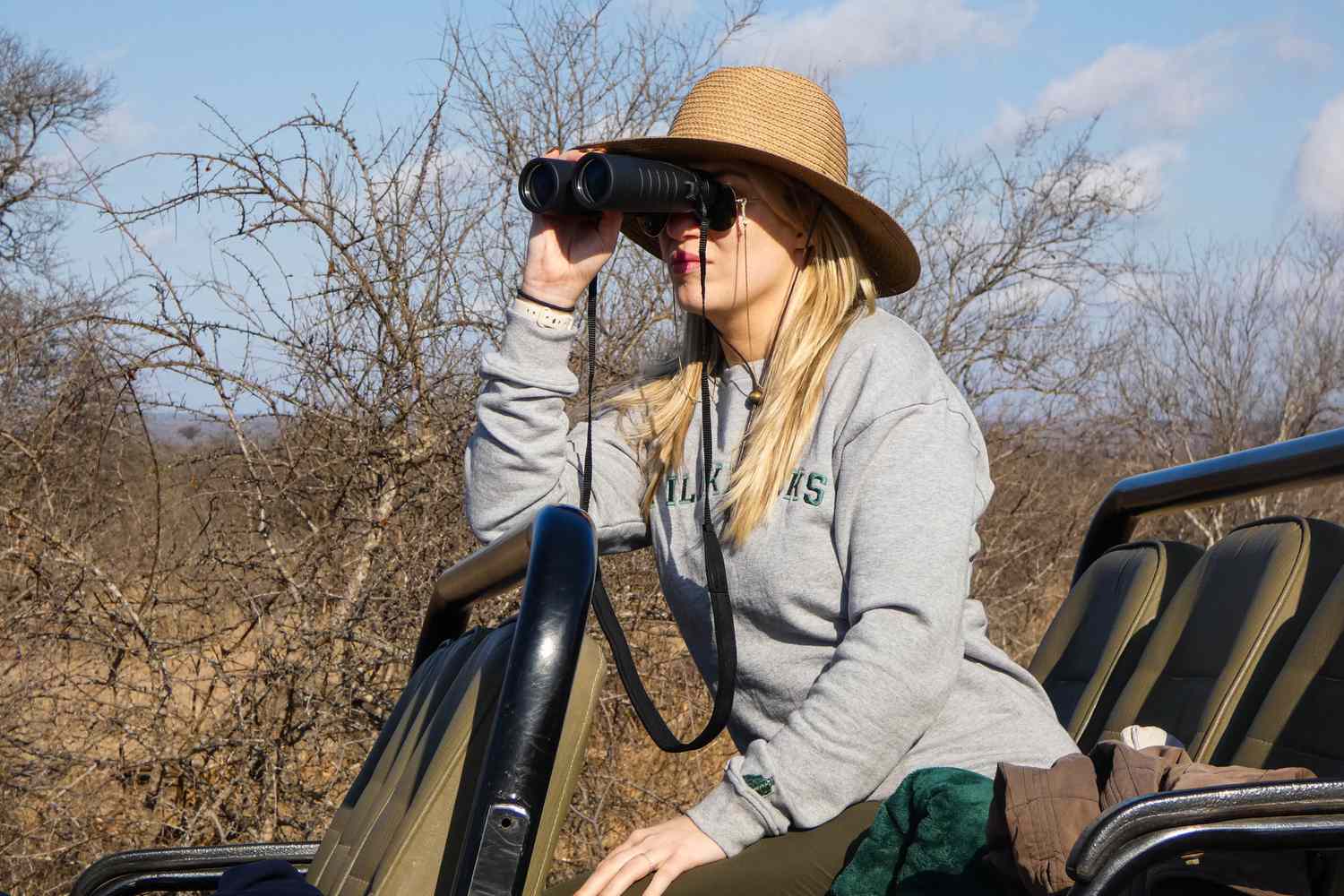
Guided Safari vs Self-Drive Safari in South Africa
An in-depth comparison of Guided Safari vs Self-Drive Safari in South Africa to help you choose the perfect safari experience. Explore the pros, cons, and key d
 Safari Comparison Articles
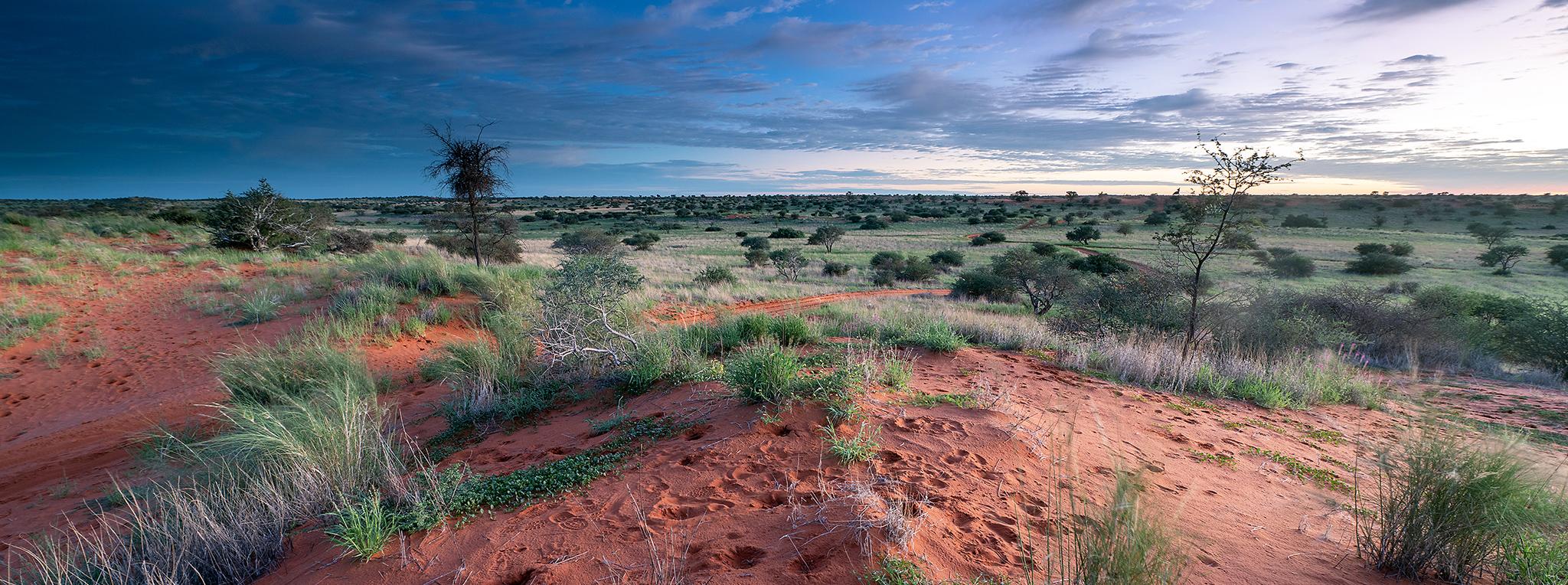
Guided Safari vs Self-Drive Safari in Namibia
An in-depth comparison of Guided Safari vs Self-Drive Safari in Namibia to help you choose the perfect safari experience. Explore the pros, cons, and key differ
 Safari Comparison Articles
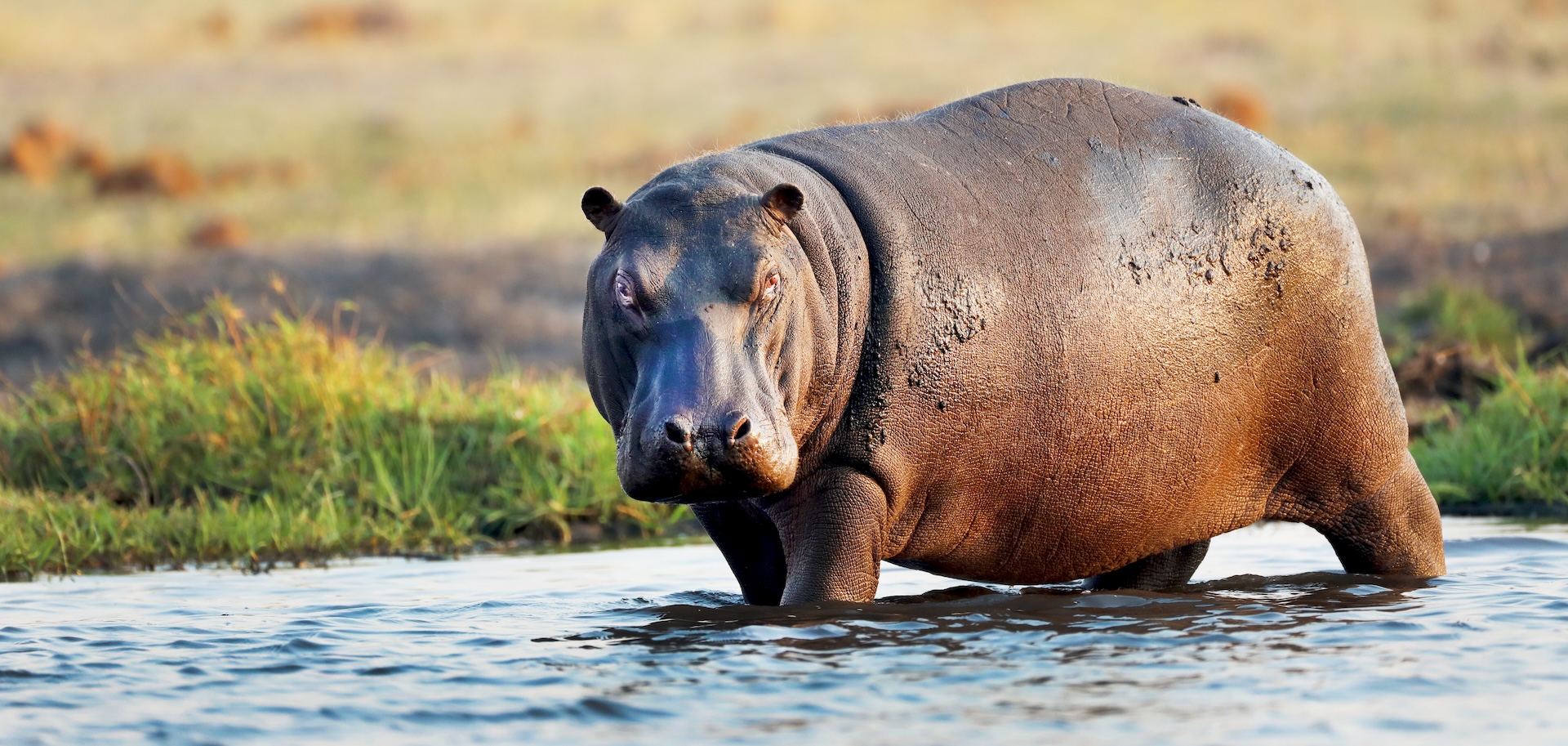
Guided Safari vs Self-Drive Safari in Botswana
An in-depth comparison of Guided Safari vs Self-Drive Safari in Botswana to help you choose the perfect safari experience. Explore the pros, cons, and key diffe
 Safari Planning
Self-Drive Safari vs Guided Safari
Deciding between a self-drive safari and a guided safari? This guide breaks down the pros, cons, costs, and key differences to help you choose the right trip.
 Safari Travel Tips
Safari Game Drive Etiquette
Learn the essential safari game drive etiquette to ensure a safe, respectful, and unforgettable wildlife experience in Africa. Your guide to responsible travel.
 Safari Cost Guides
Cost of a Night Drive Safari
Planning a safari? Learn about cost of a night drive safari. Get expert advice and insights from Safari Intelligence to plan your perfect trip.