
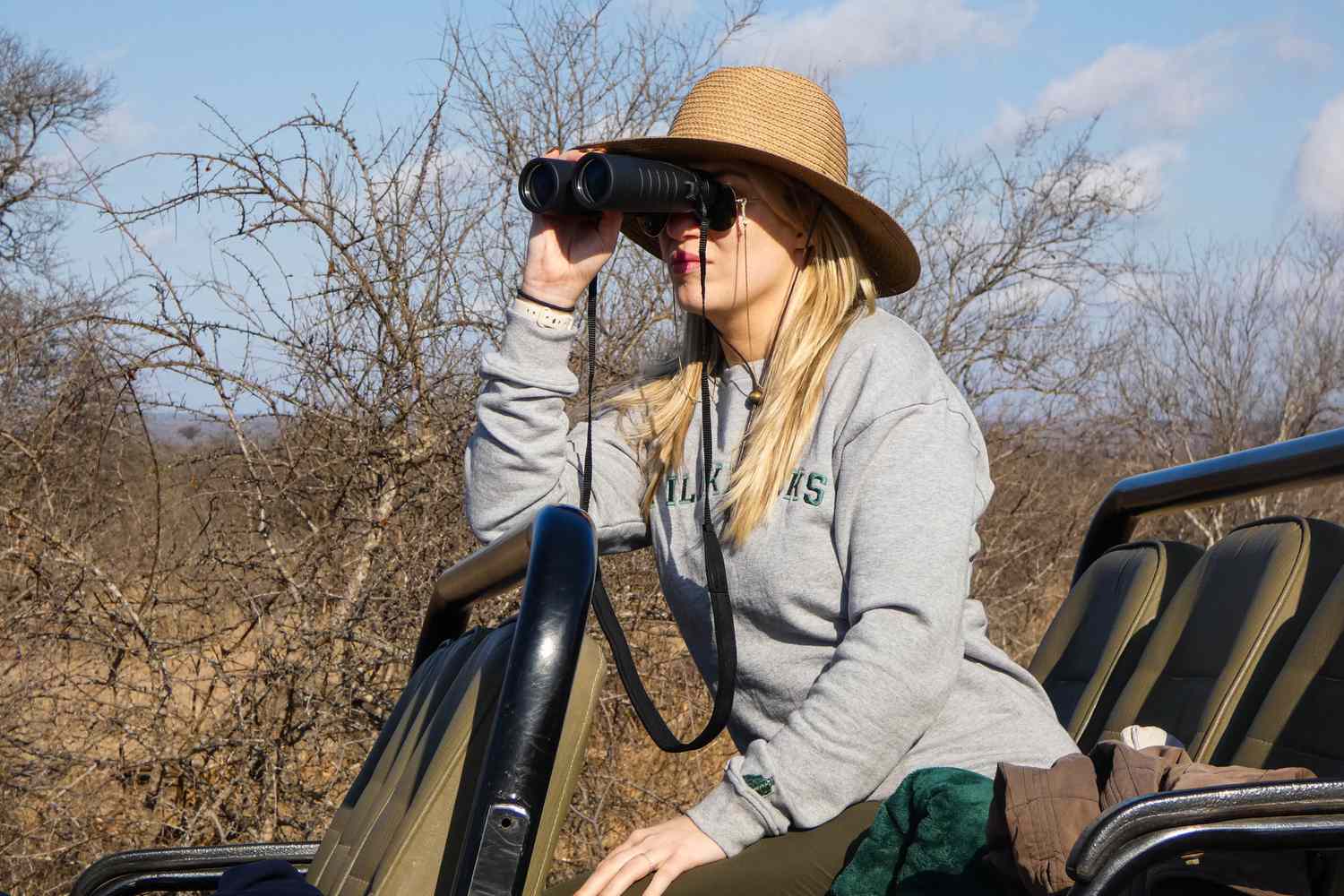
A safari should be a relaxing experience, but travel can sometimes be stressful. Our guide to anxiety and stress management will help you find your calm.
About Safari Anxiety and Stress Management
This in-depth guide explores safari anxiety and stress management, providing essential information for anyone planning an African safari. Understanding this topic thoroughly will help you make informed decisions and have a more rewarding safari experience. Africa's safari industry continues to evolve, and staying informed about the latest developments ensures you get the best possible experience.
Why This Matters for Your Safari
Safari Anxiety and Stress Management is an important consideration for safari travelers. Whether you're a first-time visitor or a returning enthusiast, understanding the nuances of this topic can significantly impact your trip. From choosing the right destinations to selecting appropriate operators, every decision builds on foundational knowledge. Our safari operators can provide personalized guidance based on your specific needs.
Still researching? Let us help.
Our advisory team has planned safaris across 9 African countries. We can turn your research into a real plan.
Talk to an AdvisorKey Insights and Recommendations
Based on extensive industry experience and traveler feedback, several key insights emerge. First, research is your best investment, as the more you know before booking, the better your experience will be. Second, flexibility in timing and destinations often leads to better value and fewer crowds. Third, working with experienced professionals, whether guides, operators, or advisors, consistently produces superior outcomes. Explore our knowledge center for more detailed articles on related topics.
Practical Applications
Putting this knowledge into practice starts with your planning process. Begin by identifying your priorities, whether that's specific wildlife encounters, landscape preferences, or cultural experiences. Then use resources like our destination guides, cost calculator, and operator directory to build an itinerary that aligns with your goals. Don't rush the planning process, as a well-planned safari is almost always more rewarding than a hastily arranged one.
Further Reading
To deepen your understanding, explore related articles in our knowledge center. Each guide is written by safari industry professionals with firsthand experience across Africa's top destinations. For personalized advice, our safari planning guidey team is available to answer your questions and help refine your plans.
Done Reading? Let's Build Your Safari.
Skip the guesswork. Work with an advisor who has been on the ground across East and Southern Africa.
Plan With UsA Case Study in Managing Safari Anxiety
Consider the story of a recent traveler, a retired teacher from Canada who had dreamed of an African safari for decades but was nearly paralyzed by anxiety before her trip to Tanzania. Her primary fears were centered on safety during game drives and a deep-seated worry about encountering snakes at the lodge. She spent months researching, creating detailed checklists, and reading every negative review she could find, which only amplified her stress.
Upon arrival at her lodge near the Ngorongoro Crater, she confessed her anxieties to her safari guide. A seasoned professional, the guide didn’t dismiss her fears. Instead, he calmly walked her through the safety features of the vehicle, explained how habituated the local wildlife was to the jeeps, and shared his extensive training in animal behavior. He also coordinated with the lodge staff to ensure her room was thoroughly checked each evening, providing an extra layer of reassurance. By the third day, after several incredible sightings in the Serengeti and realizing the professionalism of her team, her anxiety had transformed into excitement. She learned to trust her guide, allowing her to be present and fully immerse herself in the experience.
Practical Techniques for On-the-Ground Stress Reduction
While planning is crucial, it's equally important to have tools to manage anxiety in the moment. One of the most effective techniques is mindful observation. When you feel stress rising during a game drive, consciously shift your focus to the sensory details around you. Instead of worrying about what might happen, notice the deep rumble of an elephant’s stomach, the intricate patterns on a giraffe’s coat, or the scent of wild sage on the breeze. This practice grounds you in the present and replaces anxious thoughts with a sense of wonder.
Another powerful tool is open communication with your guide. Your guide is not just a wildlife expert; they are your host, mentor, and primary safety resource. If you feel uncomfortable—whether it’s the proximity to a predator or the speed of the vehicle—voice your concerns politely. A simple, “I’m feeling a bit nervous; could we give that lion a little more space?” is all that’s needed. A professional guide will always prioritize your comfort and safety, and their calm reassurance is often the best antidote to anxiety.
Structuring Your Safari to Minimize Anxiety
A primary source of safari anxiety stems from the unknown. By carefully selecting the style of your safari, you can proactively manage many potential stressors. The structure of your trip—from accommodation to daily activities—can be tailored to your comfort level. For travelers concerned about isolation, predictability, and creature comforts, a lodge-based safari is often the best fit. For those who crave a deeper immersion in the wild and are comfortable with a more rustic experience, a mobile tented camp can be incredibly rewarding. Understanding the trade-offs is key.
For example, a first-time traveler who is nervous about wildlife encounters at night might feel more secure in a permanent lodge like the Serena Safari Lodge in the Ngorongoro Crater, which features solid walls, glass windows, and elevated walkways. In contrast, a seasoned traveler might prefer the thrill of a camp like Alex Walker's Serian in the Serengeti, where the sounds of the bush are right outside your canvas tent. Neither is better than the other; they simply serve different comfort levels and travel styles. Consulting with our safari operators can help you select an itinerary that matches your personal anxiety threshold.
Comparison: Lodge-Based vs. Mobile Tented Safaris
| Feature | Lodge-Based Safari | Mobile Tented Camp | | :--- | :--- | :--- | | Accommodation | Permanent structures with solid walls, electricity, Wi-Fi, and often pools. | Luxury canvas tents that move with the seasons; en-suite bathrooms are standard but simpler. | | Predictability | High. Fixed meal times, established routines, and consistent amenities. | Moderate. Itinerary follows wildlife movements; camp life is more fluid and communal. | | Wildlife Proximity | Generally contained. Wildlife is viewed from vehicles or designated lodge viewing decks. | High. Animals often wander through the unfenced camp, providing an immersive (and for some, intense) experience. | | Best For | First-time safari-goers, families with young children, and travelers who prioritize comfort and structure. | Adventurous travelers, photographers, and those seeking an authentic, close-to-nature experience. |
Addressing Specific Health and Safety Concerns
Beyond the general fear of wildlife, many travelers harbor specific anxieties about medical emergencies and health standards in remote locations. Reputable safari operators and lodges have extensive protocols to address these very concerns, often exceeding international standards.
Medical Evacuation Services: A significant source of reassurance is the availability of emergency medical evacuation. In East Africa, for instance, membership with AMREF Flying Doctors is a standard inclusion in most high-quality safari packages. For a nominal fee (often included by the operator), this service guarantees aerial evacuation from a remote bush airstrip to a modern hospital in Nairobi, such as The Nairobi Hospital or Aga Khan University Hospital, in the event of a serious medical issue. Knowing that a well-equipped medical team is just a satellite phone call away provides immense peace of mind. Similar services exist in Southern Africa, managed by operators on a private basis. When booking, you should always confirm that your itinerary includes comprehensive medical evacuation coverage.
Lodge and Camp Security: Concerns about safety within the camp itself, especially in unfenced properties in areas like Botswana's Okavango Delta or South Africa's Sabi Sand Game Reserve, are common. Lodges in these regions operate with strict safety protocols. For example, at camps like Mombo Camp in Botswana, guests are escorted to and from their tents after dark by trained guides. These guides are experts in interpreting animal behavior and carry communication devices. Tents are often elevated on wooden platforms, and staff conduct regular patrols. These measures are designed to ensure that both guests and wildlife can coexist safely, allowing you to enjoy the magic of the bush without undue stress. Before booking a camp in our operator directory, you can inquire about their specific security measures.
Need Expert Safari Guidance?
Get expert advisory support from a firm founded by a former safari guide — with real operational knowledge across 9 African countries and full-journey accountability.
Related Planning Guides
Recommended Reading
 Travel Logistics
Safari Hot Day Temperature Management
A comprehensive guide to Safari Hot Day Temperature Management. Learn everything you need to know for your safari adventure.
 Safari Planning Guides
How to Plan a Safari for Travelers With Anxiety
Learn about how to plan a safari for travelers with anxiety in this comprehensive safari guide covering key insights and practical advice.
 Safari Operator Articles
Safari Operator Crisis Management Protocols
Learn about safari operator crisis management protocols and how it can impact your safari experience. Get expert advice and start planning your dream safari today.
 Family Safaris
Safari Age Restrictions Explained
Planning a family safari? Our guide to safari age restrictions explains the rules for game drives, walking safaris, and gorilla trekking in Africa.
 Travel Logistics
Best International Airlines for Safari Travel
Learn about best international airlines for safari travel and how it can impact your safari experience. Get expert advice and start planning your dream safari today.
 Travel Logistics
Safari Travel Document Copies and Backups
Learn about safari travel document copies and backups and how it can impact your safari experience. Get expert advice and start planning your dream safari today.