
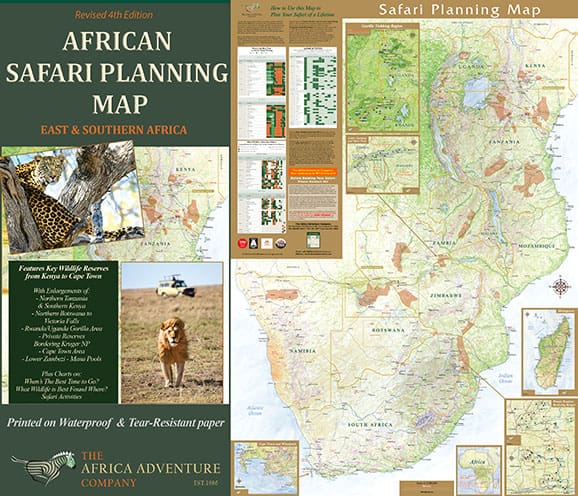
An overview of how safari operators are using technology to enhance the safari experience and to improve their operations.
The Role of Technology in the Modern Safari
Technology is changing the way we travel, and the safari industry is no exception. Safari operators are using technology in a variety of ways, from enhancing the guest experience to improving the efficiency of their operations. While the core of the safari experience will always be about connecting with nature, technology can be a powerful tool for making that experience even better. Our safari operators can help you find operators that are using technology in innovative ways.
How Technology is Enhancing the Guest Experience
Technology is being used to enhance the guest experience in a variety of ways. Many lodges now offer Wi-Fi, which allows guests to stay connected with friends and family back home. Some operators are using tablets and apps to provide guests with information about the wildlife they are seeing. And some are even using virtual reality to give guests a taste of the safari experience before they even leave home. For more on this topic, visit our knowledge center.
Still researching? Let us help.
Our advisory team has planned safaris across 9 African countries. We can turn your research into a real plan.
Talk to an AdvisorHow Technology is Improving Operations
Technology is also being used to improve the efficiency of safari operations. Many operators are now using sophisticated booking and reservation systems to manage their bookings. They are also using GPS tracking to monitor their vehicles and to ensure the safety of their guests. And they are using social media and other digital marketing tools to reach a wider audience. For more destination ideas, explore our destinations page.
The Importance of a Human Touch
While technology can be a powerful tool, it is important to remember that the safari experience is ultimately about the human touch. It is about the connection you make with your guide, with the staff at the lodge, and with the local people you meet. A good safari operator will use technology to enhance the safari experience, not to replace the human element. The goal is to find the right balance between technology and tradition. Use our cost calculator to see how technology can affect the price of your safari.
Advanced Guest Management Systems: Personalizing Your Journey
Modern safari operators are increasingly adopting sophisticated Customer Relationship Management (CRM) systems to elevate the guest experience. These platforms go far beyond simple booking software, allowing operators to create a highly personalized journey for every traveler. From the moment you inquire about a safari, your preferences are noted. Do you have a passion for birdwatching? Are you celebrating a special anniversary? Do you have specific dietary requirements or allergies? This information is meticulously recorded and shared with the relevant teams at each lodge and camp you visit.
This means that when you arrive, the staff is already aware of your needs. Your guide can plan routes that take you to the best birding spots, the chef can prepare meals that cater to your dietary restrictions, and a surprise bottle of champagne might appear to celebrate your anniversary. This level of personalization is what sets a good safari apart from a great one. It transforms the trip from a generic tour into a bespoke adventure tailored to your interests.
> Expert Insight: When planning your safari, don't hesitate to share your interests and preferences with your safari planning guide. The more information you provide, the better the operator can tailor the experience to you. This is a key advantage of working with a high-quality advisory service.
Done Reading? Let's Build Your Safari.
Skip the guesswork. Work with an advisor who has been on the ground across East and Southern Africa.
Plan With UsThe Digital Toolkit of the Modern Safari Guide
The image of a safari guide relying solely on intuition and a pair of binoculars is becoming a thing of the past. While those skills remain essential, today's top guides are equipped with a range of technologies that enhance their ability to find wildlife and enrich the guest experience. Many guides now use specialized apps on tablets or smartphones that serve as digital field guides, providing detailed information on animal behavior, bird calls, and plant species. This allows them to answer your questions with greater accuracy and depth.
GPS technology is also a game-changer. Guides use it for navigation in vast, often unmarked wilderness areas, ensuring both safety and efficiency. Furthermore, many operators have a network of guides who share real-time wildlife sightings via radio or a dedicated app. If one guide spots a leopard on the move, they can alert others in the vicinity, increasing the chances for everyone to witness these incredible moments. This collaborative approach, powered by technology, maximizes wildlife viewing opportunities without compromising the ethics of responsible guiding.
Technology-Driven Sustainability and Conservation
Leading safari operators are deeply committed to protecting the pristine environments in which they operate. Technology plays a crucial role in their conservation and sustainability efforts. Many remote lodges and camps now run entirely on solar power, using state-of-the-art battery storage systems to provide 24/7 electricity with minimal environmental impact. Advanced water filtration and purification systems allow them to reuse water for non-drinking purposes, a critical innovation in water-scarce regions. Waste management technologies, such as composting and recycling programs, further reduce their ecological footprint.
Beyond the lodges, technology is a powerful ally in the fight against poaching. Drones, thermal imaging cameras, and GPS tracking collars for animals provide invaluable data to anti-poaching patrols, helping them monitor wildlife populations and intercept poachers. By choosing an operator that invests in these technologies, you are directly contributing to the conservation of Africa's precious wildlife. Our destinations guide highlights operators who are leaders in sustainable tourism.
Virtual Safaris and Digital Storytelling: Bringing Africa to You
In today's digital age, the safari experience often begins long before you set foot in Africa. Safari operators are using cutting-edge technology to engage, educate, and inspire potential travelers. High-definition videos and professional photography on their websites and social media channels offer a stunning preview of what awaits. Some have even developed virtual reality (VR) experiences that allow you to immerse yourself in a 360-degree view of a game drive or a lodge, giving you a powerful sense of place.
This digital storytelling is not just a marketing tool; it's an educational one. By showcasing the beauty of the wildlife and the importance of conservation, operators can foster a deeper appreciation for these ecosystems. It also helps you make more informed decisions when planning your trip. You can explore different destinations, compare accommodation styles, and get a feel for the overall experience before you commit. For more in-depth articles and videos, be sure to visit our knowledge center.
> Traveler's Tip: Follow your preferred safari operators on social media and subscribe to their newsletters. This is a great way to stay informed about their latest conservation initiatives, see incredible wildlife photos and videos, and sometimes even get access to special offers.
Enhancing Guest Safety with Modern Technology
Your safety is the number one priority for any reputable safari operator. While you are in the wild, you can rest assured that a sophisticated network of technology is in place to keep you safe. Safari vehicles are typically equipped with two-way radios and satellite phones, ensuring that your guide can always communicate with the lodge and other support teams, even in the most remote areas with no cell service.
GPS tracking systems are installed in most vehicles, allowing the operator to monitor their location in real-time. This is not only useful for coordinating game drives but also serves as a critical safety feature in case of a breakdown or emergency. In the unlikely event of a medical issue, these communication and tracking technologies enable a swift and effective response, ensuring that you can be reached by medical personnel as quickly as possible. When you plan your safari with us, we only work with operators who meet the highest safety standards, including the use of modern, reliable technology.
Need Expert Safari Guidance?
Get expert advisory support from a firm founded by a former safari guide — with real operational knowledge across 9 African countries and full-journey accountability.
Related Planning Guides
Recommended Reading
 Safari Operator Articles
How Safari Operators Adapt to New Technology
Learn about how safari operators adapt to new technology and how it can impact your safari experience. Get expert advice and start planning your dream safari today.
 Safari Operator Articles
How Safari Operators Use Social Media
Learn about how safari operators use social media and how it can impact your safari experience. Get expert advice and start planning your dream safari today.
 Safari Operator Articles
International Safari Operators vs Local Safari Operators
A comparison of international and local safari operators to help you decide which is the right choice for your African safari.
 Safari Comparison Articles
Safari With International Operator vs Local Operator
An in-depth comparison of Safari With International Operator vs Local Operator to help you choose the perfect safari experience. Explore the pros, cons, and key
 Safari Planning
How to Choose a Safari Operator
Learn how to choose a reputable African safari operator with our expert guide. We cover vetting companies, questions to ask, and understanding safari costs.
 Safari Intelligence Insights
How Safari Operators Work
Understand how safari operators work, from local DMCs to planners and lodges. Learn the roles of each and how to choose the right partners for your African safari.