
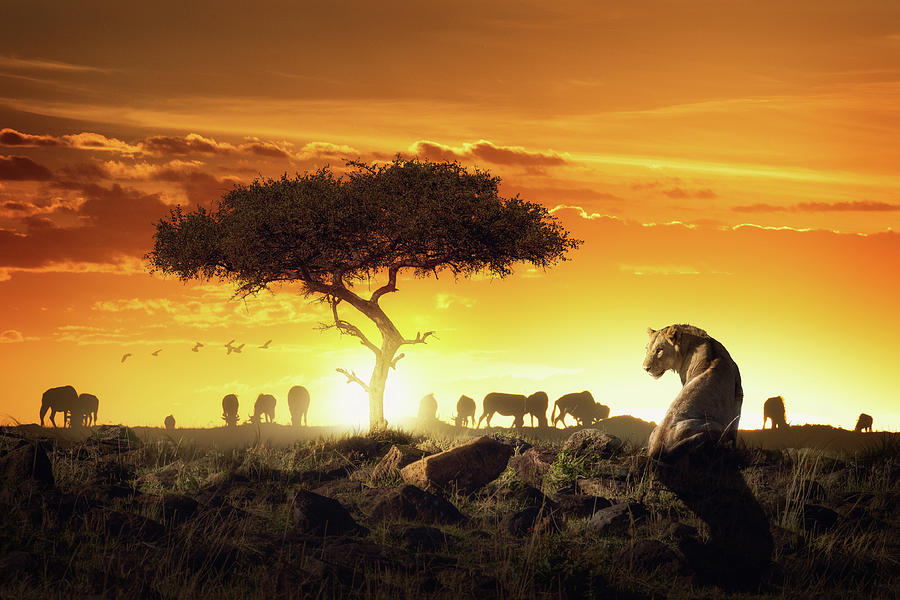
Learn about safari altitude sickness at mountain destinations in this comprehensive safari guide.
Introduction
When it comes to safari altitude sickness at mountain destinations, experienced safari travelers know that preparation makes all the difference. Africa's diverse landscapes and ecosystems offer unique opportunities, and knowing what to expect helps you make the most of every moment on safari.
Key Details and Considerations
The most important aspects of safari altitude sickness at mountain destinations involve understanding local conditions, seasonal variations, and the unique characteristics of different safari regions. Each destination across Africa offers something distinct, from the Serengeti's endless plains to the Okavango Delta's waterways. Working with experienced safari operators ensures you receive guidance tailored to your specific interests and travel dates.
Still researching? Let us help.
Our advisory team has planned safaris across 9 African countries. We can turn your research into a real plan.
Talk to an AdvisorPractical Advice
For practical guidance on safari altitude sickness at mountain destinations, consider these expert recommendations. First, start your research early and use reliable sources like our knowledge center for up-to-date information. Second, don't underestimate the value of professional guidance, as a knowledgeable safari planning guide can save you time, money, and potential disappointment. Third, remain flexible in your planning, as Africa's natural environments are dynamic and unpredictable.
Expert Insights
Industry experts emphasize that safari altitude sickness at mountain destinations continues to evolve as safari tourism grows and adapts to new challenges. Conservation-focused tourism, community engagement, and sustainable practices are increasingly important considerations for discerning travelers. By choosing operators who prioritize these values, you contribute to the long-term preservation of Africa's wild places. Browse our operator directory to find companies committed to responsible tourism.
Planning Your Next Steps
To wrap up, mastering safari altitude sickness at mountain destinations is an investment that pays dividends throughout your safari journey. The more you understand about Africa's diverse ecosystems, wildlife, and tourism infrastructure, the better equipped you'll be to make decisions that lead to extraordinary experiences. Start your planning journey with our comprehensive knowledge center and connect with our team of experienced safari operators for personalized guidance.
Done Reading? Let's Build Your Safari.
Skip the guesswork. Work with an advisor who has been on the ground across East and Southern Africa.
Plan With UsThe Science Behind Altitude Sickness
Altitude sickness, or Acute Mountain Sickness (AMS), is a physiological response to the lower oxygen levels available at high elevations. When you ascend too quickly, your body doesn't have sufficient time to acclimatize to the reduced atmospheric pressure and lower oxygen intake. This can lead to a range of symptoms, from mild discomfort to life-threatening conditions. It's crucial to understand that AMS is not a reflection of your physical fitness; even the most athletic individuals can be affected.
There are three main types of altitude sickness:
- Acute Mountain Sickness (AMS): This is the most common and mildest form. Symptoms often resemble a hangover and can include headache, nausea, fatigue, and dizziness.
- High-Altitude Pulmonary Edema (HAPE): A more serious condition where fluid accumulates in the lungs. Symptoms include extreme shortness of breath (even at rest), a persistent cough, and a feeling of tightness in the chest.
- High-Altitude Cerebral Edema (HACE): The most severe form, where fluid accumulates in the brain. This can cause confusion, ataxia (loss of coordination), and altered mental state. HAPE and HACE are medical emergencies that require immediate descent and medical attention.
High-Altitude Destinations Beyond the Summit
While Mount Kilimanjaro and Mount Kenya are the most famous high-altitude destinations in Africa, several other safari locations present a risk of AMS that travelers should be aware of:
- Simien Mountains, Ethiopia: This UNESCO World Heritage site is home to unique wildlife like the Gelada baboon and Walia ibex. Elevations in the park range from 1,900 to 4,500 meters (6,200 to 14,800 feet).
- Mount Meru, Tanzania: Often used as an acclimatization climb for Kilimanjaro, Mount Meru is a formidable peak in its own right, reaching 4,566 meters (14,980 feet). Arusha National Park, where the mountain is located, sits at a moderate altitude, but the climb itself is a high-altitude endeavor.
- The Bale Mountains, Ethiopia: Another critical biodiversity hotspot in Ethiopia, with a vast afro-alpine plateau averaging over 4,000 meters (13,123 feet).
- High-altitude plateaus: Some safari destinations, like parts of the Laikipia Plateau in Kenya, can have elevations that are high enough to cause mild symptoms in sensitive individuals, especially when arriving directly from sea level.
> Expert Insight: When planning your safari, it's not just about the maximum elevation you'll reach, but also the 'sleeping altitude.' Your body does most of its acclimatization at rest, so the altitude of your lodge or camp is a critical factor. Our safari operators can help you design an itinerary that considers this, ensuring a safer and more comfortable experience.
Practical Acclimatization Strategies
Proper acclimatization is the most effective way to prevent altitude sickness. Here are some proven strategies:
- Ascend Gradually: If your itinerary involves significant changes in altitude, plan for a slow ascent. For mountain climbs, the rule of thumb is to not increase your sleeping altitude by more than 500 meters (1,600 feet) per day, and to include a rest day for every 1,000 meters (3,300 feet) gained.
- Stay Hydrated: The dry air at high altitudes can lead to dehydration, which can mimic or worsen the symptoms of AMS. Drink plenty of water, aiming for 3-4 liters per day.
- Avoid Alcohol and Sedatives: Alcohol, sleeping pills, and other central nervous system depressants can interfere with your body's ability to acclimatize.
- Eat a High-Carbohydrate Diet: Some studies suggest that a diet rich in carbohydrates can help your body better utilize oxygen at high altitudes.
> Traveler's Tip: Consider adding an extra day to your itinerary at a moderate altitude before heading to higher elevations. For example, if you're climbing Kilimanjaro, spending a day or two in Arusha or Moshi can make a significant difference. Use our cost calculator to see how an extra day might impact your budget.
Medication and Medical Preparedness
While not a substitute for proper acclimatization, certain medications can help prevent and treat AMS. Acetazolamide (Diamox) is the most common medication used for this purpose. It works by acidifying the blood, which stimulates breathing and helps the body acclimatize more quickly.
It's essential to consult with your doctor before your trip to discuss whether Diamox is right for you and to get a prescription. You should also discuss any pre-existing medical conditions that could be affected by high altitudes.
Your safari outfitter should have a comprehensive emergency plan in place, including access to oxygen and a clear protocol for evacuation in case of severe altitude sickness. Don't hesitate to ask about these safety measures when you plan your safari.
The Impact of Altitude on Your Safari Activities
Even mild altitude sickness can affect your enjoyment of a safari. A persistent headache or fatigue can make it difficult to appreciate a stunning landscape or a rare wildlife sighting. On walking safaris or other active excursions, you may find yourself getting out of breath more easily than usual.
Listen to your body and don't push yourself too hard, especially in the first few days at a new altitude. Communicate with your guide about how you're feeling. A good guide will be trained to recognize the signs of AMS and will adjust the pace of activities accordingly. For more information on what to expect on different types of safaris, visit our knowledge center.
Need Expert Safari Guidance?
Get expert advisory support from a firm founded by a former safari guide — with real operational knowledge across 9 African countries and full-journey accountability.
Related Planning Guides
Recommended Reading
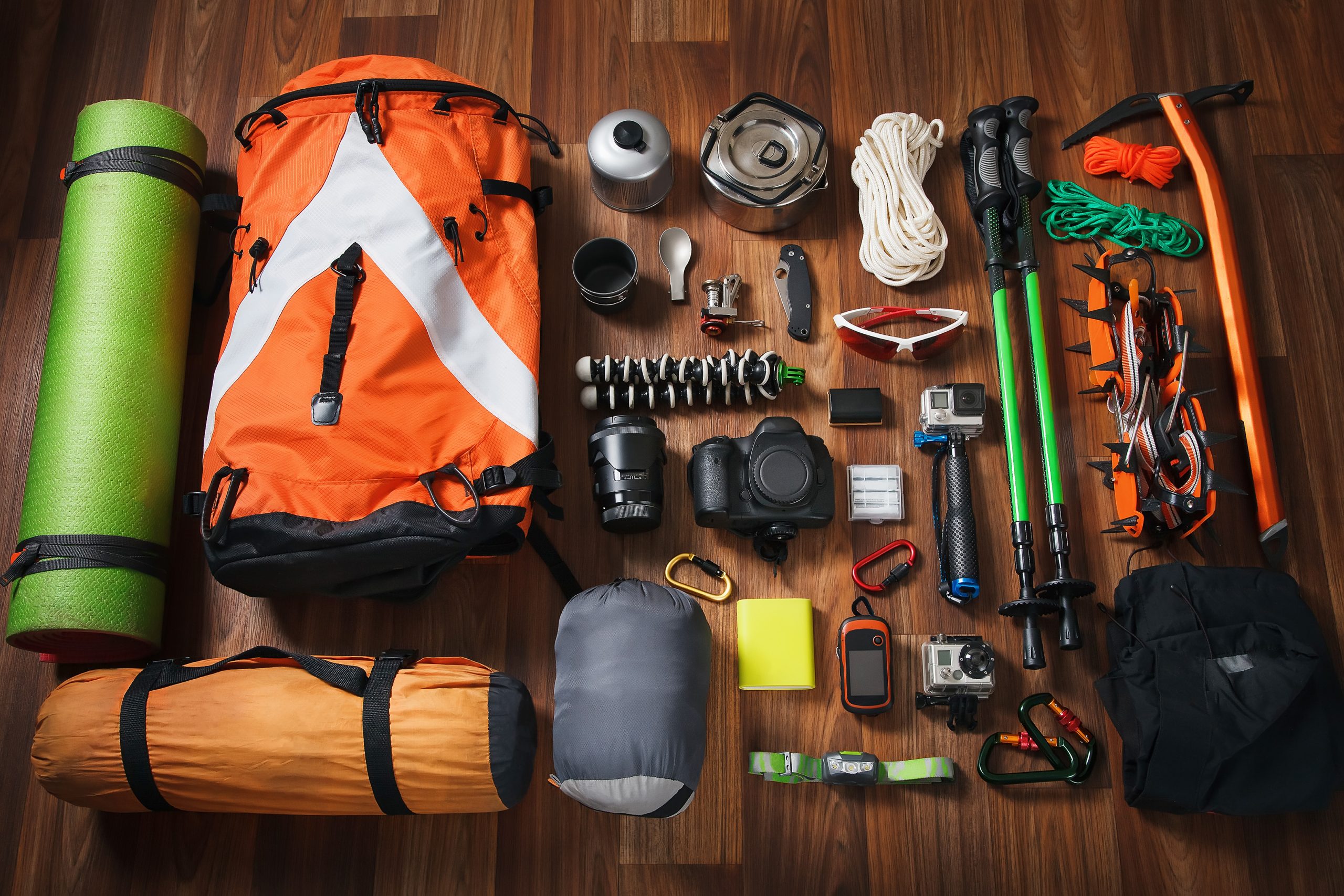 Packing & Preparation
Safari Altitude Preparation for Mountain Destinations
Learn all about Safari Altitude Preparation for Mountain Destinations in this comprehensive guide.
 Destination Guides
Best Safari Destinations for Mountain Wildlife
Your complete guide to Best Safari Destinations for Mountain Wildlife. Find the best destinations, planning tips, and more for your next safari adventure.
 Travel Logistics
Safari Nearest Hospital Guide by Destination
Learn about safari nearest hospital guide by destination in this comprehensive safari guide.
 Travel Logistics
Safari Motion Sickness on Game Drives
The bumpy roads on safari can be a challenge for those who suffer from motion sickness. Our guide will help you prevent and treat this common ailment.
 Travel Logistics
Safari Jet Lag Recovery at Destination
A comprehensive guide to Safari Jet Lag Recovery at Destination. Learn everything you need to know for your safari adventure.
 Safari Comparison Articles
Mountain Safari vs Plains Safari
An in-depth comparison of Mountain Safari vs Plains Safari to help you choose the perfect safari experience. Explore the pros, cons, and key differences to make