
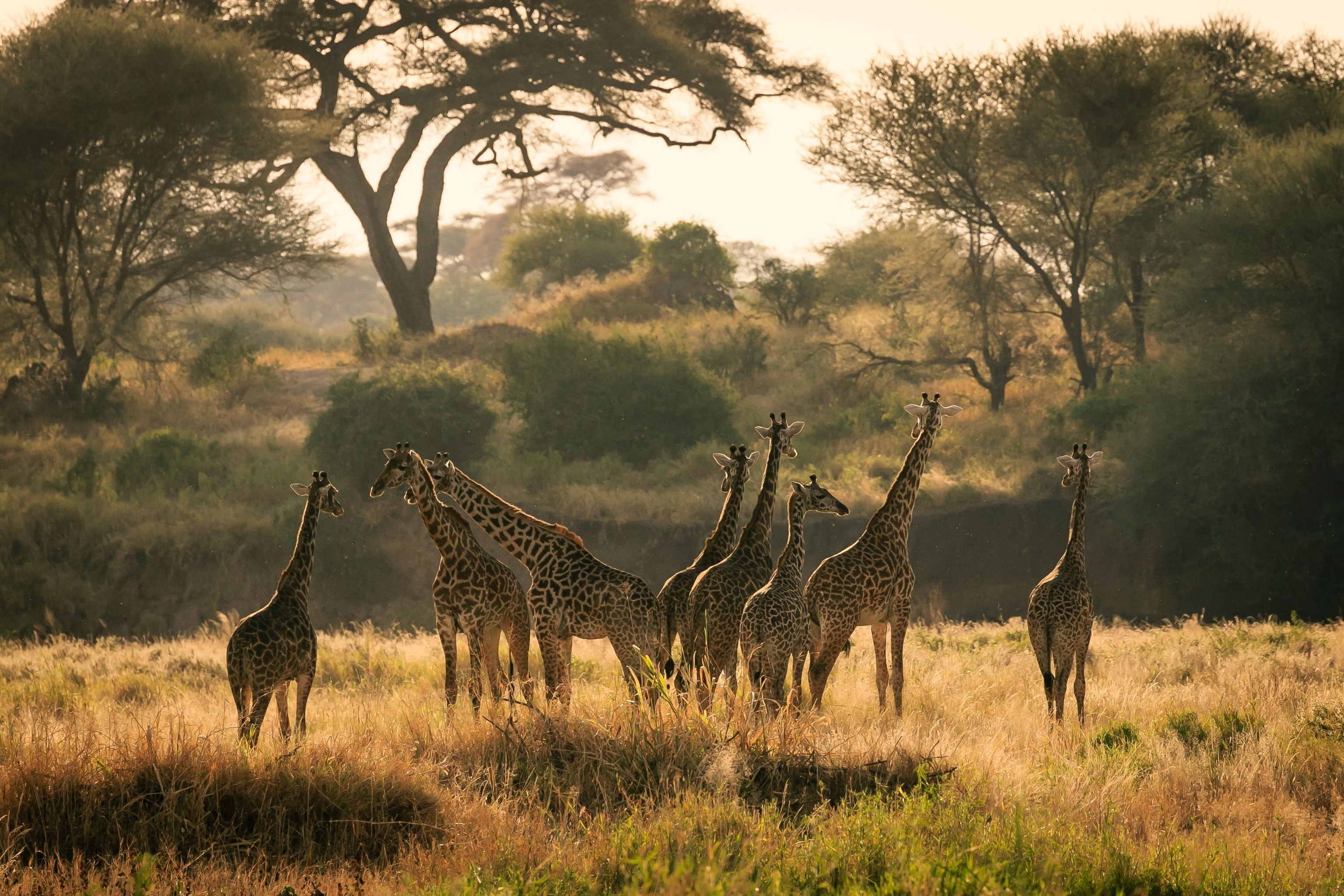
A comprehensive guide to Safari Lightning Safety. Learn everything you need to know for your safari adventure.
Safari Lightning Safety
Every safari destination in Africa has its own character, and safari lightning safety varies accordingly. This guide helps you understand the nuances so you can make informed decisions for your specific itinerary.
Making the Most of Your Experience
Photography enthusiasts should pay special attention to safari lightning safety as it relates to their equipment and technique. The lighting conditions, distances, and movement patterns of African wildlife create unique challenges and opportunities that benefit from advance preparation.
Finally, remember that a safari is more than just wildlife viewing. The cultural experiences, landscapes, and personal connections you make along the way are equally valuable. Approaching safari lightning safety with this broader perspective will enrich your entire journey.
To truly optimize safari lightning safety, approach your safari with an open mind and realistic expectations. Africa has a way of surprising even the most experienced travelers, and some of the best moments come from unexpected encounters and unplanned detours.
Still researching? Let us help.
Our advisory team has planned safaris across 9 African countries. We can turn your research into a real plan.
Talk to an AdvisorSeasonal Factors and Timing: Safari Lightning Safety
The timing of your safari significantly impacts safari lightning safety. Dry season months, typically June through October in most East African destinations, offer different conditions than the green season months of November through May. Each period has distinct advantages and considerations.
Peak season brings excellent wildlife viewing but also higher prices and more crowded parks. Shoulder seasons offer a balance of good conditions and fewer crowds. Understanding how seasonal factors affect safari lightning safety helps you choose the optimal time for your specific priorities.
Safety and Health Considerations
Safety is paramount when it comes to safari lightning safety on safari. Reputable operators maintain strict safety protocols and employ experienced guides who are trained to handle a wide range of situations. Always verify that your chosen operator has proper licensing, insurance, and safety certifications.
Travel insurance that specifically covers safari activities is strongly recommended. Standard travel insurance policies may not cover all the activities and situations you might encounter on an African safari. Ensure your policy covers medical evacuation, trip cancellation, and activity-specific risks.
Common Mistakes to Avoid
Another common error is relying solely on online reviews without consulting experienced professionals. While traveler reviews provide valuable perspectives, they often lack the context and expertise that a qualified safari planning guide can offer. The best approach combines both sources of information.
One of the most frequent mistakes travelers make with safari lightning safety is waiting too long to start planning. Popular safari destinations and lodges book up months in advance, especially during peak season. Last-minute planning often results in limited options and higher costs.
Done Reading? Let's Build Your Safari.
Skip the guesswork. Work with an advisor who has been on the ground across East and Southern Africa.
Plan With UsUnderstanding Lightning Risks in Key Safari Regions
Lightning is a real, albeit uncommon, risk, particularly during the "green seasons" across Africa. In East Africa's famous parks, such as the Serengeti National Park in Tanzania or the Maasai Mara National Reserve in Kenya, thunderstorms can build quickly over the vast, open plains. The dramatic, dark skies can be a photographer's dream, but being exposed in an open area is a serious concern. Similarly, the seasonal rains from November to April in Southern Africa bring lightning risks to destinations like Botswana's Okavango Delta and Zambia's South Luangwa National Park, especially for travelers on water-based or walking safaris.
Safety Protocols During a Thunderstorm on Safari
Your guide is your most important safety asset. Reputable operators train their guides in weather assessment and emergency protocols. The safest place to be during a thunderstorm is inside a closed safari vehicle. The metal body of a well-maintained Toyota Land Cruiser or similar vehicle acts as a Faraday cage, directing the electrical charge around the occupants and safely to the ground. If a storm approaches, you should remain in the vehicle with the windows closed and avoid touching metal components.
For those staying in tented camps, it is crucial to understand that not all tents are equal. High-end, semi-permanent tented lodges are often equipped with lightning protection systems. During a storm, you should retreat to your tent, stay away from the canvas walls, and unplug all electronic devices. Activities like walking safaris or canoe trips will be immediately suspended at the first sign of a thunderstorm by any responsible operator.
Case Study: A Close Call on a Walking Safari
A small group on a walking safari in Zambia's South Luangwa National Park was tracking a herd of elephants along the Luangwa River. Their experienced guide, noting the darkening clouds and a sudden drop in temperature, made the call to end the walk and return to the safety of their vehicle. Within fifteen minutes of reaching the truck, a powerful thunderstorm rolled in, with lightning striking a tall acacia tree less than a hundred meters from where they had been standing. This incident highlights the critical importance of heeding your guide's instructions without question; their experience can be the difference between a dramatic story and a tragedy.
Related Resources
For more information on planning your safari, explore our destination guides, browse the safari operator directory, or connect with an experienced safari planning guide for personalized guidance.
Accommodation and Lightning Safety: From Tents to Lodges
The type of accommodation you choose significantly influences your safety protocol during a thunderstorm. While all reputable safari properties prioritize guest safety, the level of inherent protection varies.
- Solid-Wall Lodges and Hotels: Buildings constructed with brick, stone, or concrete and featuring integrated plumbing and electrical wiring offer the highest level of protection. Examples include the Serena Lodges found across East Africa or larger hotel-style properties in areas like Victoria Falls. During a storm, these are as safe as a house; simply stay indoors and away from windows.
- Luxury and Permanent Tented Camps: High-end camps, such as Singita Sabora Tented Camp in Tanzania or Zarafa Camp in Botswana, are engineered with safety in mind. These permanent structures often feature lightning protection systems, including conductors that ground the structures. While you are still in a "tent," it is a highly engineered one. The primary advice is to retreat to your tent, zip it up completely, and avoid touching the canvas walls or any metal poles.
- Mobile or Fly Camps: These lightweight, temporary camps offer the most immersive bush experience but the least protection from lightning. The thin canvas and metal poles provide no meaningful defense. If you are in a mobile camp, your safest location is in a hard-topped vehicle. If that is not an option, avoid being the tallest object, stay away from the tent poles, and do not lie flat on the ground. Operators of such camps are typically extra cautious and will have robust emergency plans.
Caught on Foot: Emergency Lightning Procedures
While guides will actively avoid putting you in this situation, unexpected storms can arise. If you are caught on a walking safari or away from a vehicle or building, your actions are critical.
- Follow the 30-30 Rule: This is a globally recognized safety guideline. If the time between seeing a lightning flash and hearing the thunder is 30 seconds or less, seek shelter immediately. Once the storm has passed, wait 30 minutes after the final clap of thunder before resuming your activity.
- Avoid Obvious Dangers: Immediately move away from high ground, isolated tall trees, and bodies of water. Do not seek shelter in shallow caves or under rocky overhangs, as these can be dangerous.
- Assume the Lightning Position: If you are in an exposed area with no shelter, adopt the lightning safety position. Crouch down on the balls of your feet, with your feet together. Keep your head down and cover your ears. This minimizes your contact with the ground and lowers your profile.
- Spread Out: If you are in a group, spread out by at least 20 meters (around 65 feet). This reduces the risk of multiple casualties from a single strike.
Activity-Specific Lightning Risk Assessment
Different safari activities carry different levels of risk. Understanding these distinctions helps in planning and decision-making.
| Activity | Risk Level | Key Precaution | | :--- | :--- | :--- | | Game Drive (Closed Vehicle) | Low | Remain inside the vehicle with windows closed. The vehicle acts as a Faraday cage, protecting occupants. | | Walking Safari | High | Your guide is your primary safety asset. They will cancel or cut short walks if a storm threatens. Trust their judgment implicitly. | | Canoe or Mokoro Safari | Very High | Being on water during a thunderstorm is extremely dangerous. Trips are always weather-dependent and will be cancelled or postponed. | | Hot Air Ballooning | Extreme | Balloon pilots will not launch if there is any forecast of thunderstorms. This activity has zero tolerance for lightning risk. |
Need Expert Safari Guidance?
Get expert advisory support from a firm founded by a former safari guide — with real operational knowledge across 9 African countries and full-journey accountability.
Related Planning Guides
Recommended Reading
 Travel Logistics
Safari Road Transfer Safety Tips
Learn about safari road transfer safety tips and how it can impact your safari experience. Get expert advice and start planning your dream safari today.
 Travel Logistics
Safari Luggage Restrictions for Light Aircraft
Flying on a small bush plane is a quintessential safari experience. Our guide to luggage restrictions for light aircraft will help you pack smart and avoid any issues.
 Travel Logistics
Safari Water and Drinking Safety
Staying hydrated on safari is crucial. Our guide to water and drinking safety will help you know what is safe to drink and what to avoid.
 Safari Safety
Safari Safety Tips for First-Time Visitors
Planning your first African safari? Our expert guide provides essential safari safety tips for a worry-free adventure, from wildlife encounters to health advice.
 Safari Safety
Wildlife Safety on Safari
Planning an African safari? Our guide to wildlife safety provides essential tips for staying safe around wild animals, from game drives to walking safaris.
 Safari Safety
Safari Vehicle Safety Explained
Learn the essentials of safari vehicle safety, from vehicle design and guide expertise to choosing a safe operator for your African safari adventure.