
A comprehensive guide to Safari Flash Flood Safety. Learn everything you need to know for your safari adventure.
Safari Flash Flood Safety
Africa offers some of the most incredible wildlife experiences on Earth, and getting safari flash flood safety right is essential to making the most of your journey. Here is what experienced safari guides and advisors recommend.
Making the Most of Your Experience
To truly optimize safari flash flood safety, approach your safari with an open mind and realistic expectations. Africa has a way of surprising even the most experienced travelers, and some of the best moments come from unexpected encounters and unplanned detours.
Finally, remember that a safari is more than just wildlife viewing. The cultural experiences, landscapes, and personal connections you make along the way are equally valuable. Approaching safari flash flood safety with this broader perspective will enrich your entire journey.
Photography enthusiasts should pay special attention to safari flash flood safety as it relates to their equipment and technique. The lighting conditions, distances, and movement patterns of African wildlife create unique challenges and opportunities that benefit from advance preparation.
Still researching? Let us help.
Our advisory team has planned safaris across 9 African countries. We can turn your research into a real plan.
Talk to an AdvisorCommon Mistakes to Avoid: Safari Flash Flood Safety
One of the most frequent mistakes travelers make with safari flash flood safety is waiting too long to start planning. Popular safari destinations and lodges book up months in advance, especially during peak season. Last-minute planning often results in limited options and higher costs.
Underestimating the importance of safari flash flood safety is perhaps the biggest mistake of all. Travelers who give this aspect of their safari proper attention consistently report more satisfying experiences than those who treat it as an afterthought.
Another common error is relying solely on online reviews without consulting experienced professionals. While traveler reviews provide valuable perspectives, they often lack the context and expertise that a qualified safari planning guide can offer. The best approach combines both sources of information.
Seasonal Factors and Timing: Safari Flash Flood Safety
Peak season brings excellent wildlife viewing but also higher prices and more crowded parks. Shoulder seasons offer a balance of good conditions and fewer crowds. Understanding how seasonal factors affect safari flash flood safety helps you choose the optimal time for your specific priorities.
The timing of your safari significantly impacts safari flash flood safety. Dry season months, typically June through October in most East African destinations, offer different conditions than the green season months of November through May. Each period has distinct advantages and considerations.
Weather patterns across Africa are becoming less predictable due to climate change, which adds another layer of consideration to safari flash flood safety. Working with operators who have current, on-the-ground knowledge of conditions is more important than ever.
Practical Planning Steps
Step three is creating a detailed plan that accounts for all aspects of safari flash flood safety. This should include timelines, budgets, backup options, and contingency plans. The most successful safari travelers are those who plan thoroughly while remaining flexible enough to adapt to changing conditions.
Step one in addressing safari flash flood safety is to clearly define your priorities and expectations. Are you focused on specific wildlife sightings, cultural experiences, photography opportunities, or a combination? Your answer will shape every subsequent decision.
Done Reading? Let's Build Your Safari.
Skip the guesswork. Work with an advisor who has been on the ground across East and Southern Africa.
Plan With UsUnderstanding Flash Flood Risks in Safari Regions
Flash floods on safari are a serious and often underestimated risk, particularly in arid and semi-arid environments where rainfall is infrequent but intense. These sudden deluges most commonly occur in dry riverbeds, known locally as lagas in East Africa or wadis. A critical danger is that the rain causing the flood can fall many kilometers upstream, completely out of sight. This means a dry, sunny riverbed can transform into a raging torrent with little to no warning.
Certain destinations are more prone to this phenomenon. In Kenya, Samburu National Reserve and Buffalo Springs National Reserve are classic examples, where the Ewaso Ny'iro River and its sandy tributaries can flood rapidly. Similarly, Tarangire National Park in Tanzania is characterized by the Tarangire River, which can swell dangerously during the green season. In the more arid landscapes of Namibia, ephemeral rivers like the Hoanib and Hoarusib are notorious for flash flooding, creating hazardous conditions for self-drivers and even guided tours.
Case Study: A Close Call in Samburu National Reserve
Consider a scenario that plays out more often than tourists realize. A safari vehicle is deep within Samburu, parked in a wide, sandy laga to enjoy a close-up sighting of a Grévy's zebra herd. The sky directly overhead is clear, but an experienced guide notices a subtle change in the air and distant, dark clouds over the hills miles away. Recognizing the catchment area for the riverbed, the guide immediately instructs the guests to return to the vehicle. Within minutes of driving to the higher bank, a low rumble is heard, and a wall of water, mud, and debris surges down the exact spot where they were parked. This is a testament to why a guide's local knowledge is invaluable; they are trained to spot dangers that are invisible to the untrained eye.
Key Safety Measures for Avoiding Flash Floods
Your guide is your most important safety asset. Always follow their instructions without question, especially if asked to move or leave a location suddenly. Never attempt to camp in a dry riverbed, no matter how appealing it seems. Even a small amount of distant rainfall can have catastrophic consequences downstream. When crossing any water, even a seemingly shallow stream, do so with caution and be aware that water levels can rise in seconds. If your vehicle is ever caught in rising water, it is generally safer to stay put and wait for instructions from your guide or for rescue, unless the vehicle itself is at risk of being washed away.
Related Resources
For more information on planning your safari, explore our destination guides, browse the safari operator directory, or connect with an experienced safari planning guide for personalized guidance.
Vehicle Safety and Post-Flood Dynamics
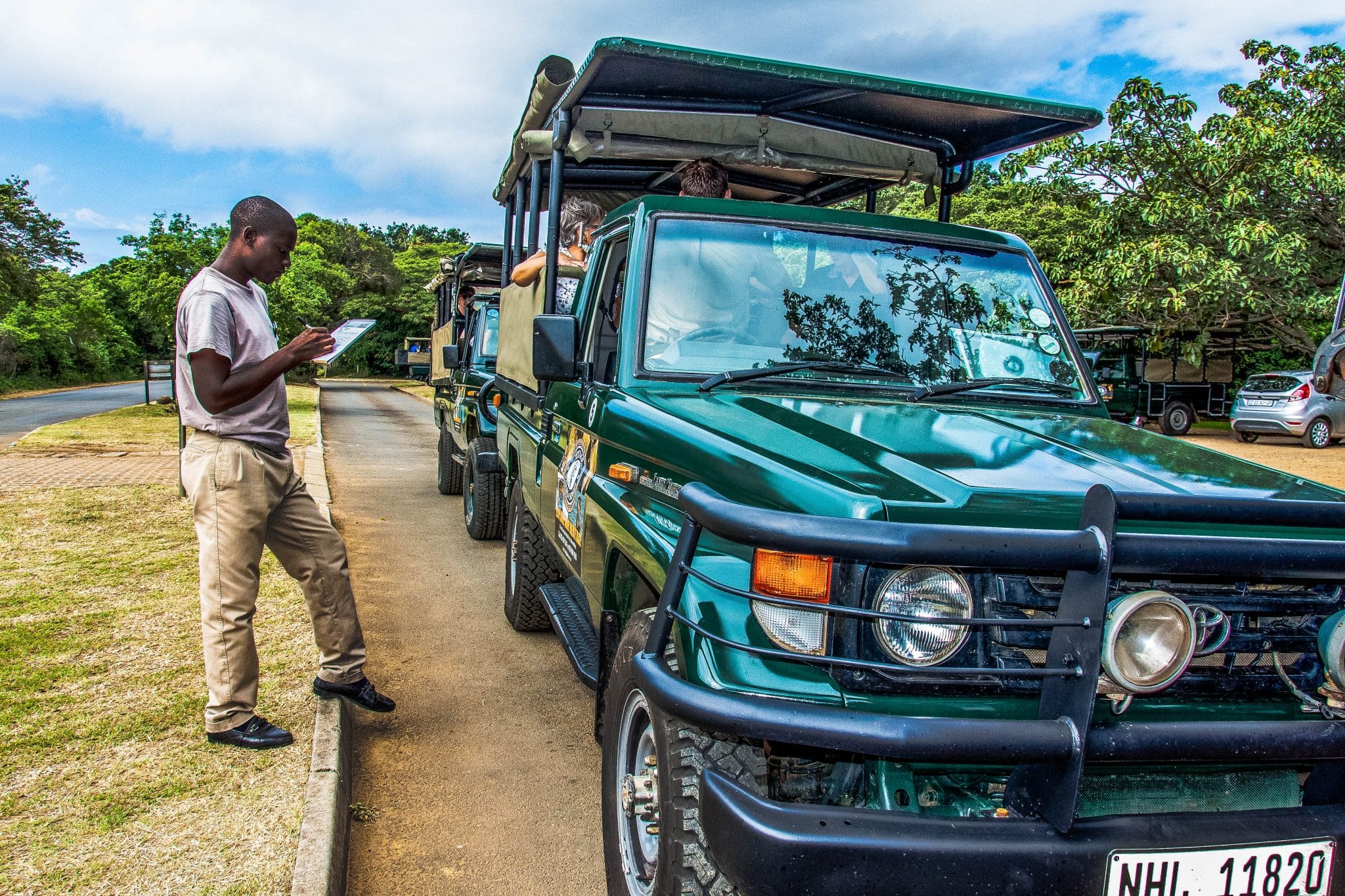
Beyond your guide's expertise, the safari vehicle itself is a critical component of flash flood safety. Reputable operators invest heavily in custom-built 4x4 vehicles, typically Toyota Land Cruisers or Land Rovers, equipped for extreme conditions. A key feature to look for is a snorkel, a raised air intake that allows the engine to breathe even when the bonnet is submerged in water. This is a clear indicator that an operator, which you can find in our operator directory, prepares for deep water crossings. Additionally, vehicles should be equipped with recovery gear, including a high-capacity winch, tow ropes, and a high-lift jack. Before attempting any river crossing, a guide will often walk into the water to manually check its depth and the firmness of the riverbed.
If your vehicle does get caught in rising water, the golden rule is to trust your guide and, in most cases, to stay in the vehicle. The 4x4 is extremely heavy and stable, providing a safe haven. Exiting into a fast-moving current is incredibly dangerous and can sweep a person away in seconds. Your guide will use the radio to call for support, and another vehicle will typically be dispatched to assist with a winch recovery.
The Aftermath: How Floods Reshape the Safari
While dangerous, flash floods are also a vital, life-giving force that reshapes the landscape. After a powerful flood recedes, the environment is dramatically altered. The surge of water replenishes dry pans and seasonal waterholes, which can attract thirsty wildlife for weeks to come. In places like Tarangire National Park, the newly filled Tarangire River can become a magnet for elephants, buffalo, and a host of predators.
The floodwaters also clear away old vegetation and deposit nutrient-rich silt, often leading to a flush of new green growth. This attracts plains game like zebra and wildebeest, creating new grazing hotspots. While some roads may be temporarily impassable, a knowledgeable guide can navigate alternative routes, offering a unique safari experience through a transformed landscape. For personalized help planning around these seasonal dynamics, consider connecting with our expert safari operators.
Need Expert Safari Guidance?
Get expert advisory support from a firm founded by a former safari guide — with real operational knowledge across 9 African countries and full-journey accountability.
Related Planning Guides
Recommended Reading
 Travel Logistics
Safari Road Transfer Safety Tips
Learn about safari road transfer safety tips and how it can impact your safari experience. Get expert advice and start planning your dream safari today.
 Travel Logistics
Safari Water and Drinking Safety
Staying hydrated on safari is crucial. Our guide to water and drinking safety will help you know what is safe to drink and what to avoid.
 Travel Logistics
Safari Food Safety and Hygiene
Enjoying the delicious food is a highlight of any safari. Our guide to food safety and hygiene will help you eat well and stay healthy on your trip.
 Safari Safety
Safari Safety Tips for First-Time Visitors
Planning your first African safari? Our expert guide provides essential safari safety tips for a worry-free adventure, from wildlife encounters to health advice.
 Safari Safety
Wildlife Safety on Safari
Planning an African safari? Our guide to wildlife safety provides essential tips for staying safe around wild animals, from game drives to walking safaris.
 Safari Safety
Safari Vehicle Safety Explained
Learn the essentials of safari vehicle safety, from vehicle design and guide expertise to choosing a safe operator for your African safari adventure.