
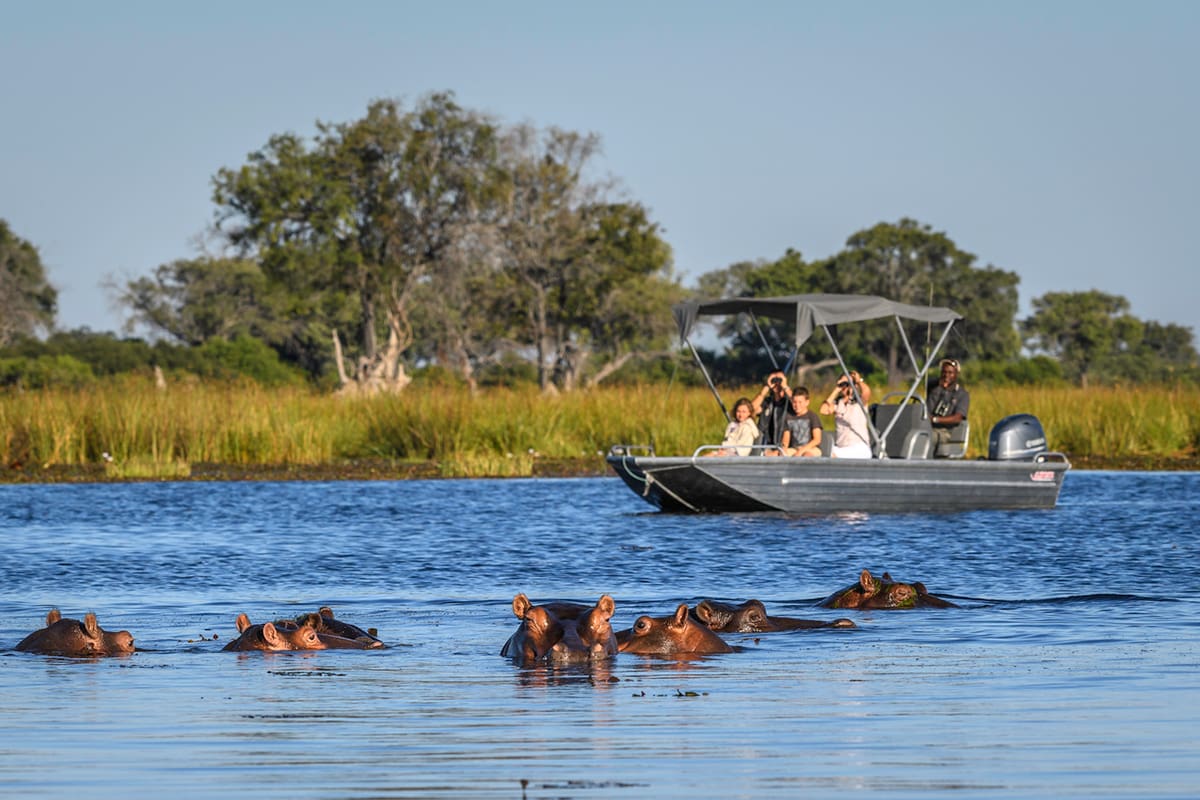
Planning a safari? Learn about safari travel insurance costs explained. Get expert advice and insights from Safari Intelligence to plan your perfect trip.
Importance of Travel Insurance
Comprehensive travel insurance is essential for any safari. It should cover trip cancellation or interruption, medical emergencies, and emergency medical evacuation. A safari can be a significant investment, and insurance protects you from unforeseen circumstances that could disrupt your plans. Our knowledge center has an article on choosing the right travel insurance.
What to Look for in a Policy
When choosing a travel insurance policy, make sure it includes a high level of medical coverage and, crucially, emergency medical evacuation. Many safari destinations are remote, and evacuation to a major hospital can be extremely expensive. Also, check the coverage for lost or delayed baggage and any adventure activities you plan to do. Our safari operators can recommend reputable insurance providers.
Still researching? Let us help.
Our advisory team has planned safaris across 9 African countries. We can turn your research into a real plan.
Talk to an AdvisorCost of Travel Insurance
The cost of travel insurance depends on your age, the length of your trip, the level of coverage you choose, and your destination. As a rough guide, you can expect to pay between 5% and 10% of your total trip cost for a comprehensive policy. While it is an extra expense, the peace of mind it provides is invaluable. For more on budgeting, use our cost calculator.
Deconstructing Comprehensive Safari Insurance: What to Look For
A standard travel insurance policy is a good start, but a safari in the African bush requires a more specialized approach. When evaluating policies, it’s crucial to look beyond the headline price and scrutinize the coverage details. A truly comprehensive plan for a safari adventure should include robust protection across several key areas. Here’s a detailed breakdown of what your policy must cover to ensure you are adequately protected.
1. Emergency Medical and Evacuation Coverage
This is the most critical component of any safari insurance policy. Medical facilities in remote safari locations are often basic and ill-equipped to handle serious medical emergencies. In the event of a severe illness or injury, you will likely require medical evacuation to a better-equipped hospital in a major city like Nairobi, Johannesburg, or even back to your home country.
Key Coverage Points:
- Emergency Medical Expenses: Your policy should cover at least $100,000 in emergency medical expenses, but for remote destinations, a higher limit of $250,000 or more is recommended. This covers hospitalization, doctor’s fees, and prescription medications.
- Emergency Evacuation and Repatriation: This covers the cost of transporting you to the nearest appropriate medical facility. Look for coverage of at least $500,000, as air ambulance services are extremely expensive. Repatriation, the cost of returning you to your home country for treatment, should also be included.
> Expert Insight: Many safari lodges and operators in remote areas like the Serengeti or the Okavango Delta require proof of medical evacuation insurance before you can stay with them. This is a non-negotiable requirement for your safety.
2. Trip Cancellation and Interruption
A significant portion of your safari cost is paid upfront in non-refundable deposits. Trip cancellation and interruption coverage protects this investment if you are forced to cancel or cut your trip short due to unforeseen circumstances.
Covered Reasons Typically Include:
- Serious illness or injury to you, a travel companion, or a close family member.
- A natural disaster at your destination or home.
- Jury duty or a court summons.
- Unexpected job loss.
Ensure your policy covers 100% of your pre-paid, non-refundable trip costs. For more flexibility, consider a "Cancel for Any Reason" (CFAR) upgrade, which we discuss in more detail below.
3. Travel Delay and Missed Connections
Delays are common when traveling to and within Africa. A missed connection could mean missing the start of your safari. Travel delay coverage reimburses you for additional accommodation, meals, and transportation costs incurred due to a covered delay (typically 6-12 hours).
4. Baggage and Personal Belongings
Lost or delayed baggage is a major inconvenience, especially when it contains essential safari gear. Your policy should provide coverage for lost, stolen, or damaged baggage and personal items. Pay close attention to the per-item limit and the total limit, and consider additional coverage if you are traveling with expensive camera equipment.
Choosing the Right Insurance Provider
With so many providers to choose from, selecting the right one can be daunting. Our safari operators have extensive experience with various insurance companies and can recommend providers that specialize in adventure travel. Look for companies with a proven track record of excellent customer service and efficient claims processing.
Traveler's Tip: Always read reviews from other travelers who have had to file a claim. A company’s true value is only revealed when you need their help the most. For more guidance, visit our knowledge center.
Done Reading? Let's Build Your Safari.
Skip the guesswork. Work with an advisor who has been on the ground across East and Southern Africa.
Plan With UsThe Fine Print: What to Watch Out For
Reading the policy document is tedious but essential. Pay close attention to the exclusions and limitations. For example, some policies may not cover injuries sustained during certain "hazardous" activities. Ensure that activities like walking safaris, hot air ballooning, or mokoro (dugout canoe) trips are covered.
Real-World Scenarios: When Insurance Is a Lifesaver
Case Study 1: The Medical Emergency A traveler on safari in a remote part of Tanzania developed a severe case of pneumonia. Their condition deteriorated rapidly, and they required immediate hospitalization. Their comprehensive travel insurance covered the cost of an emergency medical evacuation flight to a private hospital in Nairobi, as well as all their medical expenses, which totaled over $50,000.
Case Study 2: The Canceled Trip A family had booked a luxury safari to Botswana a year in advance. Two weeks before their departure, the primary traveler’s elderly parent fell seriously ill, and they had to cancel their trip. Their "Cancel for Any Reason" policy allowed them to recover 75% of their non-refundable trip costs, saving them over $20,000.
"Cancel for Any Reason" (CFAR) Coverage: Is It Worth It?
CFAR is an optional upgrade that provides the ultimate flexibility and peace of mind. It allows you to cancel your trip for any reason not otherwise covered by your policy and receive a partial refund (typically 75%) of your non-refundable trip costs. CFAR is more expensive, but it is an invaluable safety net for high-cost trips like a safari.
Your Safari Insurance Checklist
Before you plan your safari, use this checklist to ensure you have the right coverage:
- [ ] Medical Evacuation: Minimum $500,000 coverage.
- [ ] Emergency Medical: Minimum $100,000 coverage.
- [ ] Trip Cancellation: Covers 100% of non-refundable costs.
- [ ] Trip Interruption: Covers 100-150% of trip cost.
- [ ] Baggage and Personal Effects: Adequate coverage for your belongings.
- [ ] Hazardous Activities: Ensure your planned activities are covered.
- [ ] Provider Reputation: Choose a reputable provider with excellent reviews.
By investing in comprehensive travel insurance, you are protecting yourself against the unexpected and ensuring that your dream African safari is a safe and worry-free experience. Use our cost calculator to help budget for this essential expense.
Need Expert Safari Guidance?
Get expert advisory support from a firm founded by a former safari guide — with real operational knowledge across 9 African countries and full-journey accountability.
Related Planning Guides
Recommended Reading
 Safari Cost Guides
Safari Transfer Costs Explained
Planning a safari? Learn about safari transfer costs explained. Get expert advice and insights from Safari Intelligence to plan your perfect trip.
 Safari Cost Guides
Safari Cost Comparison Direct Booking vs Travel Agent
Learn about safari cost comparison direct booking vs travel agent in this comprehensive safari guide covering key insights and practical advice.
 Safari Cost Guides
Cost of a Solo Traveler Safari
Planning a safari? Learn about cost of a solo traveler safari. Get expert advice and insights from Safari Intelligence to plan your perfect trip.
 Safari Travel Tips
Safari Travel Insurance Guide
Our comprehensive safari travel insurance guide explains why it\
 Safari Operator Articles
Safari Operator Travel Insurance Requirements
Learn about safari operator travel insurance requirements and how it can impact your safari experience. Get expert advice and start planning your dream safari today.
 Travel Logistics
Safari Medical and Travel Insurance
Travel insurance is essential for any safari. Our guide to medical and travel insurance will help you choose the right policy and travel with peace of mind.