
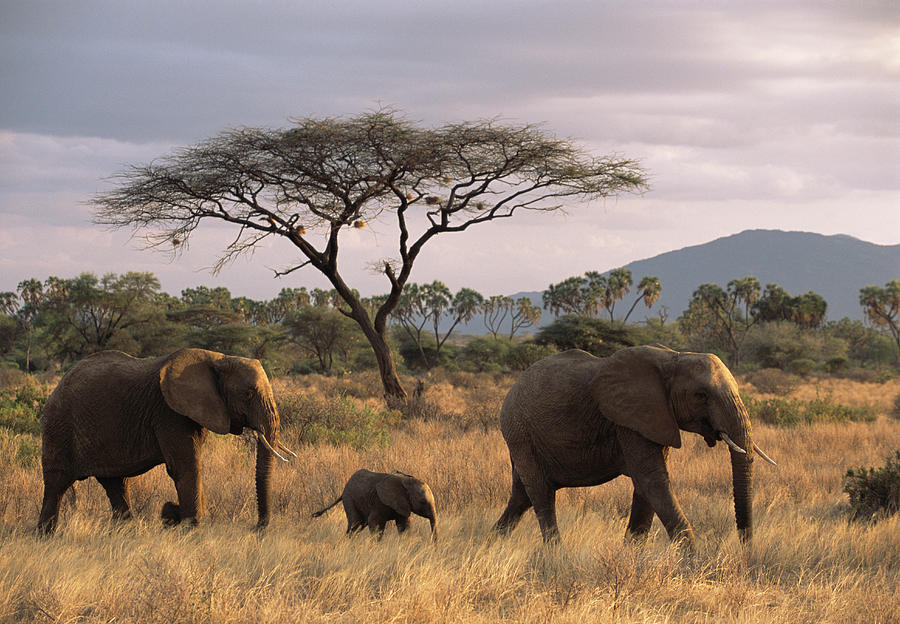
Learn about safari operator liability and waivers and how it can impact your safari experience. Get expert advice and start planning your dream safari today.
Safari Operator Liability and Waivers
This is the content for the article: Safari Operator Liability and Waivers.
This article is in the category: Safari Operator Articles.
Here are some internal links:
_This article is for informational purposes only and does not constitute legal advice. We recommend consulting with a legal professional for specific advice regarding liability waivers and contracts._
Understanding the Safari Liability Waiver
A liability waiver is a legal document you will be required to sign before embarking on a safari. Its primary purpose is to inform you of the inherent risks involved in wildlife viewing and adventure travel and to have you acknowledge and accept those risks. By signing, you agree to release the safari operator from liability for injuries, death, or property loss that may occur during the trip, provided the operator has not acted with gross negligence.
While it may seem intimidating, a professionally drafted waiver is a sign of a responsible and experienced operator. It demonstrates that they have thoroughly considered the potential dangers and have systems in place to mitigate them. It is a standard and necessary part of the safari industry, designed to protect both the traveler and the operator.
> Expert Insight: A well-structured waiver is not a way for an operator to escape all responsibility. Rather, it is a tool for transparency. It sets clear expectations about the shared responsibilities between you and your guide for ensuring a safe experience in an unpredictable environment. An operator that doesn't use a waiver may not fully appreciate the risks involved, which should be a significant red flag.
Still researching? Let us help.
Our advisory team has planned safaris across 9 African countries. We can turn your research into a real plan.
Talk to an AdvisorCommon Risks Outlined in a Safari Waiver
Liability waivers are comprehensive documents that must account for a wide range of potential incidents. While each operator's waiver will differ slightly, most will cover similar categories of risk inherent to African safaris. Understanding these upfront can help you mentally and practically prepare for your adventure.
Key risks typically include:
- Wildlife Encounters: The most obvious risk. Wild animals are unpredictable. The waiver will state that the operator is not responsible for injury or death resulting from the unforeseeable actions of animals. This includes everything from a defensive elephant charge to a venomous snake bite or an insect-borne illness.
- Vehicle and Transportation Risks: This covers accidents that may occur during game drives, airport transfers, or any other transportation provided by the operator. Roads in remote safari destinations like the Serengeti or Maasai Mara can be rough and unpaved, and mechanical issues can occur.
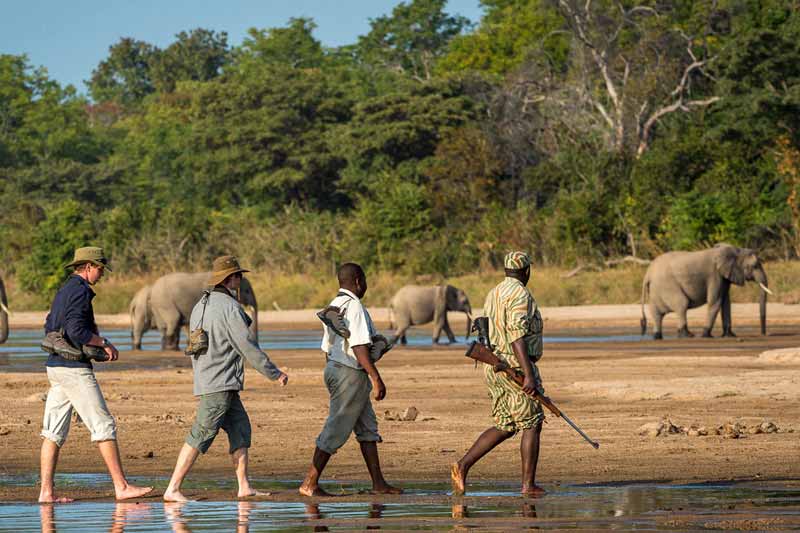
- Activity-Related Risks: Many safaris include activities beyond standard game drives. These may include walking safaris, canoe trips, or hot air balloon rides. Each carries its own specific set of risks, which will be outlined. For example, a walking safari waiver will emphasize the dangers of being on foot in a wilderness area with predators.
- Health and Medical Risks: Access to advanced medical care is often limited in remote safari locations. The waiver will address risks related to pre-existing medical conditions, allergic reactions, and the challenges of receiving emergency medical services. It underscores the importance of having comprehensive travel insurance.
- Environmental and Natural Risks: This category includes dangers posed by the natural environment, such as extreme weather, flash floods, or wildfires. It also covers risks associated with staying in unfenced camps, where wildlife can move freely through the property.
> Traveler's Tip: Pay close attention to the section on medical evacuation. A reputable operator will often require you to have insurance that covers emergency air evacuation to a major hospital. This is not a place to cut corners; the cost of an emergency flight from a remote park can be astronomical. Before your trip, confirm the details of your coverage with your insurance provider and share them with your safari planning guide.
The Traveler's Responsibility: Your Role in a Safe Safari
Safety on safari is a partnership between the operator and the traveler. While the operator is responsible for providing experienced guides, reliable vehicles, and a safe environment, you also have a crucial role to play. The liability waiver implicitly outlines your responsibilities as a participant. Failing to uphold your end of this agreement can not only put you and others at risk but may also impact the operator's liability.
Your key responsibilities include:
- Following Instructions: This is the single most important rule of any safari. Always listen to your guide. Their instructions are based on years of experience and an intimate understanding of animal behavior and the local environment. Whether it’s staying in the vehicle, keeping your voice down, or not using a camera flash, their directions are for your safety.
- Disclosing Medical Information: You must be honest and thorough when providing medical information to your operator. This includes pre-existing conditions, allergies, and any necessary medications. This information allows the operator to prepare for potential emergencies and advise on the suitability of certain activities. Hiding a condition that could be exacerbated by heat, altitude, or physical exertion is a serious risk.
- Acting Responsibly: This includes respecting wildlife, not attempting to feed or touch animals, and being mindful of your surroundings, especially in unfenced camps. It also means consuming alcohol responsibly and not engaging in reckless behavior that could endanger yourself, other guests, or the staff.
- Securing Your Belongings: While theft is rare on organized safaris, it is still your responsibility to look after your valuables, such as cameras, passports, and cash. The waiver will typically state that the operator is not liable for lost or stolen personal property.
> Case Study: On a walking safari in Zambia's South Luangwa National Park, a guest repeatedly strayed from the single-file line, despite the guide's warnings. He wanted a clearer photo of a buffalo herd. His movements were perceived as a threat by a bull, which began a mock charge. The guide, an experienced professional, was able to de-escalate the situation by standing his ground and making loud noises. While no one was harmed, the incident put the entire group in unnecessary danger. Had an injury occurred, the operator's liability would be significantly diminished due to the guest's explicit failure to follow the guide's instructions.
Gross Negligence: The Exception to the Waiver
While a liability waiver releases an operator from responsibility for inherent risks, it does not protect them from a charge of gross negligence. This is a critical distinction. Gross negligence is a conscious and voluntary disregard of the need to use reasonable care, which is likely to cause foreseeable grave injury or harm to persons, property, or both.
In the context of a safari, examples of gross negligence could include:
- A guide intentionally driving dangerously close to an agitated elephant for a photo opportunity, resulting in a vehicle being overturned.
- An operator knowingly using a vehicle with faulty brakes that fails during a game drive, causing an accident.
- A camp manager failing to address a known hole in the fence of a camp in a predator-dense area, leading to an animal entering and causing harm.
- A guide proceeding with a canoe safari despite being officially warned of dangerously high water levels.
In such cases, a liability waiver may be deemed unenforceable. If you can prove that the operator acted with a reckless disregard for your safety that went far beyond the accepted risks of a safari, you may have grounds for legal action. However, proving gross negligence is a high legal bar and requires substantial evidence.
> Expert Insight: The line between an inherent risk and gross negligence can be fine. For example, a vehicle getting a flat tire on a rough road is an accepted risk. An accident caused by that flat tire is unlikely to be the operator's fault. However, if the tires were visibly bald and the operator had neglected to replace them for months, it could be argued as negligence. This is why traveling with a reputable operator, vetted through a trusted platform like our safari operators, is so important. Top-tier operators have rigorous standards for vehicle maintenance and guide training to prevent such issues.
Done Reading? Let's Build Your Safari.
Skip the guesswork. Work with an advisor who has been on the ground across East and Southern Africa.
Plan With UsThe Importance of Travel Insurance
No discussion of liability is complete without emphasizing the non-negotiable need for comprehensive travel insurance. A waiver protects the operator; travel insurance protects you. Your policy is your primary safety net for any unforeseen medical emergency, trip cancellation, or loss of property. It works in tandem with the waiver. While the waiver acknowledges the risks, the insurance provides the financial and logistical support if one of those risks materializes. Ensure your policy includes robust medical evacuation coverage, as this is the most critical component for a remote African safari. You can learn more in our detailed guide to understanding [safari travel insurance](/knowledge/understanding-safari-travel-insurance).
Need Expert Safari Guidance?
Get expert advisory support from a firm founded by a former safari guide — with real operational knowledge across 9 African countries and full-journey accountability.
Related Planning Guides
Recommended Reading
 Safari Operator Articles
How to Choose a Safari Operator in Tanzania
Learn how to select the best safari operator in Tanzania for your dream trip to the Serengeti, Ngorongoro Crater, and other iconic parks.
 Safari Operator Articles
How to Choose a Safari Operator in Kenya
Discover how to choose the right safari operator in Kenya for an unforgettable experience in the Maasai Mara, Amboseli, and other famous reserves.
 Safari Operator Articles
How to Choose a Safari Operator in Botswana
Find out how to select the best safari operator in Botswana for an exclusive and pristine wildlife experience in the Okavango Delta and Chobe National Park.
 Safari Comparison Articles
Safari With International Operator vs Local Operator
An in-depth comparison of Safari With International Operator vs Local Operator to help you choose the perfect safari experience. Explore the pros, cons, and key
 Safari Planning
How to Choose a Safari Operator
Learn how to choose a reputable African safari operator with our expert guide. We cover vetting companies, questions to ask, and understanding safari costs.
 Advanced Safari Planning
Safari Insurance and Liability
Learn why safari insurance is essential for your trip to Africa, what your policy should cover, and how to understand safari operator liability and waivers.