
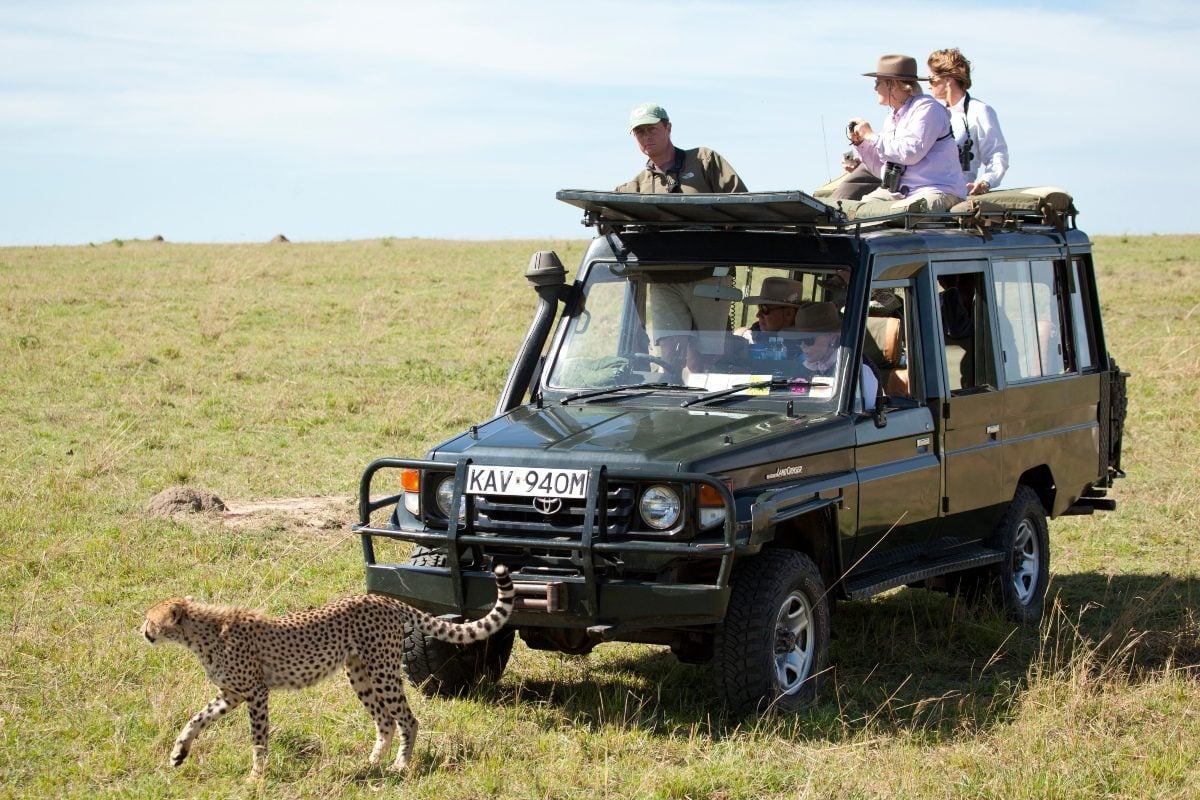
Avoid common safari travel mistakes with our expert guide. Learn what not to do when planning your African safari to ensure a smooth, safe, and spectacular journey.
An African safari is a dream trip, but the planning process is complex. From booking at the wrong time to packing incorrectly, simple mistakes can impact your experience. This guide will help you avoid common safari travel mistakes for a smooth, safe, and spectacular journey.
Booking Too Late (or Too Early)
Timing is everything when booking a safari. The window for the best lodges, guides, and prices is narrower than you might expect.
The Problem with Last-Minute Bookings
The best safari lodges and camps, especially in prime areas like the Serengeti or Maasai Mara, fill up 9-12 months in advance, particularly during peak season (June-October and December-February). Last-minute bookings often mean settling for less desirable accommodations and guides. Activities like gorilla trekking in Uganda or Rwanda require permits booked months, or even a year, ahead.
Why Booking Too Far in Advance Can Be Risky
Booking more than 18 months out has its own challenges. Lodge ownership can change, flight schedules aren't always released, and your own plans may not be firm. It can also lead to complications if you need to make changes, and your deposit may be tied up for longer than necessary.
The Sweet Spot: When to Book Your Safari
For most destinations, the ideal booking window is 9 to 12 months before your travel dates. This provides enough time to secure preferred lodges and guides, especially during high season. For more exclusive experiences, like a private concession in Botswana, plan 12-15 months out.
Overpacking or Underpacking
Packing for a safari is a balancing act between being prepared and dealing with strict luggage limits.
The Dangers of an Overstuffed Suitcase
Many travelers bring too much. Large, hard-sided suitcases are impractical and often not allowed on internal flights. Overpacking leads to stress and excess baggage fees. Most lodges offer laundry services, so you don't need a new outfit daily. Pack lightweight, neutral-colored clothing you can layer.
Essential Items You Don't Want to Forget
Don't forget binoculars, a camera with a zoom lens, a wide-brimmed hat, sunglasses, and sunscreen. A small first-aid kit with prescription medications, pain relievers, and insect repellent is also crucial. A warm fleece or jacket is a must for cool evenings and early mornings.
Luggage Restrictions on Safari Flights
Internal flights on small aircraft in Kenya, Tanzania, or Botswana have strict luggage restrictions, typically 15 kg (33 lbs) per person in a soft-sided duffel bag. Always check the specific requirements before packing.
Still researching? Let us help.
Our advisory team has planned safaris across 9 African countries. We can turn your research into a real plan.
Talk to an AdvisorChoosing the Wrong Safari Style
Not all safaris are the same. The style of your safari will have a major impact on your experience.
Group Tours vs. Private Safaris
A group tour can be cost-effective but lacks flexibility. A private safari is designed around your interests, with a private vehicle and guide, allowing you to control your schedule. For photographers, families, or those with specific interests, a private safari is usually the better choice.
Luxury Lodges vs. Tented Camps
Many tented camps are as luxurious as the finest hotels but offer a more immersive connection to the wilderness. A traditional lodge may provide more comfort for those nervous about nature. The right choice is a matter of personal preference.
Driving vs. Flying Safaris
Driving between parks reveals the countryside but can be time-consuming. In large countries like Tanzania, flying maximizes your time in wildlife areas. A good itinerary often combines both.
Ignoring Expert Advice
Planning a safari on your own can lead to costly mistakes. The guidance of a seasoned safari expert is invaluable.
The Value of a Good [Safari Planning Guide](/operators)
A professional safari planning guide crafts a personalized itinerary based on your interests and budget. They have firsthand knowledge and can offer insights you won't find online. They are also a crucial resource if anything goes wrong.
Dangers of Relying Solely on Online Reviews
Online reviews can be outdated, biased, or fake. A safari planning guide has up-to-date, on-the-ground knowledge and provides a more reliable assessment of a lodge or operator.
Questions to Ask Your Safari Operator
When vetting an operator, ask about their history, registration, insurance, and guide training. A reputable operator will answer your questions and provide the information you need to feel confident.
Unrealistic Wildlife Expectations
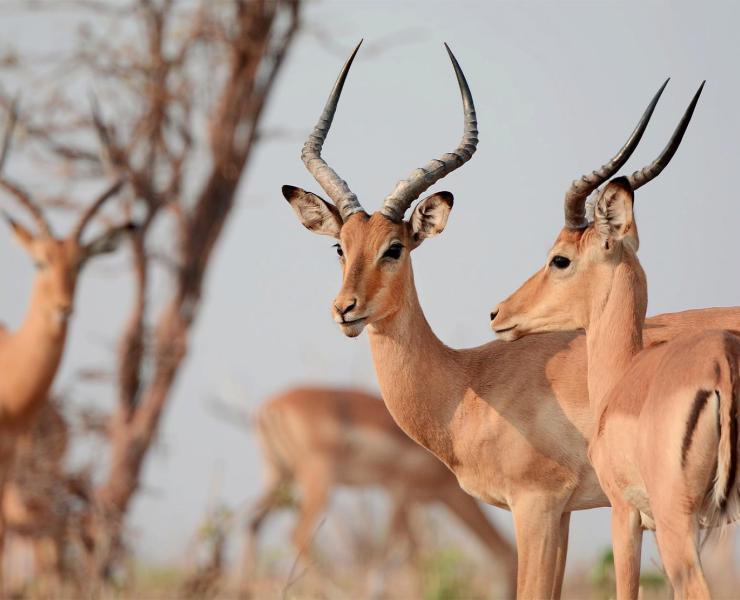
An African safari is not a zoo. The animals are wild and unpredictable.
The "[Big Five](/knowledge/the-big-five-animals-explained)" Obsession
Focusing only on the "Big Five" (lion, leopard, elephant, rhino, and buffalo) can cause you to miss the incredible diversity of other wildlife. A great safari is about appreciating the entire ecosystem.
Understanding Animal Behavior
Wildlife sightings are never guaranteed. The thrill is in the search. Understanding that animal behavior is unpredictable is key to enjoying your safari.
The Importance of Patience and a Good Guide
Patience is a virtue on safari. A good guide knows how to read the signs of the bush and position you for the best viewing opportunities. Trust your guide and soak in the experience.
Done Reading? Let's Build Your Safari.
Skip the guesswork. Work with an advisor who has been on the ground across East and Southern Africa.
Plan With UsNeglecting Health and Safety
Africa has a wide range of health and safety considerations. Proper precautions are essential.
Vaccinations and Medications
Consult your doctor or a travel clinic 4-6 months before your trip to discuss necessary vaccinations and medications. Depending on your destination, you may need vaccinations for yellow fever, typhoid, and hepatitis A, as well as anti-malarial medication.
Travel Insurance: A Non-Negotiable
Comprehensive travel insurance is mandatory. Your policy should cover trip cancellation, interruption, and, most importantly, emergency medical evacuation. Ensure your policy includes at least $200,000 in medical evacuation coverage.
Staying Safe in the Bush
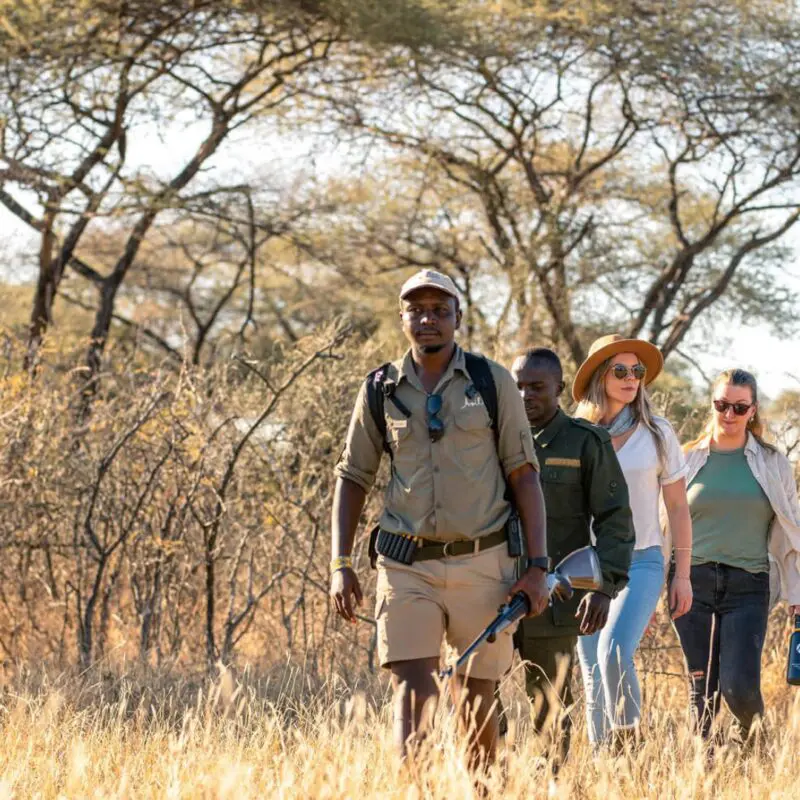
Listen to your guide's safety briefing and follow the rules of the lodge. Never walk around unescorted at night, and do not feed any animals. Respecting the wildlife and your environment ensures a safe experience.
Planning a safari is a significant investment. By avoiding these common travel mistakes, you can protect that investment and ensure your African adventure is everything you've dreamed of. Thoughtful planning, expert guidance, and a flexible attitude are the keys to an unforgettable safari journey.
Need Expert Safari Guidance?
Get expert advisory support from a firm founded by a former safari guide — with real operational knowledge across 9 African countries and full-journey accountability.
Related Planning Guides
Explore Related Topics
Recommended Reading
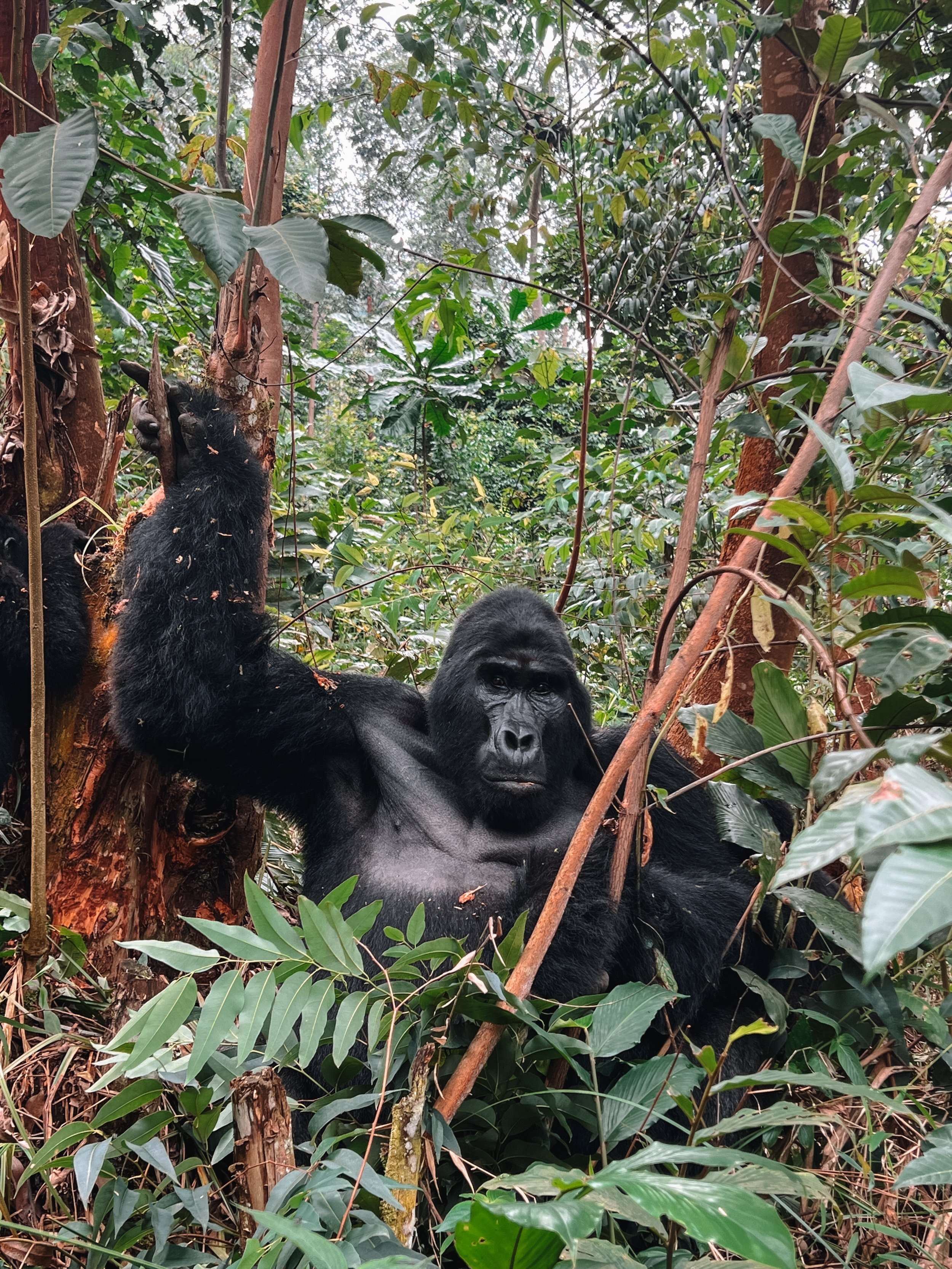 Safari Advisor Content
How a Safari Advisor Helps You Avoid Mistakes
Discover the essentials of how a safari advisor helps you avoid mistakes for an unforgettable African safari adventure.
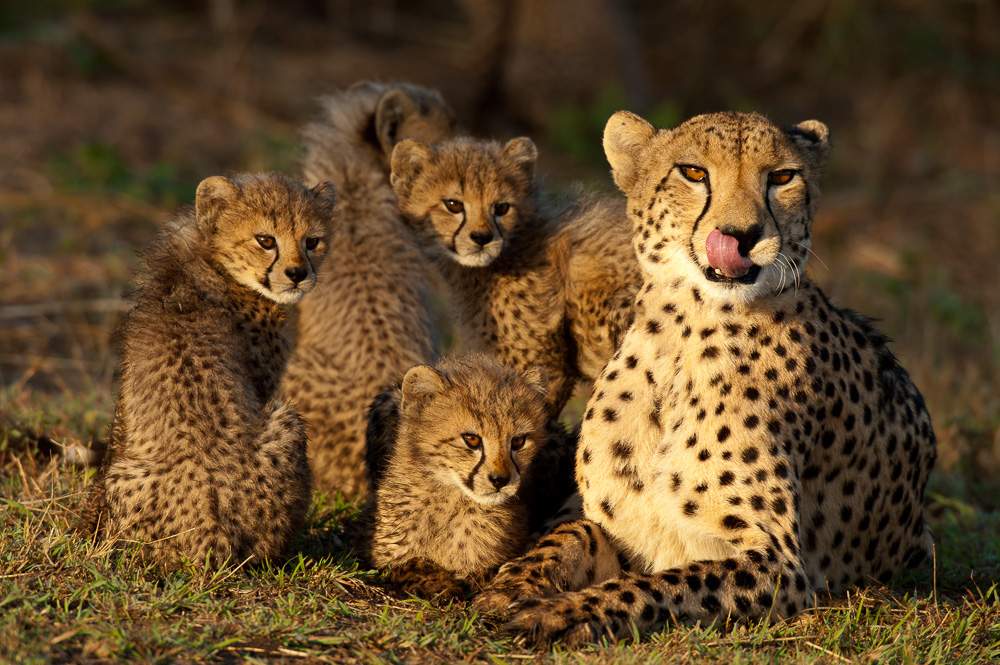 Safari Planning
Vaccinations Needed for African Safari Travel
Learn about the required and recommended vaccinations for your African safari. Our guide covers Yellow Fever, Malaria, and other health precautions for your trip.
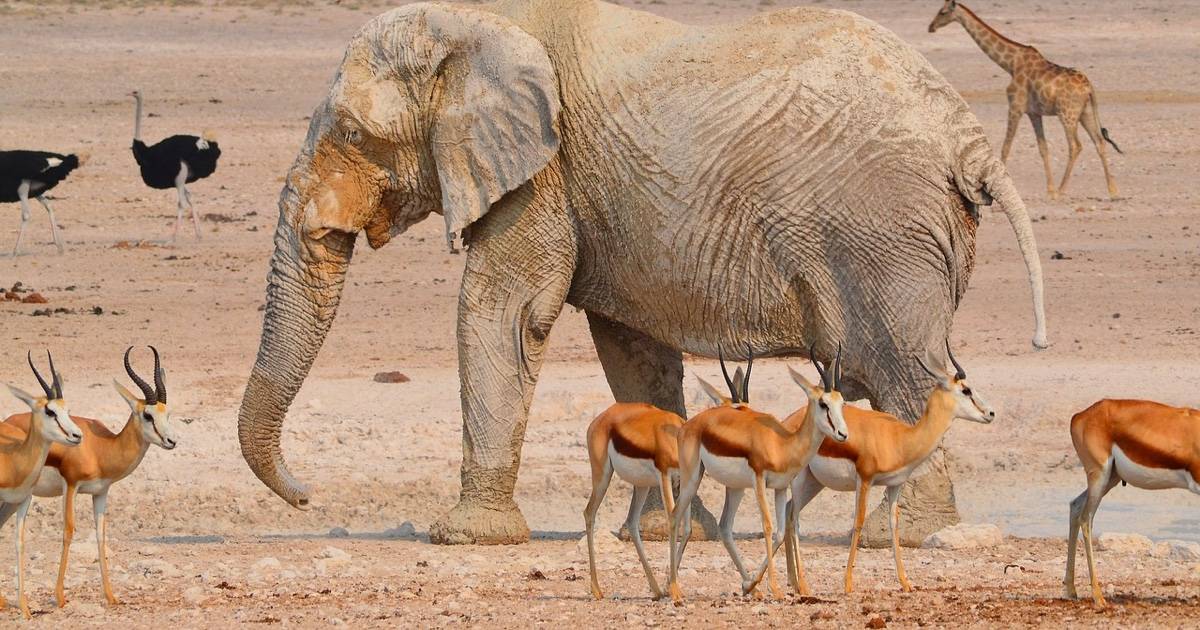 Safari Planning
Travel Insurance for African Safaris
Learn why travel insurance is essential for your African safari. Our guide covers medical emergencies, trip cancellations, and choosing the right policy for you.
 Safari Travel Tips
Safari Travel Insurance Guide
Our comprehensive safari travel insurance guide explains why it\
 Safari Planning
Best Countries for First-Time Safari Travelers
Discover the best countries for a first-time safari. Our expert guide compares Tanzania, Kenya, South Africa, and more to help you plan your dream African adventure.
 Safari Safety
Is African Safari Safe for Travelers?
Is an African safari safe? Our expert guide covers the real risks, safety measures, and practical advice to help you plan a secure and unforgettable journey.