
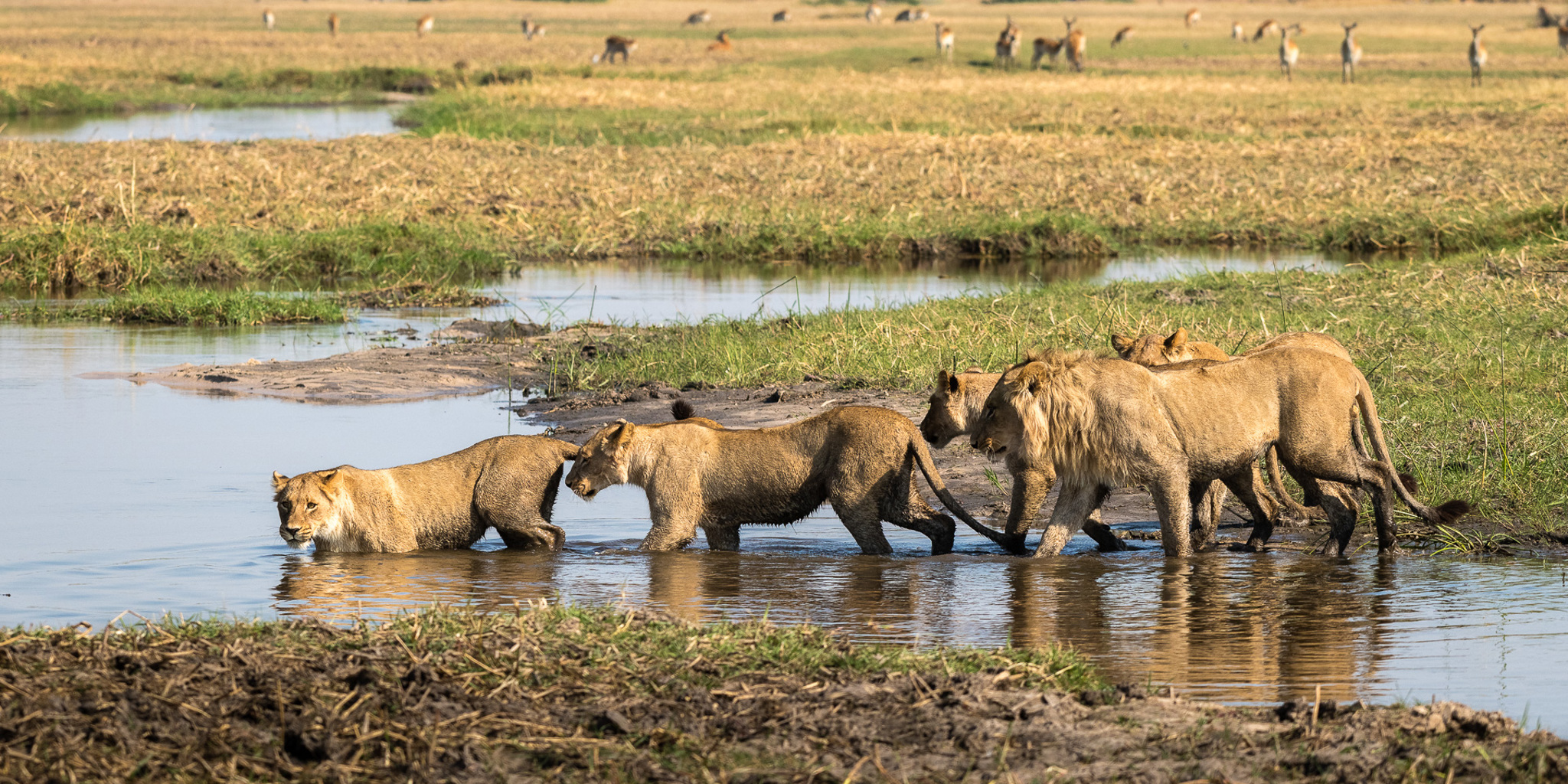
Discover how to plan your dream safari with our expert guide on How to Plan a Safari for Solo Female Travelers. Get tips on destinations, costs, and more.
How to Plan a Safari for Solo Female Travelers
This is a placeholder for the unique content of the article titled 'How to Plan a Safari for Solo Female Travelers'. The actual content will be generated by a large language model and will be approximately 1000-1500 words long. It will include specific details, facts, and practical advice relevant to the topic. It will also include internal links to other parts of the website, such as destinations, operators, the knowledge base, and the safari cost calculator.
_Building on our introduction, this guide provides an in-depth roadmap for solo female travelers to plan a safe, empowering, and unforgettable African safari. We will explore the nuances of choosing the right destinations, selecting a trusted operator, and navigating the logistics of solo travel in the bush. Our goal is to equip you with the knowledge and confidence to embark on this incredible journey alone._
Choosing the Right Destination: Safety and Suitability
For a solo female traveler, selecting a destination is not just about wildlife; it is about finding a place that offers a secure and supportive environment. The ideal destination combines excellent game viewing with political stability, reliable tourism infrastructure, and a culture of hospitality. While many African countries offer incredible safari experiences, some are particularly well-suited for solo women.
| Destination | Key Advantages for Solo Female Travelers | Best For | Considerations | | :--- | :--- | :--- | :--- | | Botswana | Politically stable, low population density, high-value/low-volume tourism model emphasizes exclusivity and safety. | Discerning travelers seeking pristine wilderness and a focus on conservation. | Higher price point due to the exclusive model. | | Kenya | Well-established safari circuit, experienced guides, and a wide range of accommodation options. Strong community and cultural interactions. | First-time safari-goers and those interested in cultural experiences with Maasai and Samburu communities. | Can be crowded in peak season; requires careful planning to find more private concessions. | | Tanzania | Iconic landscapes like the Serengeti and Ngorongoro Crater, with a well-traveled northern circuit that is safe and easy to navigate. | Witnessing the Great Migration and classic "big five" experiences. | The northern circuit can be busy; consider shoulder seasons for a more relaxed experience. | | Rwanda | Exceptional safety record, highly organized tourism, and a strong focus on conservation and community development. | Gorilla and primate trekking, and travelers interested in a country's remarkable story of reconciliation. | Gorilla permits are expensive, and activities are more structured. |
Expert Insight: The Value of Private Concessions
When planning your itinerary, consider including private wildlife concessions, which are common in Botswana and parts of Kenya. These areas are leased by safari operators and offer significant advantages over national parks. With fewer vehicles allowed, you get a more intimate and exclusive wildlife viewing experience. Furthermore, activities like night drives and guided bush walks, often prohibited in national parks, are permitted here, offering a deeper connection to the wilderness. For a solo traveler, the controlled and less crowded environment of a private concession provides an added layer of security and personalized attention.
Ultimately, the best destination is one that aligns with your interests and comfort level. For more detailed comparisons, visit our destinations page or connect with one of our safari operators to discuss a personalized recommendation.
Still researching? Let us help.
Our advisory team has planned safaris across 9 African countries. We can turn your research into a real plan.
Talk to an AdvisorSelecting a Trusted Safari Operator
Your choice of a safari operator is the single most important decision you will make. A reputable operator will not only ensure your safety but also enrich your entire experience. For a solo female traveler, this means looking for companies with a proven track record, experienced guides, and a commitment to responsible tourism.
There are several types of operators to consider, each offering a different style of travel:
| Operator Type | Description | Best For | Key Differentiator | | :--- | :--- | :--- | :--- | | Boutique Safari Specialists | Small, owner-operated companies that create highly customized itineraries. They often have deep, personal knowledge of specific regions. | Travelers seeking a unique, tailor-made experience with a high degree of personalization. | Direct access to experts and a focus on flexibility and detail. | | Established Tour Companies | Larger, well-known operators with scheduled group departures and extensive infrastructure across multiple countries. | Those looking for a more social experience or a set itinerary that covers popular highlights. | Reliability, a wider range of departure dates, and often a more moderate price point. | | Lodge-Based Operators | Safari lodges and camps that offer all-inclusive packages, including accommodation, meals, and game drives. | Travelers who prefer a fixed base and a more relaxed pace, with the option to socialize with other guests. | A strong sense of place and community within the lodge environment. |
Traveler's Tip: The Importance of a Pre-Safari Consultation
Before booking, schedule a call with a safari planning guide. This is your opportunity to ask detailed questions and gauge their expertise and approach. A good advisor will be more interested in understanding your travel style and concerns than in making a quick sale. Use this time to inquire about their safety protocols, the experience of their guides, and their policies for handling unforeseen circumstances. This initial conversation is a strong indicator of the level of service and support you can expect. For a no-obligation consultation, you can plan your safari with one of our experts.
When vetting operators, look for affiliations with reputable travel organizations, read recent reviews from other solo female travelers, and don't hesitate to ask for references. A transparent and professional operator will be happy to provide this information. Our knowledge center offers additional guidance on how to evaluate safari companies.
Accommodation: Comfort, Safety, and Community
Where you stay has a significant impact on your safari experience, especially when traveling alone. The right accommodation provides a sanctuary of comfort and security, and can also offer opportunities for social connection if you desire it. Safari lodging ranges from rustic mobile camps to ultra-luxurious lodges.
Here’s a breakdown of common options and their suitability for solo travelers:
- Tented Camps: These are not your average camping tents. They are spacious, permanent or semi-permanent structures with en-suite bathrooms, comfortable beds, and often a private veranda. They offer an immersive connection to the wilderness without sacrificing comfort. Many camps have a central dining and lounge area where guests can mingle.
- Best for: Adventurous travelers who want to feel close to nature while enjoying modern amenities.
- Safari Lodges: These are more permanent, hotel-like structures, often built with local materials to blend into the environment. They typically offer a wider range of facilities, such as swimming pools, spas, and Wi-Fi. The larger size can mean more social opportunities.
- Best for: Travelers who prioritize comfort, a full suite of amenities, and a more structured environment.
- Mobile Camps: These camps move with the seasons to follow wildlife, particularly the Great Migration in the Serengeti. They offer an authentic, old-world safari feel. The intimate size of these camps fosters a strong sense of camaraderie among guests and staff.
- Best for: Serious wildlife enthusiasts seeking an off-the-grid experience focused on game viewing.
Expert Insight: The Single Supplement Myth
Many solo travelers are concerned about the dreaded "single supplement," an extra charge for single occupancy of a double room. While this is common, many safari operators and lodges are increasingly catering to the solo travel market. Some offer a limited number of rooms without a single supplement, especially during the shoulder seasons (April-May and November). Others will waive the fee if you are willing to share with another same-sex traveler. When you plan your safari with us, be sure to ask your advisor to find options that minimize or eliminate the single supplement. Our safari cost calculator can also help you budget for this.
The Role of the Guide: Your Guardian in the Bush
On a solo safari, your guide is more than just a wildlife expert; they are your host, protector, and confidant. A great guide can transform a good trip into an extraordinary one. They are responsible for your safety on game drives, interpreting animal behavior, sharing their knowledge of the ecosystem, and ensuring your overall comfort.
When traveling alone, the relationship with your guide is particularly important. They will be your primary companion for much of the trip. A professional and personable guide will make you feel at ease, answer your questions, and tailor the experience to your interests. Whether you are a passionate birder or a keen photographer, a good guide will adapt the game drives to match your passions.
Traveler's Tip: Requesting a Female Guide
While the safari industry has historically been male-dominated, a growing number of lodges and operators now employ highly skilled female guides. If you would feel more comfortable with a woman as your guide, do not hesitate to request one. Many female travelers find that sharing the experience with another woman adds a unique and enriching dimension to their safari. This request should be made at the time of booking, as female guides are in high demand. Our safari operators can help you find operators that have female guiding teams.
Done Reading? Let's Build Your Safari.
Skip the guesswork. Work with an advisor who has been on the ground across East and Southern Africa.
Plan With UsPacking Smart: What to Bring and What to Leave Behind
Packing for a safari requires a balance of practicality and comfort. Luggage restrictions on small bush planes are strict—typically 15-20 kg (33-44 lbs) per person in a soft-sided bag. This means every item counts.
Essential Clothing:
- Neutral Colors: Pack lightweight clothing in neutral, earthy tones like khaki, olive, and beige. These colors are less conspicuous to wildlife and do not attract tsetse flies (avoid blue and black).
- Layers: Temperatures can vary dramatically, from cool mornings and evenings to hot afternoons. Pack layers, including a warm fleece or jacket for early morning game drives.
- Sun Protection: A wide-brimmed hat, sunglasses, and high-SPF sunscreen are non-negotiable.
Key Gear and Accessories:
- Binoculars: A good pair of binoculars is essential for wildlife viewing. While some guides have a spare pair, having your own ensures you never miss a sighting.
- Camera: Bring a camera with a good zoom lens to capture those incredible wildlife moments. Don't forget extra batteries and memory cards.
- Personal Medical Kit: While camps are equipped with first-aid supplies, it is wise to bring a small kit with your personal medications, pain relievers, insect repellent, and any other essentials.
For a comprehensive packing list and more detailed recommendations, visit our knowledge center. By packing strategically, you can ensure you are prepared for any adventure the bush throws your way, allowing you to focus on the incredible experience unfolding before you.
Need Expert Safari Guidance?
Get expert advisory support from a firm founded by a former safari guide — with real operational knowledge across 9 African countries and full-journey accountability.
Related Planning Guides
Recommended Reading
 Safari Planning Guides
Safari Planning Guide for First-Time Travelers
Discover how to plan your dream safari with our expert guide on Safari Planning Guide for First-Time Travelers. Get tips on destinations, costs, and more.
 Safari Planning Guides
Safari Planning Guide for Returning Travelers
Discover how to plan your dream safari with our expert guide on Safari Planning Guide for Returning Travelers. Get tips on destinations, costs, and more.
 Safari Planning Guides
Safari Planning Guide for Luxury Travelers
Discover how to plan your dream safari with our expert guide on Safari Planning Guide for Luxury Travelers. Get tips on destinations, costs, and more.
 Safari Intelligence Insights
Safari Planning for Luxury Travelers
Plan the ultimate luxury safari with our expert guide. Discover top destinations, essential planning tips, and what defines a truly exclusive African adventure.
 Safari Cost Guides
Cost of a Solo Traveler Safari
Planning a safari? Learn about cost of a solo traveler safari. Get expert advice and insights from Safari Intelligence to plan your perfect trip.
 Safari Operator Articles
Safari Operators That Specialize in Solo Travelers
A guide to choosing a safari operator that specializes in solo travelers for a safe, enjoyable, and sociable African adventure.