
A comprehensive guide to Endangered Species of Africa. Learn about its habitat, behavior, diet, and conservation status.
Endangered Species of Africa
Every safari destination in Africa has its own character, and endangered species of africa varies accordingly. This guide helps you understand the nuances so you can make informed decisions for your specific itinerary.
Safety and Health Considerations: Endangered Species of Africa
Safety is paramount when it comes to endangered species of africa on safari. Reputable operators maintain strict safety protocols and employ experienced guides who are trained to handle a wide range of situations. Always verify that your chosen operator has proper licensing, insurance, and safety certifications.
Health preparation is an essential component of endangered species of africa. Consult with a travel medicine specialist at least six weeks before your departure to discuss vaccinations, malaria prophylaxis, and other health precautions specific to your destinations.
Travel insurance that specifically covers safari activities is strongly recommended. Standard travel insurance policies may not cover all the activities and situations you might encounter on an African safari. Ensure your policy covers medical evacuation, trip cancellation, and activity-specific risks.
Still researching? Let us help.
Our advisory team has planned safaris across 9 African countries. We can turn your research into a real plan.
Talk to an AdvisorSeasonal Factors and Timing: Endangered Species of Africa
Weather patterns across Africa are becoming less predictable due to climate change, which adds another layer of consideration to endangered species of africa. Working with operators who have current, on-the-ground knowledge of conditions is more important than ever.
The timing of your safari significantly impacts endangered species of africa. Dry season months, typically June through October in most East African destinations, offer different conditions than the green season months of November through May. Each period has distinct advantages and considerations.
Practical Planning Steps
Step three is creating a detailed plan that accounts for all aspects of endangered species of africa. This should include timelines, budgets, backup options, and contingency plans. The most successful safari travelers are those who plan thoroughly while remaining flexible enough to adapt to changing conditions.
Step two involves researching your options thoroughly. Compare different destinations, operators, and approaches to endangered species of africa. Read reviews from verified travelers, consult with safari operators, and cross-reference information from multiple sources.
Common Mistakes to Avoid
Another common error is relying solely on online reviews without consulting experienced professionals. While traveler reviews provide valuable perspectives, they often lack the context and expertise that a qualified safari planning guide can offer. The best approach combines both sources of information.
One of the most frequent mistakes travelers make with endangered species of africa is waiting too long to start planning. Popular safari destinations and lodges book up months in advance, especially during peak season. Last-minute planning often results in limited options and higher costs.
Underestimating the importance of endangered species of africa is perhaps the biggest mistake of all. Travelers who give this aspect of their safari proper attention consistently report more satisfying experiences than those who treat it as an afterthought.
Done Reading? Let's Build Your Safari.
Skip the guesswork. Work with an advisor who has been on the ground across East and Southern Africa.
Plan With UsRelated Resources
For more information on planning your safari, explore our destination guides, browse the safari operator directory, or connect with an experienced safari planning guide for personalized guidance.
The Painted Wolf: A Misunderstood Predator
Often called the "painted wolf" for its beautifully mottled coat, the African wild dog is one of the continent's most enigmatic and endangered predators. Their social structure is incredibly complex and cooperative, revolving around a dominant breeding pair and their offspring. Unlike other predators, there is little hierarchy or conflict within the pack; they are known for their close bonds and altruistic behavior, including caring for the sick and elderly.
Wild dogs are formidable hunters, with a success rate of over 80%, making them the most efficient predators in Africa. They hunt in packs, using teamwork and remarkable intelligence to take down prey much larger than themselves, such as wildebeest and zebra. Their hunting strategy is a marvel of coordination, a silent ballet of flanking, chasing, and cornering their quarry.
Despite their prowess, African wild dogs are in grave danger. With only about 6,600 individuals remaining in the wild, they are threatened by habitat fragmentation, human-wildlife conflict, and diseases like rabies and canine distemper. They require vast territories to roam, and as human populations expand, their habitat is shrinking, leading to more frequent and often fatal encounters with farmers and livestock.
> Expert Insight: When tracking wild dogs, look for their distinctive, large, rounded ears and white-tipped tails, which they use as a flag to signal to each other during a hunt. Their calls are also unique, a series of high-pitched chirps and yelps that sound more like birds than canids.
Where to See African Wild Dogs
For the best chances of seeing these elusive animals, consider a safari to one of these key strongholds:
- Botswana: The Okavango Delta and Linyanti Wildlife Reserve are home to some of the largest populations of wild dogs in Africa. The vast, unfenced wilderness provides the space they need to thrive.
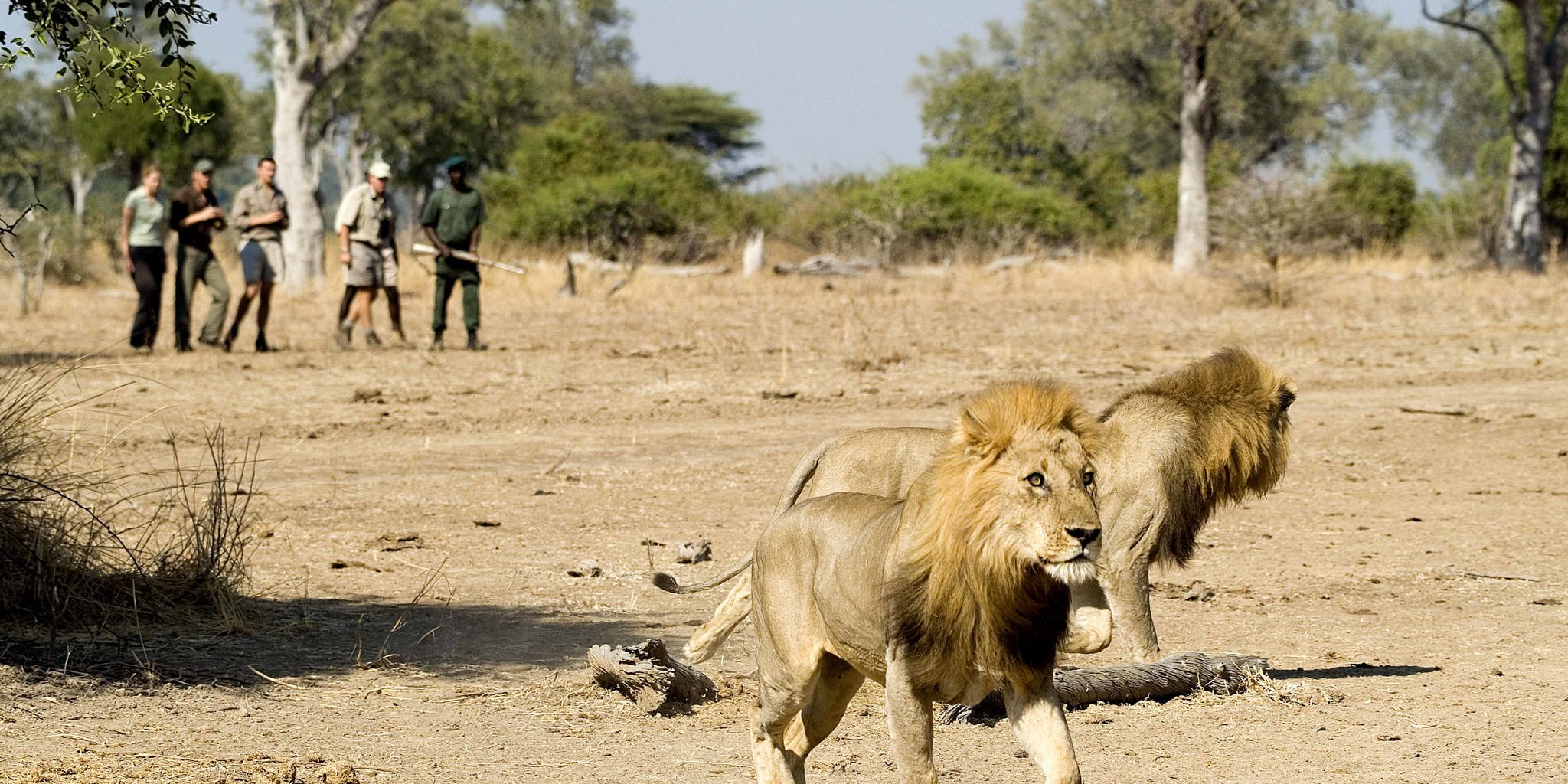
- Zimbabwe: Mana Pools National Park is famous for its wild dog populations, and it's one of the few places where you can track them on foot with a guide.
- Tanzania: The Selous Game Reserve (now Nyerere National Park) and Ruaha National Park offer excellent opportunities to see wild dogs in a more remote and wild setting.
The Black Rhino: A Survivor's Story
The black rhino is a prehistoric-looking creature with a formidable reputation. Despite its name, its color varies from brown to grey, and it can be distinguished from the white rhino by its pointed, prehensile upper lip, which it uses to browse on leaves and twigs. Black rhinos are generally solitary and can be more aggressive than their white rhino cousins, often charging when they feel threatened.
Poaching for their horns has decimated the black rhino population, pushing them to the brink of extinction. In the 1990s, their numbers plummeted by 96%. Thanks to intensive conservation efforts, their population is slowly recovering, but they remain critically endangered. These efforts include anti-poaching patrols, dehorning programs, and translocation of rhinos to new, safer habitats.
> Traveler's Tip: When on a rhino tracking safari, always listen to your guide's instructions. Rhinos have poor eyesight but an excellent sense of smell and hearing. Staying downwind and remaining quiet is crucial for a safe and successful sighting.
Prime Destinations for Rhino Encounters
- Namibia: Etosha National Park is a stronghold for the black rhino, and its numerous waterholes offer fantastic viewing opportunities, especially during the dry season.
- Kenya: Ol Pejeta Conservancy is a model for rhino conservation and is home to the last two northern white rhinos in the world. It also has a thriving population of black rhinos.
- South Africa: Hluhluwe-iMfolozi Park is the oldest proclaimed nature reserve in Africa and is credited with saving the white rhino from extinction. It is also an excellent place to see black rhinos.
The Gentle Giants of the Mountains
The mountain gorilla is one of our closest living relatives, sharing about 98% of our DNA. These gentle giants live in the dense cloud forests of the Virunga Mountains, which span the borders of Rwanda, Uganda, and the Democratic Republic of Congo. Their family groups are led by a dominant silverback, who protects his family and makes all the decisions.
Gorilla trekking is a once-in-a-lifetime experience that directly contributes to their conservation. The revenue generated from trekking permits funds the protection of their habitat and supports local communities, giving them a vested interest in the gorillas' survival. The experience is highly regulated, with a limited number of permits issued each day to minimize the impact on the gorillas.
Planning Your Gorilla Trek
- Rwanda: Volcanoes National Park is the most accessible place to see mountain gorillas, with a number of habituated families.
- Uganda: Bwindi Impenetrable Forest National Park is home to almost half of the world's mountain gorilla population and offers a more challenging but rewarding trekking experience.
For more information on planning your safari, explore our destination guides, or connect with an experienced safari planning guide for personalized guidance.
Need Expert Safari Guidance?
Get expert advisory support from a firm founded by a former safari guide — with real operational knowledge across 9 African countries and full-journey accountability.
Related Planning Guides
Explore Related Topics
Recommended Reading
 Wildlife Guides
Critically Endangered Species of Africa
A comprehensive guide to Critically Endangered Species of Africa. Learn about its habitat, behavior, diet, and conservation status.
 Wildlife Guides
Complete Guide to Vulture Species of Africa
Learn all about Complete Guide to Vulture Species of Africa in this comprehensive guide. Discover the best time to go, what to see, and how to plan your trip.
 Wildlife Guides
Complete Guide to Hornbill Species of Africa
Learn all about Complete Guide to Hornbill Species of Africa in this comprehensive guide. Discover the best time to go, what to see, and how to plan your trip.
 Safari Safety
Travel Safety in East Africa
Travel safely in East Africa with our expert tips. This guide covers health, urban safety, and wildlife precautions for your safari in Kenya, Tanzania, and beyond.
 Safari Safety
Travel Safety in Southern Africa
Learn how to travel safely in Southern Africa with our expert guide. Get practical tips on urban safety, safari precautions, and health preparations for your trip.
 Country Guides
Complete Safari Guide to South Africa
Your complete guide to Complete Safari Guide to South Africa. Find the best destinations, planning tips, and more for your next safari adventure.