
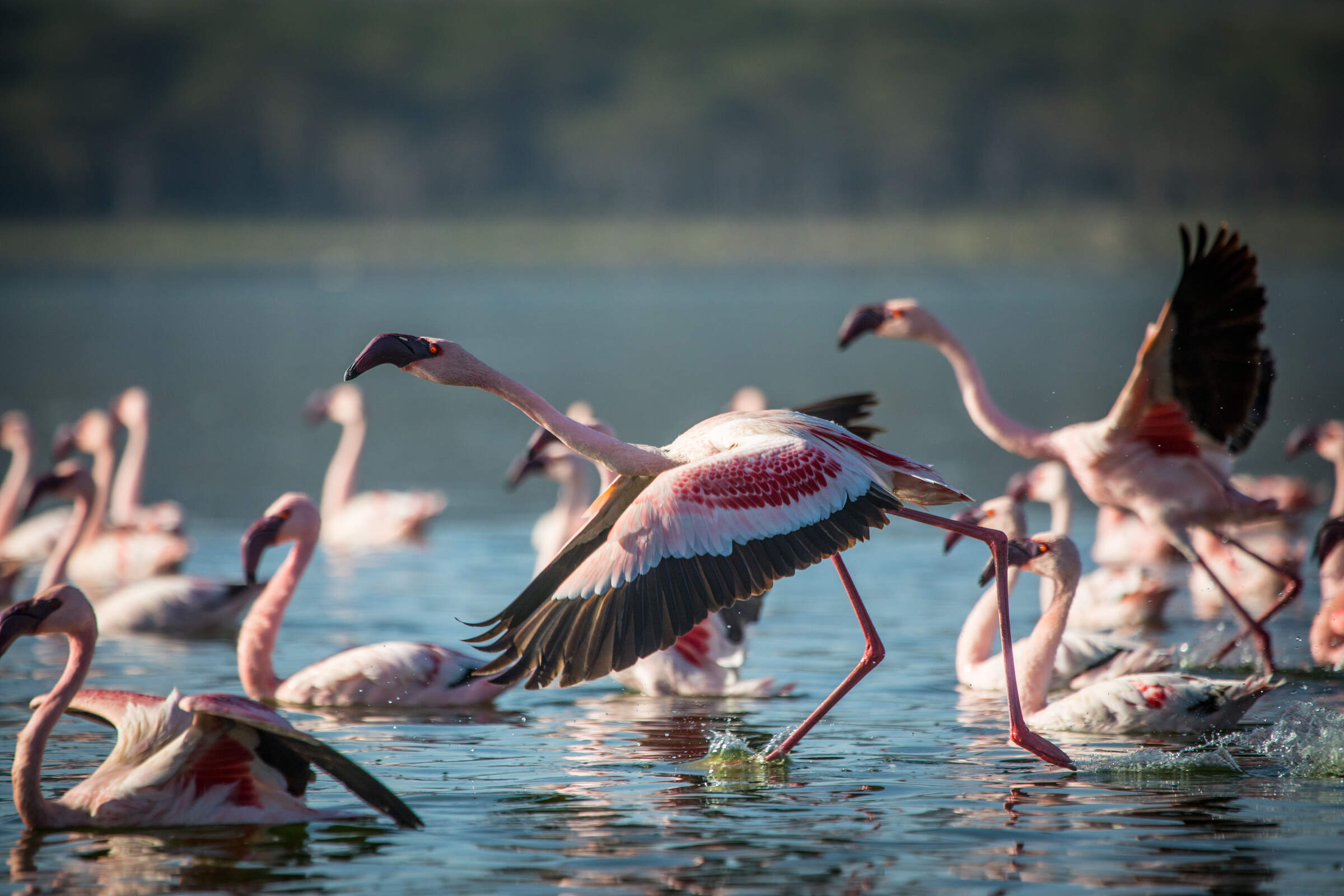
Discover the remote and rugged beauty of Kidepo Valley National Park. This guide covers wildlife, activities, and how to plan your safari to this wild frontier.
Kidepo Valley National Park, nestled in the remote northeastern corner of Uganda, is a place of rugged beauty and profound wilderness. It is a destination for the adventurous traveler, a sanctuary for those seeking an Africa that is wild, untouched, and teeming with life. The park's isolation is its greatest asset, preserving a pristine ecosystem that has been lost in many other parts of the continent. A journey to Kidepo is not just a safari; it is an immersion into a world where nature reigns supreme, where vast savannas stretch to the horizon, and where the rhythm of life is dictated by the seasons.
A True Wilderness Experience
Kidepo Valley National Park is defined by its dramatic landscapes. The park is comprised of two main valleys: the Narus Valley and the Kidepo Valley. The Narus Valley, with its rolling grasslands and permanent water sources, is the heart of the park's wildlife viewing. Here, you will find vast herds of buffalo, elephants, and a host of other plains game. The Kidepo Valley, in contrast, is a more arid region, characterized by its sandy riverbeds and iconic borassus palm trees. This valley offers a different kind of beauty, a sense of starkness and solitude that is both humbling and awe-inspiring.
The Narus Valley: A Wildlife Haven
The Narus Valley is the lifeblood of Kidepo Valley National Park. Its fertile soils and reliable water sources attract a high concentration of wildlife, making it the primary destination for game drives. The valley's open terrain provides excellent visibility, allowing for unparalleled wildlife viewing opportunities. As you traverse the valley, you will be surrounded by a panorama of life, from the graceful giraffes browsing on acacia trees to the powerful lions stalking their prey. The Narus River, which flows through the valley, is a vital water source for the park's inhabitants, and its banks are a popular gathering place for elephants, buffalo, and a variety of bird species.
The Kidepo Valley: A Land of Contrasts
The Kidepo Valley offers a stark contrast to the lushness of the Narus Valley. This semi-arid region is characterized by its sandy riverbeds, which are dry for most of the year. The valley is dotted with borassus palm trees, which create a unique and picturesque landscape. While wildlife is less concentrated in the Kidepo Valley, it is still possible to see a variety of animals, including cheetahs, ostriches, and the occasional herd of elephants. The valley's sense of isolation and its raw, untouched beauty make it a captivating destination for those seeking a more adventurous safari experience.
Kidepo's Wildlife: What to Expect
Kidepo Valley National Park is home to an impressive diversity of wildlife, including many species that are not found anywhere else in Uganda. The park is home to four of the "Big Five" (lion, leopard, elephant, and buffalo), with only the rhinoceros being absent. In addition to these iconic animals, Kidepo is also home to a number of rare and endemic species, such as the cheetah, the greater and lesser kudu, and the bat-eared fox.
The "Big Four" and More
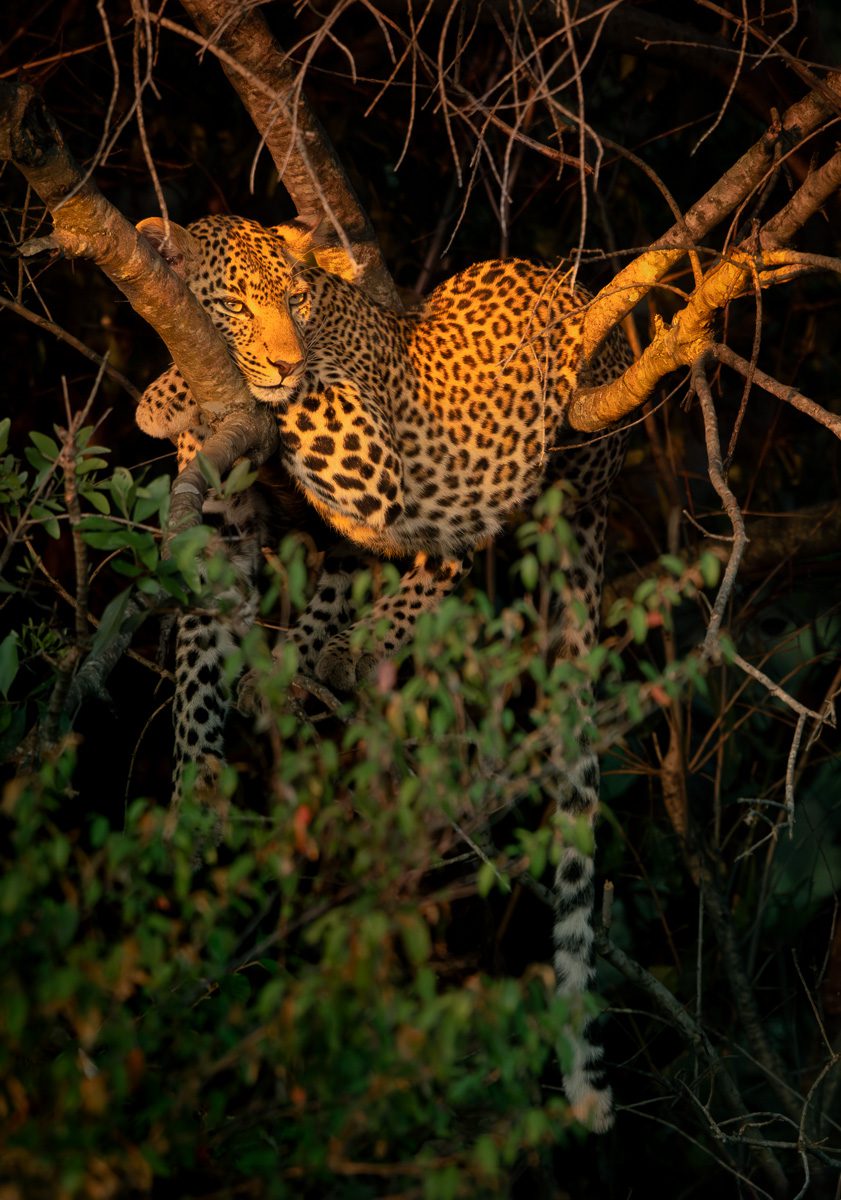
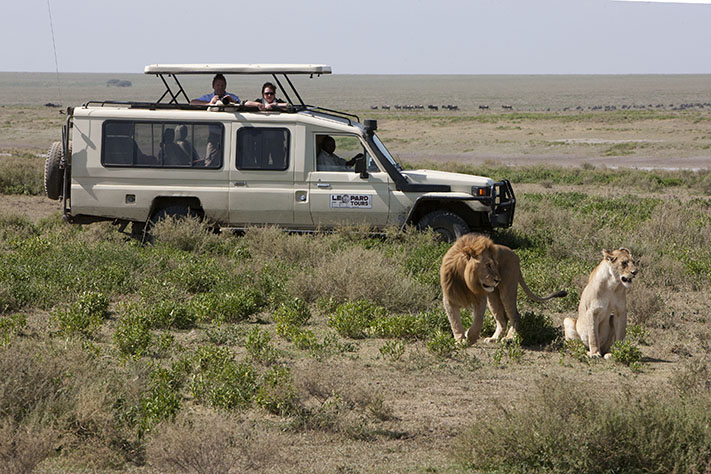
Lions are a common sight in Kidepo, and the park is known for its large and healthy population of these magnificent predators. Leopards are more elusive, but they can often be spotted in the rocky outcrops and sausage trees that dot the landscape. Elephants and buffalo are abundant throughout the park, and they can often be seen in large herds in the Narus Valley. In addition to the "Big Four," Kidepo is also home to a variety of other large mammals, including giraffes, zebras, elands, and hartebeests.
Unique and Endemic Species
One of the things that makes Kidepo so special is its population of rare and endemic species. The park is one of the few places in Uganda where you can see cheetahs, and it is also home to both the greater and lesser kudu. Other unique species that can be found in Kidepo include the bat-eared fox, the striped hyena, and the aardwolf. The park is also a birdwatcher's paradise, with over 470 species of birds recorded, including the ostrich, the Kori bustard, and the Abyssinian ground hornbill.
Still researching? Let us help.
Our advisory team has planned safaris across 9 African countries. We can turn your research into a real plan.
Talk to an AdvisorActivities in Kidepo Valley National Park
Kidepo Valley National Park offers a variety of activities for visitors to enjoy. The most popular activity is, of course, game drives, but the park also offers opportunities for nature walks, cultural encounters, and birdwatching.
Game Drives
Game drives are the best way to experience Kidepo's incredible wildlife. The park's extensive network of tracks allows you to explore both the Narus and Kidepo Valleys, and the open terrain provides excellent visibility. Game drives are typically conducted in the early morning and late afternoon, when the animals are most active. A knowledgeable guide will help you to spot and identify the various species of wildlife, and they will also provide you with interesting information about their behavior and ecology.
Nature Walks
For a more intimate and immersive experience, consider a guided nature walk. A nature walk allows you to get out of the vehicle and explore the bush on foot. You will be accompanied by an armed ranger who will ensure your safety and point out interesting plants, insects, and animal tracks. A nature walk is a great way to appreciate the smaller details of the ecosystem and to experience the wilderness in a more personal way.
Planning Your Kidepo Safari
Due to its remote location, a safari to Kidepo Valley National Park requires careful planning. The best time to visit is during the dry season, from September to March, when the animals are concentrated around the water sources and the roads are more easily navigable. The park can be reached by both road and air, although flying is the more convenient option.
Getting There
By road, Kidepo is a long and adventurous journey from Kampala, taking at least 10-12 hours. The drive takes you through the remote and beautiful Karamoja region, offering a glimpse into a part of Uganda that few tourists ever see. For those with less time, scheduled and charter flights are available from Entebbe to the Lomej airstrip, located near the park headquarters at Apoka.
Accommodation
Accommodation in Kidepo ranges from the luxurious Apoka Safari Lodge to more budget-friendly options like the Kidepo Savannah Lodge and the UWA-managed Apoka Rest Camp. All of these options offer a comfortable base from which to explore the park, and they all provide stunning views of the surrounding landscape.
Beyond the Wildlife: Cultural Encounters
A visit to Kidepo Valley National Park is not just about the wildlife; it is also an opportunity to experience the unique cultures of the Karamojong and Ik people. The Karamojong are a semi-nomadic pastoralist tribe who have lived in this region for centuries. A visit to a Karamojong manyatta (homestead) will give you a fascinating insight into their traditional way of life. The Ik people are a small, endangered tribe who live in the Morungole Mountains, on the edge of the park. A hike to an Ik village is a challenging but rewarding experience, offering a chance to meet and interact with this ancient and resilient community.
In conclusion, Kidepo Valley National Park is a destination for the true safari enthusiast. It is a place of raw beauty, abundant wildlife, and rich cultural heritage. A journey to Kidepo is a journey back in time, to an Africa that is wild, untamed, and unforgettable. It is a place that will capture your heart and leave you with a profound appreciation for the power and majesty of the natural world.
Need Expert Safari Guidance?
Get expert advisory support from a firm founded by a former safari guide — with real operational knowledge across 9 African countries and full-journey accountability.
Related Planning Guides
Explore Related Topics
Recommended Reading
 National Park Guides
Serengeti National Park Guide
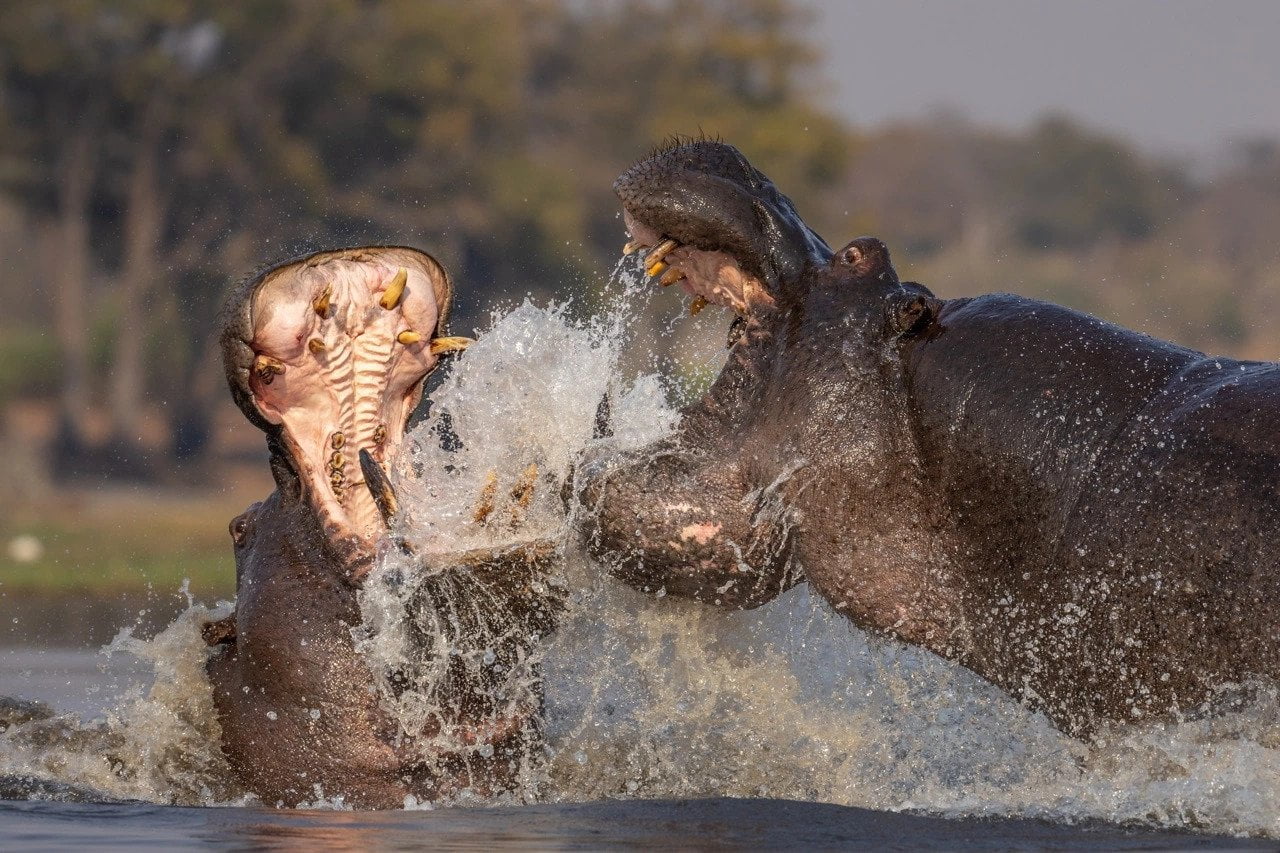
Explore the wonders of Serengeti National Park with our expert guide. Learn about the Great Migration, wildlife, and planning your unforgettable Tanzanian safari.
 National Park Guides
Kruger National Park Guide
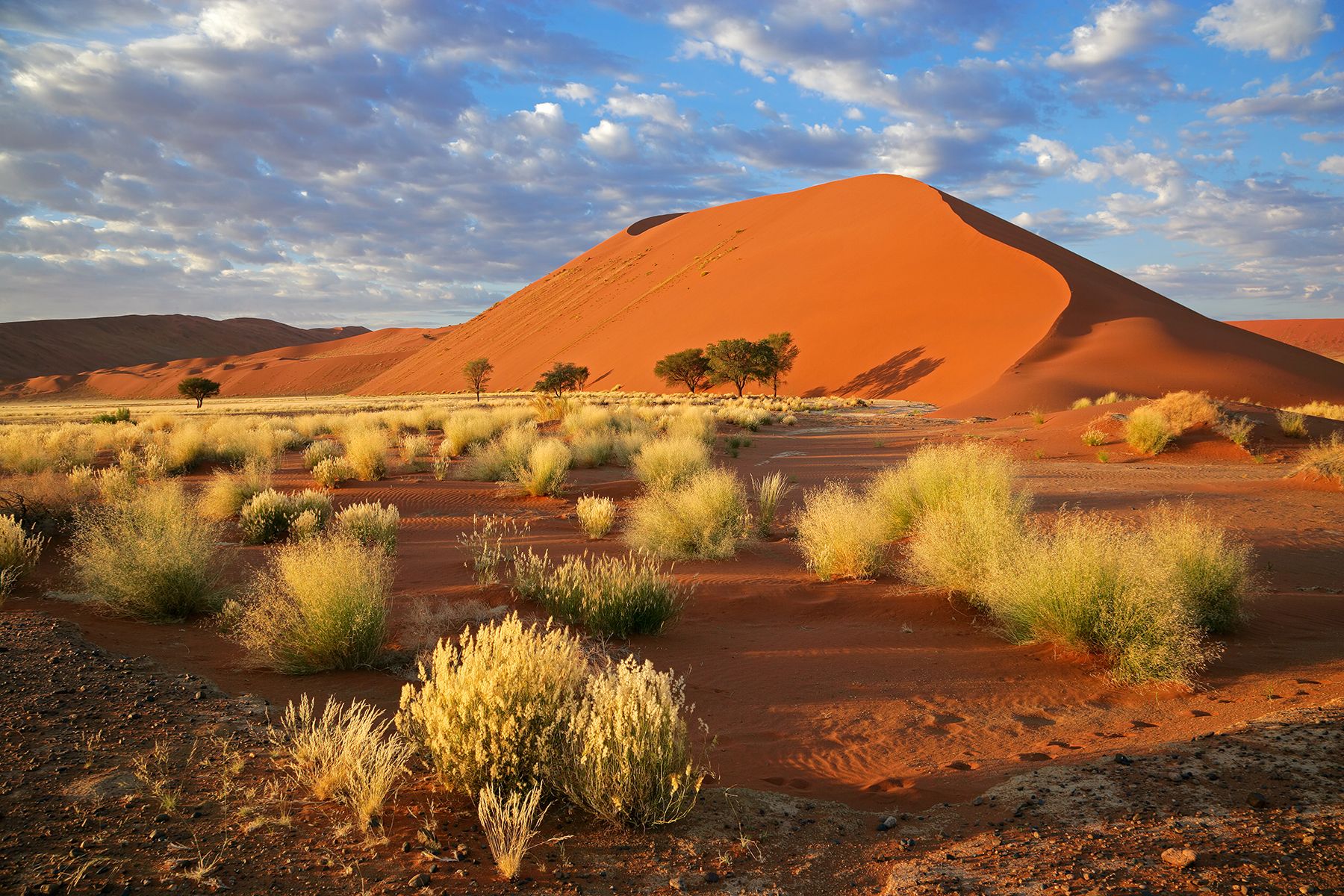
Discover the ultimate guide to Kruger National Park. Learn about its incredible wildlife, the best time to visit, and how to plan your dream safari adventure.
 National Park Guides
Chobe National Park Guide
Discover the ultimate guide to Chobe National Park, Botswana\
 Destination Guides
Complete Guide to Table Mountain National Park
A complete guide to Complete Guide to Table Mountain National Park. Learn about the wildlife, activities, and best time to visit this amazing destination.
 Destination Guides
Complete Guide to Nyerere National Park
Learn about complete guide to nyerere national park in this comprehensive safari guide.
 Destination Guides
Complete Guide to Loango National Park Gabon
Discover everything you need to know about Complete Guide to Loango National Park Gabon. From wildlife and landscapes to lodges and activities, this guide cover