
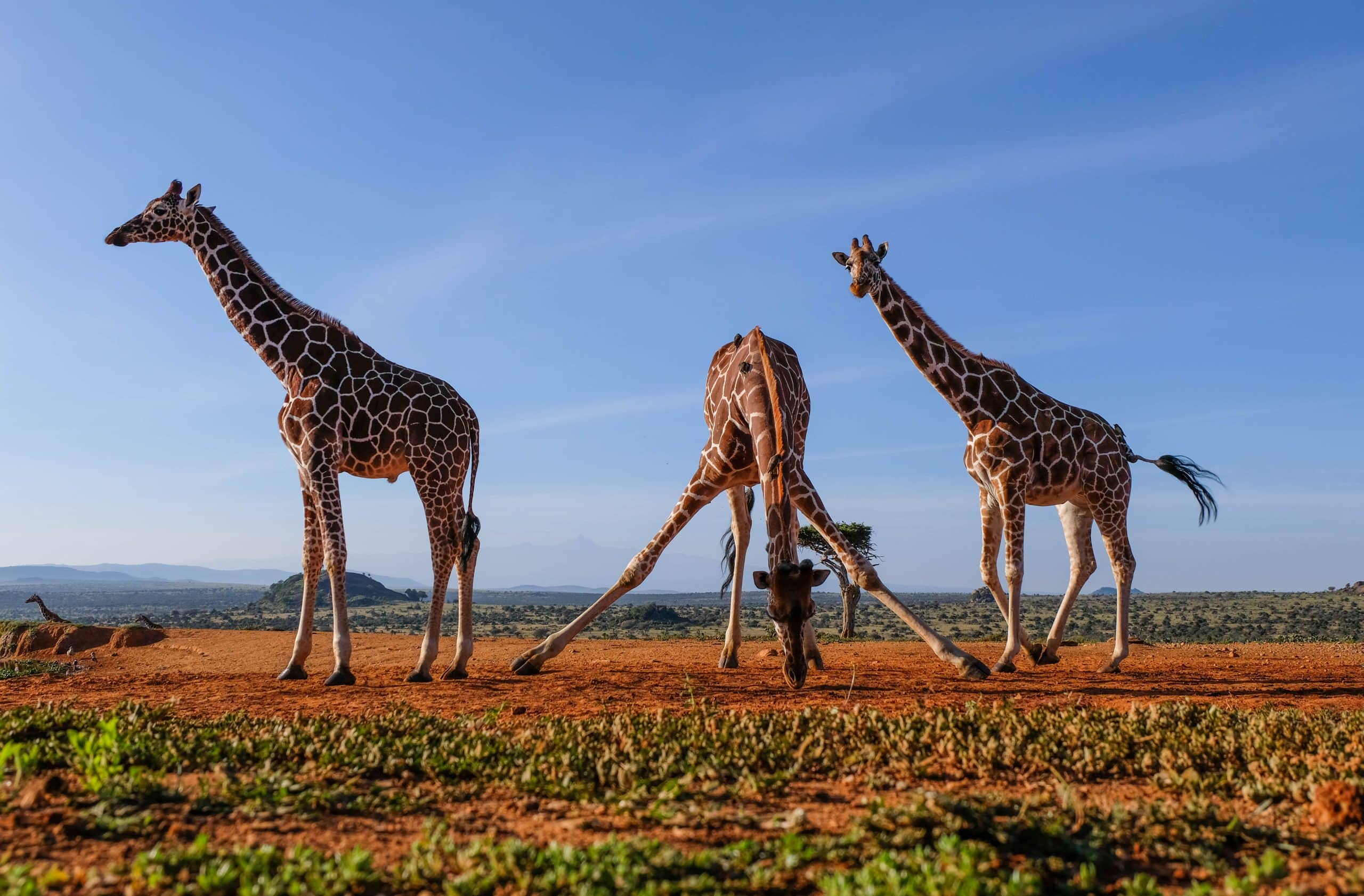
This is a dummy meta description for July Safari Guide – What to Expect.
About July Safari Guide – What to Expect
This in-depth guide explores july safari guide – what to expect, providing essential information for anyone planning an African safari. Understanding this topic thoroughly will help you make informed decisions and have a more rewarding safari experience. Africa's safari industry continues to evolve, and staying informed about the latest developments ensures you get the best possible experience.
Why This Matters for Your Safari
July Safari Guide – What to Expect is an important consideration for safari travelers. Whether you're a first-time visitor or a returning enthusiast, understanding the nuances of this topic can significantly impact your trip. From choosing the right destinations to selecting appropriate operators, every decision builds on foundational knowledge. Our safari operators can provide personalized guidance based on your specific needs.
Still researching? Let us help.
Our advisory team has planned safaris across 9 African countries. We can turn your research into a real plan.
Talk to an AdvisorKey Insights and Recommendations
Based on extensive industry experience and traveler feedback, several key insights emerge. First, research is your best investment, as the more you know before booking, the better your experience will be. Second, flexibility in timing and destinations often leads to better value and fewer crowds. Third, working with experienced professionals, whether guides, operators, or advisors, consistently produces superior outcomes. Explore our knowledge center for more detailed articles on related topics.
Practical Applications
Putting this knowledge into practice starts with your planning process. Begin by identifying your priorities, whether that's specific wildlife encounters, landscape preferences, or cultural experiences. Then use resources like our destination guides, cost calculator, and operator directory to build an itinerary that aligns with your goals. Don't rush the planning process, as a well-planned safari is almost always more rewarding than a hastily arranged one.
Further Reading
To deepen your understanding, explore related articles in our knowledge center. Each guide is written by safari industry professionals with firsthand experience across Africa's top destinations. For personalized advice, our safari planning guidey team is available to answer your questions and help refine your plans.
Done Reading? Let's Build Your Safari.
Skip the guesswork. Work with an advisor who has been on the ground across East and Southern Africa.
Plan With UsThe Great Migration in July: River Crossings and High Drama
July is arguably the most dramatic month to witness the Great Migration in East Africa. As the vast herds of wildebeest and zebra push north from the Serengeti's Western Corridor, they face one of their greatest obstacles: the Grumeti and Mara Rivers. These river crossings are the stuff of wildlife documentaries—a raw, unfiltered spectacle of survival and desperation. The herds congregate on the banks, often for days, building in number and tension before one brave individual takes the plunge, triggering a frantic, chaotic crossing.
This is not a journey for the faint of heart. The rivers are swollen and fast-flowing, and lurking beneath the surface are some of Africa's largest Nile crocodiles, waiting for this annual feast. On the opposite bank, predators like lions, leopards, and hyenas lie in ambush, taking advantage of the exhausted and disoriented animals that manage to make it across. It is a powerful and humbling display of the circle of life.
> Expert Insight: Witnessing a river crossing requires patience and a bit of luck. The herds are unpredictable and may hesitate for hours or even days. The key is to position yourself with a knowledgeable guide who understands the animals' behavior and can anticipate where they are most likely to cross. Booking a camp in the northern Serengeti, such as the Lamai Wedge, or in a private conservancy bordering the Masai Mara, will give you the best access to the action.
Beyond the Migration: Other Top July Safari Destinations
While the Great Migration often steals the spotlight, July is a phenomenal month for safaris across much of Africa. The dry season is in full swing in Southern Africa, leading to exceptional game viewing as animals congregate around dwindling water sources.
| Destination | Why Visit in July | Key Activities | | --------------------------- | ----------------------------------------------------------------------------------------------------------------------------------------------- | ------------------------------------------------- | | Hwange National Park, Zimbabwe | The dry season concentrates wildlife, especially massive herds of elephants, around the park's man-made and natural waterholes. Visibility is excellent. | Game drives, walking safaris, night drives | | Okavango Delta, Botswana | Peak floodwaters arrive, transforming the landscape into a watery paradise. This is the best time for water-based safari activities. | Mokoro (dugout canoe) excursions, boat safaris | | South Luangwa, Zambia | Known as the home of the walking safari, the dry season offers incredible opportunities to explore on foot with expert guides. Wildlife is abundant. | Walking safaris, game drives, photographic hides | | Volcanoes National Park, Rwanda | The dry season provides ideal conditions for gorilla trekking, with less rain and clearer trails. Securing permits well in advance is essential. | Gorilla trekking, golden monkey tracking |
Exploring these alternative destinations can offer a more intimate and less crowded experience than the Serengeti-Mara ecosystem during peak season. For a personalized recommendation, connect with one of our safari operators.
What to Pack for a July Safari
A July safari often involves significant temperature swings, from cold pre-dawn mornings to warm, sunny afternoons. Layering is the key to comfort. Here are some essentials to include in your luggage:
- Layered Clothing: Pack lightweight long-sleeved shirts, fleece jackets, and a windbreaker. You'll be grateful for the warm layers during early morning game drives.
- Neutral Colors: Choose clothing in shades of khaki, olive, brown, and beige to blend in with the environment and avoid startling the wildlife. Avoid bright colors and camouflage patterns.
- Sun Protection: The African sun is intense, even in winter. Bring a wide-brimmed hat, sunglasses, and a high-SPF sunscreen.
- Comfortable Footwear: A pair of sturdy, closed-toe walking shoes or hiking boots is essential, especially if you plan on doing any walking safaris.
- Binoculars and Camera: A good pair of binoculars is a must-have for any safari. A camera with a decent zoom lens will allow you to capture those incredible wildlife moments.
> Traveler's Tip: Luggage space on small bush planes is often limited. Pack light and use soft-sided duffel bags rather than hard-shell suitcases. Most safari camps and lodges offer laundry services, so you don't need to bring a different outfit for every day.
Understanding July Safari Costs
July falls squarely in the peak safari season, and prices reflect the high demand. You should expect to pay a premium for accommodations, flights, and activities. However, the exceptional wildlife viewing and pleasant weather make it a worthwhile investment for many travelers.
To get a better sense of what to expect, you can use our safari cost calculator to build a sample itinerary and get a preliminary budget. As a general guide, a mid-range safari in July can cost anywhere from $600 to $1,000 per person, per night. This typically includes:
- Accommodations in safari lodges or tented camps
- All meals and local drinks
- Guided game drives and other safari activities
- Park fees and conservation levies
This price generally excludes international flights, visa fees, travel insurance, and gratuities for your guides and camp staff. When you plan your safari with us, we provide a detailed, all-inclusive quote with no hidden fees.
Booking Your July Safari: Why Early Planning is Crucial
Due to its popularity, a July safari requires advance planning. We recommend booking at least 12 to 18 months in advance, especially if you have specific lodges or camps in mind. Gorilla trekking permits in Rwanda and Uganda are particularly limited and often sell out more than a year ahead of time.
By planning early, you not only secure your preferred accommodations and activities but also give yourself ample time to prepare for your trip. Our knowledge center is an excellent resource for everything from visa requirements to packing lists. A well-planned safari is a successful safari, and our team of safari operators is here to help you every step of the way.
Need Expert Safari Guidance?
Get expert advisory support from a firm founded by a former safari guide — with real operational knowledge across 9 African countries and full-journey accountability.
Related Planning Guides
Recommended Reading
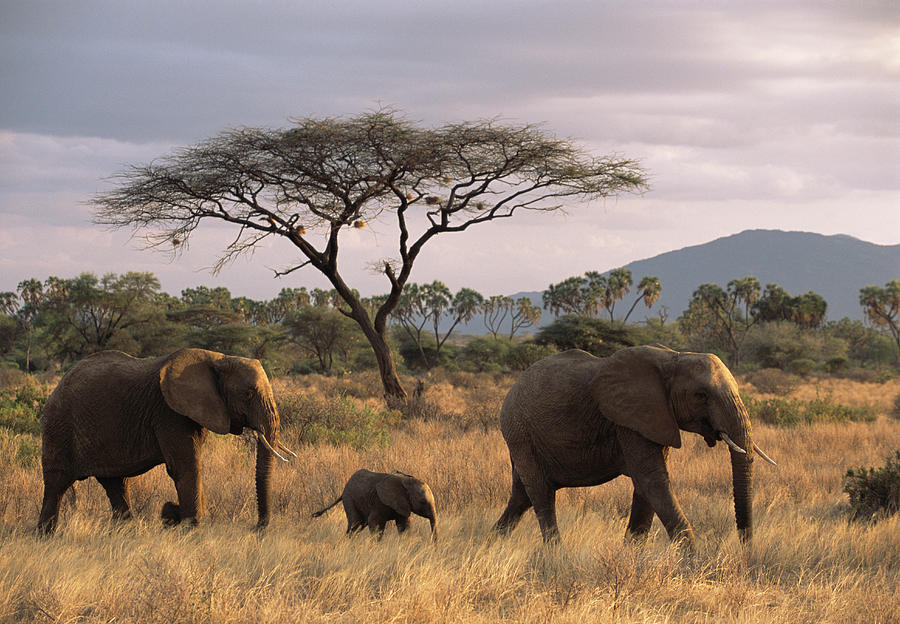 Season & Timing Guides
January Safari Guide – What to Expect
This is a dummy meta description for January Safari Guide – What to Expect.
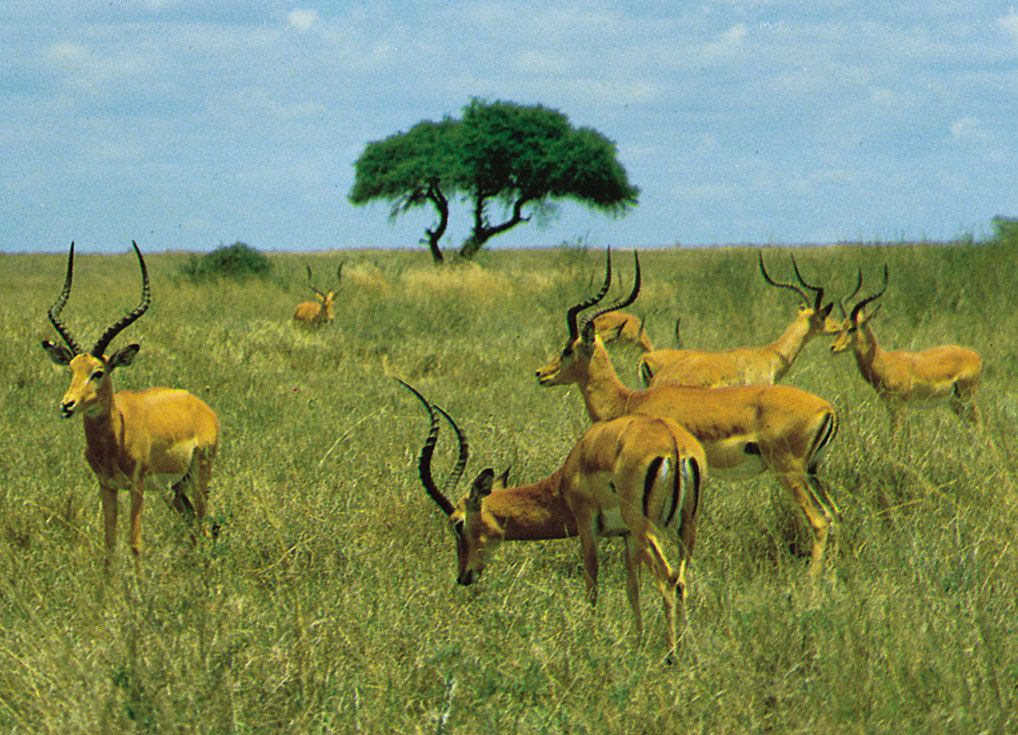 Season & Timing Guides
February Safari Guide – What to Expect
This is a dummy meta description for February Safari Guide – What to Expect.
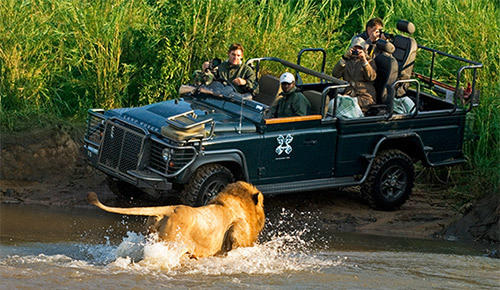 Season & Timing Guides
March Safari Guide – What to Expect
This is a dummy meta description for March Safari Guide – What to Expect.
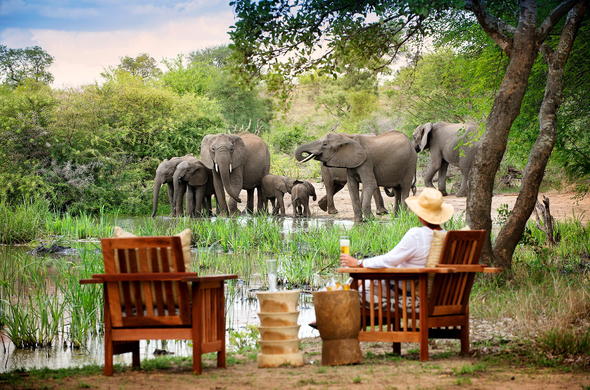 Safari Planning
Step-by-Step Guide to Planning an African Safari
Learn how to plan your first African safari with our step-by-step guide. We cover everything from choosing a destination to booking your trip and packing.
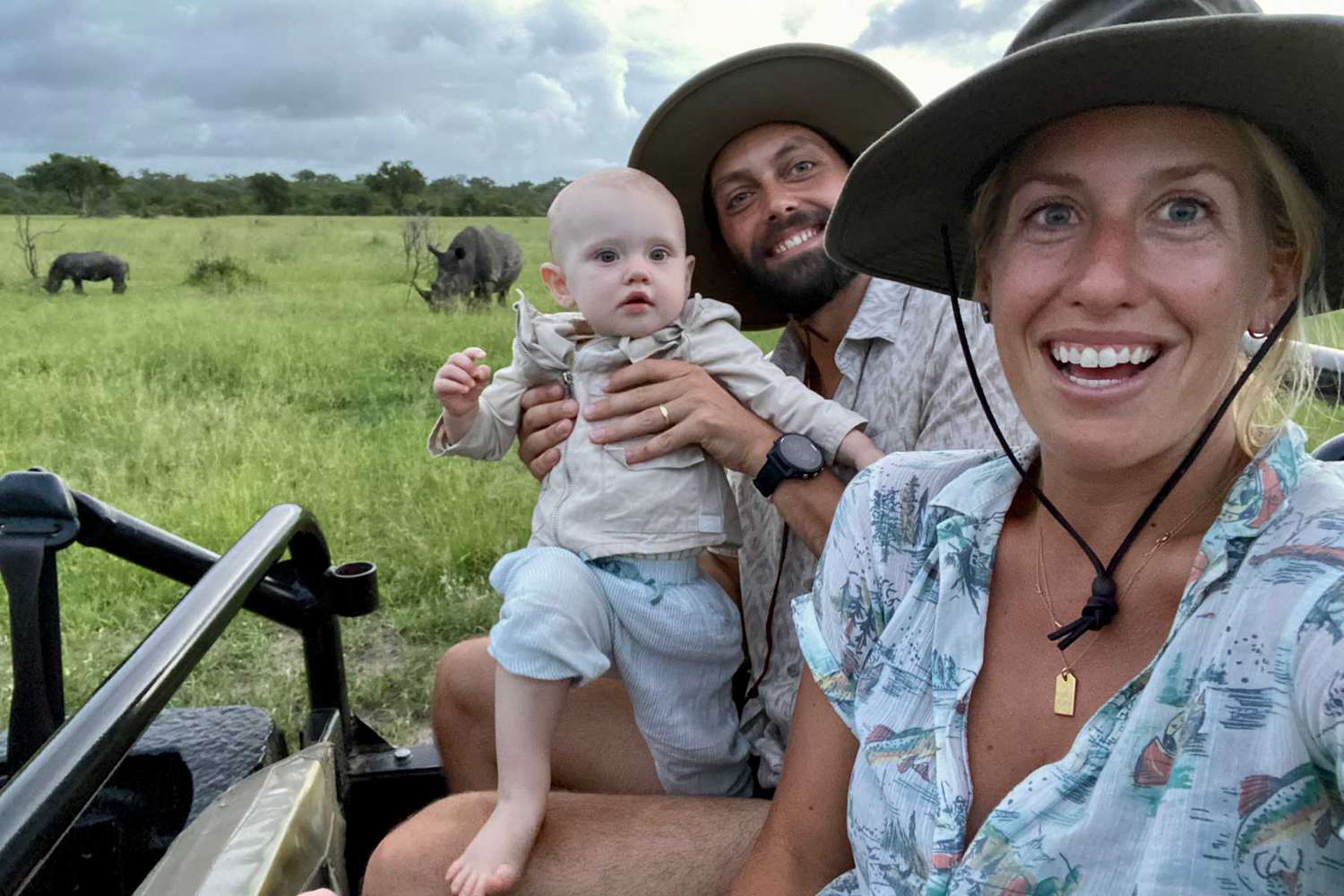 Safari Planning
What to Expect on Your First Safari
Prepare for your first African safari with our expert guide. Learn what to expect from game drives, accommodations, wildlife viewing, and daily safari life.
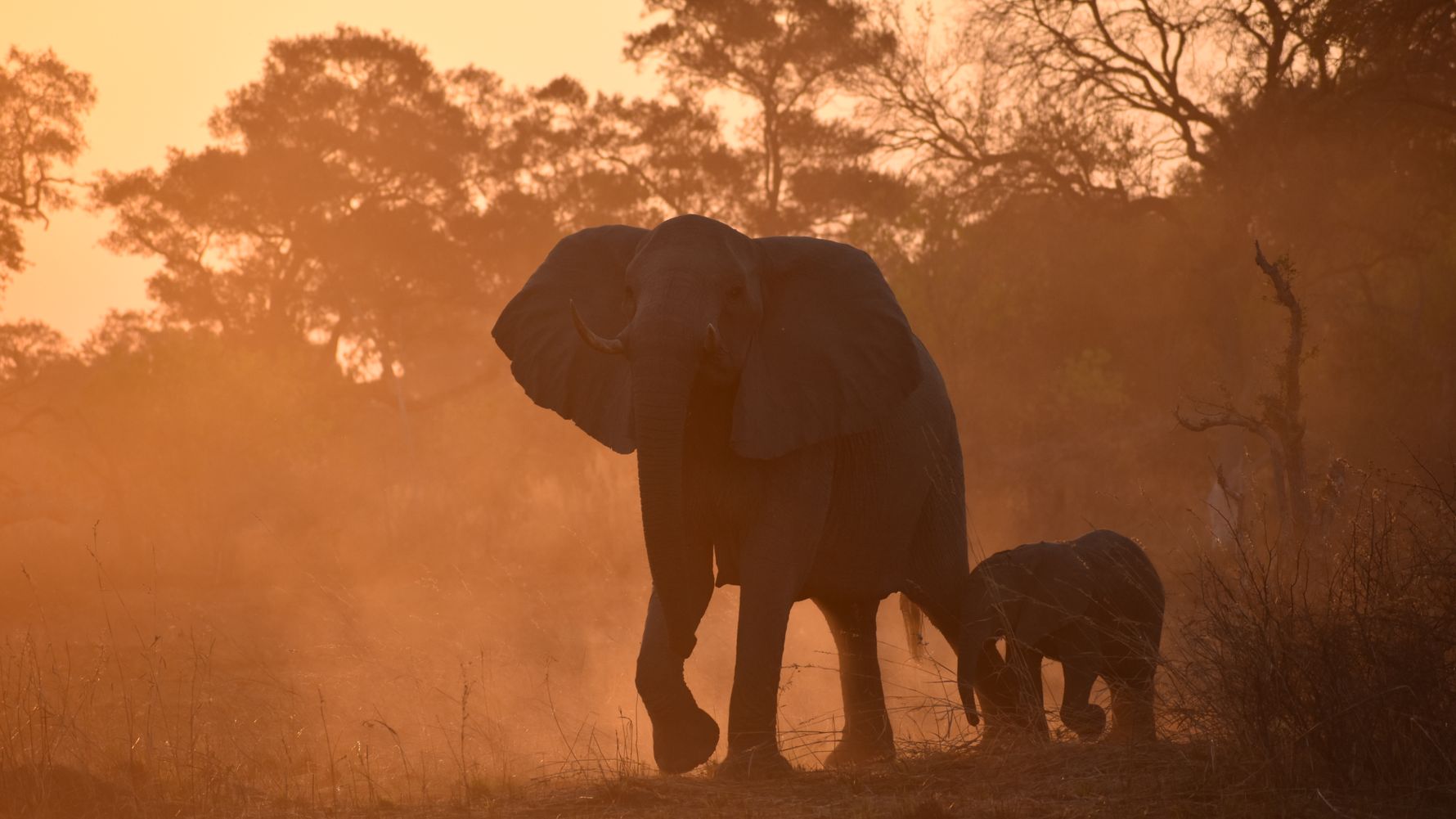 Safari Planning
Self-Drive Safari vs Guided Safari
Deciding between a self-drive safari and a guided safari? This guide breaks down the pros, cons, costs, and key differences to help you choose the right trip.