
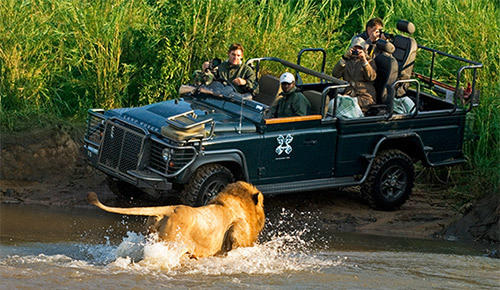
This is a dummy meta description for March Safari Guide – What to Expect.
About March Safari Guide – What to Expect
This in-depth guide explores march safari guide – what to expect, providing essential information for anyone planning an African safari. Understanding this topic thoroughly will help you make informed decisions and have a more rewarding safari experience. Africa's safari industry continues to evolve, and staying informed about the latest developments ensures you get the best possible experience.
Why This Matters for Your Safari
March Safari Guide – What to Expect is an important consideration for safari travelers. Whether you're a first-time visitor or a returning enthusiast, understanding the nuances of this topic can significantly impact your trip. From choosing the right destinations to selecting appropriate operators, every decision builds on foundational knowledge. Our safari operators can provide personalized guidance based on your specific needs.
Still researching? Let us help.
Our advisory team has planned safaris across 9 African countries. We can turn your research into a real plan.
Talk to an AdvisorKey Insights and Recommendations
Based on extensive industry experience and traveler feedback, several key insights emerge. First, research is your best investment, as the more you know before booking, the better your experience will be. Second, flexibility in timing and destinations often leads to better value and fewer crowds. Third, working with experienced professionals, whether guides, operators, or advisors, consistently produces superior outcomes. Explore our knowledge center for more detailed articles on related topics.
Practical Applications
Putting this knowledge into practice starts with your planning process. Begin by identifying your priorities, whether that's specific wildlife encounters, landscape preferences, or cultural experiences. Then use resources like our destination guides, cost calculator, and operator directory to build an itinerary that aligns with your goals. Don't rush the planning process, as a well-planned safari is almost always more rewarding than a hastily arranged one.
Further Reading
To deepen your understanding, explore related articles in our knowledge center. Each guide is written by safari industry professionals with firsthand experience across Africa's top destinations. For personalized advice, our safari planning guidey team is available to answer your questions and help refine your plans.
Done Reading? Let's Build Your Safari.
Skip the guesswork. Work with an advisor who has been on the ground across East and Southern Africa.
Plan With UsTop Destinations for a March Safari
While some parts of Africa begin to welcome the rainy season, March offers a unique window of opportunity for exceptional safari experiences, often with fewer crowds and better value. The key is to choose your destination wisely. Our safari operators consistently recommend focusing on specific regions in Tanzania and Uganda during this month, while also considering the unique advantages of a Kenyan safari in March.
Tanzania: The Serengeti and Ngorongoro Crater
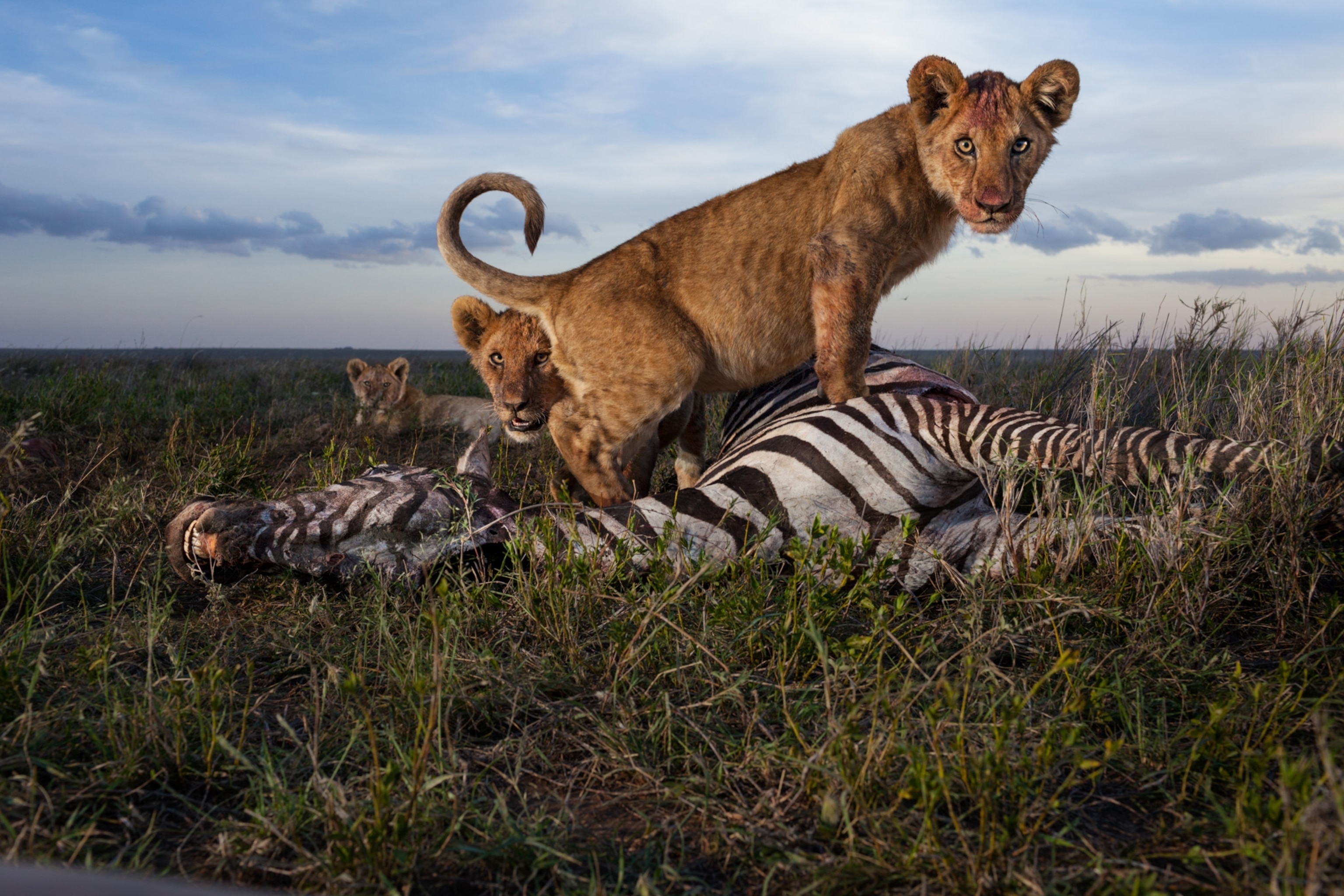
March is a phenomenal time to be in the southern Serengeti, as it is the peak of the Great Migration's calving season. Hundreds of thousands of wildebeest give birth, creating a dramatic and emotional spectacle. This abundance of vulnerable young animals attracts a high concentration of predators, including lions, cheetahs, and hyenas. The Ndutu and Kusini Maswa regions are prime locations for witnessing these predator-prey interactions.
> Expert Insight: The calving season is a photographer's dream. The short grasses of the southern plains offer unobstructed views, and the sheer density of wildlife provides endless opportunities for capturing unique behaviors. It is a raw, unfiltered look at the circle of life.
Neighboring the Serengeti, the Ngorongoro Crater remains a year-round wildlife haven. Its resident animal population is less affected by seasonal migrations, ensuring that you will see a dense concentration of species, including the Big Five. A March visit to the Crater combined with the southern Serengeti offers a comprehensive Tanzanian safari experience.
Uganda: Gorilla Trekking in Bwindi Impenetrable Forest
March is one of the best months for gorilla trekking in Uganda's Bwindi Impenetrable Forest. It falls within one of the country's two dry seasons, meaning the forest trails are less muddy and more accessible. A gorilla trek is a profound wildlife encounter, and the drier conditions make the experience more comfortable and enjoyable. Beyond the gorillas, Uganda offers excellent chimpanzee trekking in Kibale Forest and classic savanna safaris in Queen Elizabeth and Murchison Falls National Parks.
Kenya: A Quieter Maasai Mara
While the Great Migration herds are in Tanzania, the Maasai Mara National Reserve in Kenya still boasts a significant resident wildlife population. March is considered a shoulder season here, which translates to fewer vehicles and a more intimate safari experience. The landscape is lush and green from the 'short rains' of November and December, making it a beautiful time for photography. You can expect to see large lion prides, elephants, giraffes, and numerous plains game without the peak-season crowds.
Wildlife Behavior and Viewing Opportunities in March
March is a month of transition and high drama in the animal kingdom. In the Serengeti, the calving season creates a constant state of alert. Wildebeest herds are fiercely protective of their young, and the air is filled with the sounds of new life and the tension of predator hunts. It is an excellent time to observe social dynamics within predator groups as they capitalize on the abundance of food.
Birdwatching is also exceptional in March. Many migratory species from Europe and Asia are still present before their long journey north, and resident birds are in their breeding plumage. The mix of resident and migratory birds creates a vibrant and diverse avian spectacle.
In areas entering the rainy season, the fresh vegetation means that herbivores are well-fed and in peak condition. This is also a time when many species, from insects to amphibians, emerge, adding another layer of biodiversity to your safari experience.
March Weather: What to Pack and Expect
Weather in March varies significantly across the continent. In Tanzania's Serengeti, you can expect warm, sunny days with occasional afternoon thundershowers. In Uganda, the weather is generally dry and pleasant. In contrast, parts of Kenya may start to experience the 'long rains' towards the end of the month.
Your packing list should reflect this variability. Lightweight layers are essential. Include long-sleeved shirts and trousers for sun and insect protection, a warm fleece or jacket for cool mornings and evenings, and a waterproof rain jacket for unexpected showers. Sunscreen, a wide-brimmed hat, and sunglasses are non-negotiable.
> Traveler's Tip: Even in the dry season, always pack a light rain jacket. Weather in Africa can be unpredictable, and a sudden downpour can occur. It's better to have it and not need it than to be caught unprepared.
Cost Considerations for a March Safari
March is generally considered a shoulder season in many safari destinations, which can mean significant cost savings. Lodge and camp rates are often lower than during the peak months of June through September. This allows you to potentially upgrade your accommodation or extend your stay. For a detailed estimate of what your safari might cost, our safari cost calculator is an excellent resource.
Fewer travelers also mean that you may have more flexibility with your itinerary and a better chance of securing permits for popular activities like gorilla trekking. However, it is still essential to book well in advance, especially for prime locations in the southern Serengeti, as the calving season is a popular and unique event.
Planning Your Perfect March Safari
Ultimately, a successful March safari comes down to careful planning. By working with an expert safari planning guide, you can build an itinerary that aligns with your interests, budget, and tolerance for variable weather. Whether you dream of witnessing the drama of the calving season, trekking to see mountain gorillas, or enjoying the tranquility of a quieter Maasai Mara, March offers a wealth of incredible opportunities.
Ready to take the next step? Plan your safari with us, and let our team of experts craft a journey that you will remember for a lifetime. For more safari insights, continue exploring our knowledge center.
Need Expert Safari Guidance?
Get expert advisory support from a firm founded by a former safari guide — with real operational knowledge across 9 African countries and full-journey accountability.
Related Planning Guides
Recommended Reading
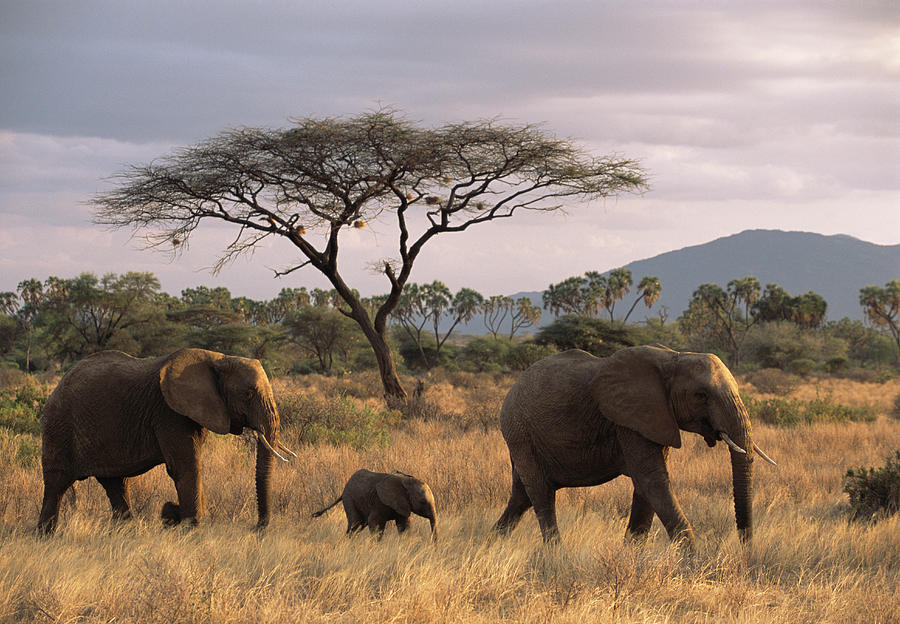 Season & Timing Guides
January Safari Guide – What to Expect
This is a dummy meta description for January Safari Guide – What to Expect.
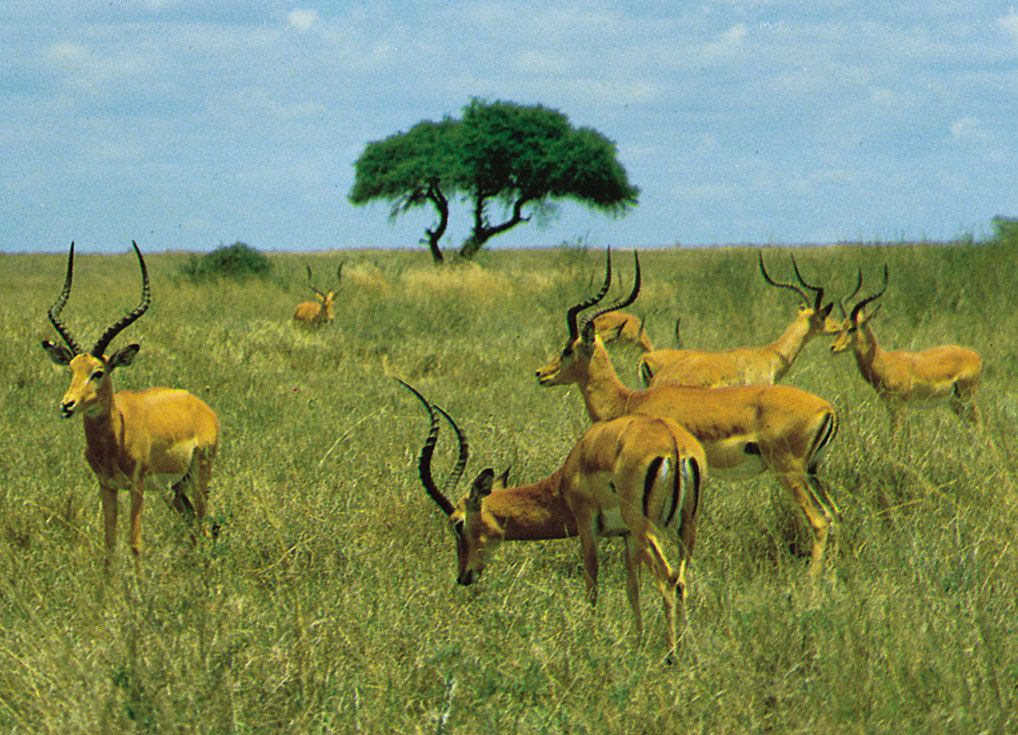 Season & Timing Guides
February Safari Guide – What to Expect
This is a dummy meta description for February Safari Guide – What to Expect.
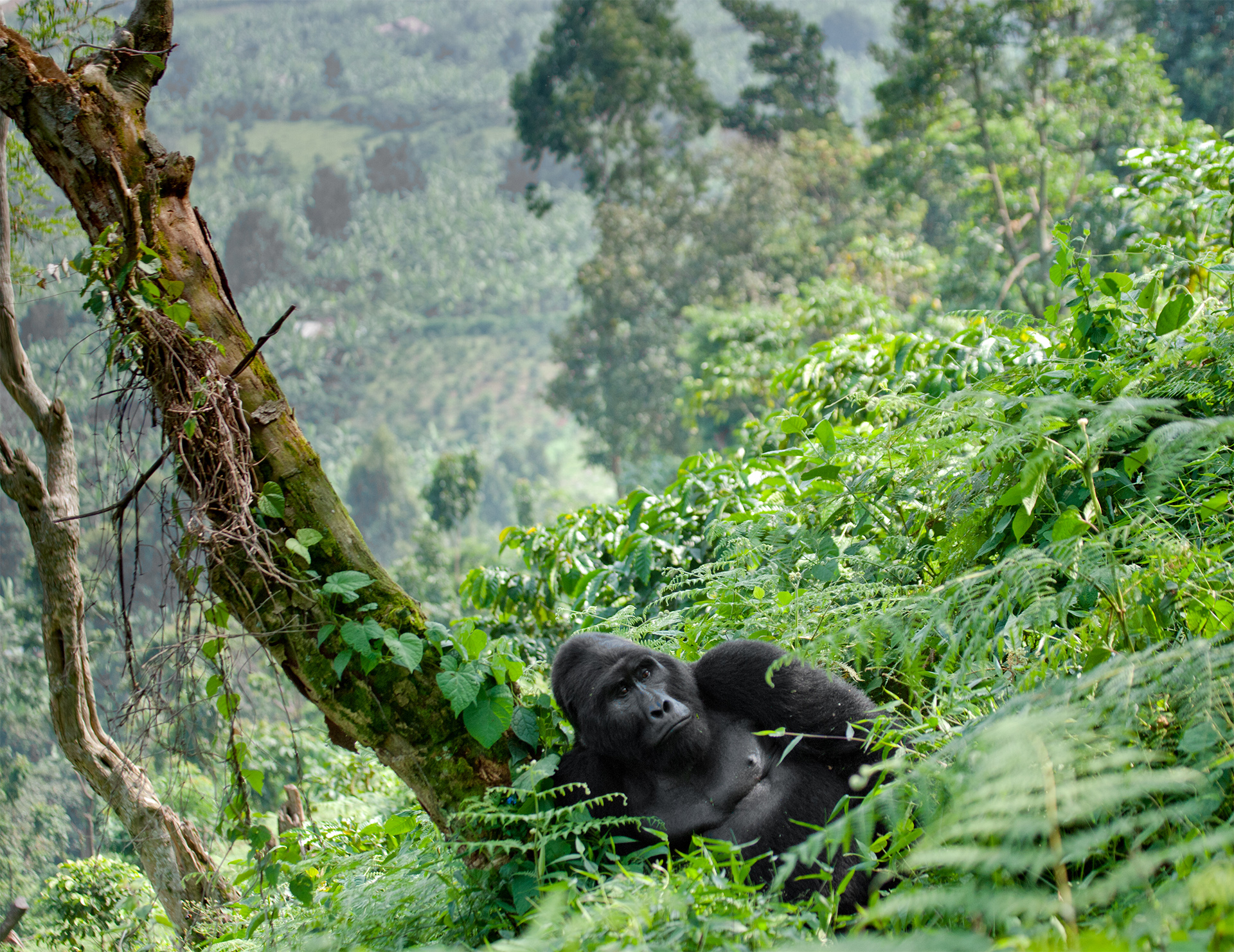 Season & Timing Guides
April Safari Guide – What to Expect
This is a dummy meta description for April Safari Guide – What to Expect.
 Safari Comparison Articles
Safari in March vs Safari in October
An in-depth comparison of Safari in March vs Safari in October to help you choose the perfect safari experience. Explore the pros, cons, and key differences to
 Safari Planning
Step-by-Step Guide to Planning an African Safari
Learn how to plan your first African safari with our step-by-step guide. We cover everything from choosing a destination to booking your trip and packing.
 Safari Planning
What to Expect on Your First Safari
Prepare for your first African safari with our expert guide. Learn what to expect from game drives, accommodations, wildlife viewing, and daily safari life.