
This is a dummy meta description for January Safari Guide – What to Expect.
About January Safari Guide – What to Expect
This in-depth guide explores january safari guide – what to expect, providing essential information for anyone planning an African safari. Understanding this topic thoroughly will help you make informed decisions and have a more rewarding safari experience. Africa's safari industry continues to evolve, and staying informed about the latest developments ensures you get the best possible experience.
Why This Matters for Your Safari
January Safari Guide – What to Expect is an important consideration for safari travelers. Whether you're a first-time visitor or a returning enthusiast, understanding the nuances of this topic can significantly impact your trip. From choosing the right destinations to selecting appropriate operators, every decision builds on foundational knowledge. Our safari operators can provide personalized guidance based on your specific needs.
Still researching? Let us help.
Our advisory team has planned safaris across 9 African countries. We can turn your research into a real plan.
Talk to an AdvisorKey Insights and Recommendations
Based on extensive industry experience and traveler feedback, several key insights emerge. First, research is your best investment, as the more you know before booking, the better your experience will be. Second, flexibility in timing and destinations often leads to better value and fewer crowds. Third, working with experienced professionals, whether guides, operators, or advisors, consistently produces superior outcomes. Explore our knowledge center for more detailed articles on related topics.
Practical Applications
Putting this knowledge into practice starts with your planning process. Begin by identifying your priorities, whether that's specific wildlife encounters, landscape preferences, or cultural experiences. Then use resources like our destination guides, cost calculator, and operator directory to build an itinerary that aligns with your goals. Don't rush the planning process, as a well-planned safari is almost always more rewarding than a hastily arranged one.
Further Reading
To deepen your understanding, explore related articles in our knowledge center. Each guide is written by safari industry professionals with firsthand experience across Africa's top destinations. For personalized advice, our safari planning guidey team is available to answer your questions and help refine your plans.
Done Reading? Let's Build Your Safari.
Skip the guesswork. Work with an advisor who has been on the ground across East and Southern Africa.
Plan With UsJanuary's Great Migration: A Serengeti Spectacle
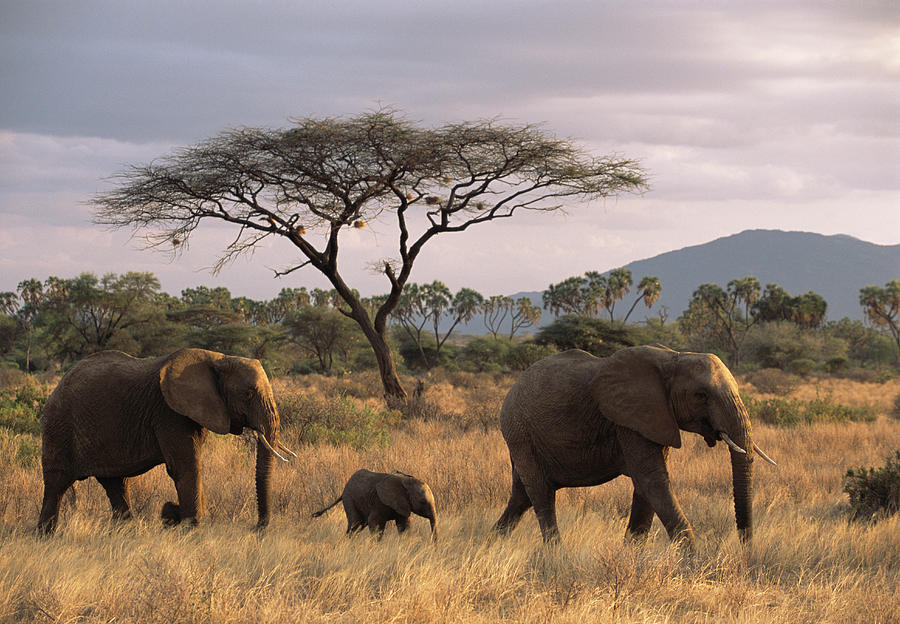
January is a phenomenal month to witness the Great Migration in Tanzania's Southern Serengeti and Ndutu plains. The vast herds of wildebeest, zebra, and gazelle congregate in this region for the nutrient-rich grasses, preparing for the calving season. This concentration of herbivores creates a dynamic and dramatic wildlife viewing experience, with predator-prey interactions at their peak.
Calving Season Begins
The primary draw for a January safari in the Serengeti is the start of the calving season. From late January through February, hundreds of thousands of wildebeest give birth, often within a few weeks of each other. This synchronized birthing is a survival strategy to overwhelm predators with an abundance of prey. For safari-goers, this means the opportunity to see newborn calves taking their first steps, a truly moving and unforgettable sight.
> Expert Insight: While the calving season is a magical time, it's also a time of intense predator activity. Lions, cheetahs, and hyenas are drawn to the vulnerable young, and witnessing a hunt is a raw and powerful part of the safari experience. Be prepared for the realities of the natural world.
Where to Stay in the Southern Serengeti
To maximize your chances of seeing the migration and calving, it's crucial to stay in the correct area. Mobile camps, which move with the herds, are an excellent option. Lodges in the Ndutu and Kusini Maswa areas are also perfectly positioned. We recommend booking well in advance, as this is a popular time to travel. Our safari operators can help you select the best accommodation for your budget and travel style.
Beyond the Migration: Other Top January Destinations
While the Serengeti is a major highlight, January offers excellent safari opportunities in other parts of Africa as well.
Uganda: Gorilla Trekking and Birdwatching
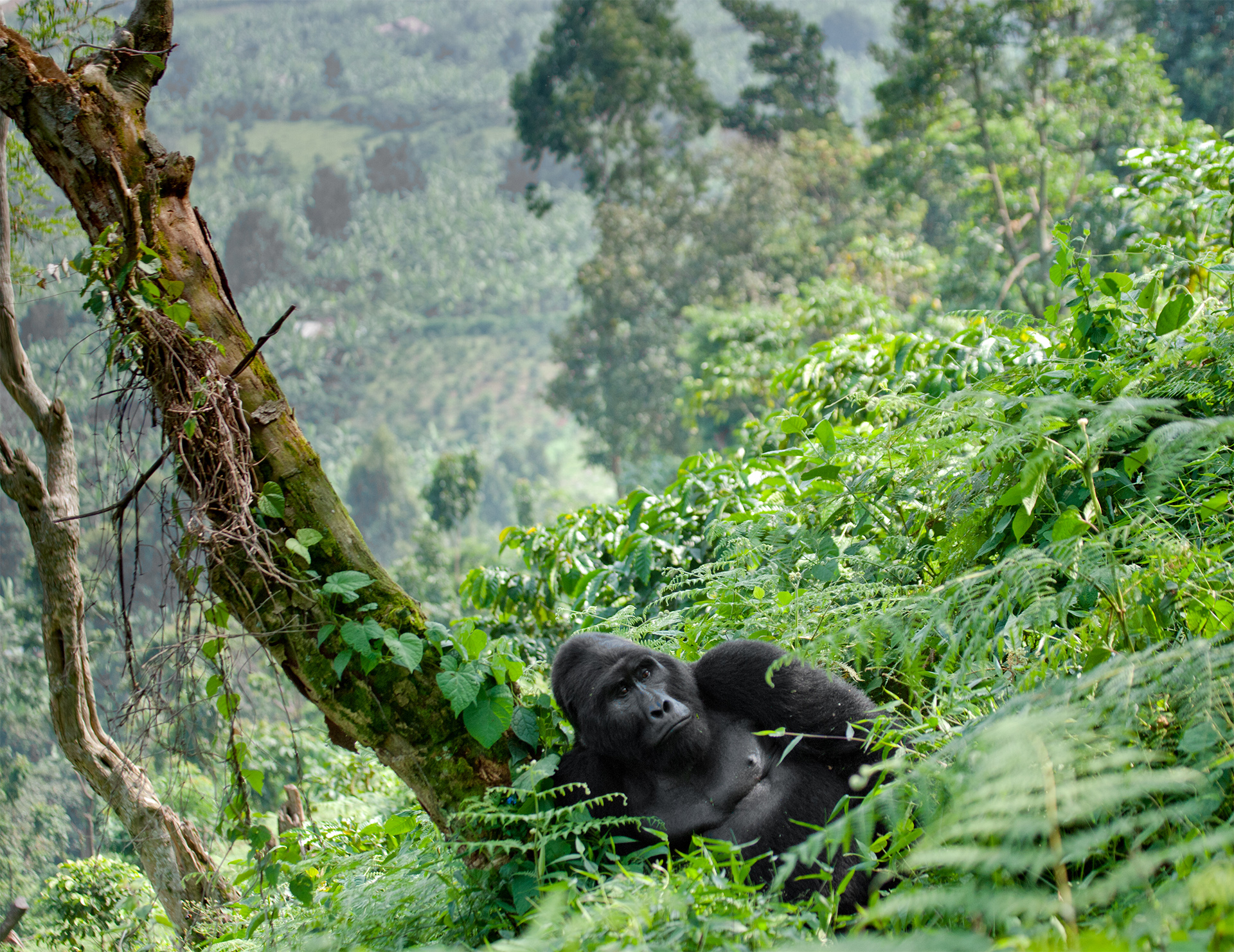
January is one of the best months to visit Uganda. It's the middle of the short dry season, meaning less rain and more comfortable trekking conditions for seeing the magnificent mountain gorillas in Bwindi Impenetrable Forest. The trails are less muddy, and the vegetation is less dense, making for better visibility. It's also a prime time for birdwatching, as migratory birds are present.
South Africa: Cape Town and the Garden Route
For those looking to combine a safari with other experiences, South Africa is an excellent choice in January. It's the height of summer in Cape Town and the Western Cape, offering beautiful weather for exploring the city, Winelands, and the stunning Garden Route. You can then head to a private game reserve in the Eastern Cape or the Kruger region for a world-class safari. Explore our destinations page for more on South Africa.
Navigating the Green Season: Pros and Cons
In many parts of East Africa, including Tanzania and Kenya, January falls within the 'green season.' This period, between the short and long rains, has its own unique advantages and disadvantages.
The Pros:
- Lush, Photographic Landscapes: The bush is vibrant and green, offering a stunning backdrop for your photos.
- Fewer Crowds: With the exception of the southern Serengeti, many parks are less crowded than during the peak dry season.
- Lower Prices: You can often find better deals on accommodation and tours.
- Excellent Birdwatching: The green season is a paradise for birders, with many resident birds in breeding plumage and the arrival of migratory species.
The Cons:
- Rain: While not constant, you can expect afternoon showers. These are usually short-lived but can occasionally disrupt activities.
- Thicker Vegetation: The lush growth can make wildlife spotting more challenging in some areas.
- Higher Humidity: The humidity is higher than in the dry season, which can be uncomfortable for some travelers.
> Traveler's Tip: Pack a lightweight, waterproof jacket and be prepared for all weather conditions. A positive attitude and flexibility are key to enjoying a green season safari to the fullest.
Cost of a January Safari: A Budgeting Guide
Safari costs can vary widely depending on the destination, accommodation style, and duration of your trip. In January, you'll find a mix of peak season pricing (in the Serengeti) and shoulder season pricing (in other areas).
Here's a rough breakdown of what you might expect for a mid-range safari per person per day:
- Tanzania (Serengeti): $700 - $1,200+
- Uganda (Gorilla Trekking): $600 - $1,000 (excluding gorilla permits, which are an additional cost)
- Kenya: $500 - $800
These costs typically include accommodation, meals, park fees, and guided activities. For a more detailed estimate tailored to your preferences, use our cost calculator or plan your safari with one of our planning guides. They can help you build an itinerary that maximizes your experience while staying within your budget.
Need Expert Safari Guidance?
Get expert advisory support from a firm founded by a former safari guide — with real operational knowledge across 9 African countries and full-journey accountability.
Related Planning Guides
Recommended Reading
 Season & Timing Guides
February Safari Guide – What to Expect
This is a dummy meta description for February Safari Guide – What to Expect.
 Season & Timing Guides
March Safari Guide – What to Expect
This is a dummy meta description for March Safari Guide – What to Expect.
 Season & Timing Guides
April Safari Guide – What to Expect
This is a dummy meta description for April Safari Guide – What to Expect.
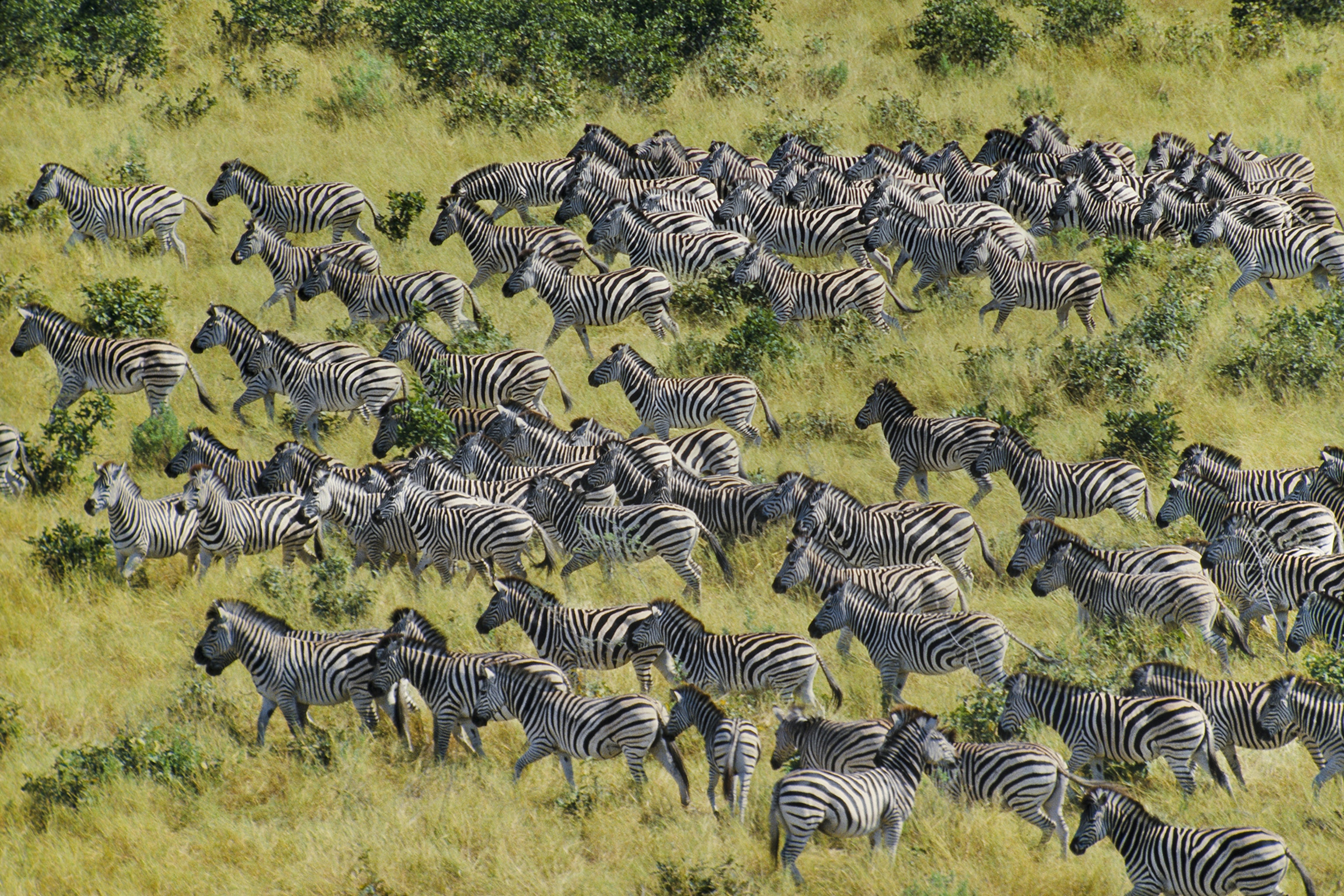 Safari Comparison Articles
Safari in January vs Safari in July
An in-depth comparison of Safari in January vs Safari in July to help you choose the perfect safari experience. Explore the pros, cons, and key differences to m
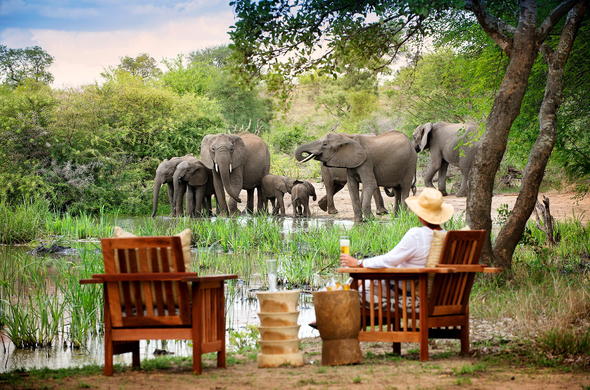 Safari Planning
Step-by-Step Guide to Planning an African Safari
Learn how to plan your first African safari with our step-by-step guide. We cover everything from choosing a destination to booking your trip and packing.
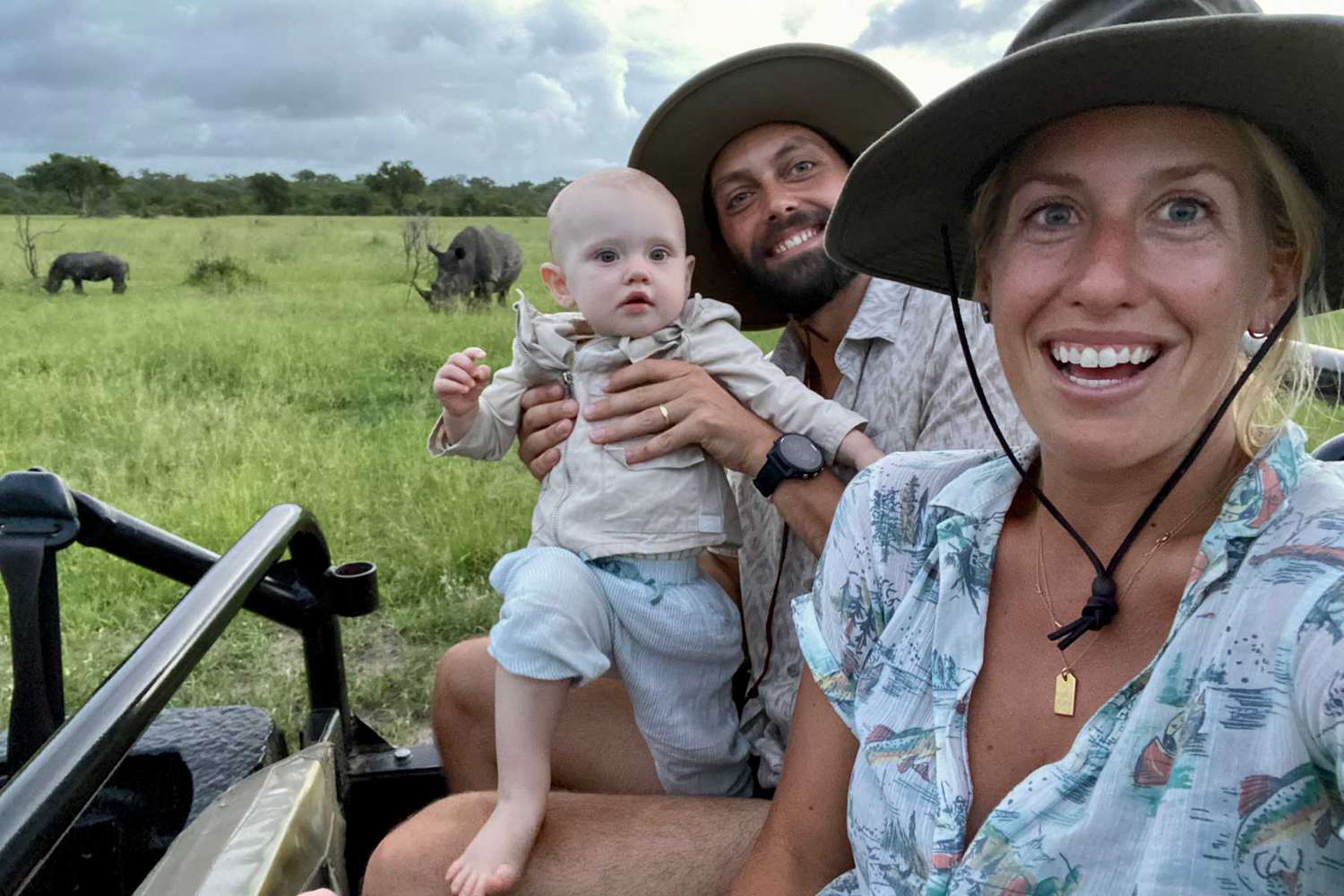 Safari Planning
What to Expect on Your First Safari
Prepare for your first African safari with our expert guide. Learn what to expect from game drives, accommodations, wildlife viewing, and daily safari life.