
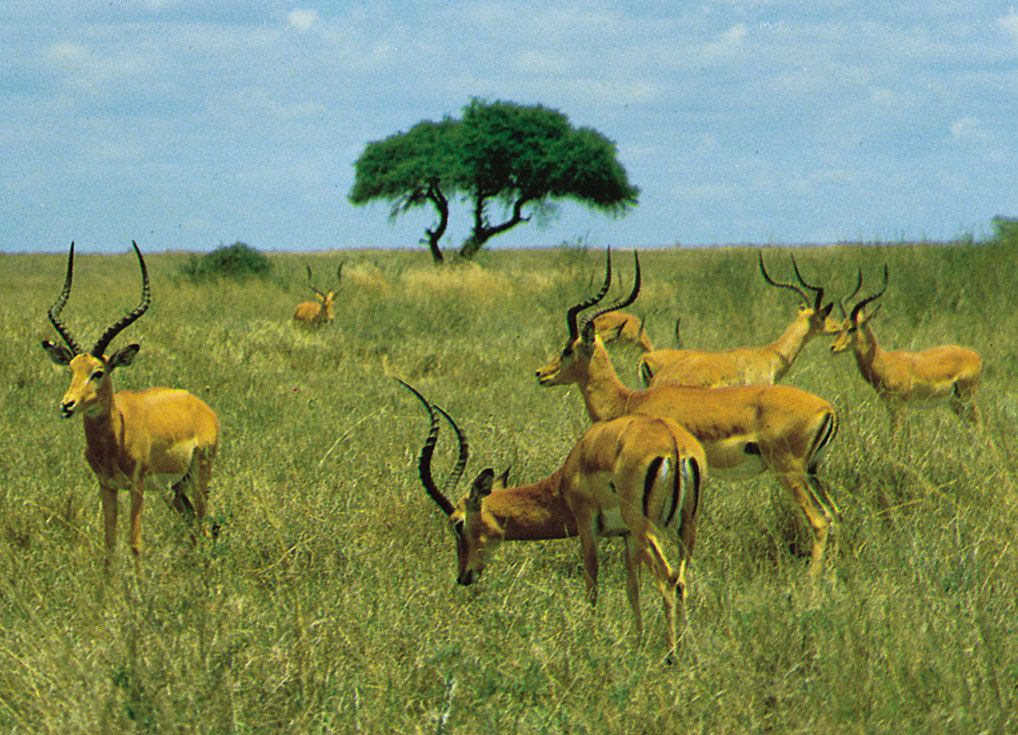
This is a dummy meta description for February Safari Guide – What to Expect.
About February Safari Guide – What to Expect
This in-depth guide explores february safari guide – what to expect, providing essential information for anyone planning an African safari. Understanding this topic thoroughly will help you make informed decisions and have a more rewarding safari experience. Africa's safari industry continues to evolve, and staying informed about the latest developments ensures you get the best possible experience.
Why This Matters for Your Safari
February Safari Guide – What to Expect is an important consideration for safari travelers. Whether you're a first-time visitor or a returning enthusiast, understanding the nuances of this topic can significantly impact your trip. From choosing the right destinations to selecting appropriate operators, every decision builds on foundational knowledge. Our safari operators can provide personalized guidance based on your specific needs.
Still researching? Let us help.
Our advisory team has planned safaris across 9 African countries. We can turn your research into a real plan.
Talk to an AdvisorKey Insights and Recommendations
Based on extensive industry experience and traveler feedback, several key insights emerge. First, research is your best investment, as the more you know before booking, the better your experience will be. Second, flexibility in timing and destinations often leads to better value and fewer crowds. Third, working with experienced professionals, whether guides, operators, or advisors, consistently produces superior outcomes. Explore our knowledge center for more detailed articles on related topics.
Practical Applications
Putting this knowledge into practice starts with your planning process. Begin by identifying your priorities, whether that's specific wildlife encounters, landscape preferences, or cultural experiences. Then use resources like our destination guides, cost calculator, and operator directory to build an itinerary that aligns with your goals. Don't rush the planning process, as a well-planned safari is almost always more rewarding than a hastily arranged one.
Further Reading
To deepen your understanding, explore related articles in our knowledge center. Each guide is written by safari industry professionals with firsthand experience across Africa's top destinations. For personalized advice, our safari planning guidey team is available to answer your questions and help refine your plans.
Done Reading? Let's Build Your Safari.
Skip the guesswork. Work with an advisor who has been on the ground across East and Southern Africa.
Plan With UsThe Great Migration in February: A Front-Row Seat to Nature’s Drama
February is arguably the most dramatic and rewarding month to witness the Great Migration in Tanzania. The vast herds of wildebeest, zebra, and gazelle concentrate on the nutrient-rich short-grass plains of the Southern Serengeti and the Ndutu Conservation Area. This is calving season, a period of intense vulnerability and explosive life. Over 80% of wildebeest calves are born in a synchronized three-week period, an evolutionary strategy to overwhelm predators through sheer numbers.
For visitors, this translates into an unparalleled wildlife spectacle. You can expect to see thousands of newborn calves taking their first steps, often within minutes of birth. This abundance of vulnerable prey attracts a high concentration of predators. Lions, cheetahs, hyenas, and leopards are all on high alert, creating a dynamic environment of constant predator-prey interaction. It is a raw, unfiltered look into the circle of life.
> Expert Insight: While the river crossings of the northern Serengeti are famous, the calving season in the south offers a more stationary and equally profound experience. Instead of chasing the herds, you can spend extended periods of time in one area, observing the intricate behaviors of the animals. It’s a photographer’s dream and a naturalist’s paradise. For a deeper understanding of this phenomenon, explore our detailed guides in the knowledge center.
Gorilla Trekking in February: Uganda vs. Rwanda
February falls within the short dry season in both Uganda and Rwanda, making it an ideal time for gorilla trekking. The drier trails make for easier hiking, and the thinner vegetation can improve visibility when you encounter a gorilla family. The choice between the two countries often comes down to budget, logistics, and the desired overall experience.
Uganda: Bwindi Impenetrable Forest
- Cost: A gorilla permit in Uganda costs $700 USD per person (as of early 2026). This significant price difference makes Uganda a more budget-friendly option.
- Experience: Bwindi is a vast, dense forest, and treks can be more challenging and adventurous. The park is home to nearly half of the world’s remaining mountain gorillas, with numerous habituated families.
- Logistics: Bwindi is more remote and typically requires a longer drive or a domestic flight from Entebbe International Airport (EBB).
Rwanda: Volcanoes National Park
- Cost: A permit in Rwanda is $1,500 USD per person, positioning it as a more exclusive, high-end destination.
- Experience: The park’s terrain consists of volcanic slopes, and treks are often shorter than in Bwindi. The open bamboo forests can offer excellent photographic opportunities.
- Logistics: Volcanoes National Park is easily accessible, just a 2-3 hour drive from Kigali International Airport (KGL), making it suitable for shorter itineraries.
> Traveler's Tip: Regardless of which country you choose, permits for February should be booked at least 6-9 months in advance. The limited number of daily permits sells out quickly, especially during peak seasons. Our safari operators can assist with securing permits and planning the complex logistics of a gorilla trekking trip.
February Safari Costs: A Realistic Budget Breakdown
Understanding the cost of a safari is crucial for planning. A February safari, being in a peak season for destinations like Tanzania, requires careful budgeting. Below is a sample cost breakdown for a 7-day mid-range and luxury safari for two people in Tanzania’s Northern Circuit.
| Cost Component | Mid-Range Safari (per person) | Luxury Safari (per person) | | ----------------------- | ----------------------------- | -------------------------- | | Accommodation | $2,100 - $2,800 | $4,500 - $7,000+ | | Park & Concession Fees | $700 - $900 | $700 - $900 | | Private 4x4 & Guide | $1,050 - $1,400 | $1,400 - $2,100 | | Internal Flights | $250 - $400 | $400 - $600 | | Estimated Total | $4,100 - $5,500 | $7,000 - $10,600+ |
Note: These estimates exclude international flights, visa fees, travel insurance, and tips.
The primary difference between mid-range and luxury lies in the level of accommodation and service. Luxury lodges offer more spacious rooms, gourmet dining, and often more exclusive locations. A mid-range safari provides excellent value with comfortable lodges and high-quality guiding. To get a more precise estimate for your specific travel style and dates, use our interactive safari cost calculator.
Planning Your February Safari: Key Considerations
With its popularity, a February safari requires forward planning. Here are some essential tips to ensure a smooth and rewarding journey:
- Book in Advance: For popular destinations like the Serengeti or for gorilla trekking, we recommend booking 9 to 12 months in advance. This secures the best guides, lodges, and permit availability.
- Packing Essentials: While days are warm, early morning game drives can be chilly. Pack layers, including a fleece or warm jacket. Sun protection, including a wide-brimmed hat, sunglasses, and high-SPF sunscreen, is non-negotiable.
- Health & Safety: Consult your doctor about necessary vaccinations and malaria prophylaxis. Comprehensive travel insurance is mandatory for all travelers we advise. It provides a safety net for unforeseen medical issues or travel disruptions.
Ready to take the next step? Our plan your safari page is the perfect place to start outlining your ideal African adventure. Our team is ready to help you craft a journey that aligns perfectly with your dreams and budget.
Need Expert Safari Guidance?
Get expert advisory support from a firm founded by a former safari guide — with real operational knowledge across 9 African countries and full-journey accountability.
Related Planning Guides
Recommended Reading
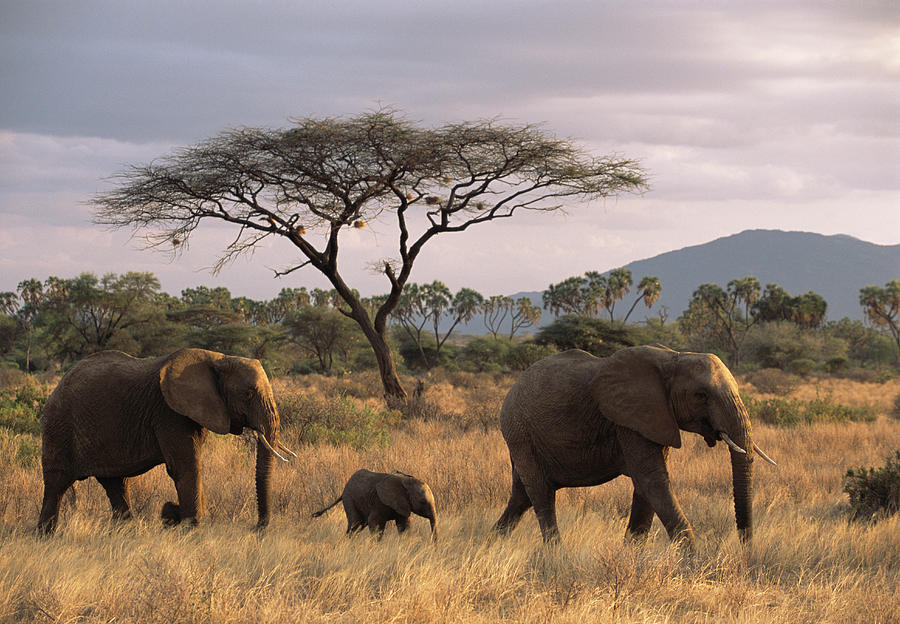 Season & Timing Guides
January Safari Guide – What to Expect
This is a dummy meta description for January Safari Guide – What to Expect.
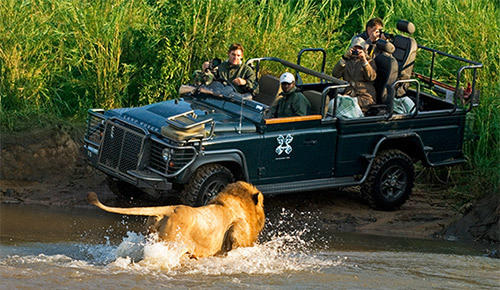 Season & Timing Guides
March Safari Guide – What to Expect
This is a dummy meta description for March Safari Guide – What to Expect.
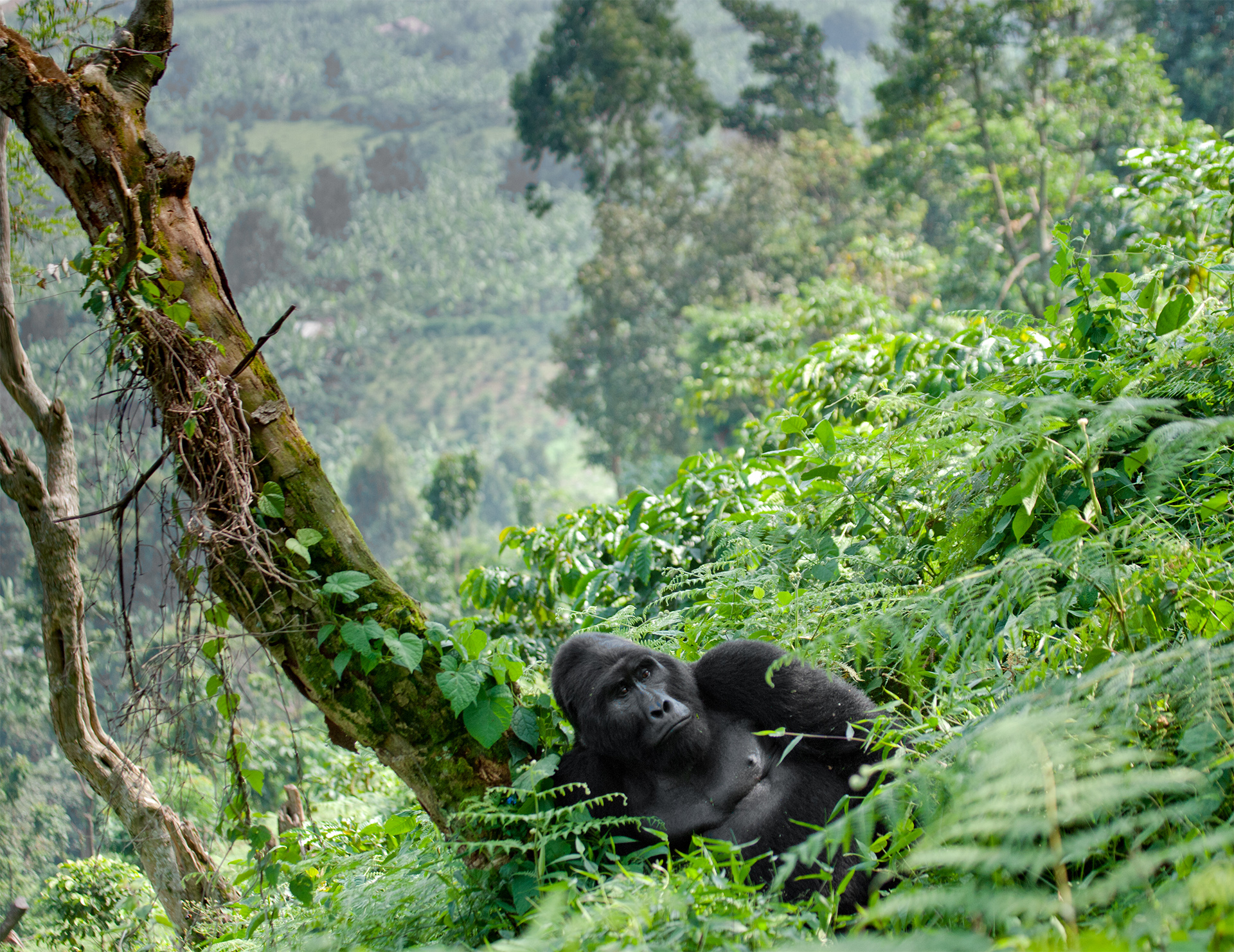 Season & Timing Guides
April Safari Guide – What to Expect
This is a dummy meta description for April Safari Guide – What to Expect.
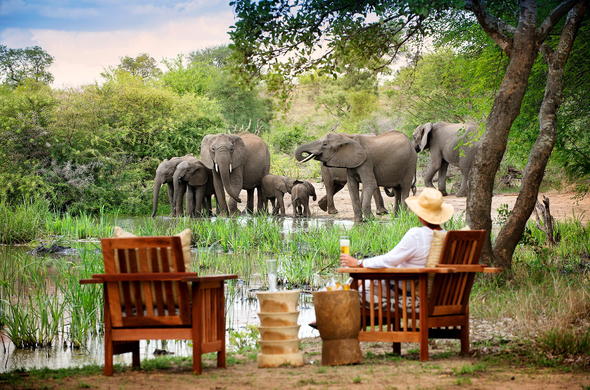 Safari Planning
Step-by-Step Guide to Planning an African Safari
Learn how to plan your first African safari with our step-by-step guide. We cover everything from choosing a destination to booking your trip and packing.
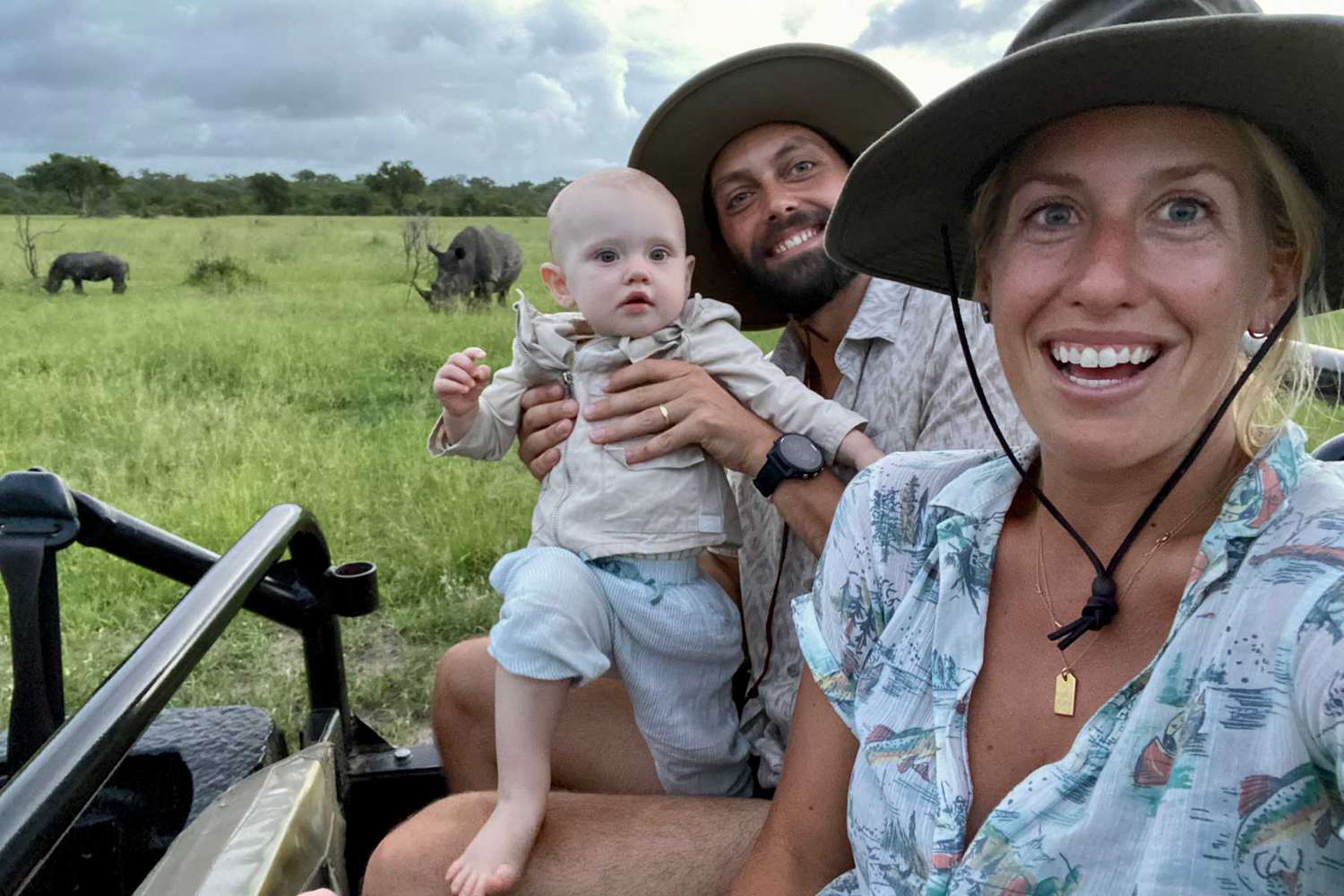 Safari Planning
What to Expect on Your First Safari
Prepare for your first African safari with our expert guide. Learn what to expect from game drives, accommodations, wildlife viewing, and daily safari life.
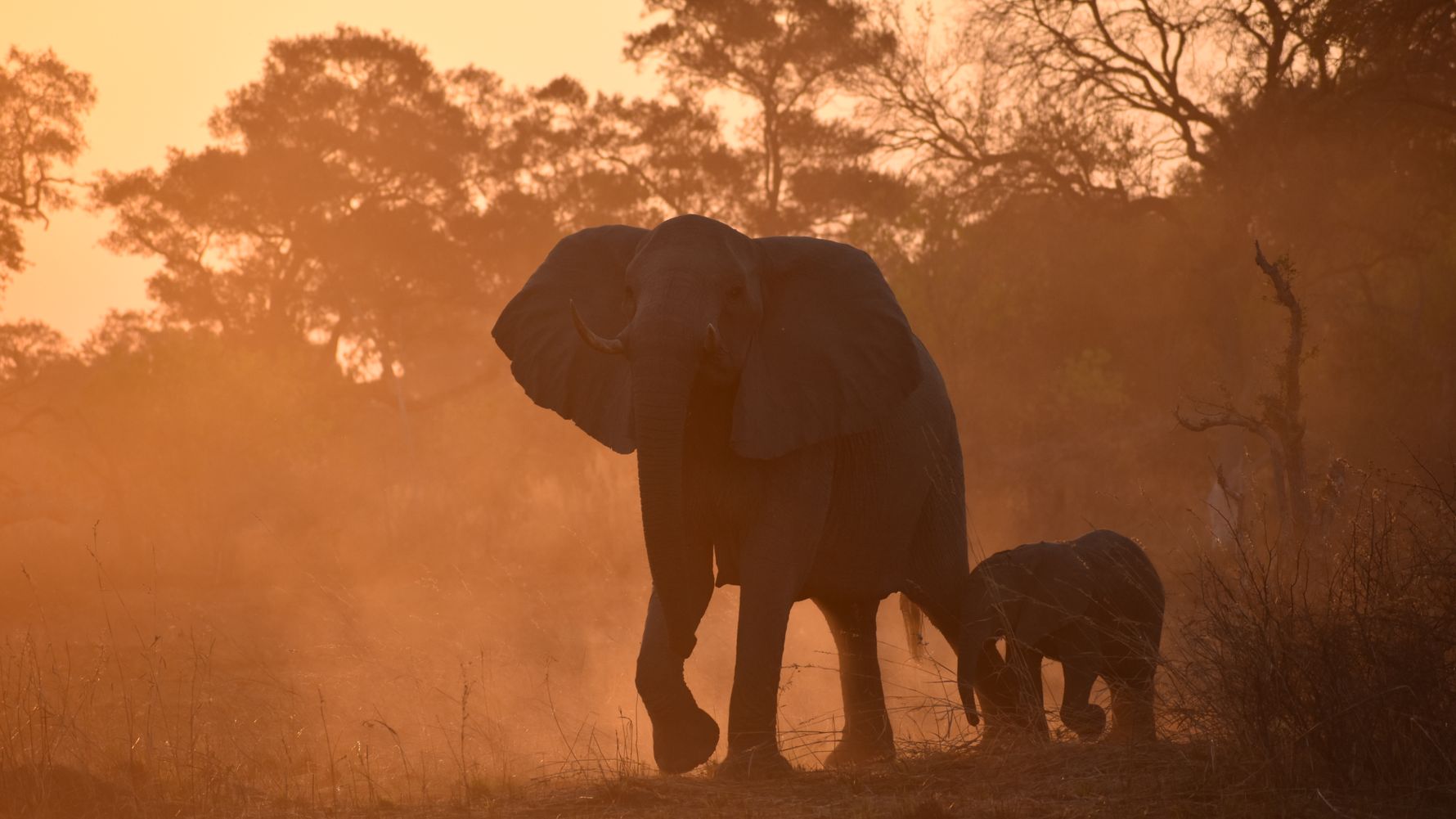 Safari Planning
Self-Drive Safari vs Guided Safari
Deciding between a self-drive safari and a guided safari? This guide breaks down the pros, cons, costs, and key differences to help you choose the right trip.