
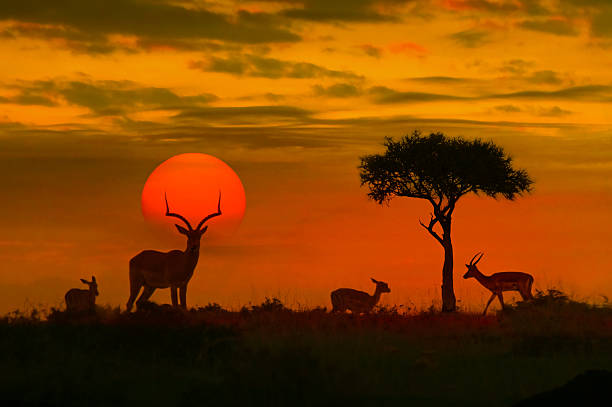
This is a dummy meta description for Safari Calendar Month by Month.
About Safari Calendar Month by Month
This in-depth guide explores safari calendar month by month, providing essential information for anyone planning an African safari. Understanding this topic thoroughly will help you make informed decisions and have a more rewarding safari experience. Africa's safari industry continues to evolve, and staying informed about the latest developments ensures you get the best possible experience.
Why This Matters for Your Safari
Safari Calendar Month by Month is an important consideration for safari travelers. Whether you're a first-time visitor or a returning enthusiast, understanding the nuances of this topic can significantly impact your trip. From choosing the right destinations to selecting appropriate operators, every decision builds on foundational knowledge. Our safari operators can provide personalized guidance based on your specific needs.
Still researching? Let us help.
Our advisory team has planned safaris across 9 African countries. We can turn your research into a real plan.
Talk to an AdvisorKey Insights and Recommendations
Based on extensive industry experience and traveler feedback, several key insights emerge. First, research is your best investment, as the more you know before booking, the better your experience will be. Second, flexibility in timing and destinations often leads to better value and fewer crowds. Third, working with experienced professionals, whether guides, operators, or advisors, consistently produces superior outcomes. Explore our knowledge center for more detailed articles on related topics.
Practical Applications
Putting this knowledge into practice starts with your planning process. Begin by identifying your priorities, whether that's specific wildlife encounters, landscape preferences, or cultural experiences. Then use resources like our destination guides, cost calculator, and operator directory to build an itinerary that aligns with your goals. Don't rush the planning process, as a well-planned safari is almost always more rewarding than a hastily arranged one.
Further Reading
To deepen your understanding, explore related articles in our knowledge center. Each guide is written by safari industry professionals with firsthand experience across Africa's top destinations. For personalized advice, our safari planning guidey team is available to answer your questions and help refine your plans.
Done Reading? Let's Build Your Safari.
Skip the guesswork. Work with an advisor who has been on the ground across East and Southern Africa.
Plan With UsDeconstructing the Safari Calendar: Beyond Wet and Dry
While many guides simplify the safari calendar into a binary choice between "wet" and "dry" seasons, this approach overlooks the nuanced realities that define the safari experience. A more sophisticated framework involves understanding three distinct periods: Peak Season, Shoulder Season, and Low Season. Each offers a unique combination of wildlife viewing, crowd density, and pricing, allowing you to align your travel with your specific priorities.
- Peak Season (High Season): Typically coinciding with the dry months (June to October) and the festive period (December to January), this is when wildlife is easiest to spot as animals congregate around scarce water sources. It also features the dramatic Great Migration river crossings in Kenya and Tanzania. The trade-offs are higher costs and more vehicles at sightings. Advance booking, often 12 to 18 months, is essential.
- Shoulder Season: These transitional months (e.g., November, March, May) bridge the gap between peak and low seasons. They often present a "best of both worlds" scenario, with lush, green landscapes from recent rains, active wildlife, fewer tourists, and more competitive pricing. This is an excellent time for travelers seeking value without compromising on the quality of their experience.
- Low Season (Green Season): Corresponding with the heaviest rains (typically April and May in East Africa), this period sees the landscape at its most vibrant. While some lodges close and rain can make dirt roads challenging, the low season offers significant advantages: the lowest prices, minimal crowds, and outstanding birdwatching as migratory species are in residence. It is also a time of renewal, with many animals giving birth.
January to March: The Emerald Season and New Life
Often called the "Emerald Season," the start of the year in East Africa is a time of breathtaking beauty. The short rains of November and December have left the savanna lush and green, creating a stunning backdrop for photography. This is a period of abundance and new beginnings, particularly in Tanzania's Southern Serengeti.
From January to March, the vast plains of the Ndutu region become the epicenter of the Great Migration's calving season. Over 80% of the wildebeest give birth in a synchronized three-week period, flooding the ecosystem with over 500,000 newborn calves. This explosion of life inevitably attracts a high concentration of predators, including lions, cheetahs, and hyenas, offering some of the most dramatic wildlife viewing on the continent.
> Expert Insight: While the migration is in Tanzania, this is a superb time to visit Kenya. Parks like the Maasai Mara and Amboseli are quieter than in peak season, allowing for more intimate wildlife encounters. With clear morning skies and dramatic afternoon clouds, it is a photographer's dream. For those interested in gorilla trekking, conditions in Uganda and Rwanda are generally excellent.
April to May: The Long Rains and Strategic Opportunities
The period of long rains in East Africa is traditionally the low season. Heavy and consistent rainfall can make logistics more challenging, and some remote camps may close temporarily. However, for the strategic and well-informed traveler, this season holds unique and valuable opportunities.
The primary benefit is cost. With fewer visitors, lodges and operators offer their most attractive pricing, making this the most budget-friendly time to go on safari. A trip that might be prohibitively expensive in August becomes accessible in April. Furthermore, the parks are virtually empty, ensuring that your wildlife sightings are exclusive and uncrowried.
> Traveler's Tip: Don't dismiss the rainy season. A well-planned itinerary focusing on areas with all-weather road networks or choosing a lodge in a private conservancy can mitigate the impact of the rain. The experience of seeing the savanna burst into life, with wildflowers blooming and the air clear of dust, is a reward in itself. For personalized advice on navigating this season, connect with our safari operators.
June to October: Prime Time in the African Bush
This is the quintessential safari season across most of Africa. The weather is dry and mild, the skies are clear, and the risk of malaria is at its lowest. The lack of rain forces animals to congregate around permanent rivers and waterholes, making them easier to find. The vegetation is less dense, further improving visibility.
This period is defined by the Great Migration's northward journey, culminating in the legendary crossings of the Grumeti and Mara Rivers between July and September. This is one of nature's most dramatic spectacles, as vast herds of wildebeest and zebra face crocodiles and strong currents. Due to its popularity, booking a safari during this window requires significant advance planning. We recommend starting the process on our plan your safari page at least a year in advance.
Beyond East Africa, this is the best time to visit Southern Africa. The Okavango Delta in Botswana is in full flood, creating a stunning water-world best explored by mokoro (dugout canoe). In Zambia, the dry weather is perfect for the world-renowned walking safaris in South Luangwa National Park. Meanwhile, Zimbabwe's Hwange National Park draws massive herds of elephants to its pumped waterholes.
November to December: The Return of the Rains
The "short rains" of November and early December signal a dramatic shift in the ecosystem. The first downpours wash the dust from the air and trigger a flush of new grass. This is a time of rejuvenation and dispersal. Wildlife begins to spread out from the permanent water sources, and the landscape transforms from khaki to green.
This shoulder season is an excellent compromise between the prime conditions of the dry season and the value of the green season. You'll find fewer crowds than in peak months and can often take advantage of lower accommodation rates. It is a fantastic time for birdwatching, as migratory species from the northern hemisphere arrive in their thousands.
For those planning a trip around the holidays, be aware that the last two weeks of December are considered peak season, with corresponding price increases. To understand how different seasons impact your budget, explore our safari cost calculator.
By understanding these seasonal dynamics, you can move beyond a generic search for the "best time to go" and instead identify the best time for you. Whether your priority is witnessing a river crossing, avoiding crowds, capturing the perfect photograph, or maximizing your budget, the safari calendar offers a perfect window for every traveler.
Need Expert Safari Guidance?
Get expert advisory support from a firm founded by a former safari guide — with real operational knowledge across 9 African countries and full-journey accountability.
Related Planning Guides
Recommended Reading
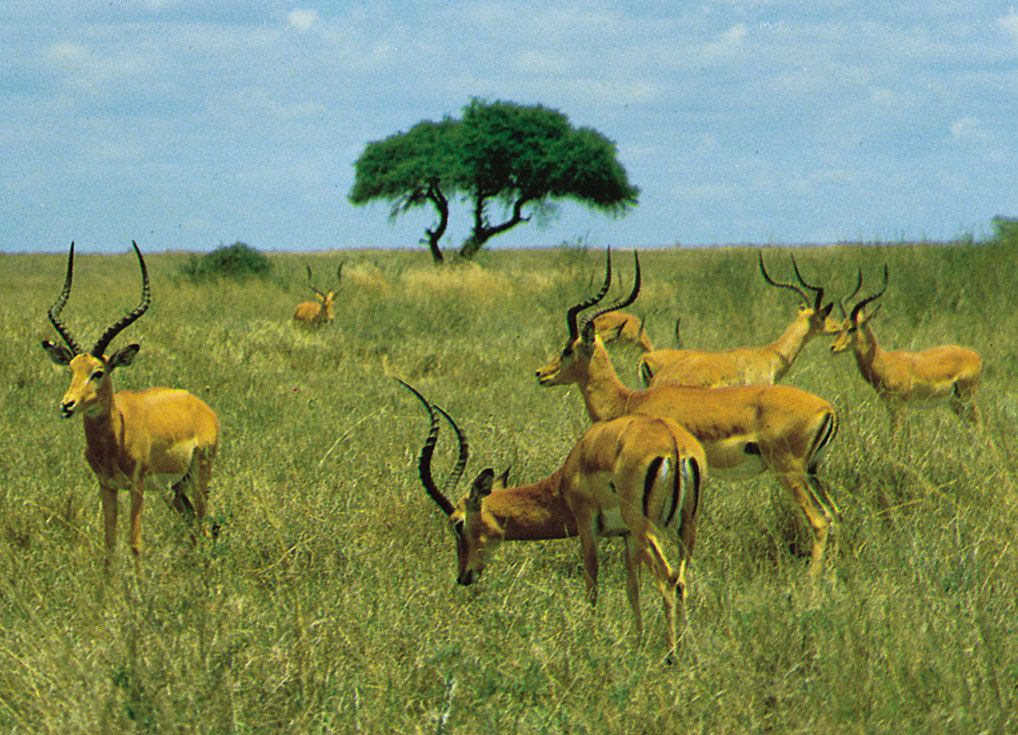 Destination Guides
Safari Destinations Near Dar es Salaam
Discover everything you need to know about Safari Destinations Near Dar es Salaam. From wildlife and landscapes to lodges and activities, this guide covers it a
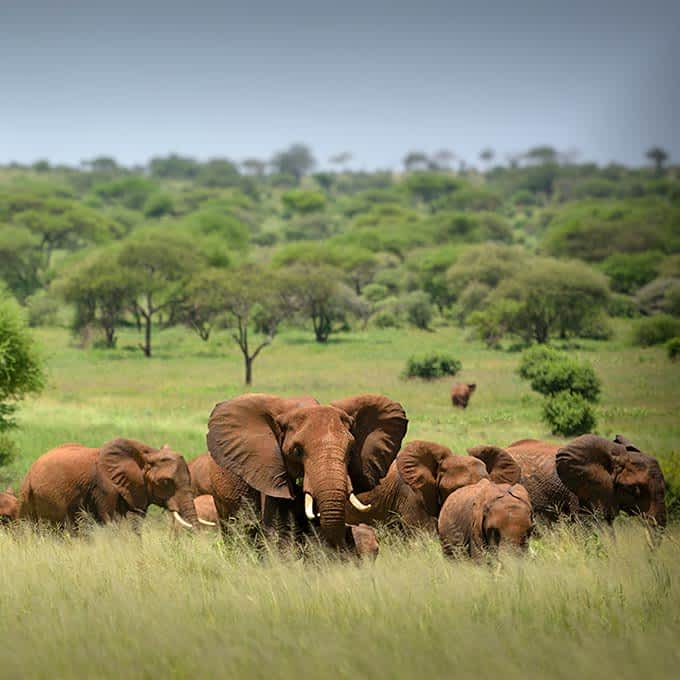 Season & Timing Guides
Best Time to Visit Tanzania for Safari
Expert guide on best time to visit tanzania for safari with month-by-month conditions, pricing, and planning recommendations for safari travelers.
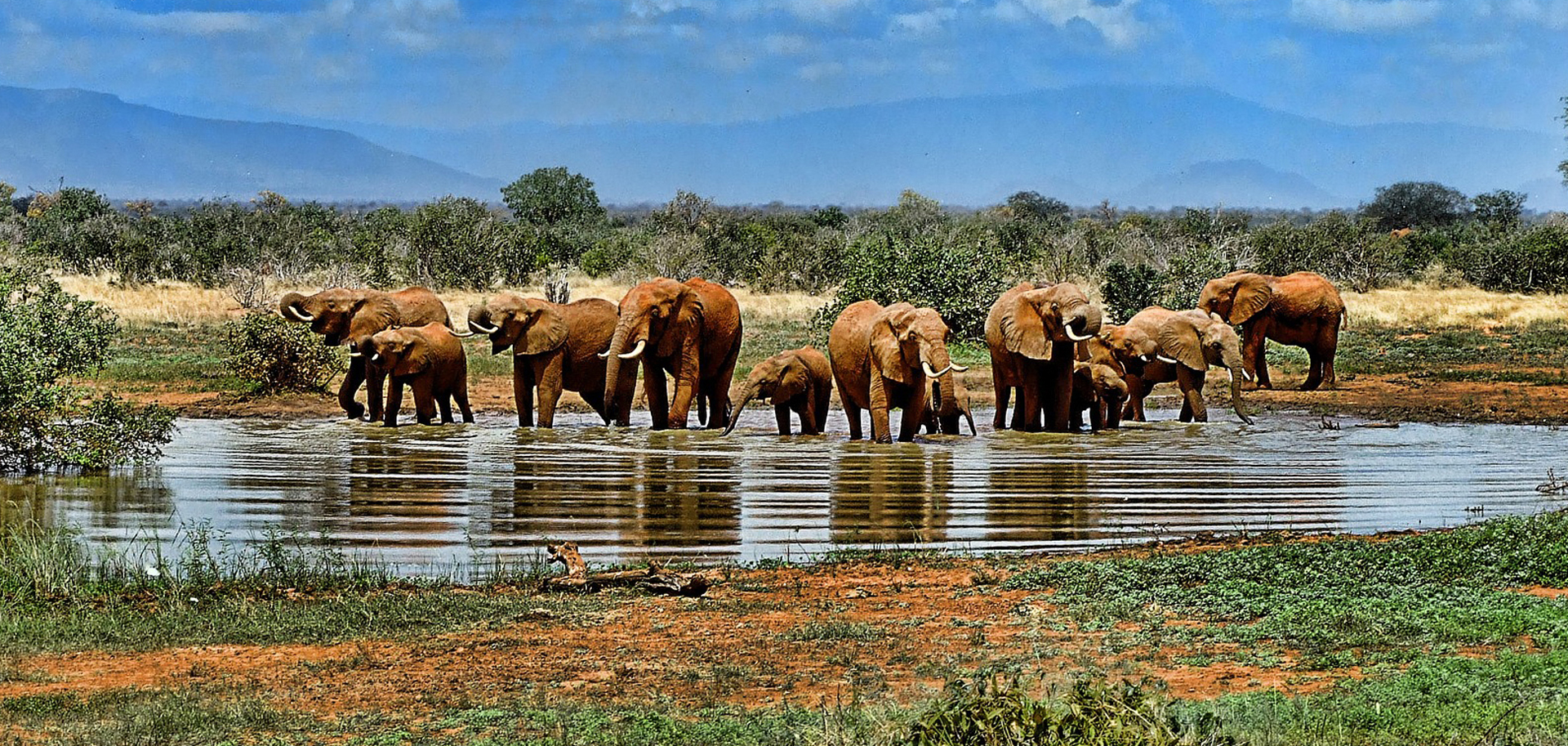 Season & Timing Guides
Best Time to Visit Kenya for Safari
Expert guide on best time to visit kenya for safari with month-by-month conditions, pricing, and planning recommendations for safari travelers.
 Season & Timing Guides
Best Time to Visit Botswana for Safari
Expert guide on best time to visit botswana for safari with month-by-month conditions, pricing, and planning recommendations for safari travelers.
 Safari Planning
Private Safari vs Group Safari
Learn the key differences between private and group safaris to decide which is right for you. This guide compares flexibility, cost, and experience.
 Safari Planning
Self-Drive Safari vs Guided Safari
Deciding between a self-drive safari and a guided safari? This guide breaks down the pros, cons, costs, and key differences to help you choose the right trip.