
An in-depth comparison of Safari in January vs Safari in July to help you choose the perfect safari experience. Explore the pros, cons, and key differences to m
Safari in January vs Safari in July
When it comes to safari in january vs safari in july, there is no shortage of opinions. This evidence-based guide cuts through the noise to give you actionable, trustworthy information for your safari planning.
Regional Considerations Across Africa: Safari in January vs Safari in July
Southern Africa presents a different landscape for safari in january vs safari in july. Countries like Botswana, South Africa, Namibia, and Zimbabwe each have established infrastructure and practices that reflect their unique environments. The Okavango Delta, for instance, requires water-based considerations that land-based safaris in Kruger National Park do not.
East African safaris, particularly in Kenya and Tanzania, have their own distinct approach to safari in january vs safari in july. The Serengeti-Mara ecosystem, which hosts the Great Migration, requires specific planning considerations that differ from destinations like Amboseli or Ngorongoro. Understanding these regional differences is crucial for optimizing your experience.
Central and West African destinations, including Uganda, Rwanda, and the Congo, offer specialized experiences like gorilla trekking that bring their own set of requirements. These destinations often involve more challenging terrain and different logistical considerations compared to the classic savanna safari.
Still researching? Let us help.
Our advisory team has planned safaris across 9 African countries. We can turn your research into a real plan.
Talk to an AdvisorMaking the Most of Your Experience
Finally, remember that a safari is more than just wildlife viewing. The cultural experiences, landscapes, and personal connections you make along the way are equally valuable. Approaching safari in january vs safari in july with this broader perspective will enrich your entire journey.
To truly optimize safari in january vs safari in july, approach your safari with an open mind and realistic expectations. Africa has a way of surprising even the most experienced travelers, and some of the best moments come from unexpected encounters and unplanned detours.
Photography enthusiasts should pay special attention to safari in january vs safari in july as it relates to their equipment and technique. The lighting conditions, distances, and movement patterns of African wildlife create unique challenges and opportunities that benefit from advance preparation.
Seasonal Factors and Timing
Weather patterns across Africa are becoming less predictable due to climate change, which adds another layer of consideration to safari in january vs safari in july. Working with operators who have current, on-the-ground knowledge of conditions is more important than ever.
The timing of your safari significantly impacts safari in january vs safari in july. Dry season months, typically June through October in most East African destinations, offer different conditions than the green season months of November through May. Each period has distinct advantages and considerations.
Practical Planning Steps
Step one in addressing safari in january vs safari in july is to clearly define your priorities and expectations. Are you focused on specific wildlife sightings, cultural experiences, photography opportunities, or a combination? Your answer will shape every subsequent decision.
Step two involves researching your options thoroughly. Compare different destinations, operators, and approaches to safari in january vs safari in july. Read reviews from verified travelers, consult with safari operators, and cross-reference information from multiple sources.
Step three is creating a detailed plan that accounts for all aspects of safari in january vs safari in july. This should include timelines, budgets, backup options, and contingency plans. The most successful safari travelers are those who plan thoroughly while remaining flexible enough to adapt to changing conditions.
Done Reading? Let's Build Your Safari.
Skip the guesswork. Work with an advisor who has been on the ground across East and Southern Africa.
Plan With UsUnderstanding the Fundamentals
The foundation of safari in january vs safari in july begins with understanding the basic principles. Safari environments across Africa present unique conditions that differ significantly from what most travelers are accustomed to. In East Africa, the vast savannas of Kenya and Tanzania create one set of considerations, while the dense forests of Uganda and Rwanda present entirely different challenges. Southern African destinations like Botswana and South Africa add yet another dimension.
Experienced safari operators emphasize that preparation is the single most important factor in safari in january vs safari in july. This means doing your research well in advance, consulting with knowledgeable advisors, and being willing to adapt your plans based on current conditions. The best safari experiences come from travelers who approach their journey with both enthusiasm and informed flexibility.
Head-to-Head Destination Comparison: January vs. July
To make the contrast between these two key safari months tangible, let's compare two iconic but very different ecosystems: Tanzania's Serengeti National Park and Botswana's Okavango Delta. This case study illustrates how the time of year dramatically reshapes the safari experience, influencing everything from wildlife behavior to cost.
Case Study: The Serengeti vs. The Okavango Delta
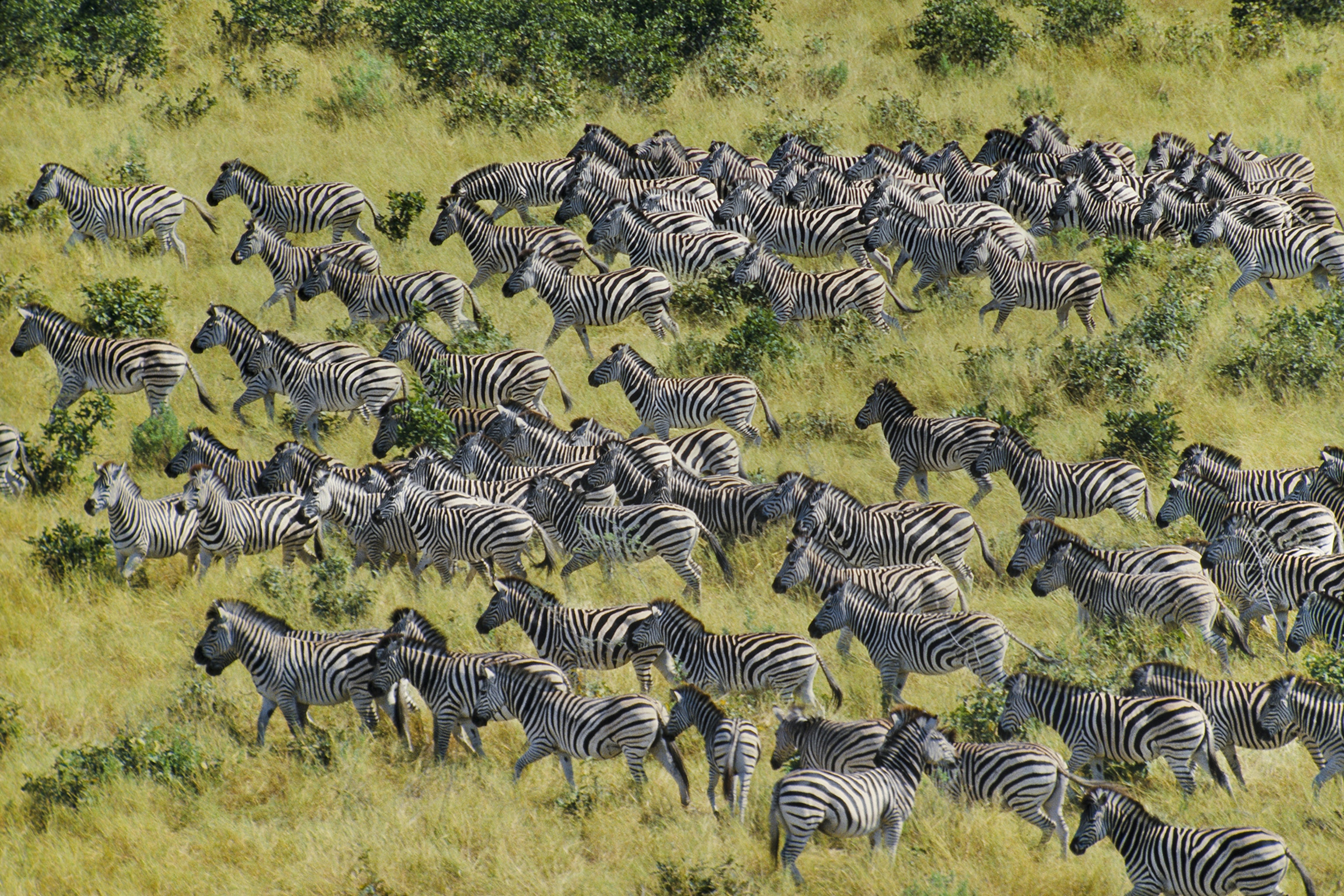
Safari in January: In January, the Serengeti is in its vibrant green season. The vast plains of the southern Serengeti, particularly the Ndutu region, are the epicenter of the Great Migration's calving season. Hundreds of thousands of wildebeest give birth, creating a dramatic spectacle and a feast for predators like lions, cheetahs, and hyenas. The landscape is lush and photogenic, though afternoon rain showers are common. For travelers, this means incredible predator action but also potentially muddy roads.
Conversely, January is the peak of the rainy season in Botswana's Okavango Delta. While the scenery is breathtakingly green and birdwatching is phenomenal, general game viewing is more challenging. Animals are dispersed due to abundant water and thick vegetation, and some remote camps may be closed. It is a season best suited for seasoned safari-goers who prioritize birdlife and verdant landscapes over high-density big game sightings.
Safari in July: July represents the peak dry season in the Serengeti. The Great Migration herds have moved north, congregating for the dramatic Mara River crossings, one of Africa's most sought-after wildlife events. The vegetation is sparse, making animals easier to spot as they gather around dwindling water sources. This is prime time for game viewing, but it also corresponds with peak tourist season, meaning higher prices and more vehicles.
In the Okavango Delta, July is the height of the annual flood and arguably the best time to visit. The floodwaters from Angola have transformed the landscape into a unique watery wilderness. Wildlife is concentrated on the newly formed islands, and water-based activities like mokoro (dugout canoe) safaris are at their best. The weather is cool and dry, offering comfortable conditions for exceptional sightings of elephants, leopards, and wild dogs. This exclusivity and prime viewing make it one of Africa's most premium safari experiences.
Related Resources
For more information on planning your safari, explore our destination guides, browse the safari operator directory, or connect with an experienced safari planning guide for personalized guidance.
Need Expert Safari Guidance?
Get expert advisory support from a firm founded by a former safari guide — with real operational knowledge across 9 African countries and full-journey accountability.
Related Planning Guides
Recommended Reading
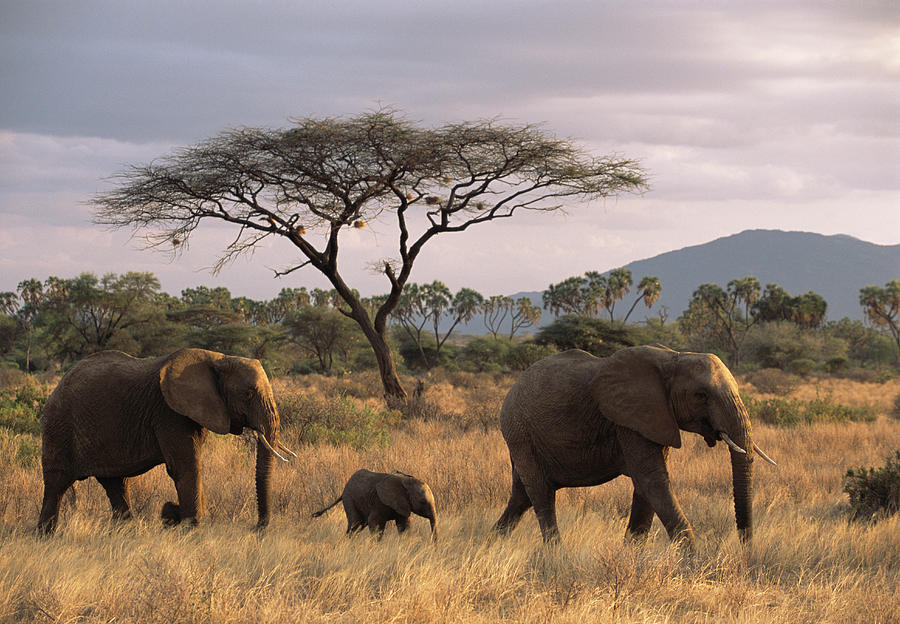 Season & Timing Guides
January Safari Guide – What to Expect
This is a dummy meta description for January Safari Guide – What to Expect.
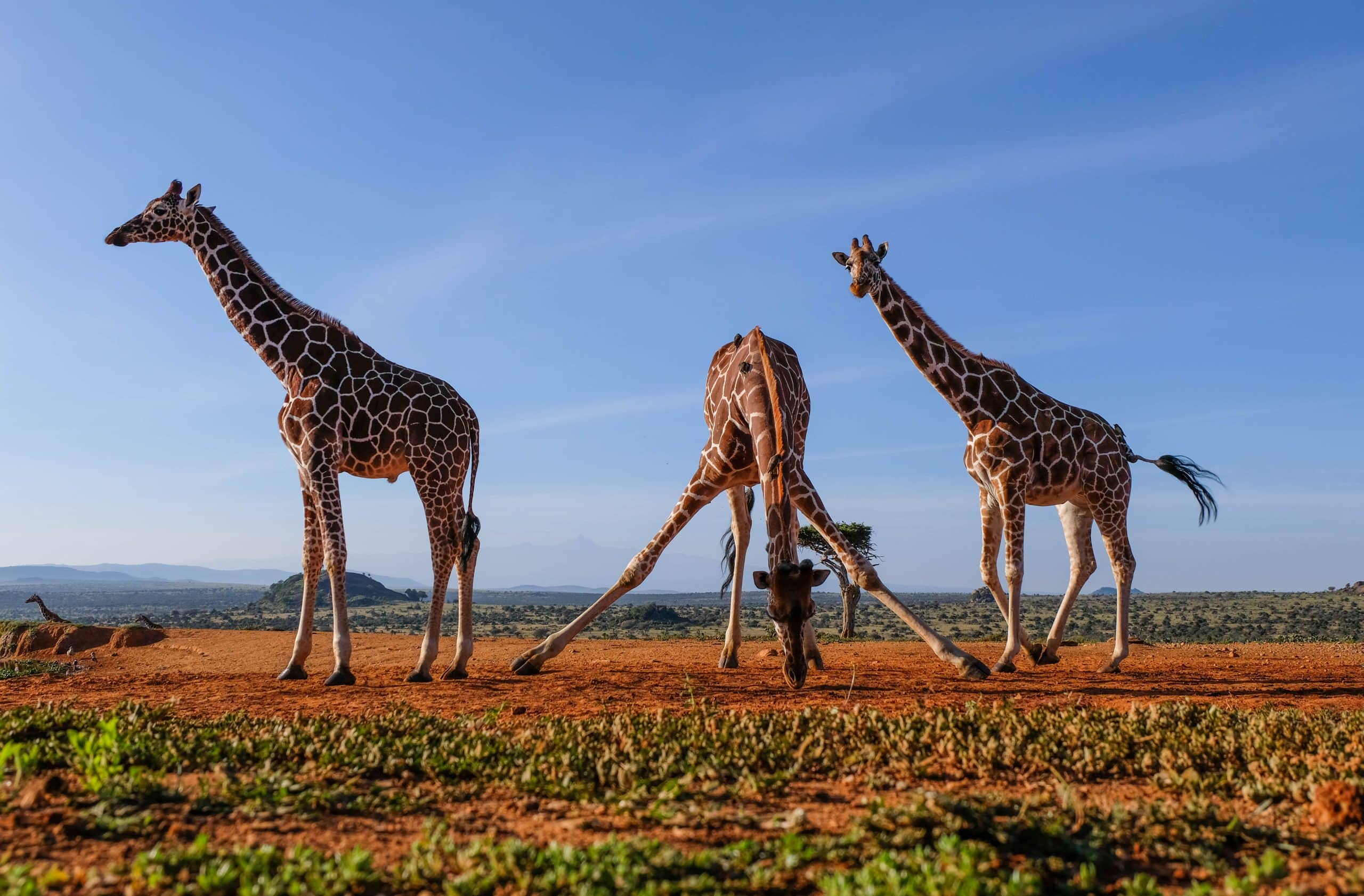 Season & Timing Guides
July Safari Guide – What to Expect
This is a dummy meta description for July Safari Guide – What to Expect.
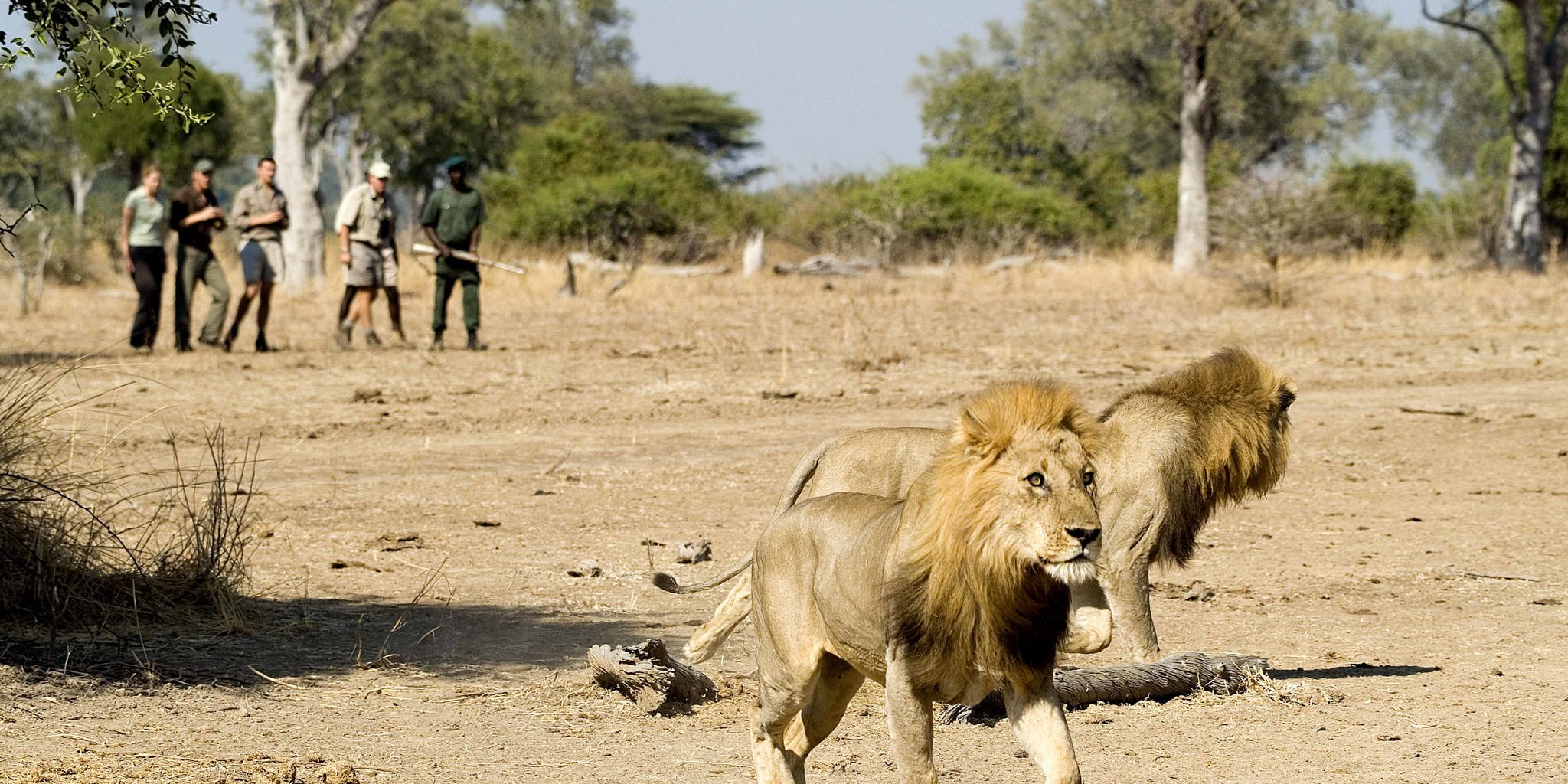 Safari Comparison Articles
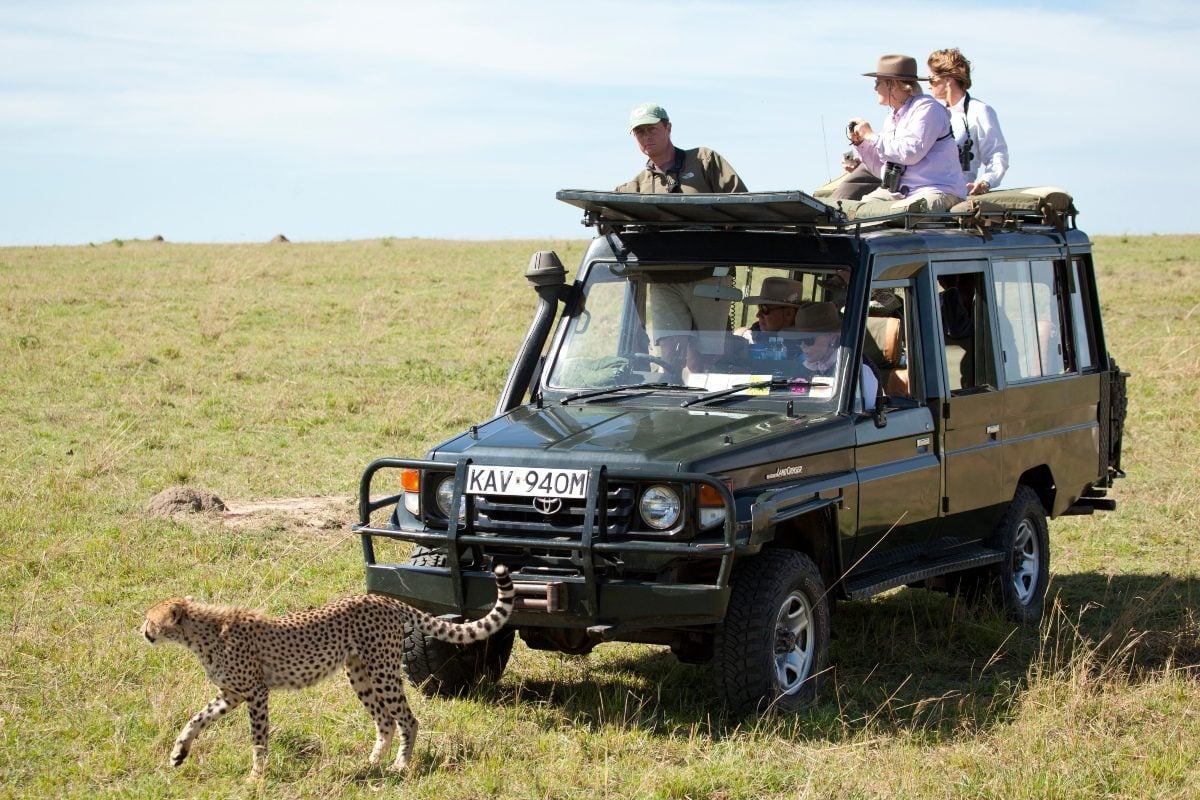
Walking Safari vs Driving Safari Comparison
An in-depth comparison of Walking Safari vs Driving Safari Comparison to help you choose the perfect safari experience. Explore the pros, cons, and key differen
 Safari Comparison Articles
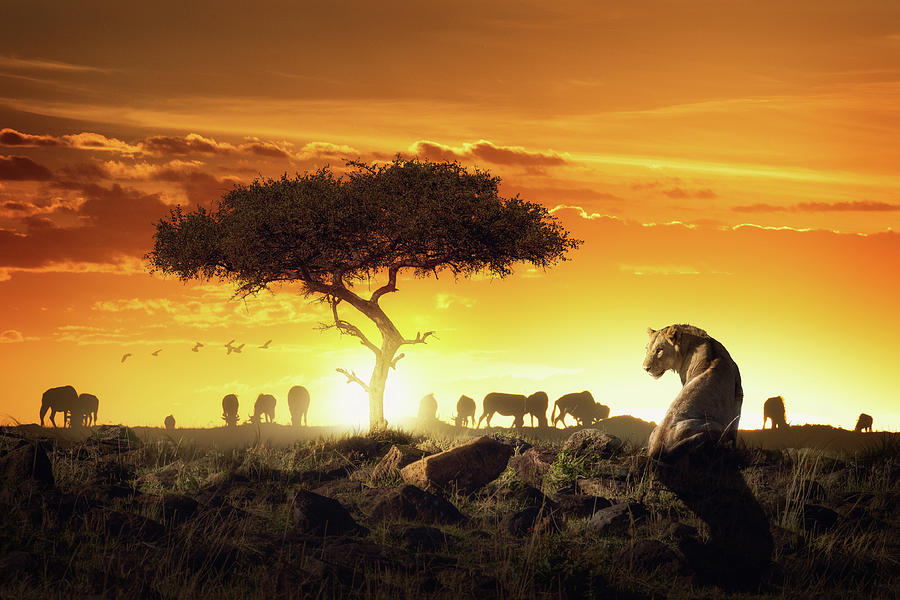
Boat Safari vs Land Safari Comparison
An in-depth comparison of Boat Safari vs Land Safari Comparison to help you choose the perfect safari experience. Explore the pros, cons, and key differences to
 Safari Comparison Articles
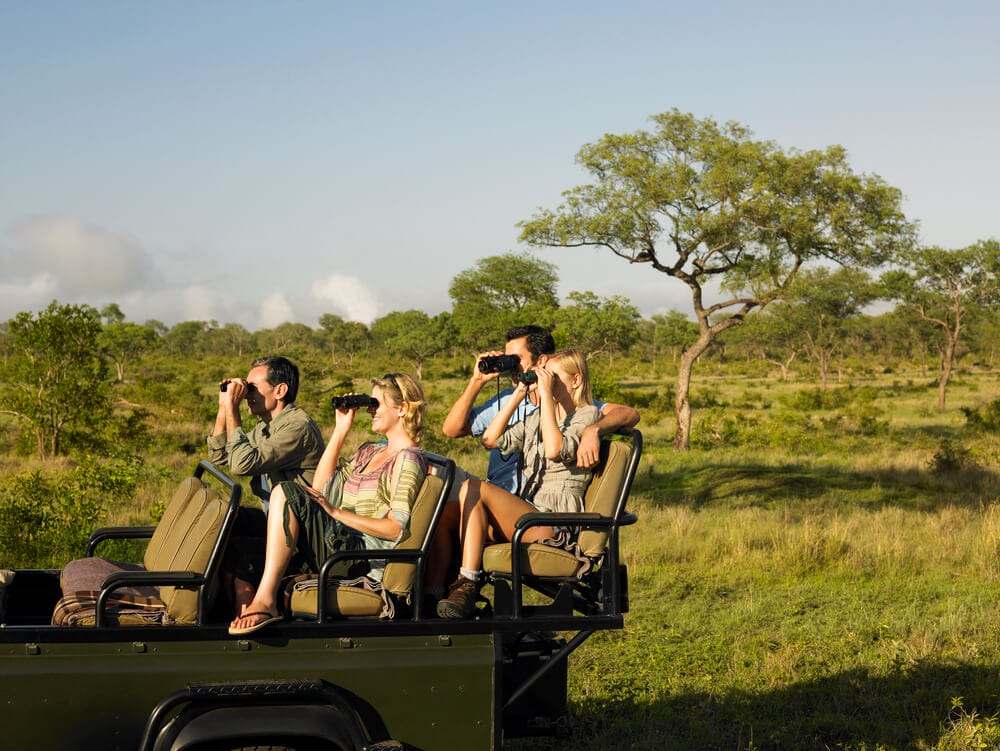
Short Safari vs Long Safari \u2013 What to Choose
An in-depth comparison of Short Safari vs Long Safari \u2013 What to Choose to help you choose the perfect safari experience. Explore the pros, cons, and key di
 Safari Planning Guides
How to Choose Between a Lodge Safari and Camping Safari
Discover how to plan your dream safari with our expert guide on How to Choose Between a Lodge Safari and Camping Safari. Get tips on destinations, costs, and more.