
Comprehensive guide to insect life on safari covering key species, habitats, viewing tips, and conservation status for safari travelers.
The Unsung Heroes of the Savanna
While the Big Five often steal the spotlight, the insect life on safari is just as fascinating and important. From the industrious dung beetle to the dazzling array of butterflies, insects play a crucial role in the African ecosystem. They are pollinators, decomposers, and a vital food source for many other animals. Taking the time to observe these smaller creatures can add a whole new dimension to your safari experience. Our knowledge center offers more insights into the intricate web of life on the savanna.
Fascinating Insect Species to Look For
Keep an eye out for the formidable driver ants, which march in massive columns and can consume anything in their path. The termite mounds that dot the landscape are another marvel of insect engineering, with complex ventilation systems that keep the colony cool. At night, you might be lucky enough to see fireflies lighting up the bush. And of course, the iconic dung beetle, tirelessly rolling its precious cargo, is a safari classic. Our safari operators can help you find guides who are knowledgeable about the smaller wonders of the bush.
Still researching? Let us help.
Our advisory team has planned safaris across 9 African countries. We can turn your research into a real plan.
Talk to an AdvisorInsects and Your Safari Experience
While most insects you encounter on safari are harmless, it's always a good idea to be prepared. Mosquitoes can be a nuisance, so be sure to pack insect repellent and wear long sleeves and pants in the evenings. Tsetse flies, found in some parts of Africa, can deliver a painful bite, but they are usually attracted to dark colors, so wearing light-colored clothing can help. Despite these minor inconveniences, the insect world is an integral and fascinating part of the safari experience. Use our cost calculator to start planning your adventure.
The Unsung Architects of the Savanna
While the Big Five often steal the spotlight, the intricate world of insects forms the very foundation of a healthy safari ecosystem. These small creatures are the unsung architects, tirelessly working to pollinate plants, decompose organic matter, and serve as a vital food source for birds, reptiles, and even some mammals. Without them, the savanna as we know it would cease to exist. Consider the humble dung beetle, a fascinating creature you'll often see rolling balls of dung across the plains. These beetles are not just cleaning up; they are playing a crucial role in nutrient cycling, breaking down waste and returning it to the soil. This process enriches the earth, allowing the iconic acacia trees and savanna grasses to thrive, which in turn feed the elephants, giraffes, and wildebeest that make for such breathtaking safari moments. By understanding the role of these tiny engineers, you gain a much deeper appreciation for the interconnectedness of all life on the savanna. For a deeper dive into the complex web of safari ecosystems, visit our knowledge center.
A Micro-Safari: Fascinating Insects to Discover
Beyond the more commonly known insects, a safari offers the chance to discover a world of fascinating and often bizarre-looking creatures. Keep an eye out for the stick insect, a master of camouflage that can be incredibly difficult to spot among the branches of trees and shrubs. Or the vibrant and varied butterfly species that add a splash of color to the landscape. In many parts of East and Southern Africa, you can find the impressive giant stick insects, some of which can grow to over 30 centimeters in length. Another captivating group are the termites, whose towering mounds are a common feature of the savanna. These mounds are complex structures, with intricate ventilation systems that maintain a constant temperature and humidity inside, regardless of the external conditions. They are a testament to the incredible engineering abilities of these social insects. Learning to spot and identify these smaller wonders can add a whole new dimension to your safari experience, turning it into a true micro-safari. Our expert safari operators can help you choose destinations known for their incredible biodiversity, both large and small.
> Expert Insight: The Art of Insect Spotting > > To truly appreciate the insect life on safari, you need to slow down and look closer. Ask your guide to point out the smaller details. A good guide will be able to show you things you would never have noticed on your own, from the intricate patterns on a butterfly's wings to the camouflaged form of a praying mantis. A pair of binoculars can be just as useful for spotting insects as it is for viewing distant mammals. And don't forget to look down! The ground is teeming with life, from the industrious dung beetles to the formidable driver ants.
Done Reading? Let's Build Your Safari.
Skip the guesswork. Work with an advisor who has been on the ground across East and Southern Africa.
Plan With UsThe Tsetse Fly: Understanding and Avoidance
The tsetse fly is one of the few insects on safari that can be a genuine nuisance. Found in woodland and savanna areas, particularly in parts of Tanzania, Zambia, and Zimbabwe, these flies can deliver a painful bite. While the risk of contracting sleeping sickness is extremely low for travelers, the bites themselves are best avoided. Tsetse flies are attracted to dark, moving objects, which is why they are often drawn to safari vehicles. Wearing light-colored clothing, including shades of white, beige, and khaki, can significantly reduce your chances of being bitten. Avoid dark blue and black, as these colors are known to attract them. Most safari vehicles are equipped with tsetse fly traps, and your guide will likely take measures to minimize their presence. If you are particularly sensitive to insect bites, consider a safari in a tsetse-free area. Our team can help you plan your safari to destinations that match your comfort level.
Malaria and Mosquitoes: A Sensible Approach
Mosquitoes are another insect to be mindful of on safari, primarily due to the risk of malaria in certain areas. However, with the right precautions, this risk can be effectively managed. Before you travel, consult your doctor or a travel clinic about the latest malaria information for your chosen destination and discuss the possibility of taking antimalarial medication. On safari, the best defense is to avoid being bitten. Most lodges and camps provide mosquito nets for your bed, and it's a good idea to use them. In the evenings, wear long-sleeved shirts and long pants, and apply a good quality insect repellent containing DEET or Picaridin to any exposed skin. By taking these sensible precautions, you can enjoy your safari with peace of mind, knowing you are well-protected. To get an idea of the costs associated with a safe and well-planned safari, including any necessary medical precautions, use our cost calculator.
Need Expert Safari Guidance?
Get expert advisory support from a firm founded by a former safari guide — with real operational knowledge across 9 African countries and full-journey accountability.
Related Planning Guides
Explore Related Topics
Recommended Reading
 Packing & Preparation
Safari Insect Repellent Guide
Learn all about Safari Insect Repellent Guide in this comprehensive guide.
 Safari Safety
Wildlife Safety on Safari
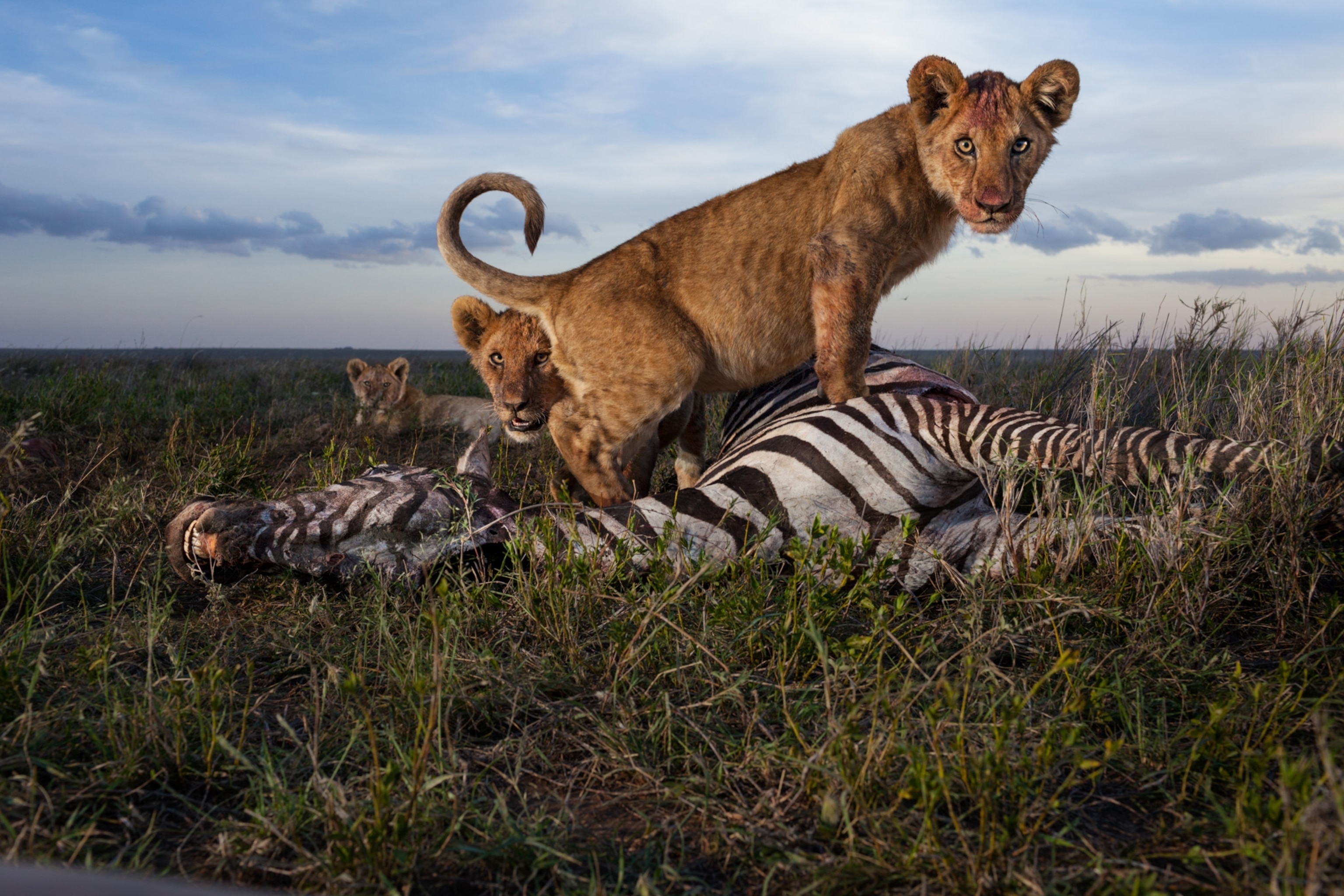
Planning an African safari? Our guide to wildlife safety provides essential tips for staying safe around wild animals, from game drives to walking safaris.
 Safari Planning Guides
How to Plan a Safari for Night Wildlife Viewing
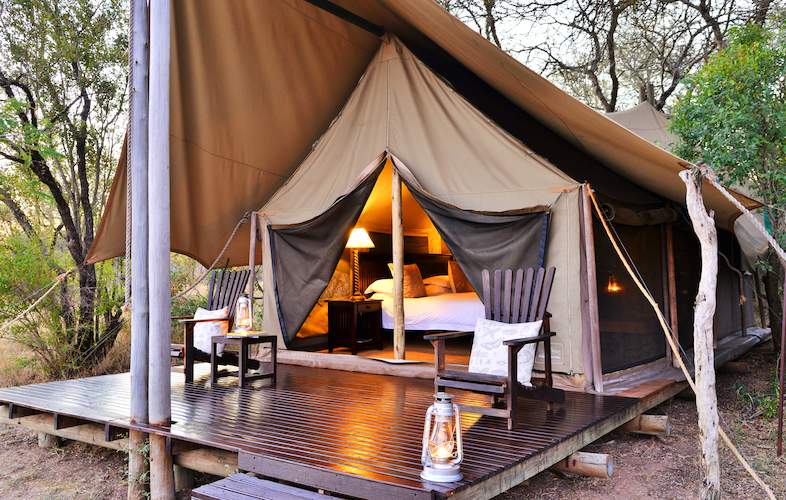
Learn about how to plan a safari for night wildlife viewing in this comprehensive safari guide covering key insights and practical advice.
 Safari Comparison Articles
Birding Safari vs Wildlife Safari
An in-depth comparison of Birding Safari vs Wildlife Safari to help you choose the perfect safari experience. Explore the pros, cons, and key differences to mak
 Safari Comparison Articles
Cultural Safari vs Wildlife Safari
An in-depth comparison of Cultural Safari vs Wildlife Safari to help you choose the perfect safari experience. Explore the pros, cons, and key differences to ma
 Safari Comparison Articles
Predator-Focused Safari vs General Wildlife Safari
An in-depth comparison of Predator-Focused Safari vs General Wildlife Safari to help you choose the perfect safari experience. Explore the pros, cons, and key d