
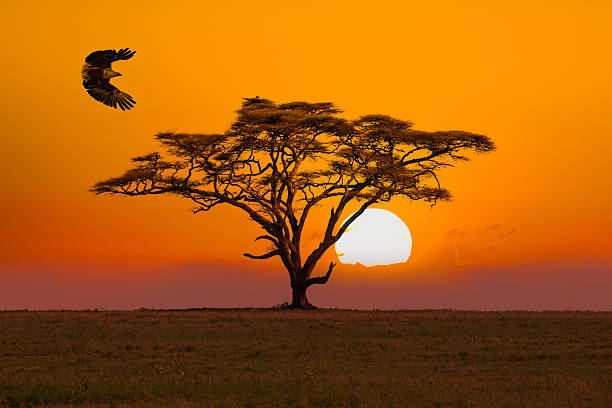
Comprehensive guide to reptile species you may see on safari covering key species, habitats, viewing tips, and conservation status for safari travelers.
The Nile Crocodile: A Prehistoric Predator
The Nile crocodile is one of Africa's most iconic and feared reptiles. These massive predators can be found in rivers, lakes, and marshes throughout the continent. They are masters of ambush, lying in wait for unsuspecting prey to come to the water's edge. Crocodiles play a vital role in their ecosystem, controlling fish populations and cleaning up carcasses. A boat safari is a great way to see these prehistoric creatures in their natural habitat. Check out our destinations for the best places to see crocodiles.
Snakes of the African Bush
Africa is home to a wide variety of snakes, from the deadly black mamba to the harmless mole snake. While the thought of snakes can be intimidating, they are an important part of the ecosystem, controlling rodent populations. Most snakes are shy and will avoid humans, so encounters are rare. However, it's always wise to be cautious when walking in the bush and to listen to the advice of your guide. Our knowledge center has more information on how to stay safe on safari.
Still researching? Let us help.
Our advisory team has planned safaris across 9 African countries. We can turn your research into a real plan.
Talk to an AdvisorLizards, Geckos, and Chameleons
In addition to crocodiles and snakes, Africa is home to a dazzling array of smaller reptiles. Monitor lizards, some of which can grow to be quite large, are a common sight in many national parks. Geckos are often seen in and around safari lodges, where they help to control insect populations. And the chameleon, with its ability to change color and its long, sticky tongue, is a true master of disguise. Our safari operators can help you find guides who are experts at spotting these elusive creatures.
The Nile Crocodile: An Apex Predator
The Nile crocodile is one of Africa's most formidable predators. These massive reptiles can reach lengths of up to 6 meters (20 feet) and weigh over 750 kg (1,650 lbs). They are masters of ambush, often lying motionless in the water for hours, waiting for unsuspecting prey to come within striking distance. Their diet is varied and includes fish, birds, and mammals. The annual wildebeest migration in the Serengeti-Mara ecosystem provides a dramatic spectacle as crocodiles feast on wildebeest and zebra crossing the Mara and Grumeti Rivers.
> Expert Insight: The sex of a crocodile is determined by the temperature of the nest. Warmer nests tend to produce males, while cooler nests produce females. This is a fascinating example of temperature-dependent sex determination in reptiles.
For the best crocodile viewing opportunities, we recommend visiting the Grumeti River in Tanzania's Serengeti National Park between June and August, or the Mara River in Kenya's Maasai Mara National Reserve between July and October. Our safari operators can help you plan a trip that coincides with these incredible wildlife events.
Venomous Snakes: A Guide to Identification and Safety
Africa is home to a variety of venomous snakes, and while sightings are relatively rare on safari, it's wise to be aware of the most common species. The Black Mamba, for example, is one of the world's most venomous snakes, known for its speed and potent neurotoxic venom. Despite its name, the Black Mamba is actually brownish-grey in color; its name comes from the inky black color of its mouth, which it displays when threatened. The Puff Adder, on the other hand, is a slow-moving, heavy-bodied snake with cytotoxic venom. It relies on camouflage to ambush its prey.
> Traveler's Tip: Always wear closed-toe shoes and use a flashlight when walking around your safari lodge or camp at night. Be sure to listen to the safety briefings provided by your lodge staff and guides. Never attempt to handle or approach a snake. If you're interested in learning more about reptiles, our knowledge center has additional resources.
Done Reading? Let's Build Your Safari.
Skip the guesswork. Work with an advisor who has been on the ground across East and Southern Africa.
Plan With UsBeyond the Giants: Smaller Reptiles of the Safari
While crocodiles and large snakes often steal the spotlight, Africa's smaller reptiles are equally fascinating. The Leopard Tortoise, named for its beautifully patterned shell, is a common sight in many savanna habitats. These gentle giants are herbivores, feeding on grasses and succulents. Chameleons, with their independently moving eyes and prehensile tails, are masters of camouflage. Spotting one is a true safari highlight. There are many different species, from the impressive Meller's Chameleon to the tiny Pygmy Chameleon.
Monitor lizards are another group of impressive reptiles. The Rock Monitor, for example, can grow to be over 2 meters (6.5 feet) long. They are opportunistic predators, feeding on a wide range of prey, from insects and small reptiles to bird eggs and carrion. You can learn more about the cost of a safari to see these creatures by visiting our cost calculator.
Top Destinations for Reptile Enthusiasts
Certain national parks and reserves are renowned for their reptile diversity. Here are a few of our top recommendations:
- Kruger National Park, South Africa: This iconic park is home to a vast array of reptiles, including Nile crocodiles, leopard tortoises, and numerous snake species.
- Serengeti National Park, Tanzania: Famous for its large crocodile populations in the Grumeti and Mara Rivers, the Serengeti also offers excellent opportunities to see monitor lizards and other reptiles.
- Queen Elizabeth National Park, Uganda: This park's diverse habitats, from savanna and wetlands to forests, support a rich reptile fauna. It's a particularly good place to look for chameleons.
Ready to start planning your own safari adventure? Our team of expert safari operators is here to help. Plan your safari with us for a journey that is safe, ethical, and unforgettable.
Need Expert Safari Guidance?
Get expert advisory support from a firm founded by a former safari guide — with real operational knowledge across 9 African countries and full-journey accountability.
Related Planning Guides
Explore Related Topics
Recommended Reading
 Wildlife Guides
Complete Guide to Safari Ant Species
A comprehensive guide to Complete Guide to Safari Ant Species. Learn about its habitat, behavior, diet, and conservation status.
 Wildlife Guides
Complete Guide to Butterfly Species on Safari
A comprehensive guide to Complete Guide to Butterfly Species on Safari. Learn about its habitat, behavior, diet, and conservation status.
 Wildlife Guides
Rare Animals You Can See on Safari
Discover the rare and elusive animals you can see on safari in Africa. This guide covers where to find African wild dogs, pangolins, black rhinos, and more.
 Safari Planning Guides
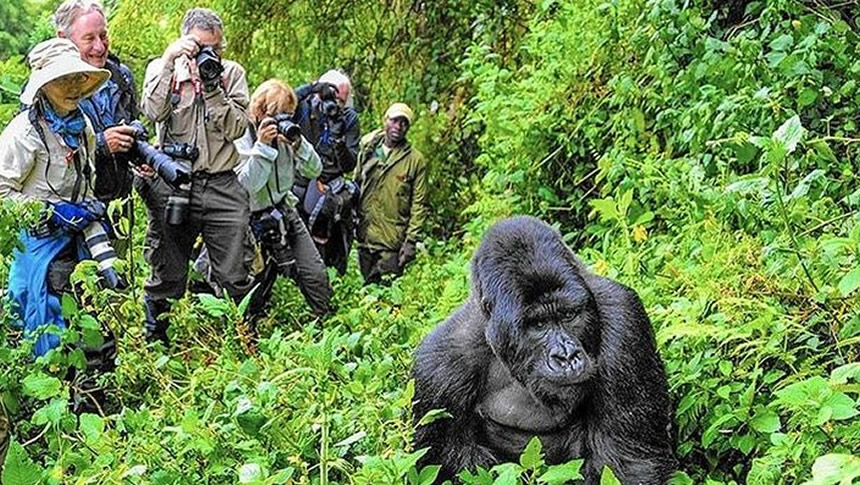
How to Plan a Safari for Adventure Seekers
Learn about how to plan a safari for adventure seekers in this comprehensive safari guide covering key insights and practical advice.
 Season & Timing Guides
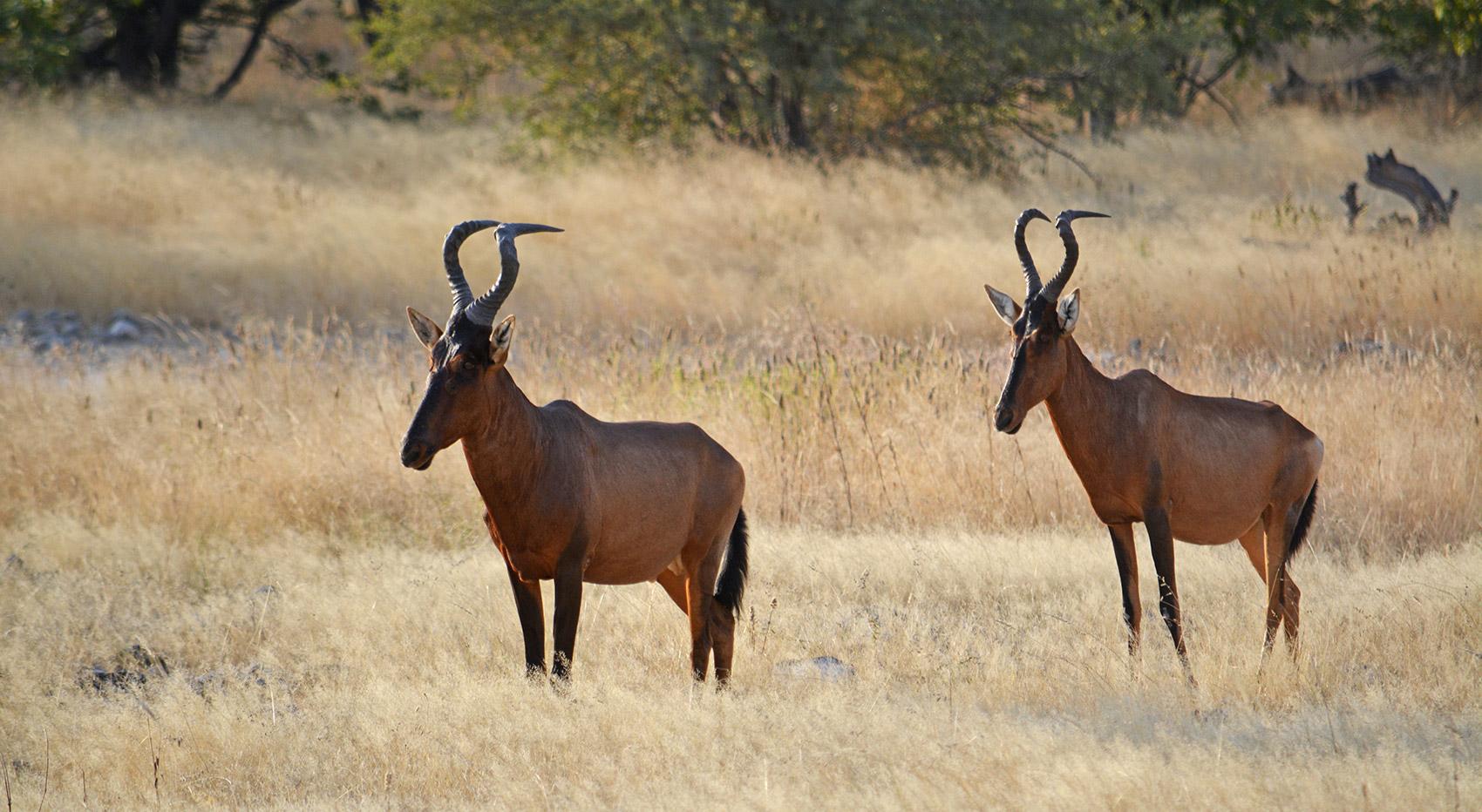
Best Time to See Baby Animals on Safari
Expert guide on best time to see baby animals on safari with month-by-month conditions, pricing, and planning recommendations for safari travelers.
 Season & Timing Guides
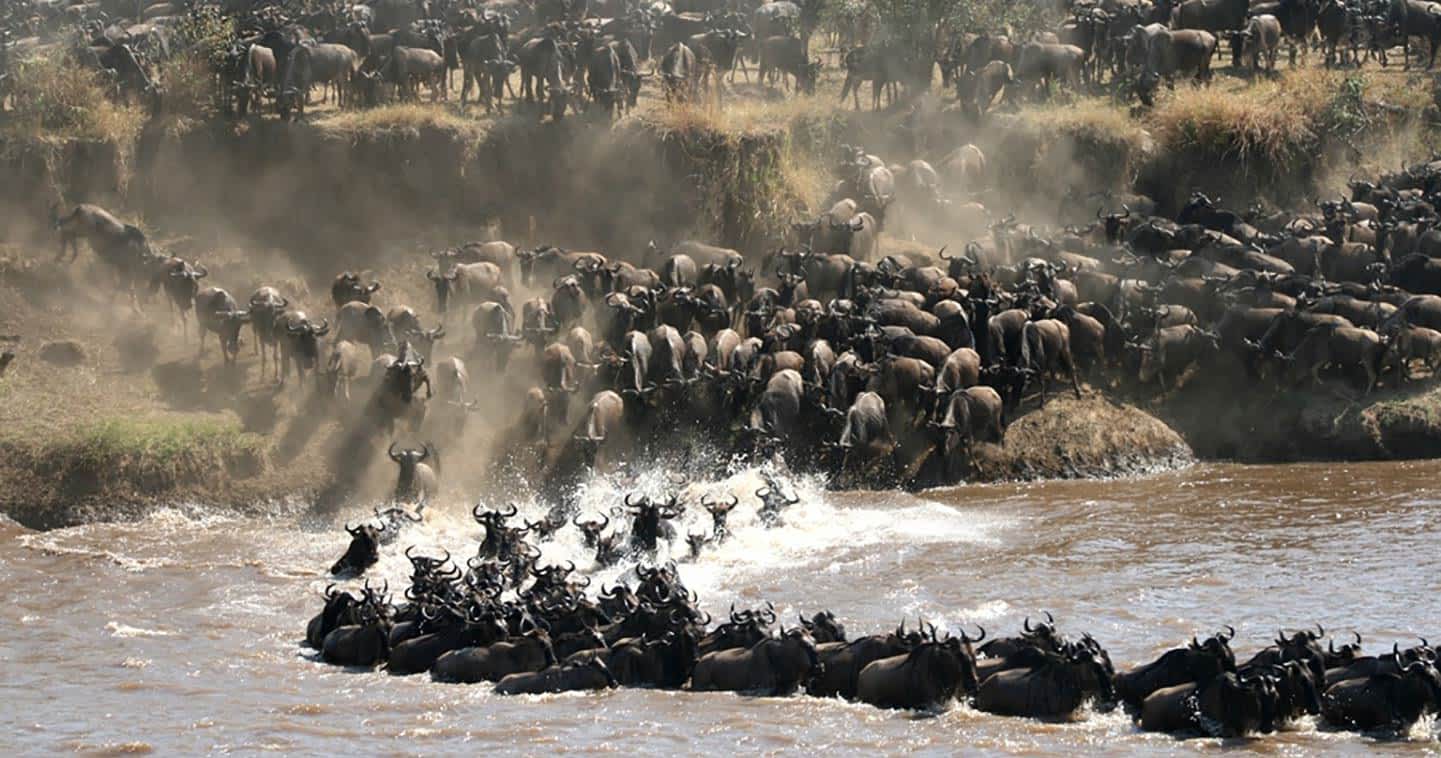
Best Time to See Predator Hunting on Safari
Expert guide on best time to see predator hunting on safari with month-by-month conditions, pricing, and planning recommendations for safari travelers.