
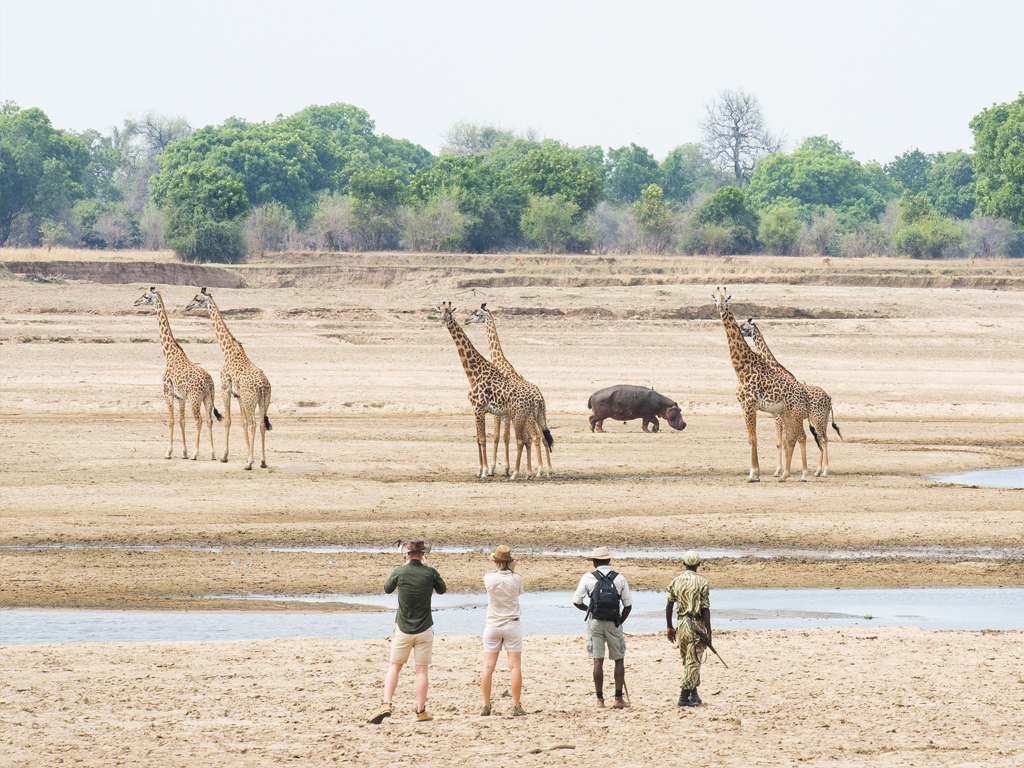
Planning a safari? Learn about cost of a night drive safari. Get expert advice and insights from Safari Intelligence to plan your perfect trip.
Discovering the Nocturnal World
A night drive is an exciting opportunity to see the creatures of the African bush that are active after dark. With the help of a powerful spotlight, your guide will search for nocturnal animals like leopards, genets, civets, and bushbabies. It is a completely different experience from a daytime game drive. Our knowledge center has more on night drives.
Cost and Availability
Night drives are not permitted in all national parks. They are most commonly offered in private game reserves and conservancies. The cost of a night drive is often included if you are staying at a lodge in one of these areas. If it is an optional extra, you can expect to pay around $50-$100 per person. Our safari operators can tell you where you can go on a night drive.
Still researching? Let us help.
Our advisory team has planned safaris across 9 African countries. We can turn your research into a real plan.
Talk to an AdvisorWhat to Expect
Night drives usually last for a couple of hours after sunset. You will be in a 4x4 vehicle with a guide and a spotter. The spotter will use a spotlight to scan the bush for any signs of movement. It is a thrilling and adventurous way to explore the wilderness. To find out which of our destinations offer night drives, visit our website.
What Animals Can You See on a Night Drive?
A night drive offers a unique opportunity to witness the bush come alive with nocturnal creatures that are rarely seen during the day. While sightings are never guaranteed, the darkness unveils a world of specialized predators and elusive animals.
One of the most sought-after sightings is the leopard. These powerful cats are primarily nocturnal hunters, and the cover of darkness provides them with the perfect camouflage to stalk their prey. You might find them silently moving through the grasslands or resting on a tree branch, their iconic rosette patterns illuminated by the spotlight.
Other predators that are more active at night include lions and hyenas. While lions can be seen during the day, they often become more active after sunset, and you might be lucky enough to witness a hunt or hear their powerful roars echoing through the night. Spotted hyenas are also predominantly nocturnal, and their whooping calls are a characteristic sound of the African night.
Beyond the big cats, night drives are excellent for spotting smaller, more unusual creatures. Keep an eye out for:
- Genets: Small, cat-like carnivores with spotted coats and long, ringed tails.
- Civets: Another cat-like animal, but larger than a genet, with a distinctive black and white coat.
- Porcupines: The largest rodent in Africa, covered in sharp quills.
- Aardvarks: Strange-looking animals with a pig-like snout, rabbit-like ears, and a kangaroo-like tail. They are expert diggers and feed on ants and termites.
- Bushbabies (Galagos): Small, nocturnal primates with large eyes that help them see in the dark. You'll often see their eyes reflecting in the spotlight as they leap between tree branches.
> Expert Insight: The key to a successful night drive is to use all your senses. Listen for the snap of a twig, the rustle of leaves, or the distant call of a predator. Your guide and spotter are experts at interpreting these sounds and will help you locate the animals.
Best Destinations for Night Drives
While night drives are a thrilling experience, they are not permitted in all national parks. They are most commonly offered in private conservancies and reserves, where the rules are more flexible. Here are some of the best destinations for a night drive safari:
- South Luangwa National Park, Zambia: Often called the "home of the walking safari," South Luangwa is also one of the best places for night drives in Africa. The park's regulations permit night drives, and it is an excellent place to spot leopards and other nocturnal animals.
- Private Conservancies in Kenya: The private conservancies bordering the Maasai Mara National Reserve, such as the Olare Motorogi and Mara North Conservancies, offer exclusive night drive experiences. These areas have a high density of predators, and the limited number of vehicles ensures a more intimate and less crowded experience.
- Sabi Sand Game Reserve, South Africa: Adjacent to the Kruger National Park, the Sabi Sand is a private reserve renowned for its exceptional leopard sightings. Night drives here are a highlight, offering a great chance to see these elusive cats on the hunt.
- Okavango Delta, Botswana: Many of the private concessions in the Okavango Delta offer night drives. The unique delta environment provides a different backdrop for a night safari, with the possibility of seeing nocturnal animals along the waterways.
Our safari operators can help you choose the right destination and accommodation for your night drive adventure. For more information, visit our knowledge center.
Done Reading? Let's Build Your Safari.
Skip the guesswork. Work with an advisor who has been on the ground across East and Southern Africa.
Plan With UsWhat to Wear and Bring on a Night Drive
The temperature can drop significantly after sunset, so it's essential to dress in warm layers. Here's a list of what to wear and bring:
- Warm clothing: A fleece jacket, a warm hat, and gloves are recommended, especially during the cooler months.
- Long-sleeved shirt and trousers: To protect against mosquitoes and other insects.
- Closed-toe shoes: For warmth and protection.
- Binoculars: To get a closer look at the animals.
- Camera: With a good lens for low-light photography.
- Insect repellent: To protect against mosquitoes.
> Traveler's Tip: A warm blanket and a hot beverage can make a big difference on a chilly night. Many lodges and camps provide these, but it's always a good idea to check beforehand.
Night Drive Photography Tips
Photographing animals at night can be challenging, but with the right equipment and techniques, you can capture some stunning images. Here are a few tips:
- Use a fast lens: A lens with a wide aperture (e.g., f/2.8 or lower) will allow more light to enter the camera, which is crucial for night photography.
- Increase your ISO: A higher ISO setting will make the camera's sensor more sensitive to light, but be aware that it can also increase the amount of noise in your photos.
- Use a beanbag: A beanbag can provide a stable platform for your camera on the vehicle's railing, helping to reduce camera shake.
- Don't use a flash: The flash can startle the animals and is often prohibited on night drives. The spotter's light will provide the necessary illumination.
For more detailed advice on safari photography, consult our knowledge center.
The Role of Your Guide and Spotter
The success of a night drive largely depends on the skills of your guide and spotter. The guide is responsible for driving the vehicle and positioning it for the best viewing and photographic opportunities. The spotter, on the other hand, is an expert at finding animals in the dark. They use a powerful spotlight to scan the bush for the reflection of eyes, the flick of an ear, or any other sign of movement.
> Expert Insight: Your guide and spotter have a deep understanding of the local wildlife and their behavior. They can interpret the sounds of the night and predict where certain animals are likely to be found. Don't hesitate to ask them questions and tap into their knowledge.
Private Conservancies vs. National Parks
As mentioned earlier, night drives are more common in private conservancies than in national parks. This is because national parks have stricter regulations and opening hours. In a private conservancy, you'll have more flexibility and exclusivity. The number of vehicles at a sighting is often limited, ensuring a more personal and less intrusive experience.
While you may have to pay a premium to stay in a private conservancy, the benefits often outweigh the cost. In addition to night drives, you can also enjoy other exclusive activities such as walking safaris and off-road driving. To understand the cost implications, you can use our safari cost calculator.
Safety on a Night Drive
Night drives are a safe and enjoyable experience when conducted by professional guides. The vehicles are open-sided, but you are perfectly safe as long as you remain seated and follow your guide's instructions. The animals are accustomed to the vehicles and see them as part of the landscape.
Here are a few safety rules to keep in mind:
- Stay in the vehicle at all times.
- Don't make any loud noises or sudden movements.
- Don't use a flash on your camera.
- Always listen to your guide's instructions.
By following these simple rules, you can ensure a safe and memorable night drive experience. To start planning your safari, plan your safari with us today.
Need Expert Safari Guidance?
Get expert advisory support from a firm founded by a former safari guide — with real operational knowledge across 9 African countries and full-journey accountability.
Related Planning Guides
Recommended Reading
 Safari Cost Guides
Cost of a Self-Drive Safari
Planning a safari? Learn about cost of a self-drive safari. Get expert advice and insights from Safari Intelligence to plan your perfect trip.
 Luxury Safari Content
Luxury Safari Night Drive Experiences
A comprehensive guide to Luxury Safari Night Drive Experiences. Learn everything you need to know for your safari adventure.
 Safari Planning Guides
How to Plan a Safari With Night Drives
Discover how to plan your dream safari with our expert guide on How to Plan a Safari With Night Drives. Get tips on destinations, costs, and more.
 Destination Guides
Best Safari Destinations for Night Drives
Discover everything you need to know about Best Safari Destinations for Night Drives. From wildlife and landscapes to lodges and activities, this guide covers i
 Season & Timing Guides
Best Time for Night Drives on Safari
Expert guide on best time for night drives on safari with month-by-month conditions, pricing, and planning recommendations for safari travelers.
 Safari Cost Guides
How Much Does a Tanzania Safari Cost in 2026
Planning a safari? Learn about how much does a tanzania safari cost in 2026. Get expert advice and insights from Safari Intelligence to plan your perfect trip.