
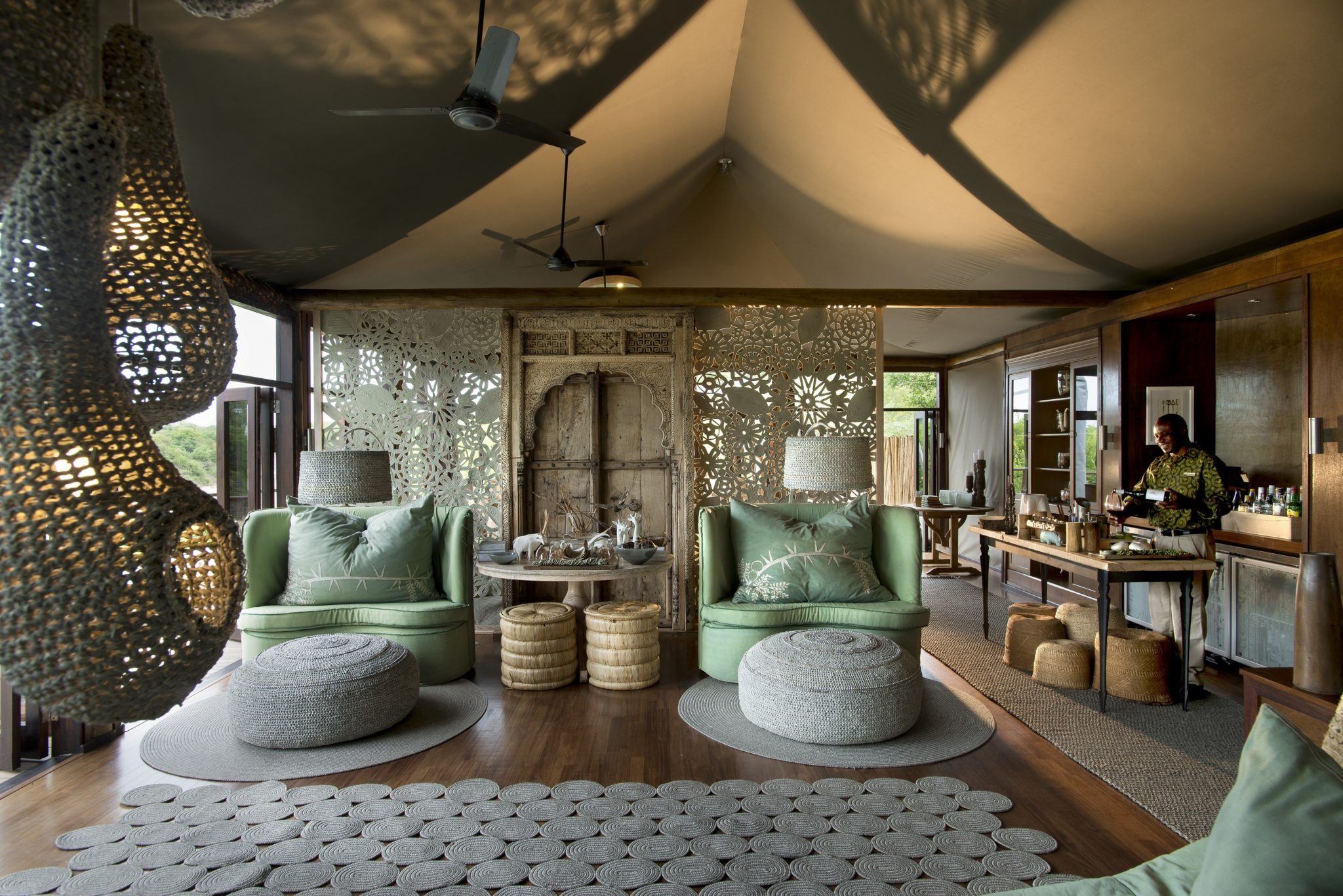
An in-depth comparison of First-Time Safari vs Repeat Safari to help you choose the perfect safari experience. Explore the pros, cons, and key differences to ma
First-Time Safari vs Repeat Safari
One of the most common questions we receive from safari travelers relates to first-time safari vs repeat safari. After helping hundreds of travelers plan their African adventures, we have compiled this detailed resource to address every aspect of this important topic.
Making the Most of Your Experience: First-Time Safari vs Repeat Safari
Finally, remember that a safari is more than just wildlife viewing. The cultural experiences, landscapes, and personal connections you make along the way are equally valuable. Approaching first-time safari vs repeat safari with this broader perspective will enrich your entire journey.
To truly optimize first-time safari vs repeat safari, approach your safari with an open mind and realistic expectations. Africa has a way of surprising even the most experienced travelers, and some of the best moments come from unexpected encounters and unplanned detours.
Still researching? Let us help.
Our advisory team has planned safaris across 9 African countries. We can turn your research into a real plan.
Talk to an AdvisorUnderstanding the Fundamentals: First-Time Safari vs Repeat Safari
The foundation of first-time safari vs repeat safari begins with understanding the basic principles. Safari environments across Africa present unique conditions that differ significantly from what most travelers are accustomed to. In East Africa, the vast savannas of Kenya and Tanzania create one set of considerations, while the dense forests of Uganda and Rwanda present entirely different challenges. Southern African destinations like Botswana and South Africa add yet another dimension.
Experienced safari operators emphasize that preparation is the single most important factor in first-time safari vs repeat safari. This means doing your research well in advance, consulting with knowledgeable advisors, and being willing to adapt your plans based on current conditions. The best safari experiences come from travelers who approach their journey with both enthusiasm and informed flexibility.
Common Mistakes to Avoid
Another common error is relying solely on online reviews without consulting experienced professionals. While traveler reviews provide valuable perspectives, they often lack the context and expertise that a qualified safari planning guide can offer. The best approach combines both sources of information.
One of the most frequent mistakes travelers make with first-time safari vs repeat safari is waiting too long to start planning. Popular safari destinations and lodges book up months in advance, especially during peak season. Last-minute planning often results in limited options and higher costs.
Underestimating the importance of first-time safari vs repeat safari is perhaps the biggest mistake of all. Travelers who give this aspect of their safari proper attention consistently report more satisfying experiences than those who treat it as an afterthought.
Safety and Health Considerations
Travel insurance that specifically covers safari activities is strongly recommended. Standard travel insurance policies may not cover all the activities and situations you might encounter on an African safari. Ensure your policy covers medical evacuation, trip cancellation, and activity-specific risks.
Health preparation is an essential component of first-time safari vs repeat safari. Consult with a travel medicine specialist at least six weeks before your departure to discuss vaccinations, malaria prophylaxis, and other health precautions specific to your destinations.
Done Reading? Let's Build Your Safari.
Skip the guesswork. Work with an advisor who has been on the ground across East and Southern Africa.
Plan With UsDestination Strategy: First-Timer vs. Repeat Visitor
For the first-time safari enthusiast, the primary goal is often to witness the iconic African wildlife seen in documentaries. Destinations that offer high wildlife density and a strong likelihood of seeing the “Big Five” (lion, leopard, elephant, rhino, and buffalo) are ideal. Tanzania’s Northern Circuit, which includes the Serengeti National Park and the Ngorongoro Crater, is a classic choice. The sheer concentration of animals in the Crater provides an almost guaranteed spectacle. Similarly, Kenya's Maasai Mara National Reserve is world-renowned for its large lion prides and its role in the Great Migration. These destinations provide a foundational experience that is both thrilling and educational.
In contrast, the repeat safari traveler is often seeking a more specialized and immersive experience beyond the checklist. Having already seen the classics, they may be interested in unique wildlife behaviors, remote landscapes, or alternative safari activities. Destinations like Zambia’s South Luangwa National Park, the birthplace of the walking safari, offer an intimate connection with the bush. A repeat visitor might explore the waterways of Botswana’s Okavango Delta by mokoro (traditional canoe) or track desert-adapted elephants in Namibia’s rugged Damaraland. These trips prioritize depth over breadth, allowing for a more patient and nuanced appreciation of the ecosystem.
Pacing and Focus: A Tale of Two Safaris
A first-time safari is often characterized by a faster pace, covering multiple parks to maximize sightings. The itinerary might involve a new lodge every two nights, with daily game drives focused on finding as many different species as possible. The excitement is in the novelty of each encounter.
Repeat travelers, however, tend to prefer a slower pace. They might spend five or more nights in a single camp, allowing them to develop a deeper understanding of the area and its resident wildlife. Their focus may shift from seeing everything to observing specific behaviors—perhaps spending an entire morning watching a pack of wild dogs or waiting for a leopard to descend from a tree. This patient approach often yields more profound and memorable wildlife encounters, as it is less about what you see and more about how you see it.
Related Resources
For more information on planning your safari, explore our destination guides, browse the safari operator directory, or connect with an experienced safari planning guide for personalized guidance.
Detailed Comparison: First-Time vs. Repeat Safari
A key part of planning is understanding how your travel style might evolve from your first safari to subsequent ones. While every safari is unique, there are common patterns in how first-time and repeat travelers approach their journeys. This table provides a clear overview of the fundamental differences, helping you align your expectations and planning accordingly.
| Feature | First-Time Safari | Repeat Safari | | :--- | :--- | :--- | | Primary Goal | See the "Big Five" and iconic wildlife | Deeper immersion, specialized sightings, and behavioral observation | | Pacing | Faster; often covering multiple parks in one trip | Slower; typically focusing on a single park or ecosystem for an extended period | | Ideal Destinations | Serengeti, Maasai Mara, Ngorongoro Crater, Bwindi Impenetrable Forest | South Luangwa, Mana Pools, Okavango Delta, Ruaha National Park, Katavi | | Core Activities | Classic game drives, Big Five spotting, Great Migration viewing | Walking safaris, canoeing, night drives, habituation experiences, photography focus | | Accommodation Style | Well-known lodges with more amenities, focusing on comfort and accessibility | Remote tented camps, owner-operated lodges, prioritizing authenticity and exclusivity | | Budget Allocation | Maximizing value to see as much as possible within a defined budget | Investing in unique, high-value experiences and expert-led guiding | | Guide's Role | Educator, spotter, and primary source of information | Collaborative partner, specialist, and facilitator of in-depth experiences |
Budget and Accommodation Styles
For a first-time safari, accommodation choices often lean towards larger, well-established lodges that offer a high level of comfort and a wide range of amenities. A great example is the Serena Lodges or Sopa Lodges chain in Tanzania and Kenya, which are strategically located in prime wildlife areas like the Serengeti and Ngorongoro Crater. These lodges typically offer rooms starting from $400-$600 per person per night and provide a reliable and comfortable base for exploration. The focus is on accessibility and ensuring a smooth, worry-free experience, which is paramount for a first journey into the bush.
Repeat safari travelers, having already experienced the classic lodge setting, often seek more intimate and authentic accommodation. They might opt for a small, eco-conscious tented camp like Nomad Lamai in the northern Serengeti (from $900 per person per night) or a rustic bush camp in Zambia's South Luangwa National Park, such as those operated by The Bushcamp Company (from $750 per person per night). These camps prioritize exclusivity, expert guiding, and a close-to-nature feel over extensive facilities. The budget may be similar or even higher than a first-timer's, but the investment shifts from broad-stroke luxury to specialized, experience-driven stays that offer a deeper connection to the wilderness.
The Role of Your Guide and Operator
On a first safari, your guide is your primary educator. Their role is to introduce you to the ecosystem, help you spot and identify wildlife, and share foundational knowledge about animal behavior and conservation. They are the architects of your initial "wow" moments. You'll rely on them for everything, from navigating the park to understanding the local culture. For this reason, choosing a reputable operator from our safari operator directory is crucial.
For the repeat visitor, the relationship with the guide often evolves into a partnership. You may arrive with specific interests, such as birding, photography, or tracking a particular species. An experienced repeat traveler will often seek out operators known for their highly specialized guides, such as those at Alex Walker's Serian in the Maasai Mara or Wilderness Safaris in Botswana. The conversation shifts from "What is that?" to "Why is it doing that?" You might spend hours with your guide discussing the intricate social dynamics of a baboon troop or the challenges of collaring a lion for research. To find a guide who matches your specific interests, it is best to work with our safari operators.
Need Expert Safari Guidance?
Get expert advisory support from a firm founded by a former safari guide — with real operational knowledge across 9 African countries and full-journey accountability.
Related Planning Guides
Recommended Reading
 Safari Planning
How to Plan Your First African Safari
Learn how to plan your first African safari with expert tips on destinations, timing, costs, and choosing the right operator.
 Safari Planning
What to Expect on Your First Safari
Prepare for your first African safari with our expert guide. Learn what to expect from game drives, accommodations, wildlife viewing, and daily safari life.
 Safari Planning
Best Countries for First-Time Safari Travelers
Discover the best countries for a first-time safari. Our expert guide compares Tanzania, Kenya, South Africa, and more to help you plan your dream African adventure.
 Safari Safety
Safari Safety Tips for First-Time Visitors
Planning your first African safari? Our expert guide provides essential safari safety tips for a worry-free adventure, from wildlife encounters to health advice.
 Safari Planning Guides
How to Plan a Safari for the First Time Without an Agent
Discover how to plan your dream safari with our expert guide on How to Plan a Safari for the First Time Without an Agent. Get tips on destinations, costs, and more.
 Safari Planning Guides
Safari Planning Guide for First-Time Travelers
Discover how to plan your dream safari with our expert guide on Safari Planning Guide for First-Time Travelers. Get tips on destinations, costs, and more.