

Learn about how to plan a safari for mountain climbing and wildlife in this comprehensive safari guide covering key insights and practical advice.
Overview
Planning a safari involves many moving parts, and how to plan a safari for mountain climbing and wildlife is one of the most important considerations. Whether you're a first-time visitor or a seasoned Africa traveler, this guide provides the practical knowledge you need to make informed decisions and create an unforgettable experience.
What You Need to Know
When exploring how to plan a safari for mountain climbing and wildlife in depth, several factors deserve attention. The geographic diversity of Africa means that conditions, availability, and experiences vary significantly from one region to another. East Africa's open savannas offer a different context than Southern Africa's bushveld or Central Africa's rainforests. Our destination guides provide region-specific information to help you navigate these differences.
Still researching? Let us help.
Our advisory team has planned safaris across 9 African countries. We can turn your research into a real plan.
Talk to an AdvisorPractical Considerations
Implementing your understanding of how to plan a safari for mountain climbing and wildlife means taking concrete steps during the planning process. Research thoroughly using reliable sources, compare multiple options, and don't rush your decisions. The best safari experiences are built on careful preparation and realistic expectations. Our team of safari operators can review your plans and offer suggestions based on decades of combined experience in African travel.
Expert Perspective
Experienced safari guides and travel professionals consistently highlight the importance of how to plan a safari for mountain climbing and wildlife when advising clients. The consensus among industry experts is that informed travelers have better experiences, make more sustainable choices, and return home with deeper appreciation for Africa's wildlife and cultures. Our safari operators embody this philosophy, providing personalized guidance that goes beyond generic travel advice.
Next Steps
Whether you're in the early stages of dreaming about an African safari or actively finalizing your plans, understanding how to plan a safari for mountain climbing and wildlife contributes to a more rewarding experience. Use the resources available on Safari Intelligence, including our cost calculator, operator directory, and destination library, to build confidence in your planning decisions.
Done Reading? Let's Build Your Safari.
Skip the guesswork. Work with an advisor who has been on the ground across East and Southern Africa.
Plan With UsPrime Destinations for Climbing and Wildlife
For travelers looking to combine high-altitude trekking with world-class wildlife viewing, two destinations stand out: Tanzania and Kenya. In Tanzania, the iconic Mount Kilimanjaro offers a challenging, non-technical climb that can be paired with a classic safari in the Northern Circuit. After a 7-9 day climb, you can descend and immediately embark on a 4-5 day safari through the Serengeti National Park and Ngorongoro Crater, where you'll witness the Great Migration and abundant predators.
Similarly, Kenya presents the opportunity to climb Mount Kenya, Africa's second-highest peak. A technical climb on the main peaks or a rewarding trek to Point Lenana can be followed by a safari in the Laikipia Plateau or Samburu National Reserve. These regions are famous for their unique wildlife, including the "Samburu Special Five": the Grevy's zebra, reticulated giraffe, Somali ostrich, beisa oryx, and gerenuk.
Case Study: A Tanzania Itinerary
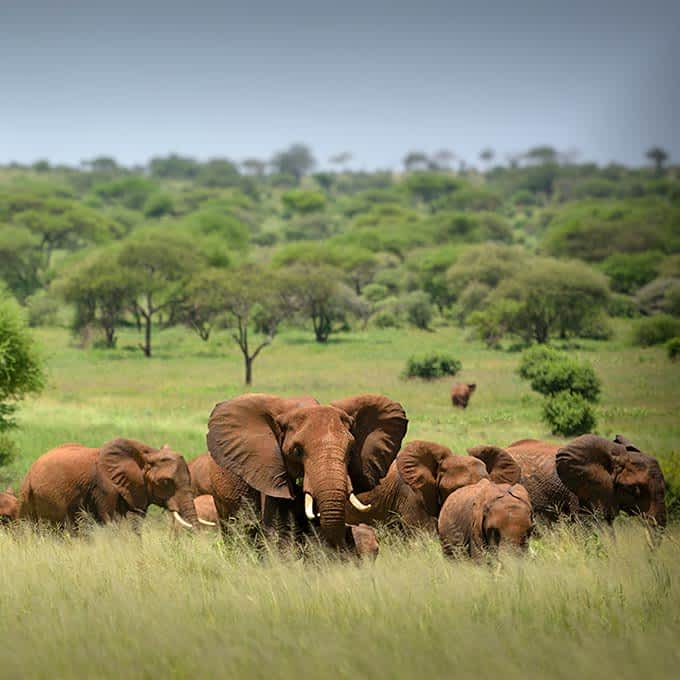
Consider a 14-day adventure in Tanzania. Days 1-8 are dedicated to climbing Mount Kilimanjaro via the Lemosho route, known for its scenic beauty and high success rates. After summiting and descending, you'll rest for a night in Arusha. On Day 10, your private safari guide will drive you to Tarangire National Park, famous for its large elephant herds and baobab trees. Day 11 is spent exploring the Ngorongoro Crater, a UNESCO World Heritage site with dense populations of lions, rhinos, and hippos. Days 12 and 13 are reserved for the vast plains of the Serengeti, tracking the Great Migration's wildebeest herds and searching for cheetahs. On Day 14, you fly from a Serengeti airstrip back to Kilimanjaro International Airport (JRO) for your departure. This itinerary seamlessly blends a significant physical challenge with an unparalleled wildlife spectacle.
Comparing Top Climb-and-Safari Destinations
While Tanzania and Kenya are the most popular choices, Uganda offers a compelling and less-traveled alternative with the Rwenzori Mountains. Each destination presents a unique combination of trekking challenges, wildlife encounters, and logistical considerations. Understanding these differences is key to choosing the right itinerary for your goals.
| Feature | Tanzania (Kilimanjaro) | Kenya (Mount Kenya) | Uganda (Rwenzori Mountains) | | :--- | :--- | :--- | :--- | | Primary Climb | Mount Kilimanjaro (5,895m) | Mount Kenya (5,199m) | Mount Stanley (5,109m) | | Climbing Style | Non-technical, high-altitude trek | Technical rock/ice climb (Batian/Nelion) or strenuous trek (Point Lenana) | Technical, multi-day trek with glacier travel; often wet and muddy | | Best Climbing Season | Jan-Mar, Jun-Oct | Jan-Feb, Aug-Sep | Jan-Feb, Jun-Aug | | Key Wildlife Parks | Serengeti, Ngorongoro Crater, Tarangire | Maasai Mara, Samburu, Laikipia | Bwindi Impenetrable Forest, Queen Elizabeth NP | | Signature Wildlife | Great Migration, Big Five | Samburu Special Five, Big Five | Mountain Gorillas, Chimpanzees, Tree-Climbing Lions | | Approx. Trip Duration | 12-16 Days | 10-14 Days | 14-18 Days | | Estimated Cost (Mid-Range) | $6,000 - $9,000 USD pp | $5,000 - $7,500 USD pp | $7,000 - $10,000 USD pp (incl. gorilla permits) |
Case Study: A Kenya Itinerary
A 12-day trip to Kenya offers a fantastic blend of technical climbing and unique wildlife. Your journey begins with an arrival in Nairobi (NBO), followed by a transfer to a lodge near Mount Kenya National Park. Days 2-6 are dedicated to the mountain. Unlike Kilimanjaro, summiting Mount Kenya's true peak (Batian) requires technical rock climbing skills. Most trekkers aim for the third-highest peak, Point Lenana (4,985m), a challenging but non-technical ascent. The Sirimon-Chogoria route is highly recommended for its stunning scenery and acclimatization profile.
After descending on Day 6, you'll transfer to the Ol Pejeta Conservancy in Laikipia. This sanctuary is famous for being the largest black rhino sanctuary in East Africa and home to the last two northern white rhinos on Earth. You'll spend two days here on game drives and visiting the rhino and chimpanzee sanctuaries. On Day 9, you drive north to Samburu National Reserve. You'll spend three days exploring this arid landscape and searching for the Samburu Special Five. On Day 12, you take a bush flight from Samburu back to Nairobi for your international flight home. For help customizing such a trip, our safari operators can connect you with trusted ground handlers in our operator directory.
Essential Logistics: Fitness, Gear, and Budgeting
Successfully combining a mountain climb with a safari requires careful preparation. Do not underestimate the physical demands of high-altitude trekking.
Physical Preparation: Your training should begin at least 3-4 months prior to your trip. Focus on cardiovascular endurance (running, cycling, swimming) and strength training, particularly for your legs and core (squats, lunges, and weighted pack hiking). The best preparation is hiking on varied, steep terrain for several hours at a time. The goal is to be comfortable with 6-8 hours of sustained walking per day.
Gear Considerations: Packing for this dual-purpose trip is a game of layers. For the mountain, you will need thermal base layers, fleece mid-layers, and a waterproof/windproof outer shell (jacket and pants). Insulated gloves, a warm hat, and broken-in, waterproof hiking boots are non-negotiable. Most reputable climbing outfitters will provide technical gear like crampons or harnesses if needed, but you must bring your personal clothing. For the safari portion, you can leave your heavy mountain gear with the operator and switch to lightweight, neutral-colored clothing (khakis, greens, browns), a wide-brimmed hat, and comfortable shoes for the vehicle. A good pair of binoculars (8x42 or 10x42) is essential for wildlife viewing.
Need Expert Safari Guidance?
Get expert advisory support from a firm founded by a former safari guide — with real operational knowledge across 9 African countries and full-journey accountability.
Related Planning Guides
Recommended Reading
 Safari Planning Guides
How to Plan a Safari for Wildlife Research
Discover how to plan your dream safari with our expert guide on How to Plan a Safari for Wildlife Research. Get tips on destinations, costs, and more.
 Safari Planning Guides
How to Plan a Safari for Wildlife Photography Beginners
Learn about how to plan a safari for wildlife photography beginners in this comprehensive safari guide covering key insights and practical advice.
 Safari Planning Guides
How to Plan a Safari for Experienced Wildlife Photographers
Learn about how to plan a safari for experienced wildlife photographers in this comprehensive safari guide covering key insights and practical advice.
 Destination Guides
Best Safari Destinations for Mountain Wildlife
Your complete guide to Best Safari Destinations for Mountain Wildlife. Find the best destinations, planning tips, and more for your next safari adventure.
 Safari Comparison Articles
Birding Safari vs Wildlife Safari
An in-depth comparison of Birding Safari vs Wildlife Safari to help you choose the perfect safari experience. Explore the pros, cons, and key differences to mak
 Safari Comparison Articles
Cultural Safari vs Wildlife Safari
An in-depth comparison of Cultural Safari vs Wildlife Safari to help you choose the perfect safari experience. Explore the pros, cons, and key differences to ma