
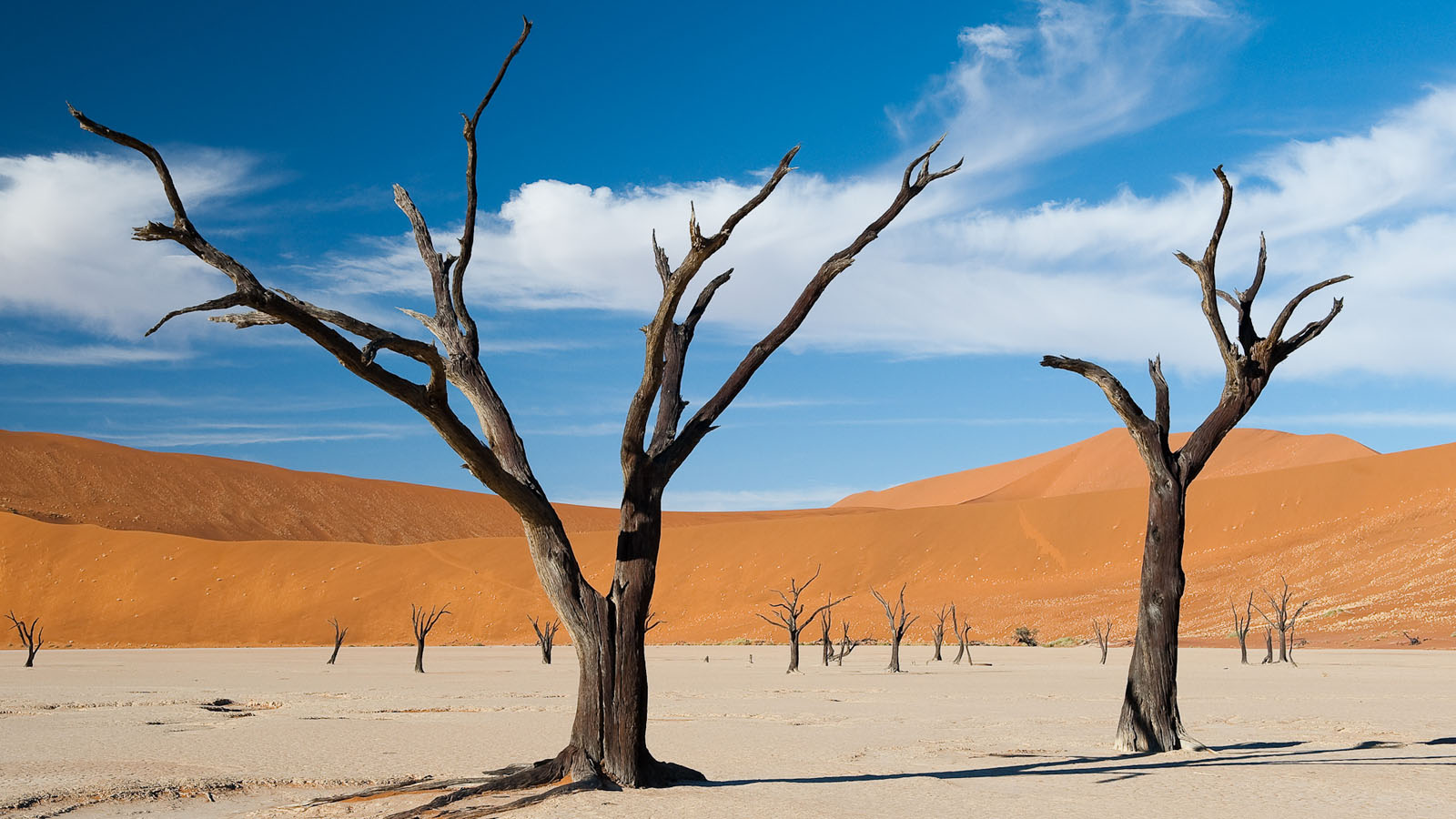
Your complete guide to Best Safari Destinations for Mountain Wildlife. Find the best destinations, planning tips, and more for your next safari adventure.
Best Safari Destinations for Mountain Wildlife
When it comes to best safari destinations for mountain wildlife, there is no shortage of opinions. This evidence-based guide cuts through the noise to give you actionable, trustworthy information for your safari planning.
Expert Recommendations: Best Safari Destinations for Mountain Wildlife
Budget considerations play an important role in best safari destinations for mountain wildlife. While it is tempting to cut corners, experienced travelers consistently report that investing in quality where it matters most leads to significantly better outcomes. The key is knowing where to allocate your budget for maximum impact.
Safari advisors consistently recommend starting your planning process at least six to twelve months before your intended travel dates. This lead time allows you to secure preferred accommodations, take advantage of early booking rates, and properly prepare for all aspects of best safari destinations for mountain wildlife.
Still researching? Let us help.
Our advisory team has planned safaris across 9 African countries. We can turn your research into a real plan.
Talk to an AdvisorPractical Planning Steps: Best Safari Destinations for Mountain Wildlife
Step three is creating a detailed plan that accounts for all aspects of best safari destinations for mountain wildlife. This should include timelines, budgets, backup options, and contingency plans. The most successful safari travelers are those who plan thoroughly while remaining flexible enough to adapt to changing conditions.
Step two involves researching your options thoroughly. Compare different destinations, operators, and approaches to best safari destinations for mountain wildlife. Read reviews from verified travelers, consult with safari operators, and cross-reference information from multiple sources.
Step one in addressing best safari destinations for mountain wildlife is to clearly define your priorities and expectations. Are you focused on specific wildlife sightings, cultural experiences, photography opportunities, or a combination? Your answer will shape every subsequent decision.
Making the Most of Your Experience
Finally, remember that a safari is more than just wildlife viewing. The cultural experiences, landscapes, and personal connections you make along the way are equally valuable. Approaching best safari destinations for mountain wildlife with this broader perspective will enrich your entire journey.
Photography enthusiasts should pay special attention to best safari destinations for mountain wildlife as it relates to their equipment and technique. The lighting conditions, distances, and movement patterns of African wildlife create unique challenges and opportunities that benefit from advance preparation.
To truly optimize best safari destinations for mountain wildlife, approach your safari with an open mind and realistic expectations. Africa has a way of surprising even the most experienced travelers, and some of the best moments come from unexpected encounters and unplanned detours.
Regional Considerations Across Africa
Central and West African destinations, including Uganda, Rwanda, and the Congo, offer specialized experiences like gorilla trekking that bring their own set of requirements. These destinations often involve more challenging terrain and different logistical considerations compared to the classic savanna safari.
Southern Africa presents a different landscape for best safari destinations for mountain wildlife. Countries like Botswana, South Africa, Namibia, and Zimbabwe each have established infrastructure and practices that reflect their unique environments. The Okavango Delta, for instance, requires water-based considerations that land-based safaris in Kruger National Park do not.
Done Reading? Let's Build Your Safari.
Skip the guesswork. Work with an advisor who has been on the ground across East and Southern Africa.
Plan With UsCommon Mistakes to Avoid
Underestimating the importance of best safari destinations for mountain wildlife is perhaps the biggest mistake of all. Travelers who give this aspect of their safari proper attention consistently report more satisfying experiences than those who treat it as an afterthought.
Another common error is relying solely on online reviews without consulting experienced professionals. While traveler reviews provide valuable perspectives, they often lack the context and expertise that a qualified safari planning guide can offer. The best approach combines both sources of information.
Ethiopia: A Mountain Wildlife Exception
While classic safaris conjure images of East African savannas, Ethiopia’s highlands offer a truly unique mountain wildlife experience. The Simien Mountains National Park and Bale Mountains National Park are prime examples, showcasing endemic species found nowhere else on Earth. These destinations are less about the "Big Five" and more about rare and specialized high-altitude fauna.
In the Simien Mountains, a UNESCO World Heritage site, visitors can witness dramatic escarpments and peaks that are home to the Walia ibex, a wild goat that expertly navigates the sheer cliffs. Another iconic resident is the Gelada baboon, often called the "bleeding-heart monkey" for its distinctive red chest patch. These primates are unique for being the world's only grass-eating monkeys, and they can be observed in large, social troops.
Case Study: The Elusive Ethiopian Wolf
For a truly specialized wildlife encounter, the Bale Mountains National Park is the world's most important stronghold for the Ethiopian wolf. As Africa's most endangered carnivore and the world's rarest canid, seeing an Ethiopian wolf is a significant achievement for any wildlife enthusiast. These elegant, long-legged wolves have adapted to hunt rodents in the high-altitude Afro-alpine moorlands.
A typical expedition to see the Ethiopian wolf involves trekking or driving across the Sanetti Plateau, an expansive high-altitude plateau within the park. Sightings are most common in the early morning or late afternoon as the wolves hunt for giant mole-rats. A successful trip requires patience and a knowledgeable guide, but the reward is an encounter with a species on the brink of extinction, set against a backdrop of otherworldly giant lobelia plants. This experience exemplifies a different kind of safari—one focused on conservation, rarity, and the unique biodiversity of Africa's mountainous regions.
Related Resources
For more information on planning your safari, explore our destination guides, browse the safari operator directory, or connect with an experienced safari planning guide for personalized guidance.
Planning Your Mountain Wildlife Safari
Trekking for mountain wildlife requires more specialized planning than a traditional savanna safari. Physical fitness is a key consideration, as many of these experiences involve hiking at high altitudes. For gorilla and chimpanzee trekking, you should be prepared for several hours of hiking through dense forest, often on steep and muddy terrain.
Best Time to Visit: The dry seasons are generally the best time for mountain wildlife safaris. In Uganda and Rwanda, this means from June to September and December to February. In Ethiopia, the dry season runs from October to June. Traveling during these times means clearer skies, less rain, and drier trails, making for a more comfortable trekking experience.
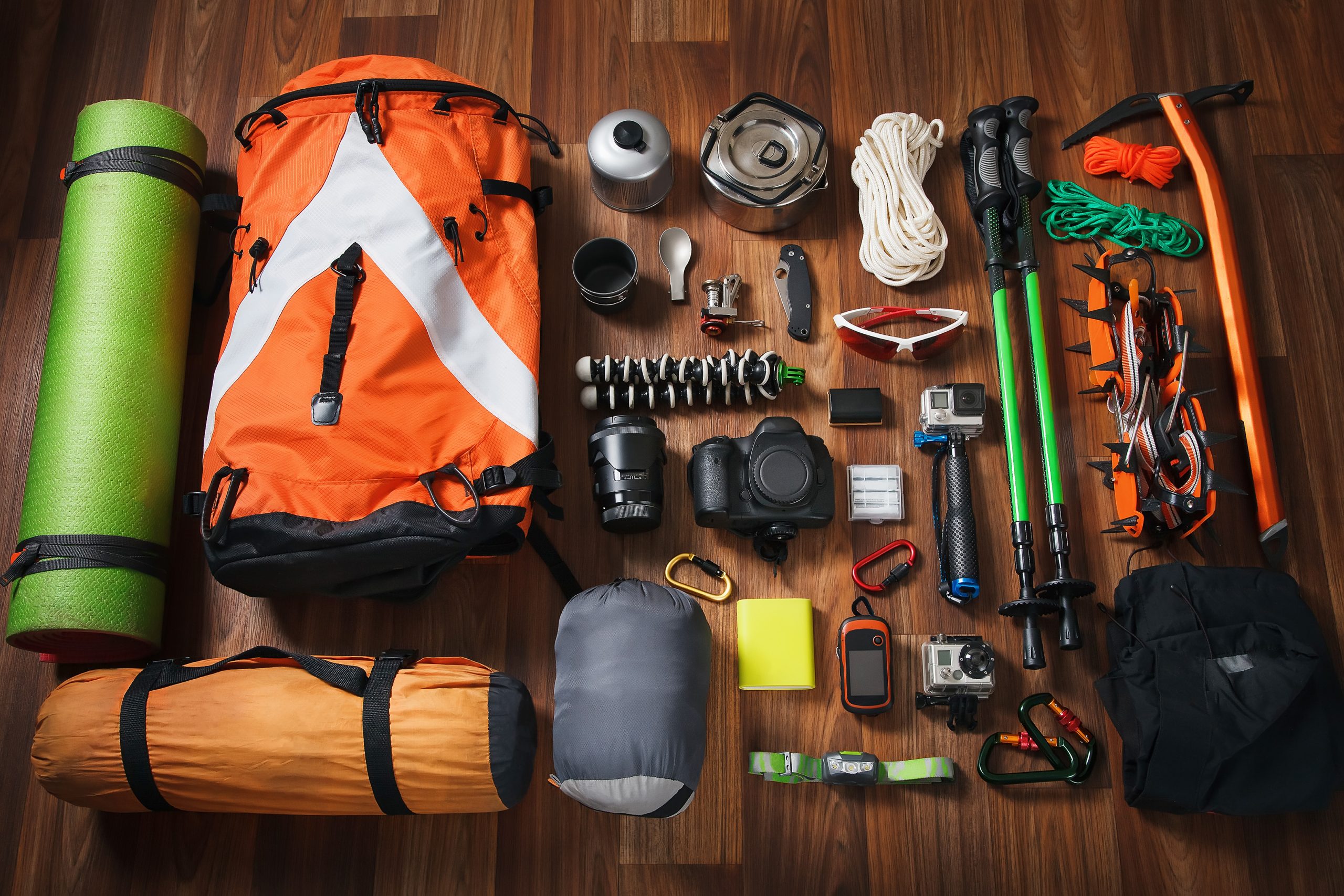
What to Pack:
- Sturdy, waterproof hiking boots: Essential for navigating uneven and potentially wet terrain.
- Layered clothing: Temperatures can vary significantly with altitude. Pack lightweight, moisture-wicking layers and a waterproof jacket.
- Gardening gloves: To protect your hands from thorny branches and stinging nettles during treks.
- Daypack: To carry water, snacks, a camera, and other essentials.
> Traveler's Tip: Booking your permits well in advance is crucial, especially for gorilla trekking. Permits are limited and can sell out months, or even a year, in advance. Our safari operators can assist with securing these permits as part of your safari planning.
Conservation and Community Impact
Mountain wildlife tourism plays a vital role in the conservation of these unique ecosystems. The revenue generated from trekking permits and park fees directly funds conservation efforts, including anti-poaching patrols and habitat protection. Furthermore, a portion of this revenue often goes to local communities, creating a direct economic incentive for them to support conservation.
When you book a safari with a reputable operator, you are contributing to a sustainable tourism model that helps protect endangered species like the mountain gorilla and the Ethiopian wolf. To learn more about responsible travel, visit our knowledge center.
Comparing Mountain Habitats: Virungas vs. Bale Mountains
While both the Virunga Mountains and the Bale Mountains offer incredible mountain wildlife experiences, they are vastly different. The Virungas, spanning Rwanda, Uganda, and the Democratic Republic of Congo, are characterized by lush, tropical cloud forests and are home to the iconic mountain gorilla.
In contrast, the Bale Mountains of Ethiopia feature a more afro-alpine environment, with high-altitude plateaus, heathlands, and grasslands. This unique landscape is the last remaining stronghold of the Ethiopian wolf. A safari here is less about a single iconic species and more about exploring a truly unique and biodiverse ecosystem.
For a detailed cost breakdown of different safari types, use our cost calculator. Or, if you're ready to start planning, you can plan your safari with one of our experts.
Need Expert Safari Guidance?
Get expert advisory support from a firm founded by a former safari guide — with real operational knowledge across 9 African countries and full-journey accountability.
Related Planning Guides
Recommended Reading
 Destination Guides
Best Safari Destinations for Desert Wildlife
Your complete guide to Best Safari Destinations for Desert Wildlife. Find the best destinations, planning tips, and more for your next safari adventure.
 Destination Guides
Best Safari Destinations for Rainforest Wildlife
Your complete guide to Best Safari Destinations for Rainforest Wildlife. Find the best destinations, planning tips, and more for your next safari adventure.
 Destination Guides
Best Safari Destinations for Wetland Wildlife
Your complete guide to Best Safari Destinations for Wetland Wildlife. Find the best destinations, planning tips, and more for your next safari adventure.
 Safari Planning Guides
How to Plan a Safari for Mountain Climbing and Wildlife
Learn about how to plan a safari for mountain climbing and wildlife in this comprehensive safari guide covering key insights and practical advice.
 Packing & Preparation
Safari Altitude Preparation for Mountain Destinations
Learn all about Safari Altitude Preparation for Mountain Destinations in this comprehensive guide.
 Travel Logistics
Safari Altitude Sickness at Mountain Destinations
Learn about safari altitude sickness at mountain destinations in this comprehensive safari guide.