
This is a dummy meta description for How La Nina Affects Safari Weather.
About How La Nina Affects Safari Weather
This in-depth guide explores how la nina affects safari weather, providing essential information for anyone planning an African safari. Understanding this topic thoroughly will help you make informed decisions and have a more rewarding safari experience. Africa's safari industry continues to evolve, and staying informed about the latest developments ensures you get the best possible experience.
Why This Matters for Your Safari
How La Nina Affects Safari Weather is an important consideration for safari travelers. Whether you're a first-time visitor or a returning enthusiast, understanding the nuances of this topic can significantly impact your trip. From choosing the right destinations to selecting appropriate operators, every decision builds on foundational knowledge. Our safari operators can provide personalized guidance based on your specific needs.
Still researching? Let us help.
Our advisory team has planned safaris across 9 African countries. We can turn your research into a real plan.
Talk to an AdvisorKey Insights and Recommendations
Based on extensive industry experience and traveler feedback, several key insights emerge. First, research is your best investment, as the more you know before booking, the better your experience will be. Second, flexibility in timing and destinations often leads to better value and fewer crowds. Third, working with experienced professionals, whether guides, operators, or advisors, consistently produces superior outcomes. Explore our knowledge center for more detailed articles on related topics.
Practical Applications
Putting this knowledge into practice starts with your planning process. Begin by identifying your priorities, whether that's specific wildlife encounters, landscape preferences, or cultural experiences. Then use resources like our destination guides, cost calculator, and operator directory to build an itinerary that aligns with your goals. Don't rush the planning process, as a well-planned safari is almost always more rewarding than a hastily arranged one.
Further Reading
To deepen your understanding, explore related articles in our knowledge center. Each guide is written by safari industry professionals with firsthand experience across Africa's top destinations. For personalized advice, our safari planning guidey team is available to answer your questions and help refine your plans.
Done Reading? Let's Build Your Safari.
Skip the guesswork. Work with an advisor who has been on the ground across East and Southern Africa.
Plan With UsRegional Deep Dive: La Niña's Footprint Across Africa
While La Niña brings a broad pattern of cooler, wetter weather, its specific effects vary significantly across the continent's top safari regions. Understanding these nuances is key to planning a successful safari during a La Niña phase. Our safari operators constantly monitor these weather patterns to help travelers make informed decisions.
East Africa: Kenya & Tanzania
In East Africa, La Niña typically amplifies the two rainy seasons: the “long rains” (March to May) and the “short rains” (November to December). This can lead to significantly higher rainfall, transforming the iconic savannas of the Serengeti and Masai Mara into lush, green landscapes.
Animal Behavior & Game Viewing: The increased water and abundant vegetation mean that wildlife is more dispersed. Animals don’t need to congregate around a few waterholes, so you may have to search more diligently for them. However, the upside is a landscape teeming with life. Herbivores are well-fed and healthy, leading to a baby boom for many species. This, in turn, attracts predators, offering dramatic scenes for those patient enough to find them.
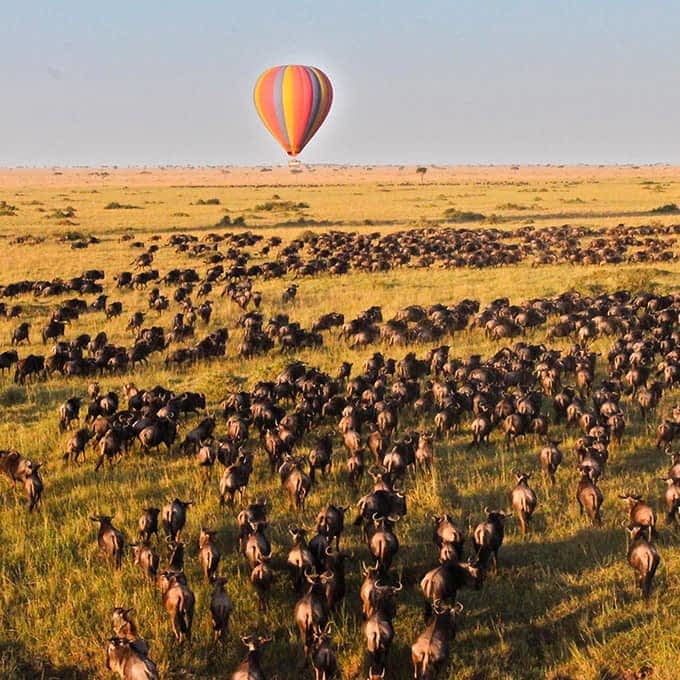
The Great Migration may also be affected. The herds might alter their movements, lingering longer in the southern Serengeti’s nutrient-rich grasses before heading north. This can be a boon for visitors to Tanzania during the early part of the year.
> Traveler's Tip: During a La Niña year in East Africa, consider a fly-in safari. This minimizes travel time on potentially muddy or impassable roads, maximizing your time for game drives. Our cost calculator can help you compare the costs of different travel styles.
Southern Africa: Botswana, Zambia, Zimbabwe & South Africa
Southern Africa also experiences wetter-than-average conditions during La Niña, particularly during its summer months (November to March). This has profound effects on the region's unique ecosystems.
In Botswana, the increased rainfall can lead to higher water levels in the Okavango Delta, although the full impact is often delayed as the floodwaters from Angola make their way down. This can enhance mokoro (dugout canoe) and boating safaris. In contrast, areas that are typically dry might become inaccessible.
In Zambia and Zimbabwe, the Zambezi River swells, feeding the mighty Victoria Falls. A La Niña year can result in a truly thunderous spectacle of water, creating immense spray and powerful rainbows. However, the sheer volume of water can sometimes obscure the view of the falls themselves.
Kruger National Park in South Africa becomes a verdant paradise, with thick bush and vibrant wildflowers. While this can make spotting animals more challenging, the birdwatching is absolutely phenomenal, with migratory species arriving in droves.
How La Niña Impacts Your Safari Experience
A La Niña event reshapes more than just the landscape; it changes the very nature of your daily safari activities.
Game Drives & Wildlife Photography
The lush, green backdrop of a La Niña season offers a stunning canvas for wildlife photography. The colors are more saturated, and the dramatic, cloudy skies can create a moody and atmospheric light. However, the thicker vegetation can make it harder to get a clear shot, and you may need to be more patient to spot elusive animals like leopards.
Game drives may be more adventurous, with your guide navigating wet and muddy tracks. This is all part of the fun, but it’s important to be prepared for a bumpier ride and potential delays.
Walking Safaris and Other Activities
Walking safaris can be particularly rewarding during a La Niña year. The wetter ground is excellent for tracking, and you’ll have the opportunity to learn about the smaller flora and fauna that thrive in these conditions. Your guide might point out unique insects, fungi, and medicinal plants that are not visible during the dry season.
However, some activities may be curtailed. Boating on certain rivers might be restricted if water levels are too high, and some walking trails may be closed due to safety concerns.
> Expert Insight: A La Niña safari is a photographer's dream, but it requires a different approach. Instead of focusing solely on the big game, embrace the macro world. The intricate details of a dew-covered spiderweb or the vibrant plumage of a woodland kingfisher can make for incredibly compelling images. It’s about capturing the entire ecosystem in its full, vibrant glory.
Planning Your Safari in a La Niña Year
Flexibility and expert guidance are your best assets when planning a safari during a La Niña phase. Here are some practical tips to help you prepare:
Itinerary & Bookings:
- Add Buffer Days: Build extra time into your itinerary to account for potential travel disruptions. A flight delay or a washed-out road is less stressful when you’re not on a tight schedule.
- Choose Your Camps Wisely: Opt for lodges and camps with a reputation for excellent guiding and well-maintained vehicles. All-weather camps with permanent structures are often a safer bet than mobile camps.
- Book in Advance: Don’t assume that the "green season" means fewer crowds. Many savvy travelers and photographers specifically target this time for its unique rewards. Plan your safari early to secure the best accommodations.
Packing Essentials:
- Waterproof Gear: A high-quality waterproof jacket is non-negotiable. Waterproof pants and even waterproof socks can be a lifesaver.
- Quick-Dry Clothing: Lightweight, quick-drying clothes are essential. Avoid cotton, which takes a long time to dry.
- Insect Repellent: More water means more insects. Pack a good quality repellent with DEET.
- Protect Your Gear: Bring waterproof bags or covers for your camera, binoculars, and other electronics.
By embracing the unique conditions of a La Niña year, you can have an incredibly rewarding and memorable safari experience. The key is to be prepared, stay flexible, and work with a trusted safari planning guide who can navigate the complexities for you. Our knowledge center is also a great resource for further reading on safari planning.
Need Expert Safari Guidance?
Get expert advisory support from a firm founded by a former safari guide — with real operational knowledge across 9 African countries and full-journey accountability.
Related Planning Guides
Recommended Reading
 Season & Timing Guides
How El Nino Affects Safari Weather
This is a dummy meta description for How El Nino Affects Safari Weather.
 Season & Timing Guides
Safari Weather Patterns in East Africa
Discover the distinct weather patterns of East Africa to plan your safari adventure. Learn about the long and short rainy seasons and the best times for wildlife viewing.
 Season & Timing Guides
Safari Weather Patterns in Southern Africa
Explore the diverse weather patterns of Southern Africa, from the dry winters to the wet summers, and learn how they impact safari activities and wildlife sightings.
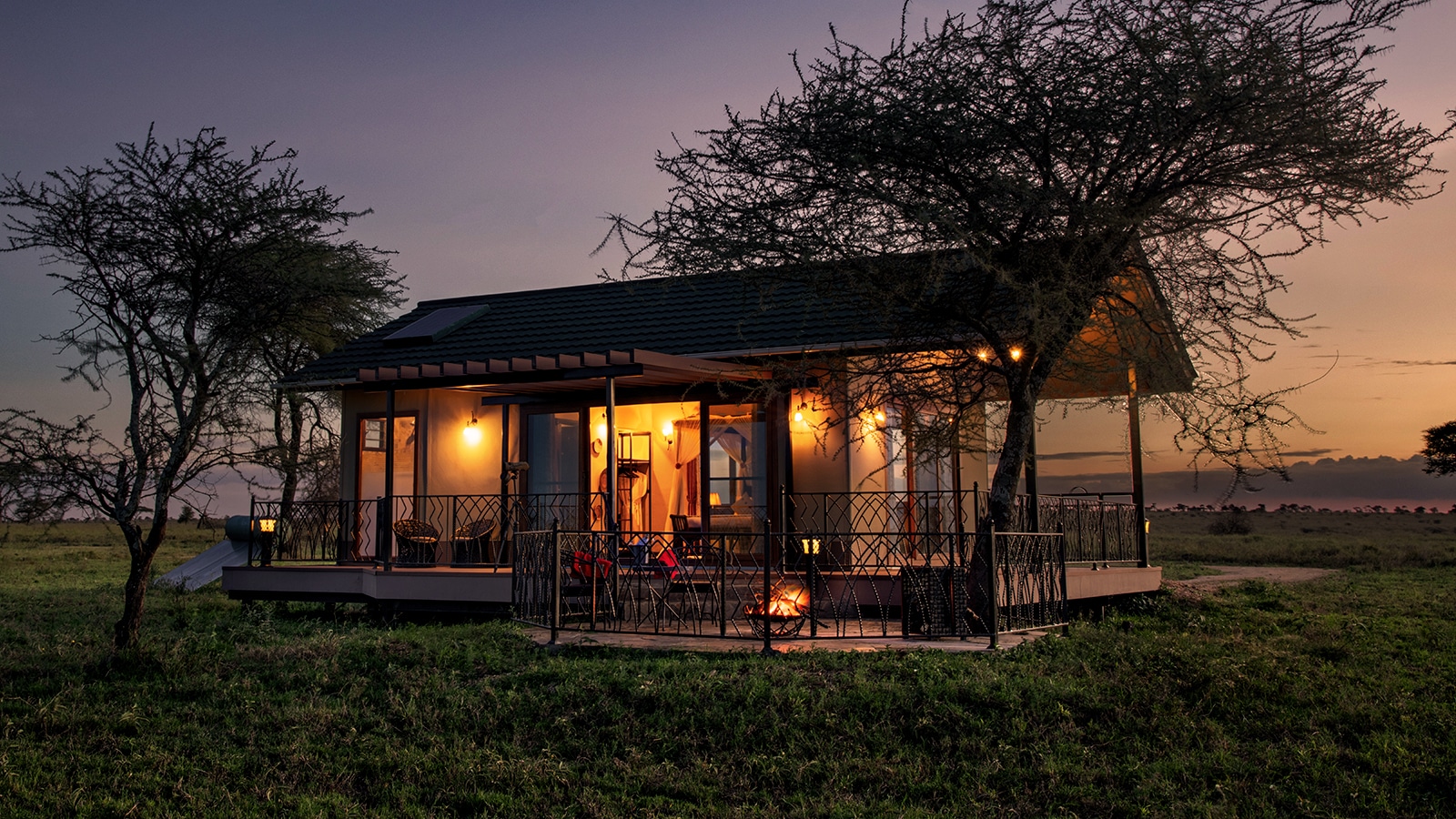 Safari Travel Tips
Safari Weather Tips
Master African safari weather with our expert guide. Learn about climate zones, wet vs. dry seasons, and what to pack for the perfect safari adventure.
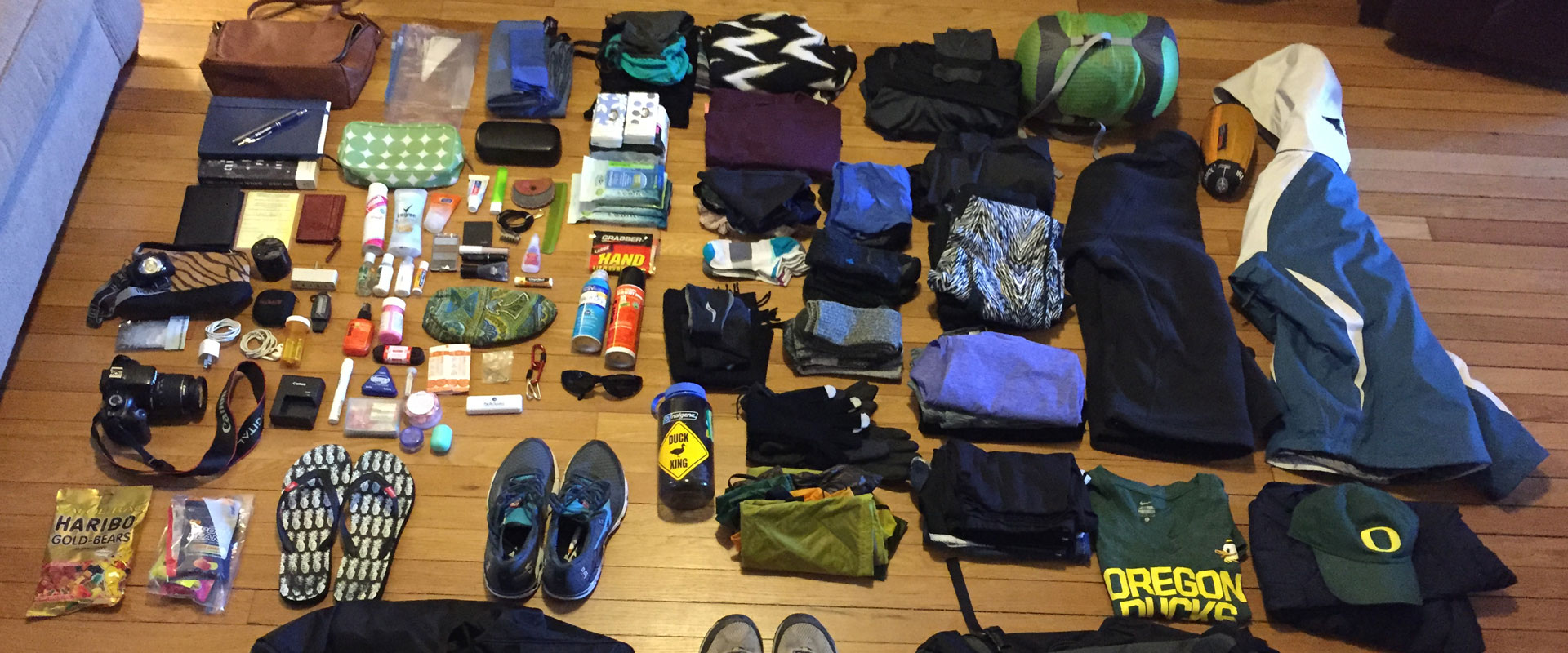 Safari Cost Guides
How Exchange Rates Affect Safari Costs
Learn about how exchange rates affect safari costs in this comprehensive safari guide covering key insights and practical advice.
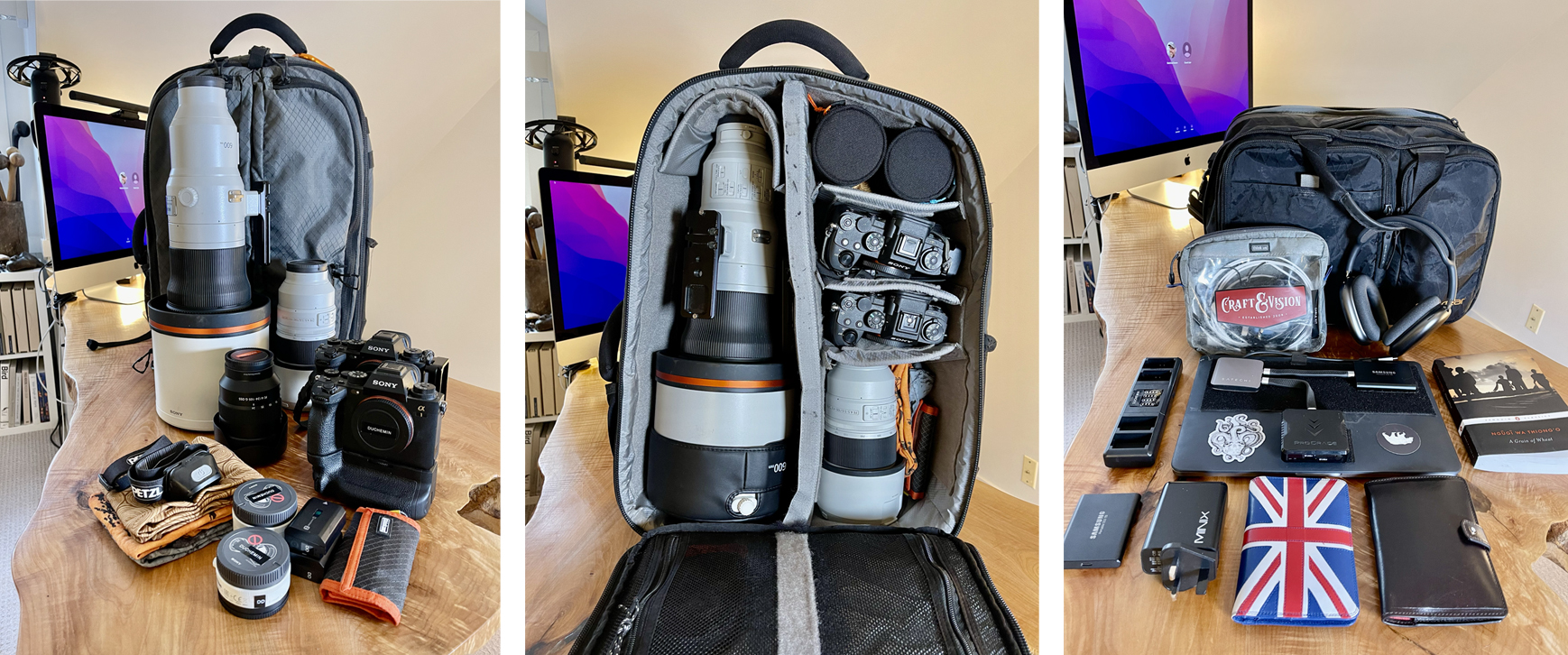 Safari Cost Guides
How Fuel Prices Affect Safari Costs
Learn about how fuel prices affect safari costs in this comprehensive safari guide covering key insights and practical advice.