
Learn about how exchange rates affect safari costs in this comprehensive safari guide covering key insights and practical advice.
Overview
Understanding the financial aspects of how exchange rates affect safari costs is essential for planning a safari that delivers exceptional value. Safari costs vary significantly based on destination, season, accommodation level, and the specific activities included. This guide breaks down the key cost factors and provides practical budgeting advice to help you plan wisely.
Detailed Analysis
Diving deeper into how exchange rates affect safari costs, it becomes clear that research and preparation pay significant dividends. The difference between a well-planned safari and a hastily arranged one often comes down to understanding the details that matter most. Our knowledge center provides comprehensive coverage of these topics, helping you build the foundation of knowledge needed for confident decision-making.
Still researching? Let us help.
Our advisory team has planned safaris across 9 African countries. We can turn your research into a real plan.
Talk to an AdvisorPractical Guidance
From a practical standpoint, how exchange rates affect safari costs requires attention to both the big picture and the fine details. Start by establishing your priorities and non-negotiables: what experiences are most important to you? What's your realistic budget range? Are there specific wildlife encounters or landscapes you're determined to see? Once you've clarified these fundamentals, use our cost calculator to model different scenarios and our operator directory to identify companies that specialize in your preferred type of experience.
Expert Insights
Leading safari guides and travel professionals agree that how exchange rates affect safari costs is an area where knowledge creates meaningful advantages. As the industry evolves and traveler expectations shift, staying informed helps you identify genuine value and avoid common pitfalls. Browse our operator directory to connect with companies that demonstrate transparency, quality, and commitment to responsible tourism.
Planning Your Next Steps
Whether you're in the early dreaming stages or actively finalizing your safari plans, the knowledge gained from understanding how exchange rates affect safari costs contributes to a more rewarding and stress-free experience. Use the resources available on Safari Intelligence, including our cost calculator, operator directory, and destination library, to build confidence in every planning decision you make.
Done Reading? Let's Build Your Safari.
Skip the guesswork. Work with an advisor who has been on the ground across East and Southern Africa.
Plan With UsDeeper Dive: How Major Currencies Shape Safari Pricing
The safari industry, particularly in East and Southern Africa, operates predominantly in U.S. Dollars (USD). This is a critical piece of information for travelers from any country, as it means that the price of your safari is often pegged to the dollar, regardless of your home currency. For American travelers, this simplifies budgeting, as the price you see is the price you pay, unaffected by daily currency market swings. However, for travelers from the United Kingdom, the Eurozone, Canada, Australia, and other parts of the world, the final cost in your home currency will move with the exchange rate between your currency and the USD.
For instance, if a safari package is priced at $10,000 USD, a 10% strengthening of the dollar against the British Pound (GBP) would mean a UK-based traveler would need to spend 10% more in GBP to cover the same dollar amount. Conversely, a 10% weakening of the dollar would make the trip 10% cheaper. This is why it's essential to monitor exchange rates during your planning phase. Our safari operators constantly track these trends to help you understand the best time to book and pay.
> Expert Insight: While the core components of a safari (accommodation, park fees, guided activities) are almost always quoted in USD, on-the-ground expenses like local market shopping, extra meals, and tips for your guides are often best paid in the local currency—be it the Kenyan Shilling (KES), Tanzanian Shilling (TZS), or South African Rand (ZAR). We recommend carrying a small amount of local currency for these incidentals.
Strategic Timing: Locking in Value
Understanding currency dynamics allows for strategic planning. One of the most effective strategies to mitigate currency risk is to book and pay for your safari when your home currency is strong against the USD. Many safari operators and lodges allow for a deposit to be placed far in advance, with the balance due closer to the travel date. However, some may allow you to pay the full amount upfront, effectively locking in the cost at a favorable exchange rate.
This is a conversation worth having with your safari planner. If the exchange rate is particularly advantageous, paying in full can shield you from future currency depreciation. On the other hand, if your currency is historically weak, you might choose to pay in installments, hoping for a more favorable rate in the future. This approach carries more risk but can also lead to savings. For more personalized advice, our team can help you analyze your specific situation when you plan your safari.
Managing On-the-Ground Expenses
While your main safari costs are handled in USD, your daily spending money requires a bit more thought. Upon arrival in your destination country, you will need local currency for tips, curios, and any meals or activities not included in your pre-paid itinerary. It is generally advisable to exchange a modest amount of money at the airport upon arrival for immediate needs, and then use ATMs in larger towns or cities to withdraw more as needed.
Here are a few practical tips for managing your money on the ground:
- Carry a Mix: Have a combination of USD (for larger, pre-arranged expenses or emergencies) and local currency (for smaller, everyday purchases).
- Inform Your Bank: Before you travel, let your bank and credit card companies know your travel dates and destinations to avoid having your cards frozen for suspicious activity.
- Use Credit Cards Wisely: Credit cards are widely accepted at larger hotels, lodges, and restaurants, but often come with foreign transaction fees. Check your card's policy before you go. Visa and Mastercard are the most widely accepted.
- ATM Withdrawals: ATMs are the most convenient way to get local currency, but be mindful of withdrawal fees, both from the local bank and your own. It's often more cost-effective to make fewer, larger withdrawals.
Our knowledge center has more detailed guides on managing money in specific African countries.
Case Study: The Tale of Two Travelers
Let's consider two travelers planning the exact same safari to Tanzania, valued at $8,000 USD. Sarah is from the United States, and David is from the United Kingdom.
- Sarah (USA): The price for Sarah is straightforward. The safari costs $8,000, and that is the amount she will pay, regardless of what the Tanzanian Shilling is doing. Her budget is stable and predictable.
- David (UK): David's situation is more dynamic. When he first inquires, the exchange rate is £1 GBP = $1.25 USD. This means the safari will cost him £6,400. He decides to wait a couple of months to book. In that time, the pound weakens against the dollar to £1 GBP = $1.20 USD. Now, the same $8,000 safari costs him approximately £6,667—an increase of over £260, purely due to currency fluctuations. Had the pound strengthened, he would have saved money.
This simple example illustrates the very real impact of exchange rates on your safari budget. Using a tool like our cost calculator can help you estimate costs in your home currency, but remember that these are subject to change until the moment you pay.
By working with a knowledgeable advisor, you can navigate these complexities with confidence, ensuring that you get the best possible value for your dream African adventure. The goal is to make informed decisions that align with your budget and travel aspirations, turning a potentially confusing aspect of safari planning into a strategic advantage.
Need Expert Safari Guidance?
Get expert advisory support from a firm founded by a former safari guide — with real operational knowledge across 9 African countries and full-journey accountability.
Related Planning Guides
Recommended Reading
 Safari Cost Guides
How Fuel Prices Affect Safari Costs
Learn about how fuel prices affect safari costs in this comprehensive safari guide covering key insights and practical advice.
 Safari Cost Guides
How Park Fee Increases Affect Safari Costs
Learn about how park fee increases affect safari costs in this comprehensive safari guide covering key insights and practical advice.
 Season & Timing Guides
How Climate Change Is Affecting Safari Seasons
This is a dummy meta description for How Climate Change Is Affecting Safari Seasons.
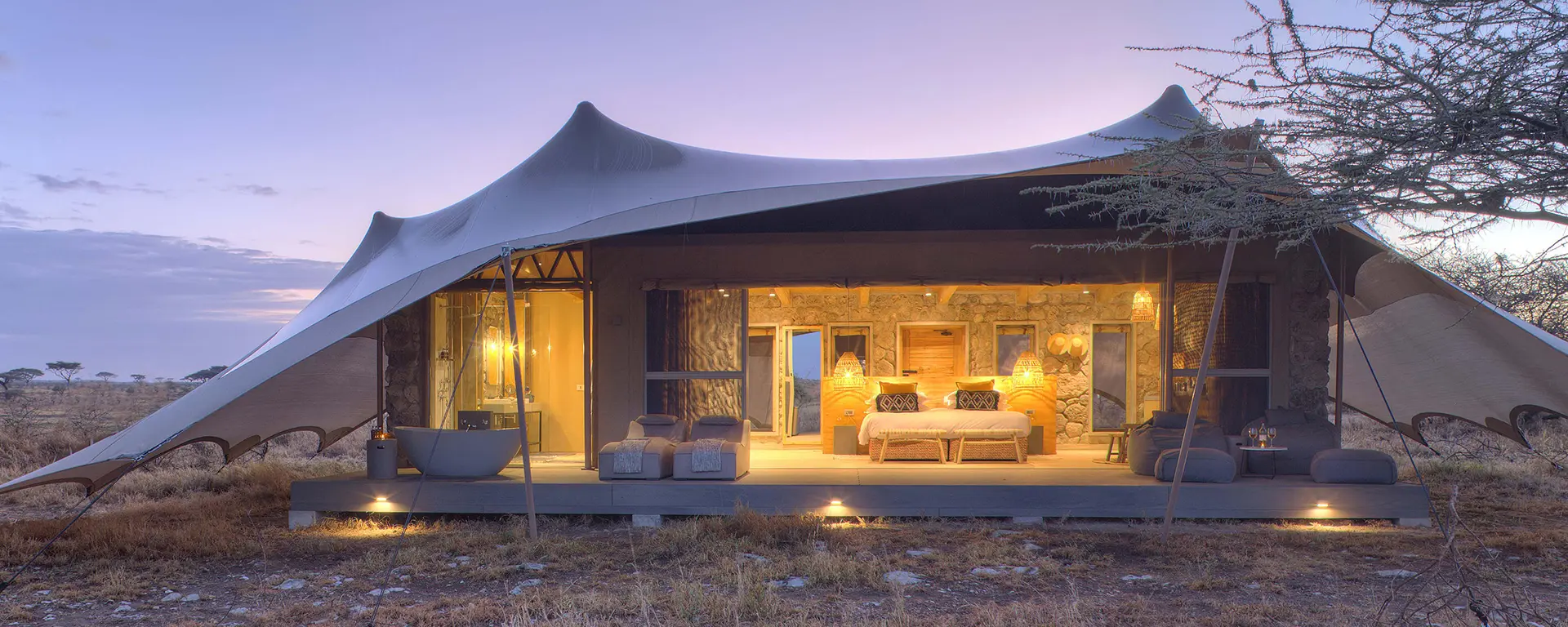 Safari Cost Guides
Safari Lodge Costs by Country Comparison
Planning a safari? Learn about safari lodge costs by country comparison. Get expert advice and insights from Safari Intelligence to plan your perfect trip.
 Safari Costs
Budget Safari vs Luxury Safari Costs
Discover the key cost differences between budget and luxury safaris, from accommodation and guiding to game drives and locations, to choose the right trip for you.
 Safari Costs
Safari Vehicle and Guide Costs
Planning a safari? This guide breaks down safari vehicle and guide costs, covering private vs. shared options, vehicle types, and what to budget for your trip.