
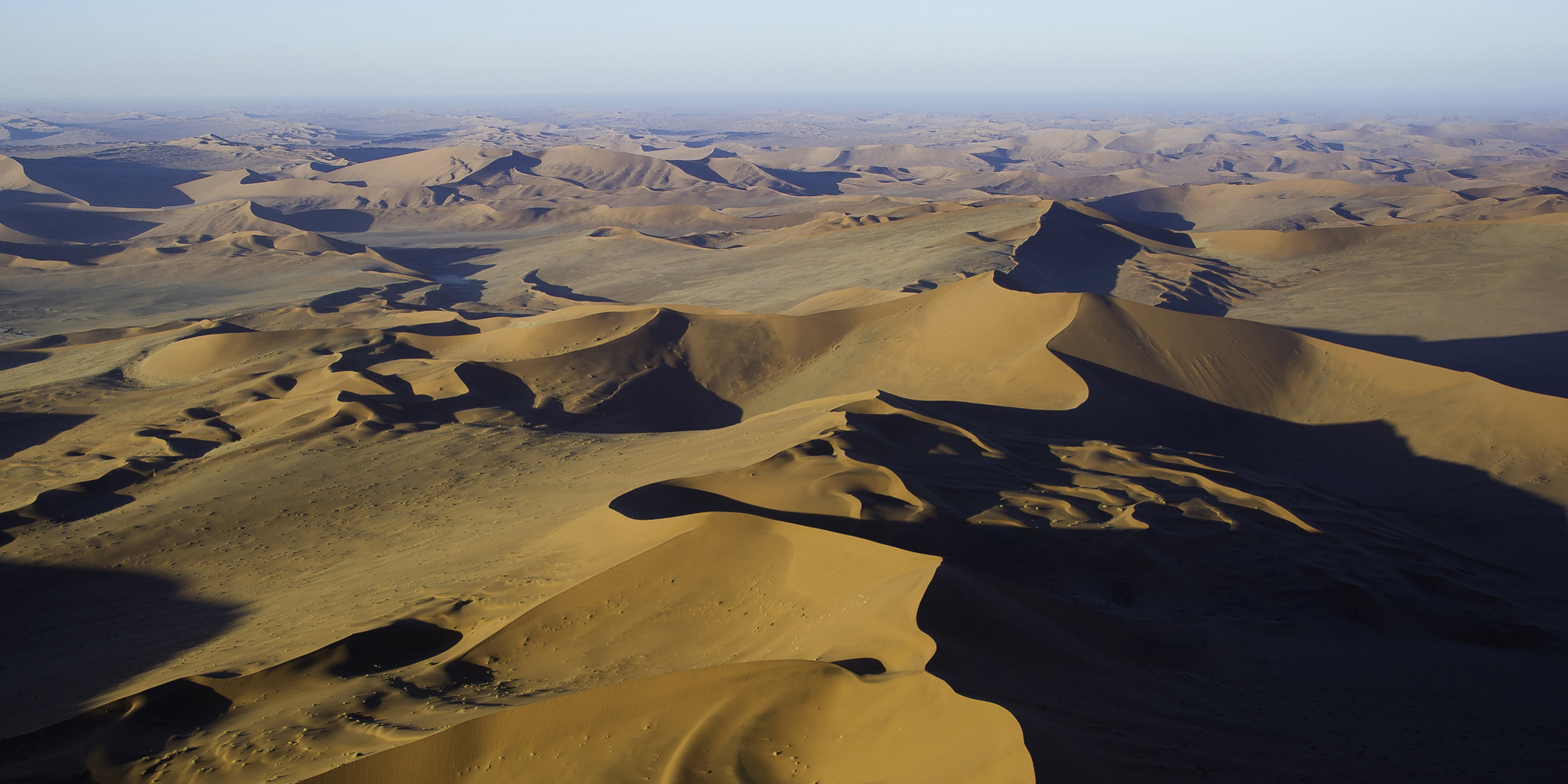
Learn about green season safari disadvantages in this comprehensive safari guide.
Introduction
When it comes to green season safari disadvantages, experienced safari travelers know that preparation makes all the difference. Africa's diverse landscapes and ecosystems offer unique opportunities, and knowing what to expect helps you make the most of every moment on safari.
Key Details and Considerations
Several critical factors influence green season safari disadvantages in the African safari context. Geographic location, time of year, and the specific activities you're interested in all play important roles. The diversity of Africa's safari destinations means that no two experiences are alike, and understanding these nuances helps you plan more effectively. Our destination guides provide detailed information for each region.
Still researching? Let us help.
Our advisory team has planned safaris across 9 African countries. We can turn your research into a real plan.
Talk to an AdvisorPractical Advice
For practical guidance on green season safari disadvantages, consider these expert recommendations. First, start your research early and use reliable sources like our knowledge center for up-to-date information. Second, don't underestimate the value of professional guidance, as a knowledgeable safari planning guide can save you time, money, and potential disappointment. Third, remain flexible in your planning, as Africa's natural environments are dynamic and unpredictable.
Expert Insights
Industry experts emphasize that green season safari disadvantages continues to evolve as safari tourism grows and adapts to new challenges. Conservation-focused tourism, community engagement, and sustainable practices are increasingly important considerations for discerning travelers. By choosing operators who prioritize these values, you contribute to the long-term preservation of Africa's wild places. Browse our operator directory to find companies committed to responsible tourism.
Planning Your Next Steps
In summary, green season safari disadvantages is a multifaceted topic that rewards careful study and thoughtful planning. Whether you're a first-time safari traveler or a returning enthusiast, staying informed about the latest developments and best practices ensures the best possible experience. Explore our destinations, consult our safari operators, and use our cost calculator to begin planning your African adventure today.
Done Reading? Let's Build Your Safari.
Skip the guesswork. Work with an advisor who has been on the ground across East and Southern Africa.
Plan With UsNavigating Logistical Challenges: Roads and Accessibility
One of the most significant disadvantages of a green season safari is the logistical challenge posed by weather. Heavy rains can transform dry, dusty tracks into impassable muddy roads, particularly in remote or less-developed conservation areas. For instance, during the long rains from March to May, certain sectors of Tanzania's Serengeti or Kenya's Maasai Mara can become temporarily inaccessible to standard safari vehicles. This may require last-minute itinerary changes or reliance on more expensive internal flights, adding an unpredictable element to your travel plans. In a worst-case scenario, entire game drives may be canceled, limiting your wildlife viewing opportunities.
Impact on Wildlife Viewing: The Green Veil
While the lush, green landscapes are visually stunning, they create what guides often call the "green veil." The dense foliage and tall grasses that flourish during the rainy season can make wildlife significantly harder to spot. Animals that would be easily visible against the dry, brown backdrop of the dry season can be perfectly camouflaged just a few feet from the road. This is particularly true for elusive predators like leopards and cheetahs, which use the thick bush to their advantage. While herbivores are abundant due to the plentiful food, you may need to exercise more patience and rely heavily on your guide's tracking skills to locate them.
A Note on Health and Comfort
The green season also brings an increase in insect populations, most notably mosquitoes. While most reputable lodges and camps are located in low-risk areas and provide mosquito nets, the increased presence of these insects can be a nuisance and raises health considerations. It is imperative to consult your doctor about appropriate malaria prophylaxis before traveling. Beyond mosquitoes, the higher humidity and occasional downpours can affect comfort levels for those not accustomed to tropical climates. Packing lightweight, waterproof layers and effective insect repellent is essential for a more comfortable experience.
Regional Disadvantages: A Deeper Dive
The impact of the green season varies significantly across Africa. While the general challenges of rain and dense vegetation apply broadly, specific regions present unique hurdles that travelers must consider. Understanding these nuances is key to setting realistic expectations.
Zambia and Southern Tanzania: Seasonal Inaccessibility
Destinations like Zambia's South Luangwa National Park and Tanzania's southern parks, Ruaha and Nyerere National Park (formerly Selous), are famous for their remote, wild character. However, this remoteness becomes a major disadvantage during the heavy rains from roughly January to April. Many of the intimate bushcamps that define the experience in these areas shut down completely. The infamous "black cotton soil" turns into an impassable quagmire, making game drives impossible. For example, many acclaimed operators close their seasonal camps, and access is restricted to a few year-round lodges near the main park gates. Travelers hoping for the classic walking safaris and remote fly-camping of the dry season will find these options unavailable, limiting their choices to a handful of permanently established lodges. Our operator directory can help you identify which camps are open year-round.
Botswana's Okavango Delta: A Different Dynamic
The Okavango Delta operates on a different hydrological calendar, which can be confusing. The local rainy season (the "green season") from November to April brings afternoon thunderstorms, but the famous annual floodwaters from the Angolan highlands typically only begin arriving in May or June. During the green season, the landscape is lush and wildlife disperses from the main channels. While this is a phenomenal time for birdwatching and seeing newborn antelope, it is not the best time for water activities like mokoro (dugout canoe) excursions in many areas, as the channels may be too low. Game viewing can be more challenging as animals are not concentrated around receding water sources. This makes it a less-than-ideal time for first-time visitors focused on dense big game concentrations.
The Photographer's Green Season Dilemma
While the vibrant green landscapes offer a stunning backdrop, the green season presents significant technical challenges for photographers. The same conditions that make the scenery beautiful can make capturing high-quality wildlife images incredibly difficult.
Firstly, the quality of light is often compromised. Persistent cloud cover results in dark, overcast days, forcing photographers to use higher ISO settings, which can introduce unwanted digital noise into their images. This is especially challenging during the crucial dawn and dusk periods when predators are most active. Secondly, when the sun does break through after a storm, the light is often harsh and creates high-contrast scenes with deep shadows and bright highlights, making it difficult to expose an image properly. The "green veil" also creates cluttered, "messy" backgrounds, where branches and leaves can distract from the subject, a stark contrast to the clean, monochromatic backdrops of the dry season that make animals pop.
Comparing Green Season Challenges
To make an informed decision, it's helpful to compare the primary disadvantages side-by-side. This allows you to weigh the trade-offs based on your personal safari priorities, whether you're a first-time visitor or a seasoned photographer.
| Disadvantage Factor | Detailed Impact & Specific Examples | Best Suited For Travelers Who... | Worst Suited For Travelers Who... | | :--- | :--- | :--- | :--- | | Road & Airstrip Access | Dirt roads become muddy and impassable, especially in Zambia's Luangwa Valley and Tanzania's Ruaha. Some bush airstrips may close temporarily. | Are on fly-in safaris to well-established, all-weather camps (e.g., in the Sabi Sands or central Serengeti). | Are self-driving, on a budget overland tour, or wish to visit remote, seasonal bushcamps. | | Wildlife Visibility | Thick vegetation and tall grasses make spotting animals, especially elusive predators like leopards, much more difficult. | Are avid birdwatchers, repeat visitors focusing on animal behavior, or those passionate about landscapes. | Are first-time safari-goers with a "Big Five" checklist or have limited time for their safari. | | Health & Comfort | Mosquito and other insect populations increase. High humidity and midday heat can be uncomfortable for some. | Are diligent with malaria prophylaxis and insect repellent and don't mind tropical humidity. | Are traveling with young children, are anxious about malaria, or are sensitive to heat and humidity. | | Accommodation Options | Many small, seasonal, and remote bushcamps close, limiting choices to larger, permanent lodges. This reduces the sense of exclusivity. | Prefer the amenities of larger lodges and plan to stay in central, accessible areas. | Seek the intimate, off-the-grid experience of a classic, owner-run bushcamp. |
Ultimately, a green season safari can be rewarding, but it requires a clear understanding of these potential drawbacks. For expert guidance tailored to your specific travel style and goals, consider speaking with one of our professional safari operators.
Written & Reviewed By
Philips Okot
Former safari guide from Uganda and founder of Safari Intelligence. Philips has spent years guiding travelers across East and Southern Africa and now provides independent safari advisory services to help travelers plan with confidence.
Need Expert Safari Guidance?
Get expert advisory support from a firm founded by a former safari guide — with real operational knowledge across 9 African countries and full-journey accountability.
Related Planning Guides
Recommended Reading
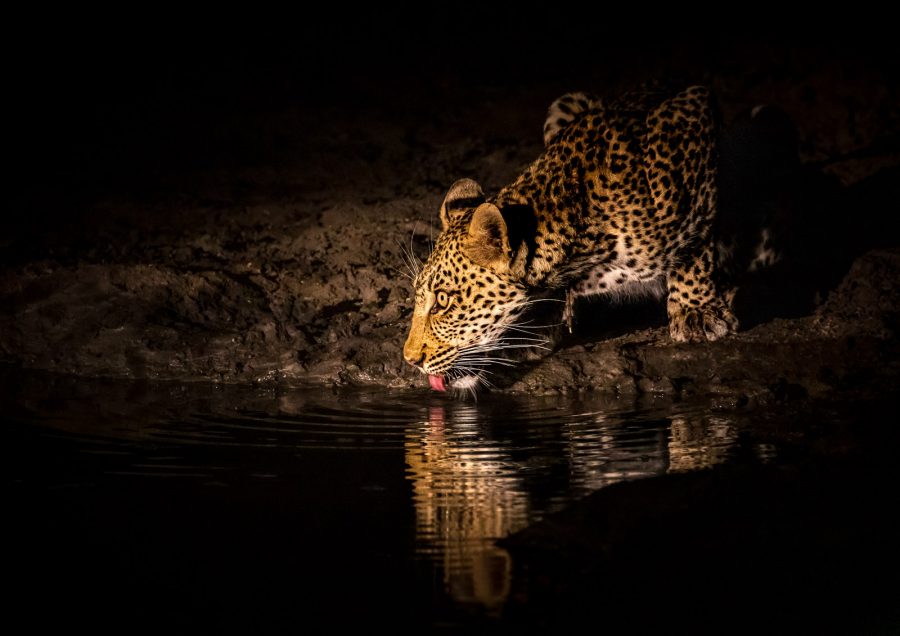 Season & Timing Guides
Green Season Safari Advantages
Discover the many advantages of a Green Season safari, from lush landscapes and newborn animals to lower prices and fewer crowds.
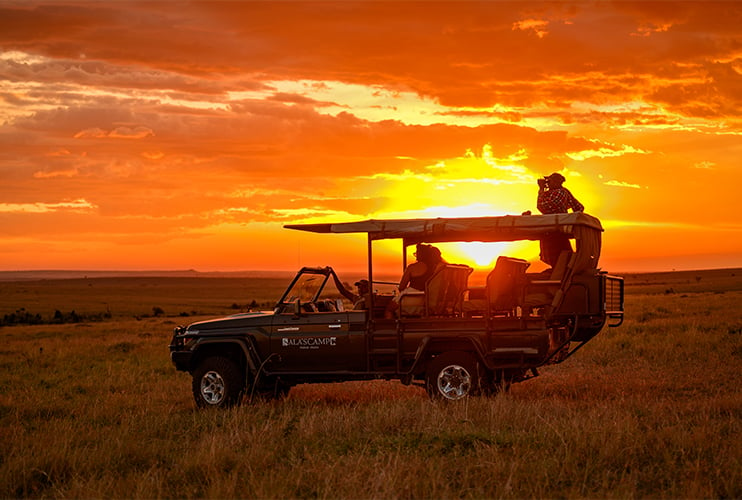 Season & Timing Guides
Dry Season Safari Advantages
Discover the key advantages of a dry season safari, from exceptional wildlife viewing to pleasant weather and easier travel conditions.
 Season & Timing Guides
Dry Season Safari Disadvantages
Understand the potential disadvantages of a dry season safari, from higher prices and more crowds to a less vibrant landscape.
 Safari Cost Guides
Safari Cost Comparison Dry Season vs Green Season
Learn about safari cost comparison dry season vs green season in this comprehensive safari guide covering key insights and practical advice.
 Safari Comparison Articles
Dry Season vs Green Season Safari Comparison
Learn about dry season vs green season safari comparison in this comprehensive safari guide covering key insights and practical advice.
 Safari Planning Guides
How to Plan a Safari During the Green Season
Discover how to plan your dream safari with our expert guide on How to Plan a Safari During the Green Season. Get tips on destinations, costs, and more.