
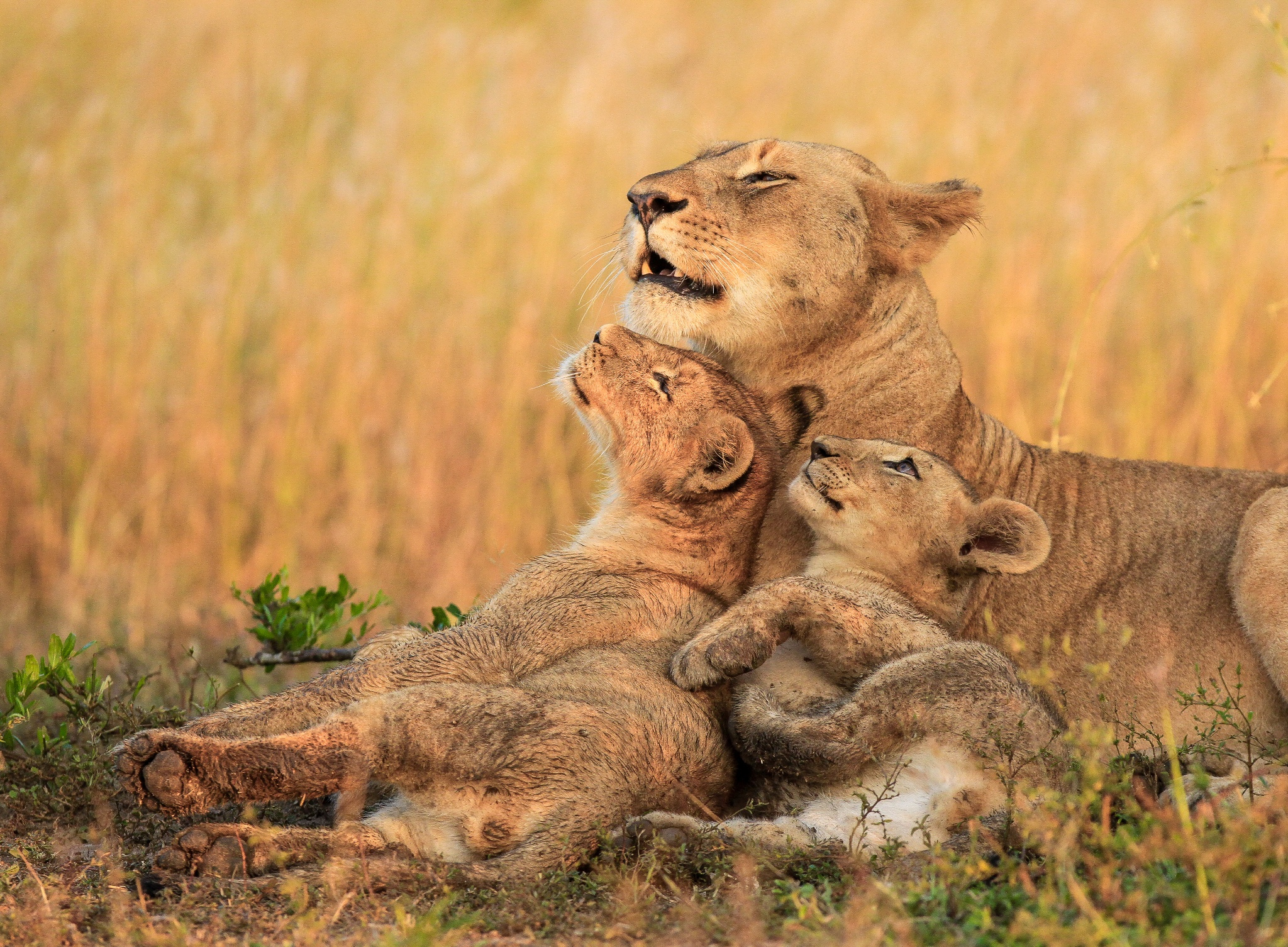
Understand the potential disadvantages of a dry season safari, from higher prices and more crowds to a less vibrant landscape.
The Downsides of the Dry Season
While the dry season is the most popular time for a safari, it does have a few disadvantages that are worth considering. The same factors that make it great for wildlife viewing can also lead to a less well-rounded and more expensive experience. For a balanced perspective, explore our knowledge center for more articles on safari planning.
Higher Prices and More Crowds
The dry season is the peak tourist season in most safari destinations. This high demand leads to higher prices for accommodation, flights, and tours. The popular national parks and reserves can also get quite crowded, which can detract from the wilderness experience. If you are looking for a more exclusive and affordable safari, the shoulder or green seasons may be a better option. Our safari operators can help you find the best value for your money.
Still researching? Let us help.
Our advisory team has planned safaris across 9 African countries. We can turn your research into a real plan.
Talk to an AdvisorA Hazy and Dusty Environment
The lack of rain means that the landscape can be quite dry and dusty. The air can also be hazy, which can affect the quality of your photographs. While the game viewing is excellent, the overall scenery may not be as beautiful and vibrant as it is during the green season. To see how the different seasons compare, visit our destinations guides.
Less Animal Activity During the Day
While wildlife is concentrated around water sources, the high temperatures during the middle of the day can lead to a lull in activity. Many animals will seek shade and rest during the hottest part of the day, which means that your midday game drives may be less productive. To understand the cost implications of a dry season safari, use our cost calculator.
Harsher Landscapes and Pervasive Dust
While the dry season concentrates wildlife, it also transforms the landscape into a harsher, less vibrant environment. The lush greenery of the wet season gives way to brown, parched vegetation and dusty plains. This can be a significant drawback for travelers who envision a classic safari backdrop of verdant savannas. The lack of moisture means that dust becomes a constant companion on game drives. Open-sided safari vehicles, essential for good viewing, can kick up considerable amounts of dust, which can affect your comfort and your camera equipment. In destinations like Namibia's Etosha National Park or Botswana's Makgadikgadi Pans, the landscape becomes exceptionally arid, and the dust can be particularly pervasive.
> Traveler's Tip: If you are sensitive to dust, consider bringing a light scarf or bandana to cover your mouth and nose during game drives. It's also wise to bring protective gear for your camera, such as a dust cover or a sealed camera bag, to prevent fine particles from damaging your lens or sensor.
Done Reading? Let's Build Your Safari.
Skip the guesswork. Work with an advisor who has been on the ground across East and Southern Africa.
Plan With UsHigher Crowds and Vehicle Congestion
The dry season coincides with the peak tourist season in most of Africa's premier safari destinations. This is driven by the excellent game viewing and favorable weather, but it comes at the cost of sharing your experience with more people. Popular national parks, such as the Maasai Mara National Reserve in Kenya or the Seronera Valley in Tanzania's Serengeti, can experience significant vehicle congestion, especially at major wildlife sightings like a leopard in a tree or a river crossing during the Great Migration. This can detract from the sense of wilderness and solitude that many travelers seek on a safari. For a more exclusive experience, consider visiting private conservancies, which have strict limits on the number of vehicles and visitors. Our safari operators can help you find the right balance between prime game viewing and a more intimate experience.
Increased Costs and Limited Availability
The simple economics of supply and demand mean that safari costs are at their highest during the dry season. With high demand for a limited number of high-quality lodges and camps, prices can be 20-40% higher than in the shoulder or wet seasons. Availability becomes a major issue, and it is not uncommon for the best-located and most popular properties to be fully booked a year or more in advance. This is particularly true for smaller, more intimate camps. If you are planning a dry season safari, it is essential to book well ahead of time to secure your preferred accommodations and guides. To get a detailed breakdown of how the time of year affects your budget, explore our cost calculator.
The Impact on Photography
While the dry season offers abundant wildlife subjects, it presents several challenges for photographers. The harsh, direct sunlight during the middle of the day can create high-contrast scenes with deep shadows and blown-out highlights, making it difficult to capture well-exposed images. The dust, as mentioned earlier, can be a significant problem for camera gear and can create a hazy atmosphere that reduces the clarity and vibrancy of your photos. The lack of green foliage also means that backgrounds can be less interesting, often appearing as a monotonous brown or beige. To make the most of the photographic opportunities, focus your efforts on the 'golden hours' of the early morning and late afternoon when the light is softer and more colorful. Using a polarizing filter can also help to cut through the haze and enhance the colors of the sky and landscape.
Stress on Wildlife Populations
The dry season is a time of hardship for many animal species. As water sources dry up and grazing becomes scarce, animals must travel longer distances to find food and water. This can lead to increased stress, malnutrition, and higher mortality rates, especially for the very young and old. While this is a natural part of the ecosystem's cycle, it can be difficult for some travelers to witness. You may see animals that are visibly thin or weak, and the competition for resources can lead to more frequent and intense confrontations between predators and prey. It is a raw and unfiltered view of nature, but it is a factor to consider when deciding on the timing of your safari. To learn more about the delicate balance of these ecosystems, visit our knowledge center.
Fewer Newborn Animals and Birding Opportunities
For many species, the birthing season is timed to coincide with the wet season, when there is an abundance of food and water to support lactation and the growth of young animals. As a result, you are likely to see fewer baby animals during the dry season. While you will still see young animals from previous seasons, the charming sight of newborns taking their first steps is less common. Similarly, the dry season is generally not the best time for birdwatching. Many migratory bird species are absent, and the resident birds are less active and not in their vibrant breeding plumage. If seeing a wide variety of birds or experiencing the joy of seeing lots of baby animals is a priority, you may want to consider planning your safari for the green season. Our destinations guides provide detailed information on the seasonal highlights of each park and reserve.
Need Expert Safari Guidance?
Get expert advisory support from a firm founded by a former safari guide — with real operational knowledge across 9 African countries and full-journey accountability.
Related Planning Guides
Recommended Reading
 Season & Timing Guides
Dry Season Safari Advantages
Discover the key advantages of a dry season safari, from exceptional wildlife viewing to pleasant weather and easier travel conditions.
 Season & Timing Guides
Green Season Safari Advantages
Discover the many advantages of a Green Season safari, from lush landscapes and newborn animals to lower prices and fewer crowds.
 Season & Timing Guides
Shoulder Season Safari Advantages
Discover the benefits of traveling during the shoulder season, from lower prices and fewer crowds to a great mix of weather and wildlife viewing.
 Safari Comparison Articles
Rainy Season Safari vs Dry Season Safari
An in-depth comparison of Rainy Season Safari vs Dry Season Safari to help you choose the perfect safari experience. Explore the pros, cons, and key differences
 Safari Cost Guides
Safari Cost Comparison Dry Season vs Green Season
Learn about safari cost comparison dry season vs green season in this comprehensive safari guide covering key insights and practical advice.
 Safari Comparison Articles
Dry Season vs Green Season Safari Comparison
Learn about dry season vs green season safari comparison in this comprehensive safari guide covering key insights and practical advice.