
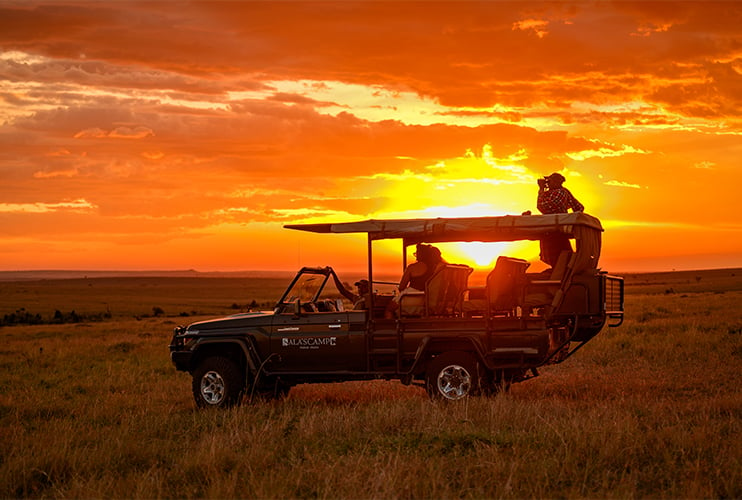
Discover the key advantages of a dry season safari, from exceptional wildlife viewing to pleasant weather and easier travel conditions.
The Prime Time for Wildlife Viewing
The dry season is the most popular time for safaris in Africa, and for good reason. The lack of rain and sparse vegetation make it the ultimate time for wildlife viewing. If your primary goal is to see as much wildlife as possible, the dry season is the best time to go. For more information on safari planning, explore our knowledge center.
Concentrated Wildlife and Easy Spotting
During the dry season, water becomes a scarce and precious resource. This forces animals to congregate around the few remaining water sources, such as rivers, lakes, and waterholes. This concentration of wildlife makes for incredible and reliable game viewing. The sparse vegetation also means that you can see for longer distances and spot animals more easily. Our safari operators can help you choose the best destinations for a dry season safari.
Still researching? Let us help.
Our advisory team has planned safaris across 9 African countries. We can turn your research into a real plan.
Talk to an AdvisorPleasant Weather and Ideal Conditions
The weather during the dry season is generally pleasant, with sunny days and cool, crisp nights. The lack of rain means that you are unlikely to have your game drives disrupted by bad weather. The roads are also in good condition, making for comfortable and easy travel between different areas. To see how a dry season safari might fit your budget, use our cost calculator.
Fewer Insects and Lower Malaria Risk
The dry conditions mean that there are far fewer insects, including mosquitoes. This reduces the risk of malaria and makes for a more comfortable experience, especially in the evenings. While it is still advisable to take precautions, the lower insect population is a definite advantage of a dry season safari. To learn more about health and safety on safari, visit our destinations guides.
Unrivaled Wildlife Concentrations at Water Sources
The single greatest advantage of a dry season safari is the unparalleled concentration of wildlife. As seasonal water sources evaporate across the landscape, animals are forced to congregate around permanent rivers, waterholes, and deltas. This natural funneling effect creates a theater of animal activity, making it significantly easier to witness incredible sightings.
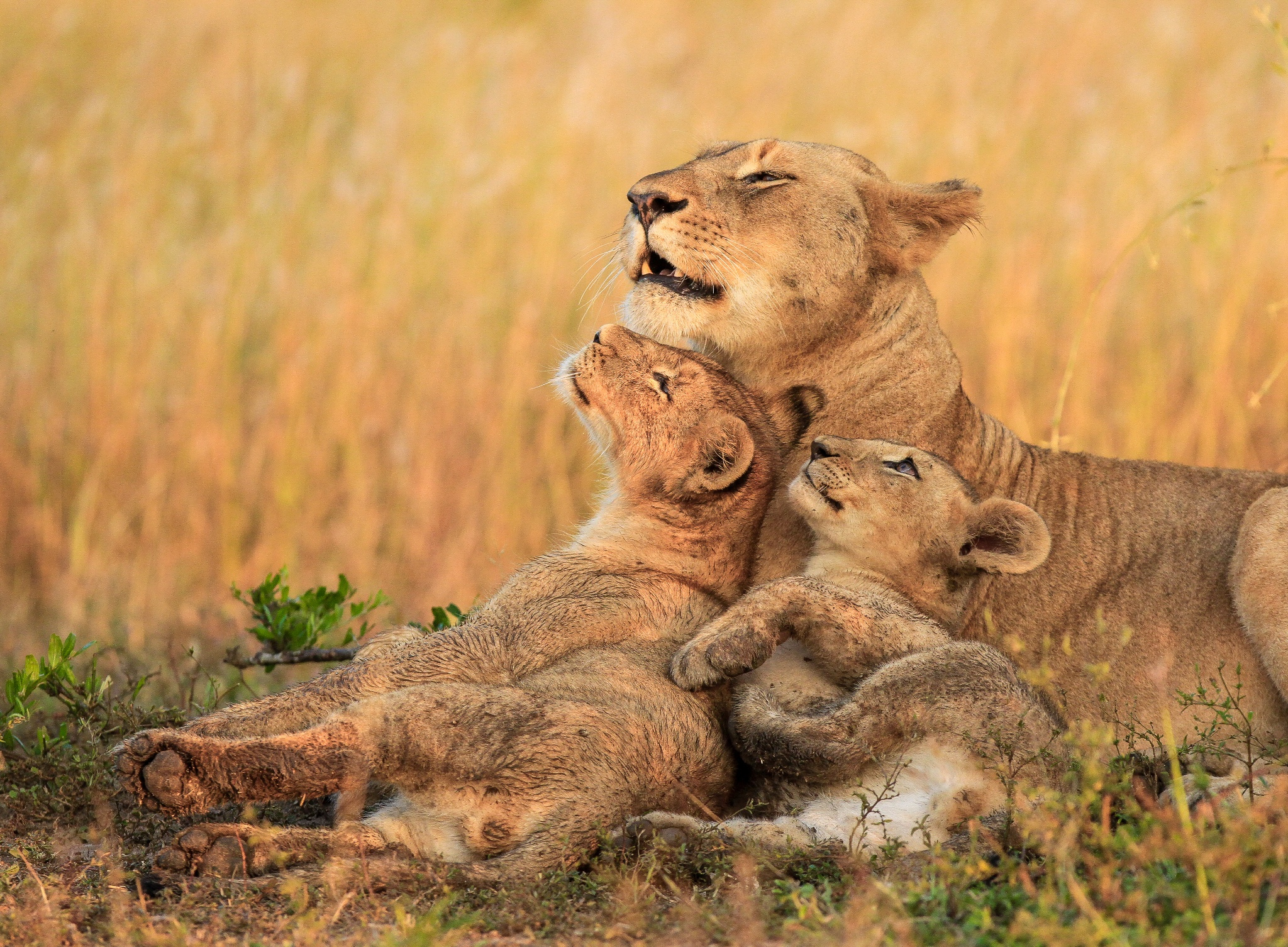
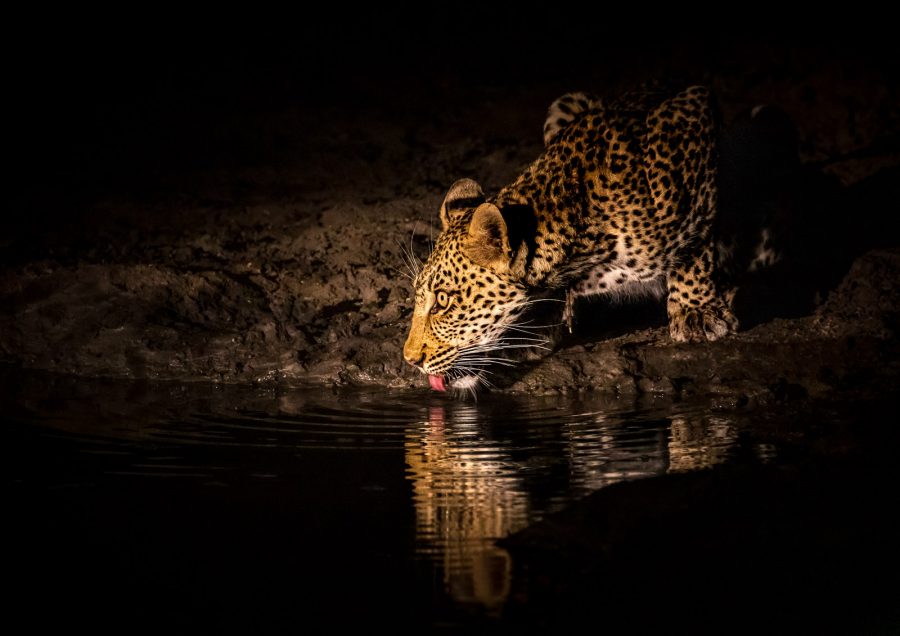
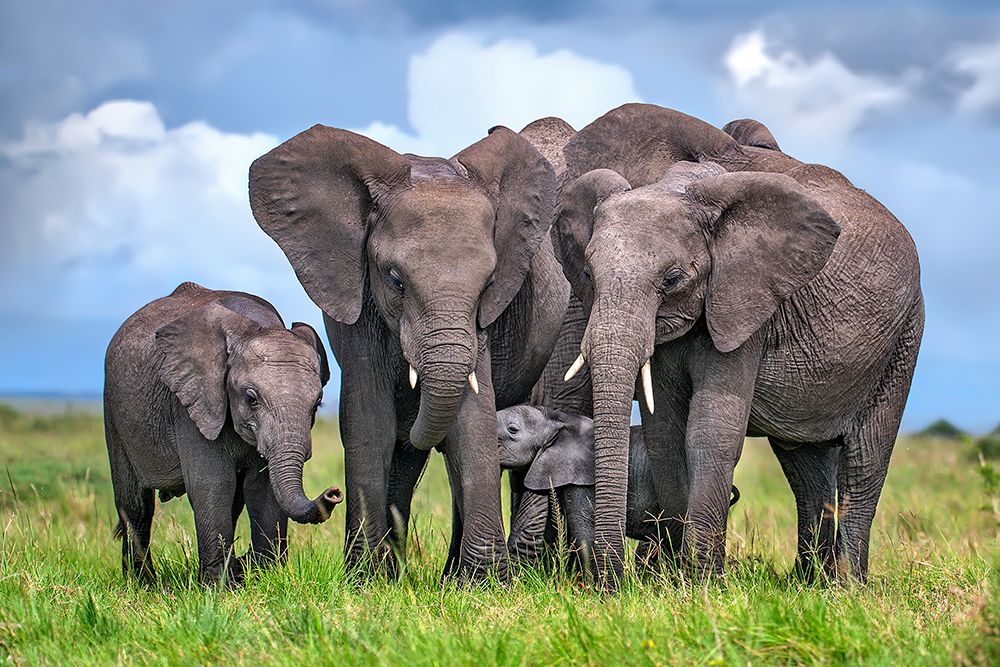
In Tanzania, for example, Tarangire National Park becomes a magnet for one of Africa's largest elephant populations. Herds numbering in the hundreds can be seen digging for water in the dry Tarangire River bed. Similarly, in Botswana’s Okavango Delta, the receding floodwaters leave behind nutrient-rich grasses that attract vast herds of buffalo, zebra, and antelope, which in turn draw out predators like lions and leopards. This concentration of prey and predator in a confined area dramatically increases your chances of witnessing dramatic interactions.
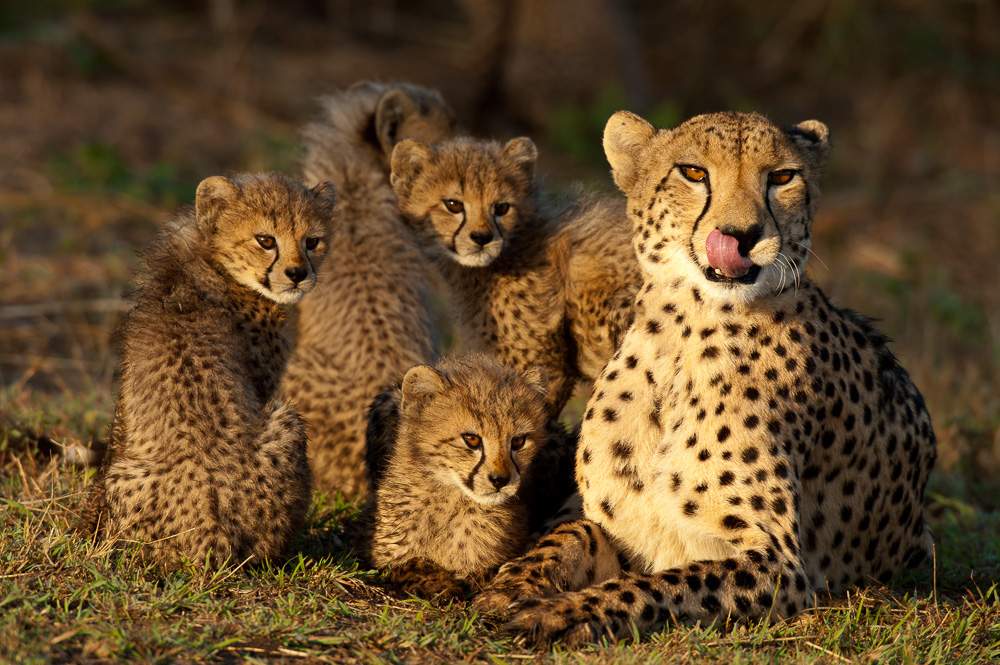
> Expert Insight: The dry season is the prime time for observing predator-prey dynamics. With prey animals tethered to the few remaining water sources, predators don't have to search far for a meal. Lions, leopards, and hyenas often stake out these locations, leading to tense standoffs and thrilling hunts, particularly during the early morning and late afternoon. For a deeper understanding of these behaviors, explore our knowledge center.
Done Reading? Let's Build Your Safari.
Skip the guesswork. Work with an advisor who has been on the ground across East and Southern Africa.
Plan With UsPrime Conditions for Safari Photography
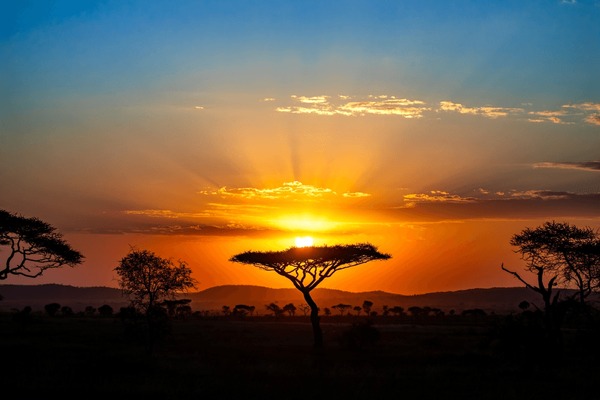
For photographers, the dry season offers a perfect storm of favorable conditions. The air is generally clear of dust and haze, resulting in crisp, vibrant images. The sunlight, particularly during the "golden hours" of sunrise and sunset, casts a warm, soft glow across the savanna, creating breathtaking photographic opportunities.
The vegetation also plays a crucial role. With leaves having fallen from many trees and grasses grazed down, the bush is far less dense. This provides clearer lines of sight, making it easier to spot, track, and photograph animals. You are less likely to have a perfectly framed shot of a leopard obscured by a thicket of leaves. The earthy, muted tones of the dry landscape—golden grasses and deep blue skies—also make the colors of the animals themselves stand out in stunning contrast.
> Traveler's Tip: To make the most of the photographic opportunities, consider investing in or renting a good telephoto lens (300mm or more). This will allow you to capture intimate, frame-filling shots of wildlife without disturbing their natural behavior. Our safari operators can recommend safari operators who specialize in photographic trips.
Seamless Travel and Enhanced Accessibility
Logistics are a critical, though often overlooked, aspect of a successful safari. The dry season provides significant advantages here. Dirt and gravel tracks within the national parks are dry, firm, and easily navigable. This minimizes the risk of vehicles getting stuck in mud—a common occurrence during the wet season that can lead to long delays and missed game viewing opportunities.
This reliability allows for more efficient and extensive exploration of the parks. Game drives can cover more ground, and transfers between lodges or airstrips are generally smoother and faster. For travelers on a tight schedule, this efficiency is invaluable, ensuring you maximize every moment on your safari adventure. It also opens up access to more remote areas that might be completely inaccessible during the rains. To see how logistics can impact your budget, use our cost calculator.
Cooler, More Comfortable Temperatures
While it may seem counterintuitive, the dry season in many parts of Africa brings cooler and more pleasant temperatures, especially during the early mornings and late afternoons when game drives typically occur. The lack of humidity makes for a more comfortable experience, both in the vehicle and back at the lodge. The evenings can be refreshingly cool, perfect for enjoying a drink around the campfire under a star-filled sky. This contrasts with the wet season, which can be hot and humid, sometimes making midday activities uncomfortable.
Combining a Safari with Other Activities
The dry season is also the ideal time to combine your safari with other activities. For example, if you're visiting Victoria Falls in Zimbabwe or Zambia, the dry season means less spray and clearer views of the falls. It's also the best time for activities like white-water rafting on the Zambezi River. In destinations like Cape Town, the dry season (which corresponds to their summer) is perfect for exploring the city, its beaches, and the surrounding winelands. This makes for a more diverse and rewarding overall holiday. For personalized advice on combining destinations, we invite you to plan your safari with us.
Understanding Regional Dry Season Variations
It is crucial to understand that the "dry season" is not a monolithic concept across Africa. The timing varies significantly by region, which is a key reason to consult with an expert when planning your trip. An experienced advisor can help you align your travel dates with the peak dry season for your chosen destination.
Here is a general guide to the primary dry seasons in Africa’s major safari regions:
| Region | Primary Dry Season | Key Parks & Reserves | |-----------------|--------------------|---------------------------------------------------------| | East Africa | June to October | Serengeti (Tanzania), Masai Mara (Kenya), Ngorongoro Crater | | Southern Africa | May to October | Okavango Delta (Botswana), Hwange (Zimbabwe), South Luangwa (Zambia) | | South Africa | May to September | Kruger National Park, Sabi Sand Reserve, Madikwe Game Reserve |
This regional variation allows for excellent safari opportunities throughout much of the year. For instance, while East Africa enters its rainy season from March to May, it is a fantastic time to visit South Africa. For personalized advice on where to go and when, we invite you to plan your safari with us.
Need Expert Safari Guidance?
Get expert advisory support from a firm founded by a former safari guide — with real operational knowledge across 9 African countries and full-journey accountability.
Related Planning Guides
Recommended Reading
 Season & Timing Guides
Dry Season Safari Disadvantages
Understand the potential disadvantages of a dry season safari, from higher prices and more crowds to a less vibrant landscape.
 Season & Timing Guides
Green Season Safari Advantages
Discover the many advantages of a Green Season safari, from lush landscapes and newborn animals to lower prices and fewer crowds.
 Season & Timing Guides
Shoulder Season Safari Advantages
Discover the benefits of traveling during the shoulder season, from lower prices and fewer crowds to a great mix of weather and wildlife viewing.
 Safari Comparison Articles
Rainy Season Safari vs Dry Season Safari
An in-depth comparison of Rainy Season Safari vs Dry Season Safari to help you choose the perfect safari experience. Explore the pros, cons, and key differences
 Safari Cost Guides
Safari Cost Comparison Dry Season vs Green Season
Learn about safari cost comparison dry season vs green season in this comprehensive safari guide covering key insights and practical advice.
 Safari Comparison Articles
Dry Season vs Green Season Safari Comparison
Learn about dry season vs green season safari comparison in this comprehensive safari guide covering key insights and practical advice.