
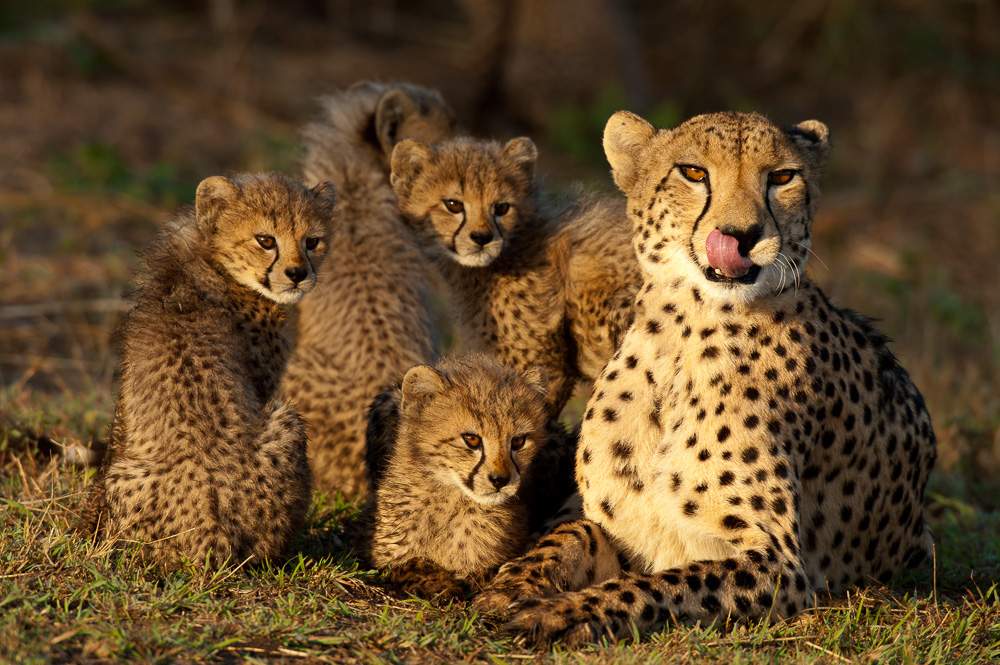
Learn about dry season vs green season safari comparison in this comprehensive safari guide covering key insights and practical advice.
Overview
When comparing safari options, dry season vs green season safari comparison is a question that many travelers wrestle with during the planning process. Each option offers distinct advantages, and the best choice depends on your priorities, travel style, and what you hope to experience. This detailed comparison examines the key differences to help you make an informed decision.
Detailed Analysis
Diving deeper into dry season vs green season safari comparison, it becomes clear that research and preparation pay significant dividends. The difference between a well-planned safari and a hastily arranged one often comes down to understanding the details that matter most. Our knowledge center provides comprehensive coverage of these topics, helping you build the foundation of knowledge needed for confident decision-making.
Still researching? Let us help.
Our advisory team has planned safaris across 9 African countries. We can turn your research into a real plan.
Talk to an AdvisorPractical Guidance
From a practical standpoint, dry season vs green season safari comparison requires attention to both the big picture and the fine details. Start by establishing your priorities and non-negotiables: what experiences are most important to you? What's your realistic budget range? Are there specific wildlife encounters or landscapes you're determined to see? Once you've clarified these fundamentals, use our cost calculator to model different scenarios and our operator directory to identify companies that specialize in your preferred type of experience.
Expert Insights
Leading safari guides and travel professionals agree that dry season vs green season safari comparison is an area where knowledge creates meaningful advantages. As the industry evolves and traveler expectations shift, staying informed helps you identify genuine value and avoid common pitfalls. Browse our operator directory to connect with companies that demonstrate transparency, quality, and commitment to responsible tourism.
Planning Your Next Steps
As you continue planning your African safari, keep the insights from dry season vs green season safari comparison in mind as valuable reference points. The more thoroughly you understand the various dimensions of safari travel, the better positioned you'll be to create an experience that exceeds your expectations. Explore our destinations, browse the knowledge center, and connect with our safari operators to take the next confident step in your journey.
_This content is designed to be appended to the existing article, adding depth and practical insights for travelers weighing their options between a dry season and green season safari._
Done Reading? Let's Build Your Safari.
Skip the guesswork. Work with an advisor who has been on the ground across East and Southern Africa.
Plan With UsA Deeper Dive: Wildlife Behavior and Viewing Dynamics
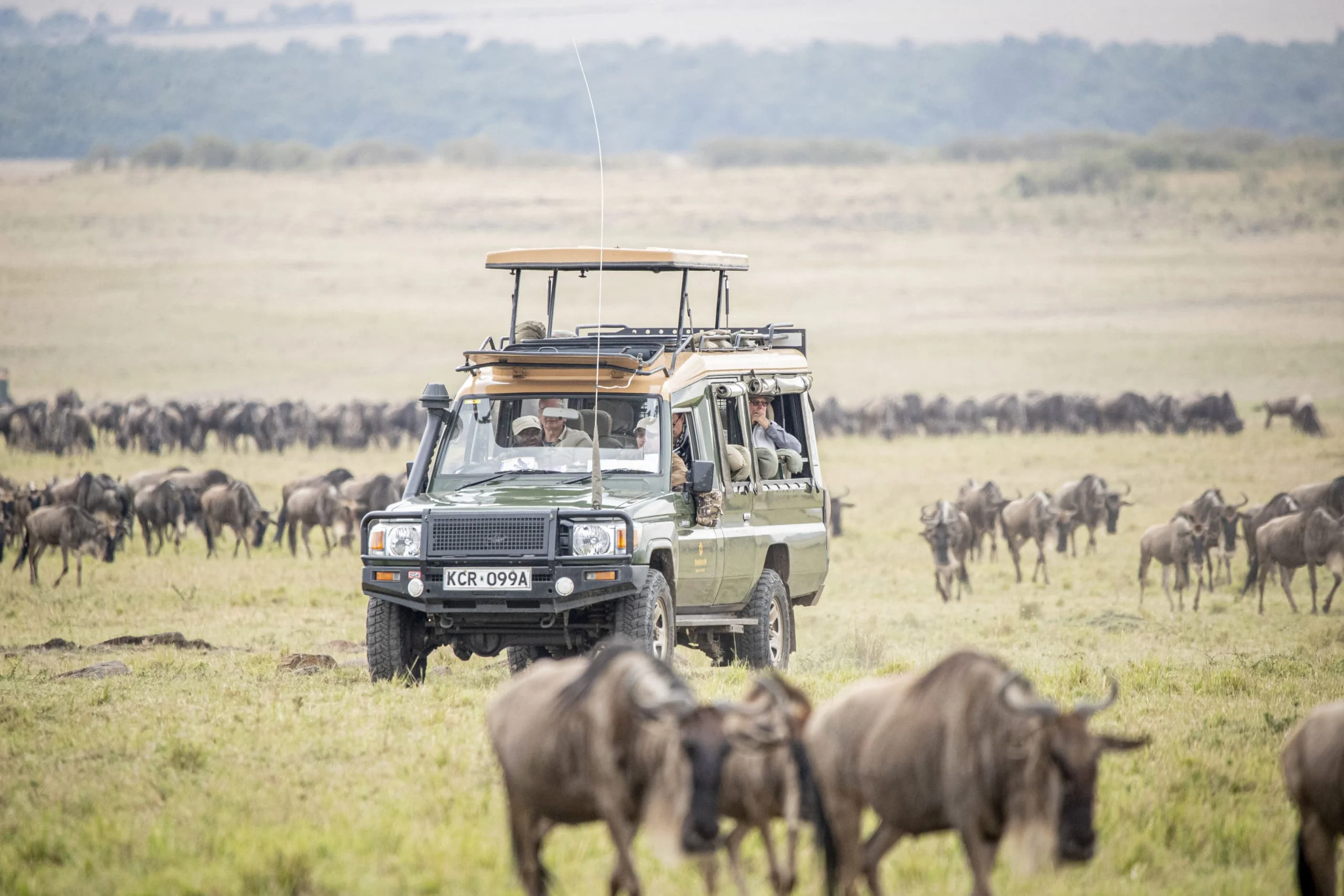
While the dry season is often lauded for easier game viewing, the reality is far more nuanced. Understanding the behavioral shifts of wildlife between these periods is key to appreciating the unique opportunities each season presents. In the dry season, as water sources become scarce, animals are forced to congregate around remaining rivers and waterholes. This creates predictable hotspots for wildlife encounters. For instance, in Botswana's Chobe National Park, the Chobe Riverfront becomes a theater of survival, with massive herds of elephants and buffalo gathering, attracting predators like lions and hyenas. This concentration makes for dramatic and frequent sightings.
Conversely, the green season disperses wildlife across the landscape, as plentiful water and fresh grazing allow animals to roam freely. While this can make them harder to find, the reward is seeing a landscape teeming with life in its most vibrant state. This is the time of birth for many species. In the Serengeti, the green season (particularly January to March) hosts the incredible wildebeest calving, where hundreds of thousands of calves are born within a few weeks. This spectacle of new life is a powerful draw, and it also brings a surge in predator action, offering a different kind of safari drama.
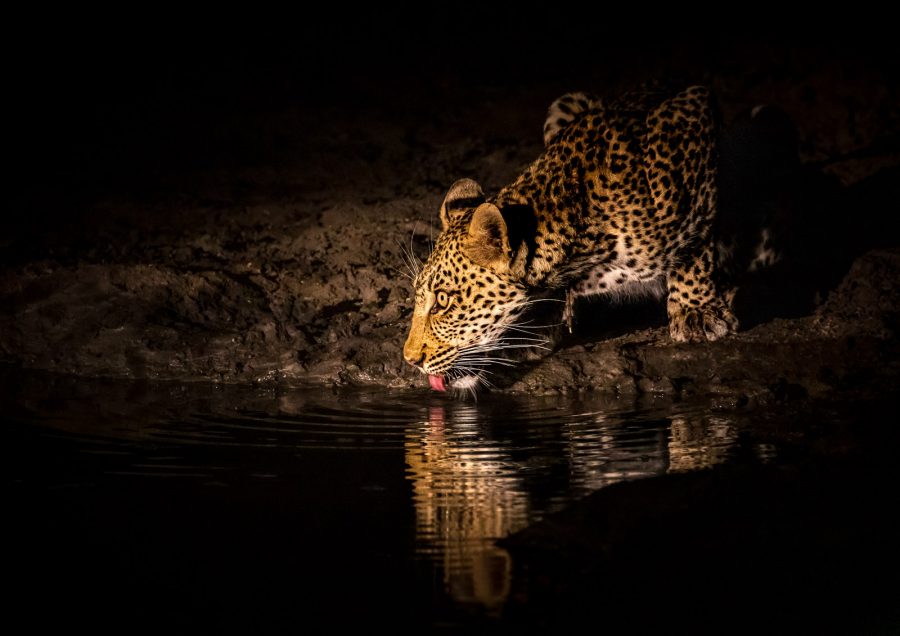
> Expert Insight: Don’t discount the green season for predator sightings. While prey is dispersed, predators like leopards and cheetahs use the dense foliage for cover, allowing for incredible stalking and ambush sightings. It requires more patience and a skilled guide, but the payoff can be a truly wild and intimate encounter.
The Photographer's Dilemma: Light, Dust, and Color
For safari photographers, the choice between seasons is a significant one, as the quality of light and the environment itself changes dramatically. The dry season is characterized by a soft, golden light, especially during the morning and late afternoon. The dust kicked up by herds creates a hazy, atmospheric effect that can lead to stunning, almost ethereal images. The lack of foliage also means clearer shots of animals.
However, the green season offers a different palette. The landscape is a vibrant emerald green, and the air is clear of dust, leading to crisp, high-contrast images. The dramatic afternoon thunderstorms create moody skies and spectacular cloud formations that serve as a powerful backdrop. It’s also the best time for bird photography, as migratory birds are present in their colorful breeding plumage.
| Feature | Dry Season Photography | Green Season Photography | | :--- | :--- | :--- | | Light | Soft, golden, atmospheric | Crisp, clear, high-contrast | | Landscape | Earthy tones, open plains | Vibrant greens, lush foliage | | Sky | Often clear or hazy | Dramatic clouds, deep blue skies | | Subjects | Concentrated wildlife at waterholes | Newborn animals, vibrant birds | | Challenges | Harsh midday light, dust | Animals hidden in foliage, rain |
> Traveler's Tip: If photography is your main goal, consider a "shoulder season" safari—the period between the peak dry and wet seasons. You can often get the best of both worlds: manageable crowds, good weather, and a mix of dramatic skies and accessible wildlife.
Cost and Crowds: The Economics of Seasonality
The time of year you travel has a direct and significant impact on both the cost of your safari and the number of other travelers you'll encounter. The dry season, particularly from July to September, is considered the peak safari season in most of East and Southern Africa. High demand for lodges and tours drives prices up, and popular parks like the Maasai Mara in Kenya or the Ngorongoro Crater in Tanzania can feel crowded. While the wildlife viewing is exceptional, you may be sharing your sightings with several other vehicles.
In contrast, the green season is the low season for tourism. With fewer travelers, you can often find significant discounts on accommodation and tours—sometimes as much as 30-40% lower than peak season rates. This can make a luxury safari experience more accessible or allow you to extend the length of your trip. The feeling of exclusivity is also a major draw. It’s not uncommon to have vast stretches of the wilderness all to yourself, making for a more personal and immersive experience.
> Traveler's Tip: If you're on a budget but still want a prime wildlife experience, consider the "shoulder seasons" of April-May and November-December. You'll find lower prices and fewer crowds, but the weather is still generally favorable for safari activities. For more detailed cost planning, our safari cost calculator can be a valuable tool.
Practical Considerations for Your Safari Wardrobe
Packing for a safari requires careful thought, and your clothing choices will differ between the dry and green seasons. During the dry season, days are typically warm and sunny, but nights and early mornings can be surprisingly cold. Layering is essential. Pack lightweight, neutral-colored clothing (khaki, beige, olive green) for the day, but also include a warm fleece or jacket for those chilly game drives. The dust is a constant, so be prepared for your clothes to get dirty.
The green season brings warmer, more humid conditions. Lightweight, breathable fabrics are a must. While you'll still want long sleeves and trousers for protection against insects, you'll want to ensure they are made of quick-drying material. A waterproof jacket is non-negotiable, as afternoon showers are common. Don't forget insect repellent, as mosquitoes and other insects are more prevalent during this time.
| Item | Dry Season | Green Season | | :--- | :--- | :--- | | Jacket | Warm fleece or insulated jacket | Lightweight, waterproof rain jacket | | Trousers | Sturdy cotton or canvas | Quick-drying, breathable fabric | | Footwear | Closed-toe shoes or hiking boots | Waterproof boots or shoes | | Extras | Hat, sunglasses, sunscreen, lip balm | Insect repellent, waterproof bag for electronics |
No matter which season you choose, the key to a successful safari is preparation and a clear understanding of what to expect. By aligning your travel dates with your personal priorities—be it wildlife density, budget, or a desire for solitude—you can design an unforgettable African adventure. To start turning these ideas into a concrete plan, plan your safari with the help of our expert advisors.
Need Expert Safari Guidance?
Get expert advisory support from a firm founded by a former safari guide — with real operational knowledge across 9 African countries and full-journey accountability.
Related Planning Guides
Recommended Reading
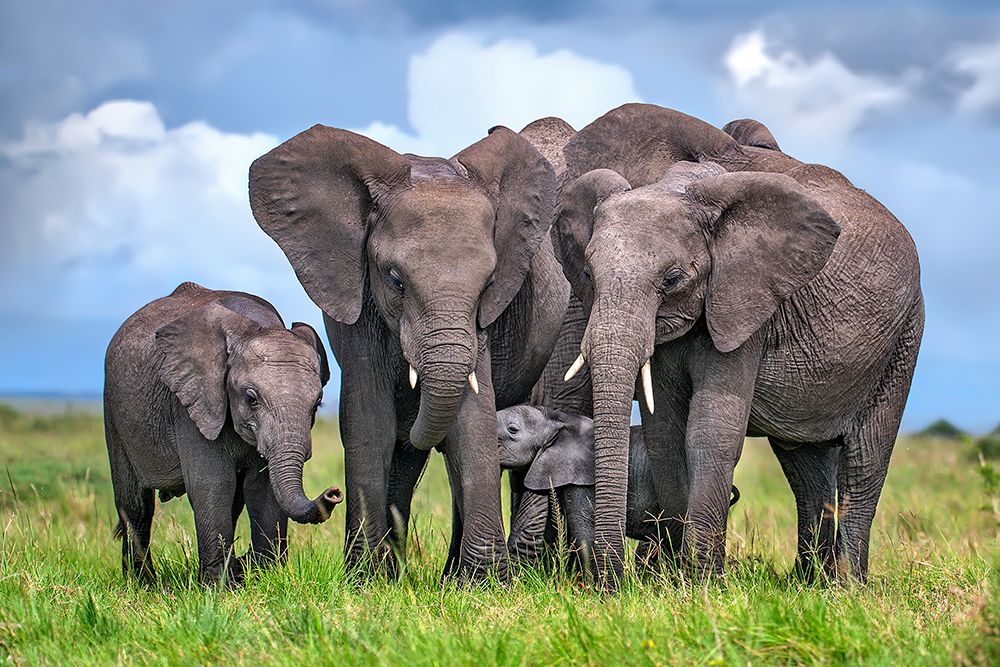 Safari Cost Guides
Safari Cost Comparison Dry Season vs Green Season
Learn about safari cost comparison dry season vs green season in this comprehensive safari guide covering key insights and practical advice.
 Safari Comparison Articles
Rainy Season Safari vs Dry Season Safari
An in-depth comparison of Rainy Season Safari vs Dry Season Safari to help you choose the perfect safari experience. Explore the pros, cons, and key differences
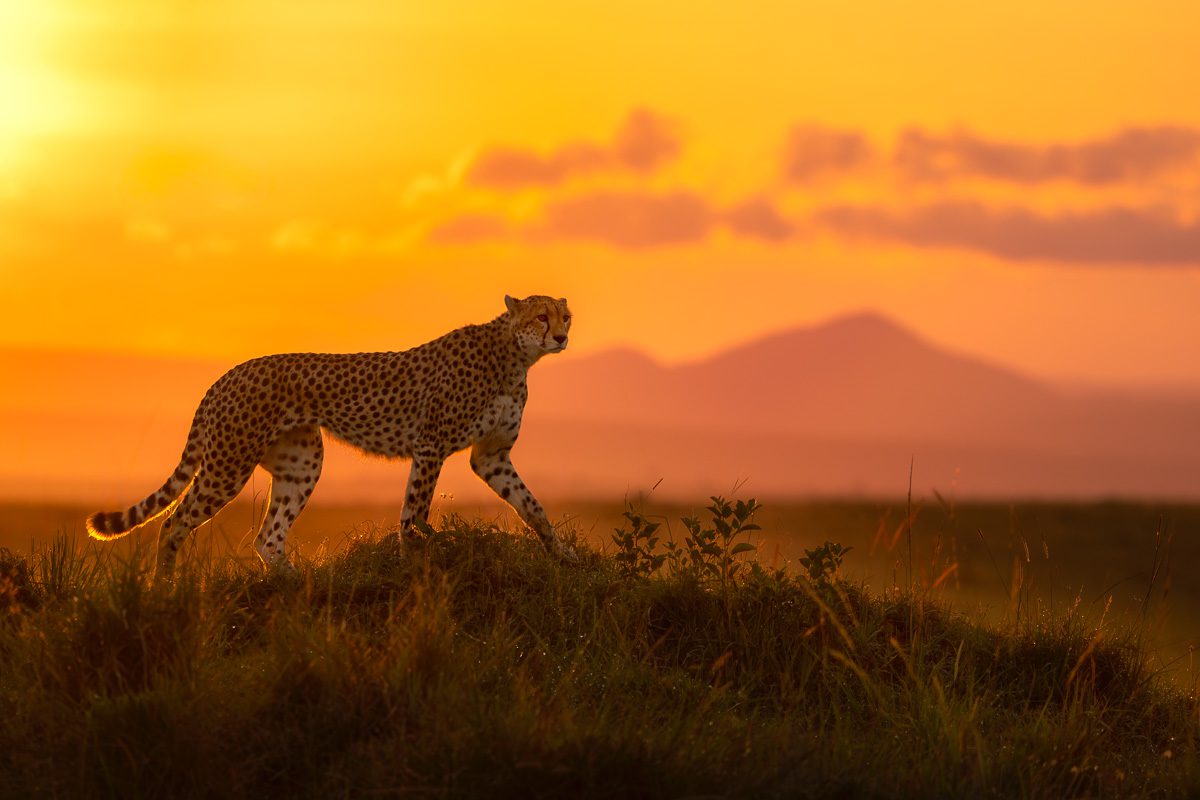 Safari Planning Guides
How to Plan a Safari During the Green Season
Discover how to plan your dream safari with our expert guide on How to Plan a Safari During the Green Season. Get tips on destinations, costs, and more.
 Safari Cost Guides
Safari Cost Comparison Peak vs Shoulder Season
Learn about safari cost comparison peak vs shoulder season in this comprehensive safari guide covering key insights and practical advice.
 Season & Timing Guides
Green Season Safari Advantages
Discover the many advantages of a Green Season safari, from lush landscapes and newborn animals to lower prices and fewer crowds.
 Season & Timing Guides
Green Season Safari Disadvantages
Learn about green season safari disadvantages in this comprehensive safari guide.