
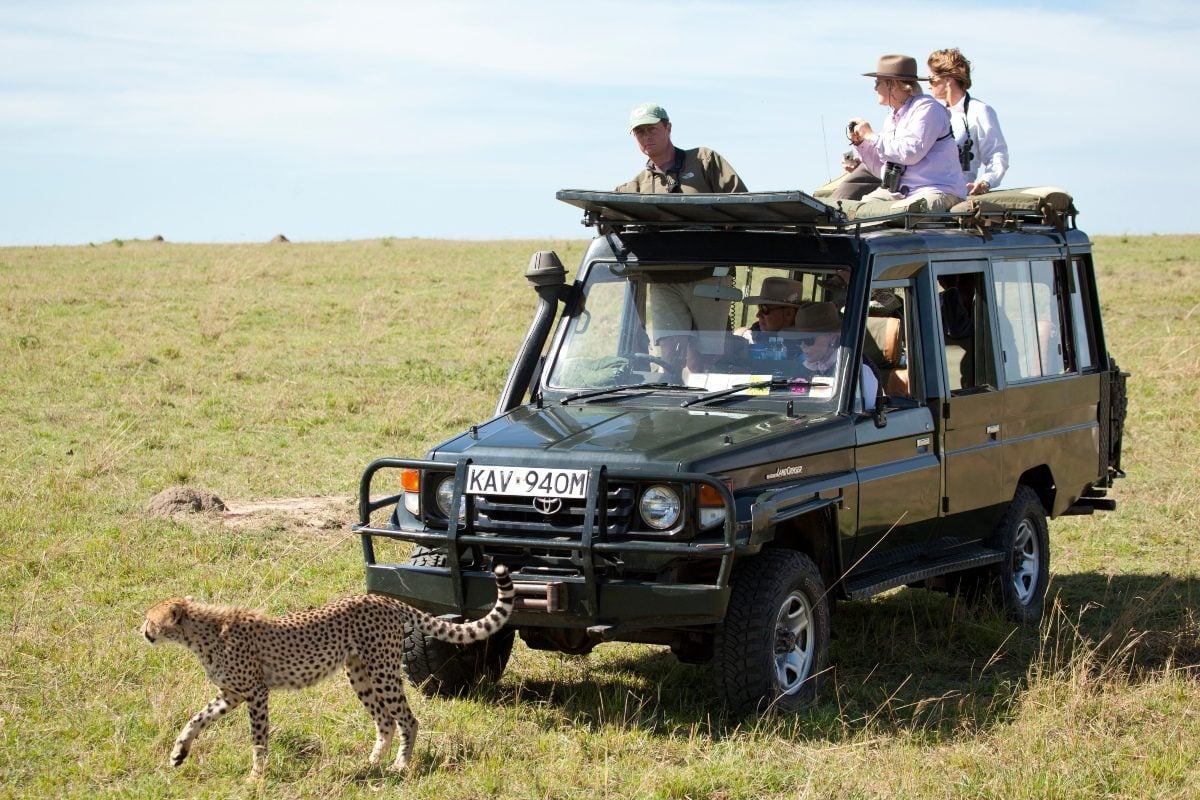
A comprehensive guide to Critically Endangered Species of Africa. Learn about its habitat, behavior, diet, and conservation status.
Critically Endangered Species of Africa
Africa offers some of the most incredible wildlife experiences on Earth, and getting critically endangered species of africa right is essential to making the most of your journey. Here is what experienced safari guides and advisors recommend.
Understanding the Fundamentals: Critically Endangered Species of Africa
The foundation of critically endangered species of africa begins with understanding the basic principles. Safari environments across Africa present unique conditions that differ significantly from what most travelers are accustomed to. In East Africa, the vast savannas of Kenya and Tanzania create one set of considerations, while the dense forests of Uganda and Rwanda present entirely different challenges. Southern African destinations like Botswana and South Africa add yet another dimension.
Experienced safari operators emphasize that preparation is the single most important factor in critically endangered species of africa. This means doing your research well in advance, consulting with knowledgeable advisors, and being willing to adapt your plans based on current conditions. The best safari experiences come from travelers who approach their journey with both enthusiasm and informed flexibility.
Still researching? Let us help.
Our advisory team has planned safaris across 9 African countries. We can turn your research into a real plan.
Talk to an AdvisorExpert Recommendations: Critically Endangered Species of Africa
Working with a qualified safari planning guide can significantly improve your experience with critically endangered species of africa. Advisors who have personal experience in your chosen destinations can provide insights that no guidebook or website can match. They understand the subtle differences between properties, the best times to visit specific areas, and how to structure an itinerary that maximizes your time.
Safari advisors consistently recommend starting your planning process at least six to twelve months before your intended travel dates. This lead time allows you to secure preferred accommodations, take advantage of early booking rates, and properly prepare for all aspects of critically endangered species of africa.
Making the Most of Your Experience: Critically Endangered Species of Africa
To truly optimize critically endangered species of africa, approach your safari with an open mind and realistic expectations. Africa has a way of surprising even the most experienced travelers, and some of the best moments come from unexpected encounters and unplanned detours.
Photography enthusiasts should pay special attention to critically endangered species of africa as it relates to their equipment and technique. The lighting conditions, distances, and movement patterns of African wildlife create unique challenges and opportunities that benefit from advance preparation.
Finally, remember that a safari is more than just wildlife viewing. The cultural experiences, landscapes, and personal connections you make along the way are equally valuable. Approaching critically endangered species of africa with this broader perspective will enrich your entire journey.
Common Mistakes to Avoid
Another common error is relying solely on online reviews without consulting experienced professionals. While traveler reviews provide valuable perspectives, they often lack the context and expertise that a qualified safari planning guide can offer. The best approach combines both sources of information.
One of the most frequent mistakes travelers make with critically endangered species of africa is waiting too long to start planning. Popular safari destinations and lodges book up months in advance, especially during peak season. Last-minute planning often results in limited options and higher costs.
Done Reading? Let's Build Your Safari.
Skip the guesswork. Work with an advisor who has been on the ground across East and Southern Africa.
Plan With UsSafety and Health Considerations
Safety is paramount when it comes to critically endangered species of africa on safari. Reputable operators maintain strict safety protocols and employ experienced guides who are trained to handle a wide range of situations. Always verify that your chosen operator has proper licensing, insurance, and safety certifications.
Health preparation is an essential component of critically endangered species of africa. Consult with a travel medicine specialist at least six weeks before your departure to discuss vaccinations, malaria prophylaxis, and other health precautions specific to your destinations.
Related Resources
For more information on planning your safari, explore our destination guides, browse the safari operator directory, or connect with an experienced safari planning guide for personalized guidance.
The Black Rhino: A Story of Resilience and Ongoing Threats
Once widespread across sub-Saharan Africa, the black rhino (Diceros bicornis) is now a critically endangered species, a stark reminder of the devastating impact of poaching. In the 20th century, the black rhino population plummeted by over 95%, primarily due to the demand for its horn in traditional medicine and as a status symbol. However, thanks to intensive conservation efforts, their numbers are slowly recovering.
Today, black rhinos are found in heavily protected areas in countries like Namibia, Kenya, South Africa, and Zimbabwe. These sanctuaries, often a combination of national parks and private conservancies, are at the forefront of the battle to save this magnificent creature.
> Expert Insight: When planning a safari to see black rhinos, consider visiting a private conservancy. These areas often have lower vehicle density, offering a more intimate and exclusive wildlife viewing experience. Furthermore, many conservancies are directly involved in rhino monitoring and anti-poaching patrols, meaning your tourism dollars directly contribute to their protection.
For a high chance of seeing black rhinos, consider a visit to Ol Pejeta Conservancy in Kenya, which is the largest black rhino sanctuary in East Africa. In South Africa, Hluhluwe-iMfolozi Park is another stronghold for the species. To understand the costs associated with such a trip, you can use our cost calculator.
The Cross River Gorilla: Africa's Rarest Primate
The Cross River gorilla (Gorilla gorilla diehli) is the most endangered gorilla subspecies, with an estimated population of fewer than 300 individuals. These gorillas inhabit a small, forested region along the border of Nigeria and Cameroon. Their extreme shyness and the ruggedness of their habitat make them incredibly difficult to see in the wild.
The primary threats to the Cross River gorilla are habitat loss due to agriculture and logging, as well as hunting. Conservation efforts are focused on working with local communities to protect the gorilla's remaining habitat and reduce human-wildlife conflict. This includes initiatives to promote sustainable livelihoods and provide conservation education.
While trekking to see Cross River gorillas is not a mainstream tourist activity due to their critically low numbers and remote habitat, your safari choices can still make a difference. By supporting operators who are committed to conservation and community development, you are helping to create a positive environment for the protection of all of Africa's wildlife, including its most vulnerable species. For more information on ethical tourism, visit our knowledge center.
How Your Safari Can Support Conservation
As a traveler, you hold significant power to influence the future of Africa's endangered species. The choices you make when planning your safari can either contribute to the problem or be a powerful force for good. Here are some practical ways to ensure your trip has a positive impact:
- Choose Ethical Operators: Select safari companies that have a proven commitment to conservation. Look for operators who are transparent about their conservation policies, support local communities, and adhere to responsible wildlife viewing guidelines. Our safari operators can help you identify and vet operators who meet these criteria.
- Visit Protected Areas: National parks, game reserves, and conservancies are the cornerstones of wildlife conservation in Africa. Your park fees and accommodation costs provide essential funding for anti-poaching patrols, habitat management, and research.
- Support Community-Based Conservation: Many successful conservation initiatives are led by local communities. By visiting community-owned lodges or participating in cultural tours that support local development, you are empowering the people who live alongside wildlife to become its protectors.
- Traveler's Tip: Before booking your safari, ask your tour operator or one of our safari operators about their specific conservation and community initiatives. A reputable company will be proud to share this information with you.
By making conscious and informed decisions, your safari can be more than just a vacation; it can be a meaningful investment in the future of Africa's incredible biodiversity. To start planning your conservation-focused safari, plan your safari with us today.
Need Expert Safari Guidance?
Get expert advisory support from a firm founded by a former safari guide — with real operational knowledge across 9 African countries and full-journey accountability.
Related Planning Guides
Explore Related Topics
Recommended Reading
 Wildlife Guides
Endangered Species of Africa
A comprehensive guide to Endangered Species of Africa. Learn about its habitat, behavior, diet, and conservation status.
 Wildlife Guides
Complete Guide to Vulture Species of Africa
Learn all about Complete Guide to Vulture Species of Africa in this comprehensive guide. Discover the best time to go, what to see, and how to plan your trip.
 Wildlife Guides
Complete Guide to Hornbill Species of Africa
Learn all about Complete Guide to Hornbill Species of Africa in this comprehensive guide. Discover the best time to go, what to see, and how to plan your trip.
 Safari Safety
Travel Safety in East Africa
Travel safely in East Africa with our expert tips. This guide covers health, urban safety, and wildlife precautions for your safari in Kenya, Tanzania, and beyond.
 Safari Safety
Travel Safety in Southern Africa
Learn how to travel safely in Southern Africa with our expert guide. Get practical tips on urban safety, safari precautions, and health preparations for your trip.
 Country Guides
Complete Safari Guide to South Africa
Your complete guide to Complete Safari Guide to South Africa. Find the best destinations, planning tips, and more for your next safari adventure.