
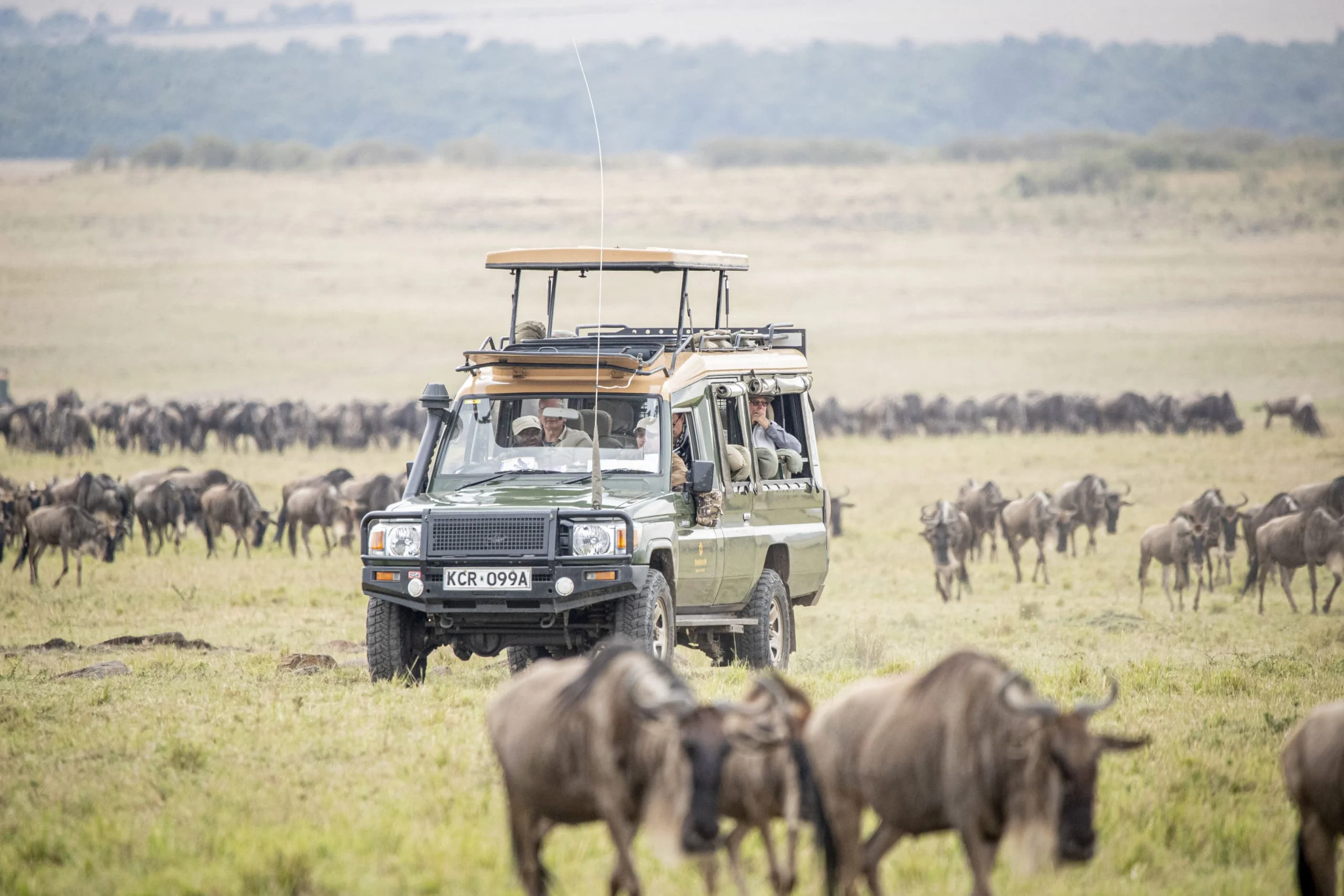
Learn about safari cost comparison peak vs shoulder season in this comprehensive safari guide covering key insights and practical advice.
Overview
Understanding the financial aspects of safari cost comparison peak vs shoulder season is essential for planning a safari that delivers exceptional value. Safari costs vary significantly based on destination, season, accommodation level, and the specific activities included. This guide breaks down the key cost factors and provides practical budgeting advice to help you plan wisely.
Detailed Analysis
A thorough analysis of safari cost comparison peak vs shoulder season reveals nuances that many travelers overlook during initial planning. The safari industry encompasses a wide range of options, from budget-friendly camping safaris to ultra-luxury private conservancy experiences. Each tier offers its own set of advantages and trade-offs. Working with experienced safari operators can help you navigate these options and find the sweet spot that matches your expectations and budget.
Still researching? Let us help.
Our advisory team has planned safaris across 9 African countries. We can turn your research into a real plan.
Talk to an AdvisorPractical Guidance
Putting your understanding of safari cost comparison peak vs shoulder season into practice means taking concrete, well-sequenced steps. Begin with thorough research using reliable sources, then compare multiple options before committing. Don't rush the decision-making process, as the best safari experiences are built on careful preparation and realistic expectations. Our team of safari operators can review your plans and offer suggestions based on years of experience in African travel.
Expert Insights
Industry professionals and experienced safari travelers consistently emphasize the importance of understanding safari cost comparison peak vs shoulder season before committing to a specific plan. The consensus among experts is that informed travelers not only have better experiences but also make more sustainable choices that benefit the destinations they visit. Our safari operators embody this philosophy, providing personalized guidance that goes well beyond generic travel advice.
Planning Your Next Steps
Whether you're in the early dreaming stages or actively finalizing your safari plans, the knowledge gained from understanding safari cost comparison peak vs shoulder season contributes to a more rewarding and stress-free experience. Use the resources available on Safari Intelligence, including our cost calculator, operator directory, and destination library, to build confidence in every planning decision you make.
Done Reading? Let's Build Your Safari.
Skip the guesswork. Work with an advisor who has been on the ground across East and Southern Africa.
Plan With UsA Deeper Look at Peak Season Pricing
While pleasant weather is a primary driver, peak season rates are also a direct reflection of supply and demand for specific, world-class wildlife events. The most famous of these is the Great Migration's dramatic river crossings in the Serengeti (Tanzania) and Maasai Mara (Kenya), which typically occur from July to September. During this window, demand for lodges in the northern Serengeti and the Mara skyrockets, and operators price their accommodations and services accordingly. A lodge that might charge $600 per person per night in May could easily command $1,000 or more for the exact same room in August.
Similarly, peak season in destinations like Botswana's Okavango Delta aligns with the annual flooding, which concentrates wildlife on islands, making for exceptional game viewing. In Rwanda and Uganda, the dry months of June to September are ideal for gorilla trekking, as trails are less slippery. This high demand allows lodges and permit-issuing authorities to charge premium rates.
> Expert Insight: Peak season isn't just about higher costs; it's also about booking availability. Prime lodges, especially those with limited rooms and strategic locations for events like the Great Migration, are often fully booked 12 to 18 months in advance. If your heart is set on a peak season safari, early planning is not just recommended—it's essential. Consult our safari operators to secure the best locations ahead of time.
The Hidden Advantages of Shoulder Season
Traveling during the shoulder season is about more than just saving money; it offers a different, often more intimate, safari experience. With fewer vehicles out on game drives, you can enjoy more exclusive wildlife sightings without jostling for position. The landscapes, particularly after the rains, are often lush, green, and free of the dust that can characterize the dry peak months, providing a stunning backdrop for photography.
Furthermore, the shoulder seasons often coincide with unique animal behaviors. For example, the "green season" in the Southern Serengeti and Ndutu region of Tanzania (typically January to March) is calving season for the wildebeest. This is a phenomenal time to witness tens of thousands of calves being born, and the resulting predator action is intense. For bird enthusiasts, the shoulder seasons are a paradise, as migratory birds are present in vast numbers.
Country-Specific Shoulder Season Opportunities:
- Tanzania (November - March): Witness the start of the Great Migration's journey and the calving season in the south. You'll find lower prices and greener scenery before the long rains begin in April.
- Kenya (April - June): While the long rains can be a factor, this period sees dramatically fewer visitors in the Maasai Mara. It's a fantastic time for photographers who love dramatic skies and for those seeking a quieter experience.
- Botswana (April - May): As the Okavango Delta begins to flood but before the peak season rush, you can find excellent value. The landscape is vibrant, and wildlife is abundant.
Case Study: The Serengeti Peak vs. Shoulder Season
To illustrate the difference, let's compare two hypothetical 7-day safaris to Tanzania's Serengeti ecosystem, both for a couple seeking a high-quality, mid-range experience.
Couple A: Peak Season Safari in August This couple wants to see the dramatic Mara River crossings. They stay in a mobile camp in the northern Serengeti to be close to the action. Their itinerary is thrilling, and they witness several crossings. However, they share these sightings with numerous other vehicles, and their total cost for the 7-day trip, including park fees, lodging, and guides, comes to approximately $14,000.
Couple B: Shoulder Season Safari in February This couple travels to the southern Serengeti (Ndutu). They experience the incredible spectacle of the wildebeest calving season, seeing thousands of newborns and the predators that follow. The landscape is green and vibrant. Because they are traveling in the shoulder season, they enjoy a more exclusive experience with fewer crowds. Their total cost for a comparable 7-day safari is approximately $9,500—a saving of over 30%.
This comparison highlights the trade-offs. While Couple A experienced a world-famous event, Couple B enjoyed an equally spectacular, yet different, wildlife phenomenon for significantly less money and with greater exclusivity. Our cost calculator can help you explore these differences further for your own trip.
Making the Right Choice for You
Deciding between peak and shoulder season depends entirely on your priorities. Are you a first-time safari-goer determined to see a specific event like the river crossings? Or are you a seasoned traveler or photographer looking for unique experiences and better value? The table below provides a framework to guide your decision.
| Factor | Peak Season | Shoulder Season | | ----------------------- | --------------------------------------------- | --------------------------------------------------- | | Cost | High | Medium to Low | | Crowd Levels | High | Low to Medium | | Weather | Generally dry and sunny | Can be mixed; short rains possible | | Wildlife Viewing | Excellent, often concentrated near water | Excellent, with unique events like calving | | Photography | Golden light, but can be dusty | Lush green backdrops, dramatic skies, fewer vehicles | | Booking Window | 12-18 months in advance | 6-12 months in advance |
> Traveler's Tip: If your budget and schedule are flexible, consider a "split" trip that bridges the end of a shoulder season and the beginning of peak. For example, traveling to the Serengeti in late June allows you to benefit from slightly lower costs while still having a good chance of catching the early stages of the river crossings. Discuss these nuanced strategies when you plan your safari.
Need Expert Safari Guidance?
Get expert advisory support from a firm founded by a former safari guide — with real operational knowledge across 9 African countries and full-journey accountability.
Related Planning Guides
Recommended Reading
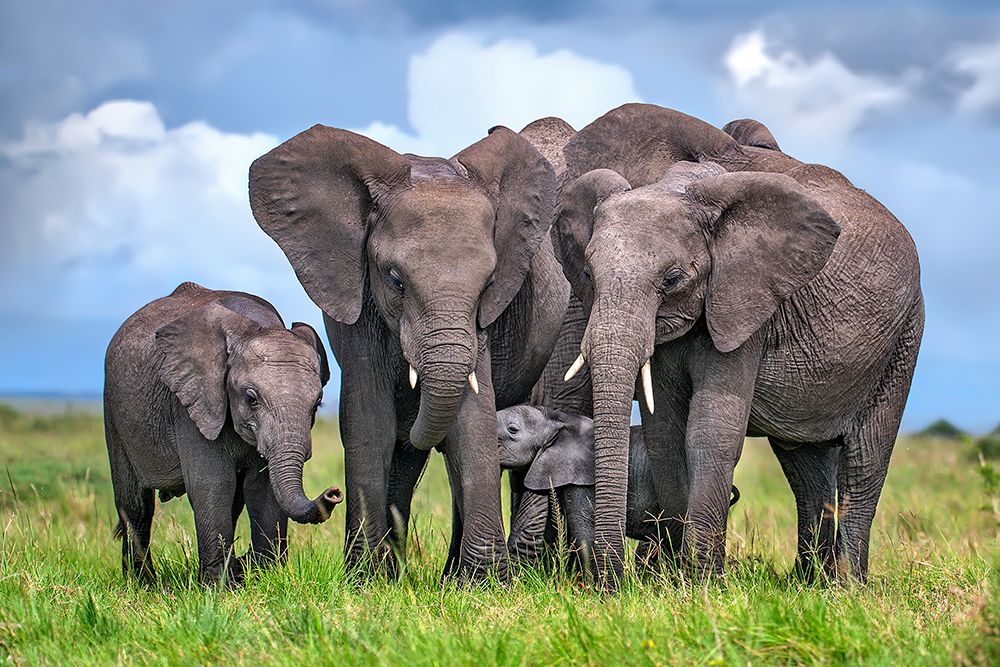 Safari Cost Guides
Safari Cost Comparison Dry Season vs Green Season
Learn about safari cost comparison dry season vs green season in this comprehensive safari guide covering key insights and practical advice.
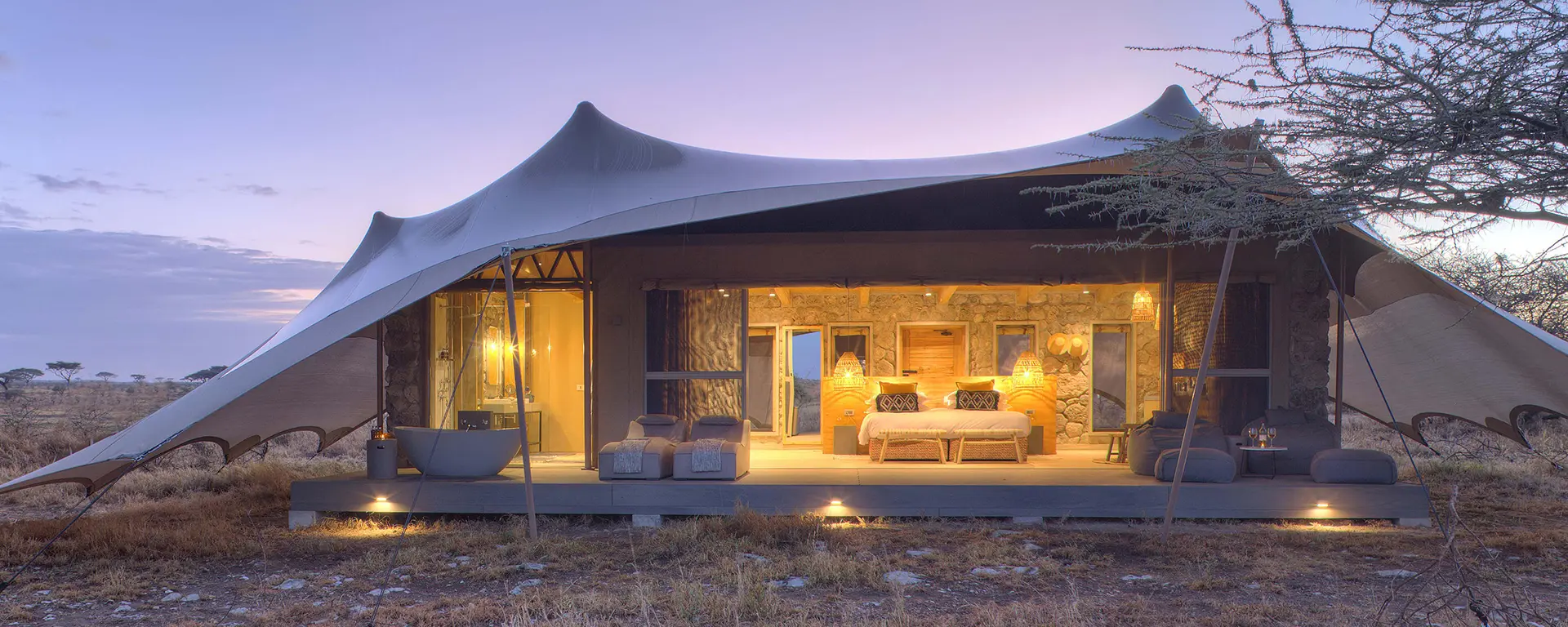 Safari Cost Guides
Safari Lodge Costs by Country Comparison
Planning a safari? Learn about safari lodge costs by country comparison. Get expert advice and insights from Safari Intelligence to plan your perfect trip.
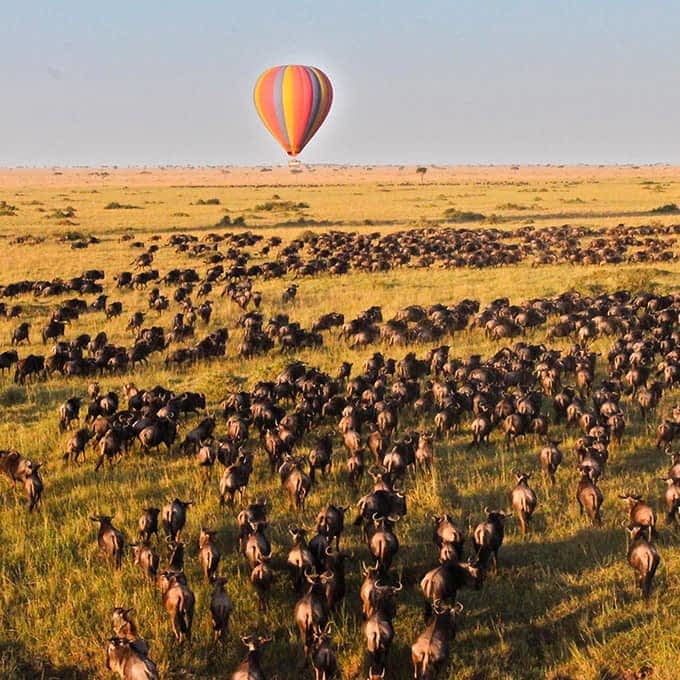 Safari Cost Guides
Safari Camp Costs by Country Comparison
Planning a safari? Learn about safari camp costs by country comparison. Get expert advice and insights from Safari Intelligence to plan your perfect trip.
 Safari Comparison Articles
Dry Season vs Green Season Safari Comparison
Learn about dry season vs green season safari comparison in this comprehensive safari guide covering key insights and practical advice.
 Season & Timing Guides
Shoulder Season Safari Advantages
Discover the benefits of traveling during the shoulder season, from lower prices and fewer crowds to a great mix of weather and wildlife viewing.
 Safari Planning Guides
How to Plan a Safari During Peak Season
Discover how to plan your dream safari with our expert guide on How to Plan a Safari During Peak Season. Get tips on destinations, costs, and more.