
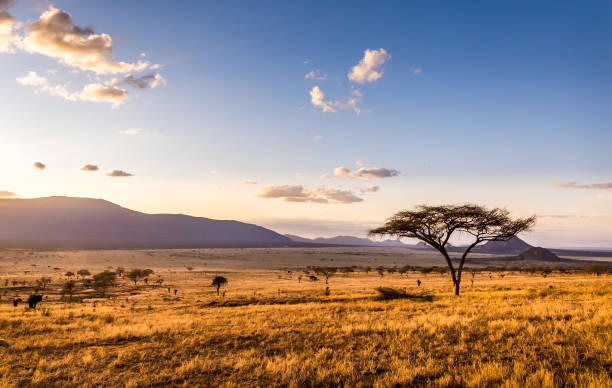
Learn all about Complete Guide to Weaver Bird Nests in this comprehensive guide. Discover the best time to go, what to see, and how to plan your trip.
Introduction to Complete Guide to Weaver Bird Nests
Understanding complete guide to weaver bird nests is essential for anyone planning a safari in Africa. This topic encompasses a range of considerations that can significantly impact your travel experience, from practical logistics to wildlife encounters that create lasting memories.
Key Details and Considerations
Several critical factors influence complete guide to weaver bird nests in the African safari context. Geographic location, time of year, and the specific activities you're interested in all play important roles. The diversity of Africa's safari destinations means that no two experiences are alike, and understanding these nuances helps you plan more effectively. Our destination guides provide detailed information for each region.
Still researching? Let us help.
Our advisory team has planned safaris across 9 African countries. We can turn your research into a real plan.
Talk to an AdvisorPractical Advice
When applying insights about complete guide to weaver bird nests to your safari planning, remember that the best experiences come from thoughtful preparation combined with openness to the unexpected. Africa has a way of surprising even the most seasoned travelers. Use our comprehensive planning resources to build a solid foundation, then trust your guides and the wilderness to deliver moments you'll never forget.
Expert Insights
Industry experts emphasize that complete guide to weaver bird nests continues to evolve as safari tourism grows and adapts to new challenges. Conservation-focused tourism, community engagement, and sustainable practices are increasingly important considerations for discerning travelers. By choosing operators who prioritize these values, you contribute to the long-term preservation of Africa's wild places. Browse our operator directory to find companies committed to responsible tourism.
Planning Your Next Steps
In summary, complete guide to weaver bird nests is a multifaceted topic that rewards careful study and thoughtful planning. Whether you're a first-time safari traveler or a returning enthusiast, staying informed about the latest developments and best practices ensures the best possible experience. Explore our destinations, consult our safari operators, and use our cost calculator to begin planning your African adventure today.
Done Reading? Let's Build Your Safari.
Skip the guesswork. Work with an advisor who has been on the ground across East and Southern Africa.
Plan With UsThe Master Weavers: A Closer Look at Nest Construction
The intricate and meticulously woven nests of weaver birds are a marvel of the natural world. The process begins with the male selecting a suitable branch, often one hanging over water to deter predators. Using his beak and feet, he strips long strands of grass, palm leaves, or reeds. The initial knot, tied with remarkable dexterity, forms the anchor point for the entire structure. From there, the male demonstrates an innate understanding of weaving, looping and knotting the strands together to create a strong, durable, and often waterproof nest. The entire process can take anywhere from a few days to a couple of weeks, with some species building multiple nests in a single breeding season.
> Expert Insight: The direction of the weave is often species-specific. Some weaver species consistently weave in a clockwise direction, while others weave counter-clockwise. This innate behavior is a fascinating example of genetic memory in the animal kingdom.
Not All Nests are Created Equal: A Diversity of Designs
While the classic image of a weaver nest is a kidney-shaped structure with a downward-facing entrance, there is incredible diversity in nest architecture across the more than 100 species of weaver birds. The Sociable Weaver (Philetairus socius) of Southern Africa, for instance, constructs massive, communal nests that can house hundreds of birds. These structures, which can weigh over a ton, are more like apartment complexes than single-family homes, with individual chambers for each breeding pair. In contrast, the Baya Weaver (Ploceus philippinus) of Asia is renowned for its elegant, retort-shaped nests, often suspended in colonies from thorny acacia trees.
Other notable designs include the messy, globular nests of the Village Weaver (Ploceus cucullatus), which are often built in bustling, noisy colonies, and the delicate, cup-shaped nests of the Forest Weaver (Ploceus bicolor), which are typically found in quieter, more secluded forest environments.
The Social Fabric: Colony Dynamics and Behavior
Most weaver species are highly gregarious, living and breeding in colonies that can range from a few pairs to several thousand individuals. This colonial lifestyle offers numerous advantages, including increased protection from predators and more efficient foraging. Within these bustling communities, a complex social hierarchy often exists, with dominant males securing the best nesting sites and mating opportunities. Communication is constant, with a cacophony of calls and displays that regulate social interactions and alert the colony to danger.
> Traveler's Tip: When observing a weaver colony, take a moment to listen to the variety of calls. You may be able to distinguish between alarm calls, courtship songs, and the general chatter of the colony. It’s a truly immersive wildlife experience that you can learn more about in our knowledge center.
Courtship and Competition: The Role of the Nest
For male weaver birds, the nest is not just a home; it is a critical component of courtship and a symbol of his fitness as a potential mate. A well-constructed nest demonstrates the male’s skill, strength, and ability to provide a safe environment for raising young. Once a nest is complete, the male will hang upside down from the entrance, flapping his wings and singing to attract a female. The female will then inspect the nest, and if she approves, she will line it with soft materials like feathers and grass, signaling her acceptance of the male.
Competition for mates is fierce, and a male may build several nests in a single breeding season. If a female rejects a nest, the male will often destroy it and start anew. This relentless cycle of construction, courtship, and sometimes, destruction, is a testament to the powerful evolutionary forces that have shaped the behavior of these remarkable birds.
Threats and Predators: The Dangers a Weaver Colony Faces
Despite their clever nest construction and colonial lifestyle, weaver birds face a variety of threats. Snakes, such as the boomslang and the twig snake, are adept at climbing trees and raiding nests for eggs and chicks. Birds of prey, like the African Harrier-Hawk, have specialized legs and feet that allow them to reach into nests and extract their contents. Even other birds, such as cuckoos, will parasitize weaver nests, laying their eggs in the nest and leaving the unsuspecting weaver parents to raise their young.
Human activities, such as habitat loss and the use of pesticides, also pose a significant threat to weaver bird populations. To learn more about conservation efforts and how you can contribute, visit our safari operators page.
Where to See Weaver Birds in Africa: A Traveler's Guide
Weaver birds are widespread throughout sub-Saharan Africa, and you are likely to encounter them on almost any safari. However, some locations offer particularly spectacular viewing opportunities. The Okavango Delta in Botswana, with its abundance of water and lush vegetation, is an excellent place to see a variety of weaver species. In East Africa, Queen Elizabeth National Park in Uganda and the Masai Mara National Reserve in Kenya are also weaver hotspots.
For those interested in the magnificent communal nests of the Sociable Weaver, a trip to the Kalahari Desert in Namibia or South Africa is a must. These massive structures are a truly unforgettable sight and a highlight of any safari to the region. To start planning your safari and get a customized quote, use our cost calculator or plan your safari with us.
Need Expert Safari Guidance?
Get expert advisory support from a firm founded by a former safari guide — with real operational knowledge across 9 African countries and full-journey accountability.
Related Planning Guides
Explore Related Topics
Recommended Reading
 Wildlife Guides
Complete Guide to Secretary Bird
Learn all about Complete Guide to Secretary Bird in this comprehensive guide. Discover the best time to go, what to see, and how to plan your trip.
 Wildlife Guides
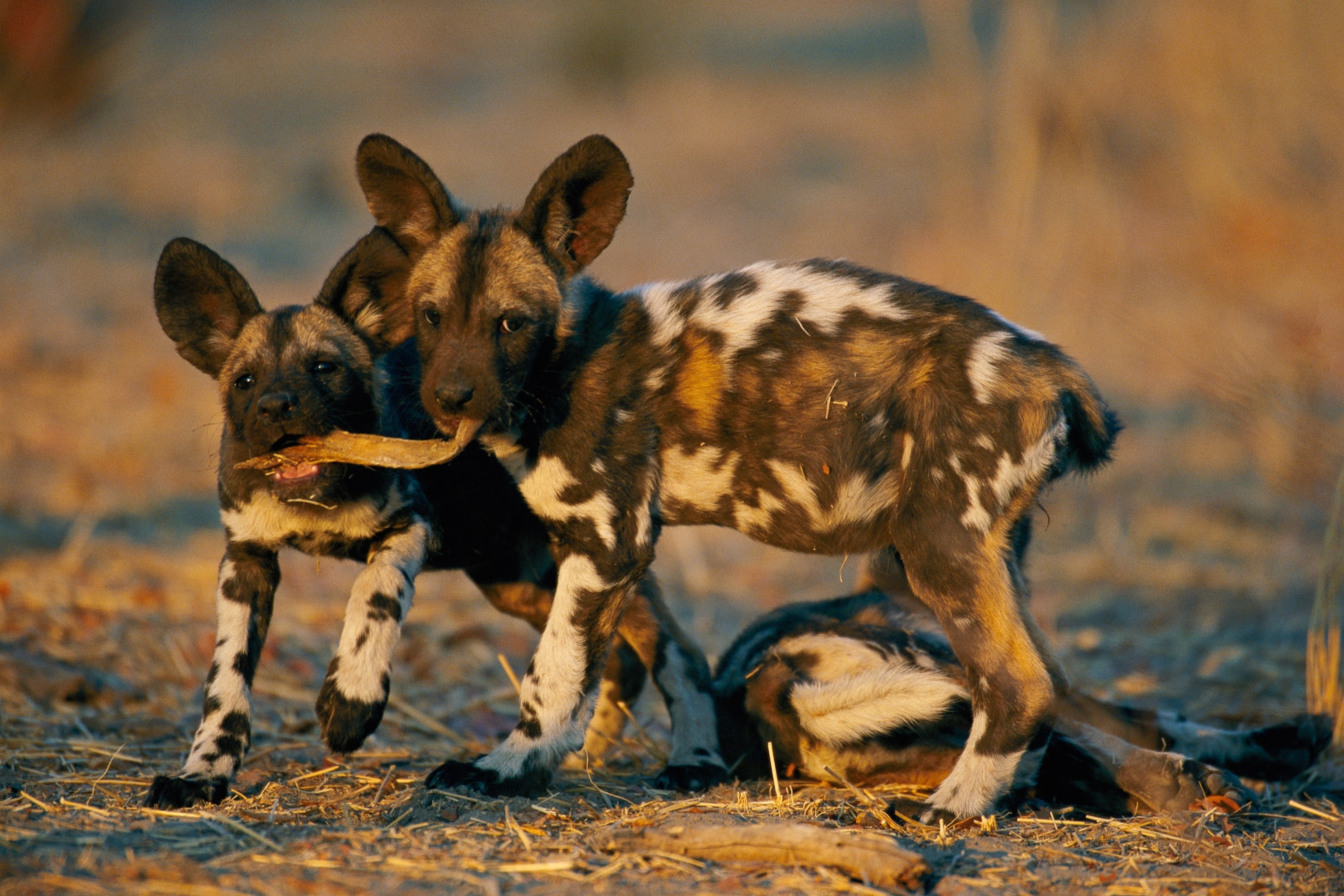
Complete Guide to African Lion Behavior
Delve into the complex social structure, hunting techniques, and communication methods of the African lion. Understand the king of the savanna with this in-depth guide.
 Wildlife Guides
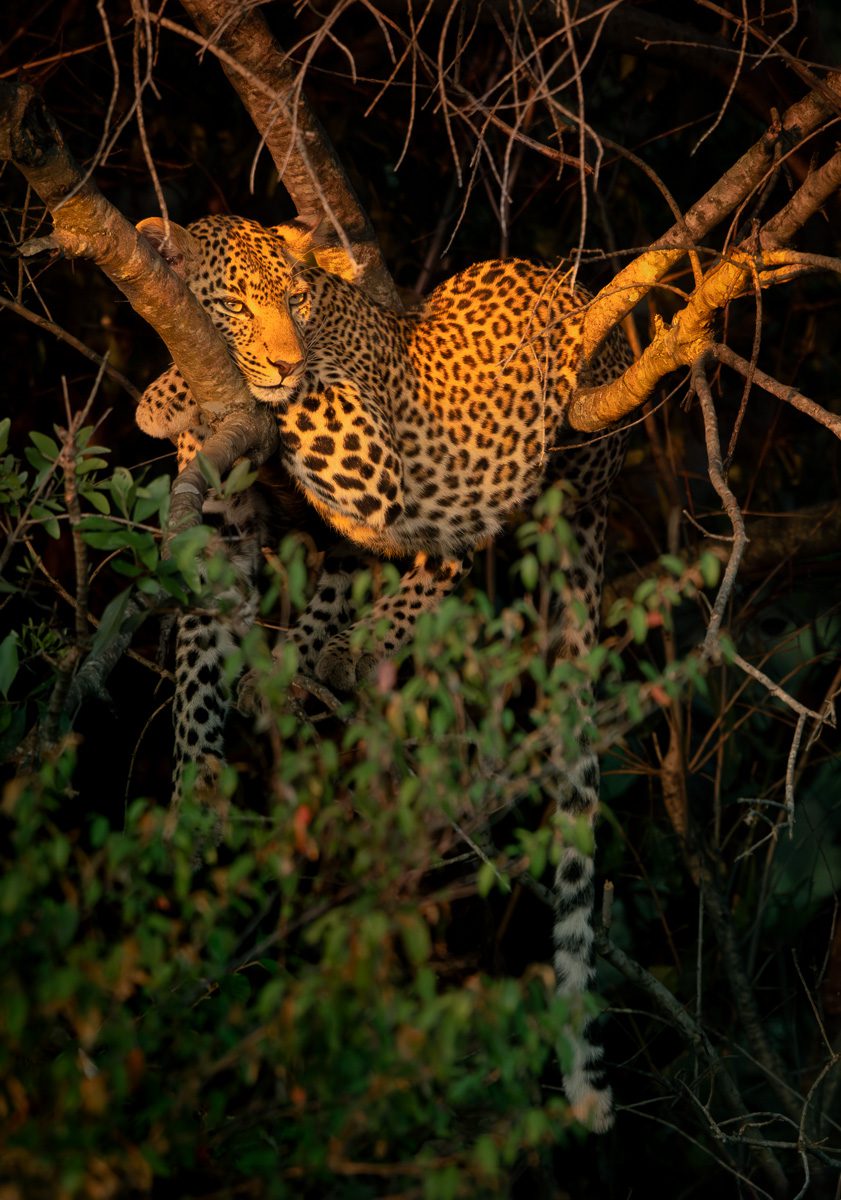
Complete Guide to Cheetah Speed and Hunting
Learn all about Complete Guide to Cheetah Speed and Hunting in this comprehensive guide. Discover the best time to go, what to see, and how to plan your trip.
 Destination Guides
Complete Guide to Table Mountain National Park
A complete guide to Complete Guide to Table Mountain National Park. Learn about the wildlife, activities, and best time to visit this amazing destination.
 Destination Guides
Complete Guide to Garden Route Safari Options
A complete guide to Complete Guide to Garden Route Safari Options. Learn about the wildlife, activities, and best time to visit this amazing destination.
 Destination Guides
Complete Guide to Sabi Sands Game Reserve
A complete guide to Complete Guide to Sabi Sands Game Reserve. Learn about the wildlife, activities, and best time to visit this amazing destination.