
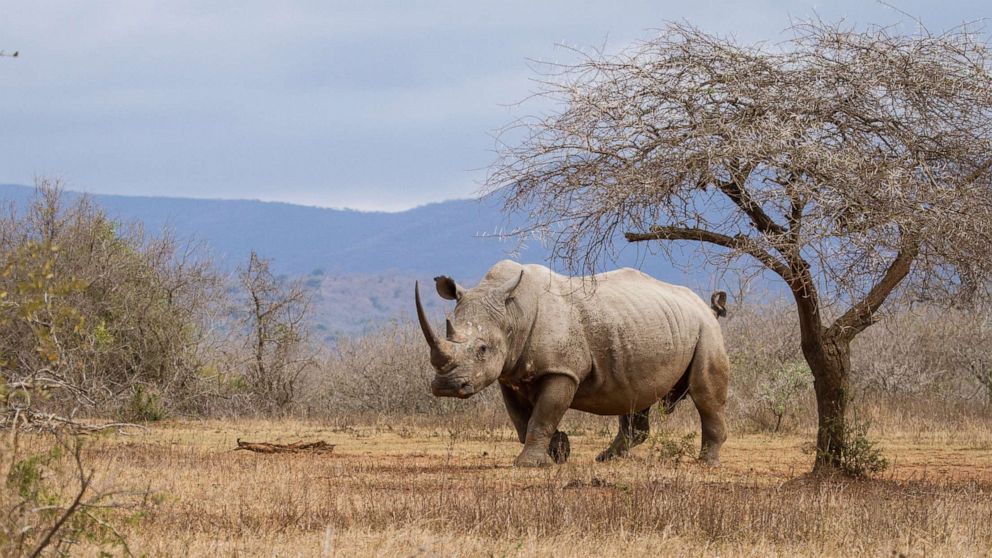
Learn all about Complete Guide to Pangolin Conservation in this comprehensive guide. Discover the best time to go, what to see, and how to plan your trip.
Introduction to Complete Guide to Pangolin Conservation
Understanding complete guide to pangolin conservation is essential for anyone planning a safari in Africa. This topic encompasses a range of considerations that can significantly impact your travel experience, from practical logistics to wildlife encounters that create lasting memories.
Key Details and Considerations
Several critical factors influence complete guide to pangolin conservation in the African safari context. Geographic location, time of year, and the specific activities you're interested in all play important roles. The diversity of Africa's safari destinations means that no two experiences are alike, and understanding these nuances helps you plan more effectively. Our destination guides provide detailed information for each region.
Still researching? Let us help.
Our advisory team has planned safaris across 9 African countries. We can turn your research into a real plan.
Talk to an AdvisorPractical Advice
For practical guidance on complete guide to pangolin conservation, consider these expert recommendations. First, start your research early and use reliable sources like our knowledge center for up-to-date information. Second, don't underestimate the value of professional guidance, as a knowledgeable safari planning guide can save you time, money, and potential disappointment. Third, remain flexible in your planning, as Africa's natural environments are dynamic and unpredictable.
Expert Insights
Safari professionals with decades of experience note that understanding complete guide to pangolin conservation gives travelers a significant advantage. The difference between a good safari and an exceptional one often comes down to the details, from choosing the right accommodation to timing your game drives for optimal wildlife viewing. Our safari operators bring this expertise to every consultation, helping you avoid common pitfalls and discover hidden gems.
Planning Your Next Steps
In summary, complete guide to pangolin conservation is a multifaceted topic that rewards careful study and thoughtful planning. Whether you're a first-time safari traveler or a returning enthusiast, staying informed about the latest developments and best practices ensures the best possible experience. Explore our destinations, consult our safari operators, and use our cost calculator to begin planning your African adventure today.
Done Reading? Let's Build Your Safari.
Skip the guesswork. Work with an advisor who has been on the ground across East and Southern Africa.
Plan With UsThe Plight of the Pangolin: A Closer Look at the Threats
Pangolins hold the unfortunate title of being the world’s most trafficked non-human mammal. While this fact is widely known, the specifics of the threats they face paint a grim picture of the challenges confronting their survival. The demand for pangolins is primarily driven by two factors: their scales, which are used in traditional medicine, and their meat, which is considered a delicacy in some cultures. The scales, made of keratin—the same protein found in human hair and nails—are erroneously believed to have curative properties for a range of ailments. This belief persists despite a lack of scientific evidence, fueling a multi-billion dollar illegal wildlife trade.
The trafficking process is brutal and wasteful. Poachers often use snares or dogs to capture pangolins, and the animals are then subjected to horrific cruelty. They are often boiled, sometimes alive, to remove their scales. The sheer scale of this trade is staggering; it is estimated that over a million pangolins have been poached from the wild in the past decade. This relentless pressure has pushed all eight species of pangolin—four in Africa and four in Asia—towards extinction. The Chinese Pangolin and the Sunda Pangolin are now listed as Critically Endangered by the IUCN.
Beyond poaching, pangolins also face threats from habitat loss due to deforestation and agricultural expansion. As their natural habitats shrink, they are forced into closer contact with human populations, making them more vulnerable to poaching and other dangers. The combination of a rampant illegal trade and a diminishing habitat creates a perfect storm that threatens to wipe out these unique and gentle creatures.
Where to See Pangolins (Ethically) in Africa
For wildlife enthusiasts, seeing a pangolin in the wild is a rare and unforgettable experience. Due to their nocturnal habits and shy nature, they are one of the most elusive animals on the continent. However, a few dedicated conservation areas and lodges in Africa offer a chance to see these incredible creatures while supporting their protection. When choosing a safari, it is crucial to select operators who prioritize the well-being of the animals and contribute to conservation efforts. Our safari operators can help you identify and book with these responsible providers.
One of the best places to see pangolins is the Tswalu Kalahari Reserve in South Africa. This private reserve is a leader in pangolin research and conservation, and guests have a relatively high chance of encountering a pangolin during their stay. The reserve’s commitment to research and conservation makes it a model for sustainable wildlife tourism.
Another excellent destination is Okonjima Nature Reserve in Namibia, home to the AfriCat Foundation. While primarily known for its work with large carnivores, Okonjima is also involved in pangolin conservation and offers opportunities for guests to track these elusive animals. Other notable locations include the Sangha Lodge in the Central African Republic and various conservancies in Kenya and Zimbabwe that are actively working to protect their pangolin populations.
> Traveler's Tip: Pangolin sightings are never guaranteed. These are wild animals in their natural habitat. The best approach is to choose a lodge or reserve known for its pangolin conservation work and to appreciate the entire ecosystem, with a pangolin sighting being a fortunate bonus.
Pangolin Trekking: A Unique Safari Experience
Pangolin trekking is a specialized safari activity that offers a unique opportunity to learn about and potentially see pangolins up close. Unlike traditional game drives, pangolin trekking is done on foot, led by expert guides and researchers. This immersive experience allows you to engage with the environment in a more intimate way and to appreciate the smaller, often overlooked, aspects of the ecosystem.
The trek usually involves following a pangolin that has been fitted with a radio transmitter for research and monitoring purposes. This allows the guides to locate the animal without disturbing it. The primary goal of these treks is not just tourism but also to collect valuable data on the pangolins' behavior, diet, and habitat use. This information is crucial for developing effective conservation strategies.
When participating in a pangolin trek, it is essential to follow the guide’s instructions carefully to minimize your impact on the animal and its environment. This includes maintaining a safe distance, keeping your voice low, and avoiding the use of flash photography. By adhering to these guidelines, you can ensure that your presence does not cause stress to the pangolin.
> Expert Insight: The revenue generated from pangolin trekking provides a powerful economic incentive for local communities to protect pangolins and their habitats. When communities benefit directly from conservation, they become its most effective guardians. This model of community-based conservation is a cornerstone of modern wildlife protection efforts.
How Your Safari Can Support Pangolin Conservation
Every traveler has the power to make a positive impact on wildlife conservation. By making informed choices, you can ensure that your safari contributes to the protection of pangolins and other endangered species. Here are a few ways you can help:
- Choose Responsible Operators: Select safari companies and lodges that have a demonstrated commitment to conservation. Look for operators who are transparent about their conservation policies and who actively support local conservation projects. Our plan your safari tool can help you find such operators.
- Visit Conservation-Focused Destinations: Prioritize destinations that are known for their successful conservation programs. By visiting these areas, you are directly supporting their efforts to protect wildlife and their habitats.
- Support Local Communities: Choose operators who employ local guides and staff and who contribute to community development projects. When local communities benefit from tourism, they are more likely to support conservation.
- Donate to Conservation Organizations: Consider making a donation to a reputable pangolin conservation organization. These organizations are on the front lines of the fight to save pangolins, and they rely on public support to fund their work.
By integrating these practices into your travel planning, you can transform your safari from a simple vacation into a meaningful contribution to the preservation of Africa’s natural heritage. For more ideas on how to make a difference, visit our knowledge center.
The Role of Rehabilitation Centers
Pangolin rehabilitation centers play a critical role in the conservation of this endangered species. These centers are dedicated to rescuing, treating, and rehabilitating pangolins that have been confiscated from the illegal wildlife trade or found injured. The work of these centers is incredibly challenging, as pangolins are notoriously difficult to care for in captivity. They have specialized diets and are highly susceptible to stress and disease.
One of the most well-known pangolin rehabilitation centers is the Tikki Hywood Foundation in Zimbabwe. This organization has been at the forefront of pangolin conservation for decades and has developed groundbreaking techniques for the care and rehabilitation of pangolins. The foundation works closely with law enforcement agencies to combat the illegal wildlife trade and to rescue pangolins from poachers.
Once a pangolin is rescued, it undergoes a thorough medical examination and is treated for any injuries or illnesses. The rehabilitation process can be long and arduous, as the animals need to be slowly reacclimatized to a natural diet and environment. The ultimate goal is to release the pangolins back into the wild in a safe and protected area. These releases are carefully managed and monitored to ensure the animals have the best possible chance of survival.
The work of rehabilitation centers is not just about saving individual animals; it is also about raising awareness and gathering crucial data. The information collected at these centers helps researchers better understand the threats facing pangolins and develop more effective conservation strategies. By supporting these centers, you are contributing to a vital component of the global effort to save pangolins from extinction.
Need Expert Safari Guidance?
Get expert advisory support from a firm founded by a former safari guide — with real operational knowledge across 9 African countries and full-journey accountability.
Related Planning Guides
Explore Related Topics
Recommended Reading
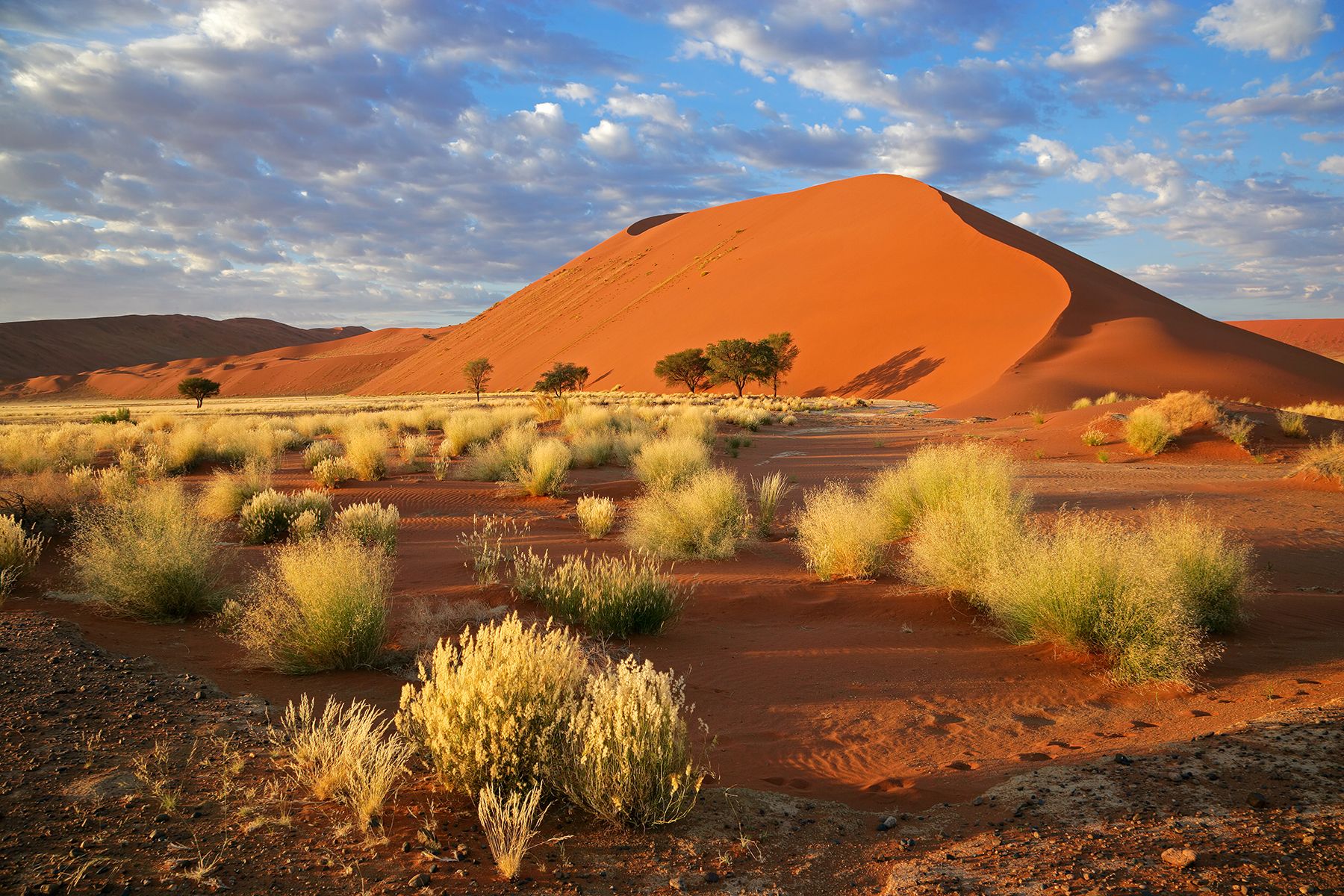 Wildlife Guides
Complete Guide to Black Rhinoceros Conservation
Learn all about Complete Guide to Black Rhinoceros Conservation in this comprehensive guide. Discover the best time to go, what to see, and how to plan your trip.
 Wildlife Guides
Complete Guide to African Lion Behavior
Delve into the complex social structure, hunting techniques, and communication methods of the African lion. Understand the king of the savanna with this in-depth guide.
 Wildlife Guides
Complete Guide to Cheetah Speed and Hunting
Learn all about Complete Guide to Cheetah Speed and Hunting in this comprehensive guide. Discover the best time to go, what to see, and how to plan your trip.
 Destination Guides
Complete Guide to Table Mountain National Park
A complete guide to Complete Guide to Table Mountain National Park. Learn about the wildlife, activities, and best time to visit this amazing destination.
 Destination Guides
Complete Guide to Garden Route Safari Options
A complete guide to Complete Guide to Garden Route Safari Options. Learn about the wildlife, activities, and best time to visit this amazing destination.
 Destination Guides
Complete Guide to Sabi Sands Game Reserve
A complete guide to Complete Guide to Sabi Sands Game Reserve. Learn about the wildlife, activities, and best time to visit this amazing destination.