
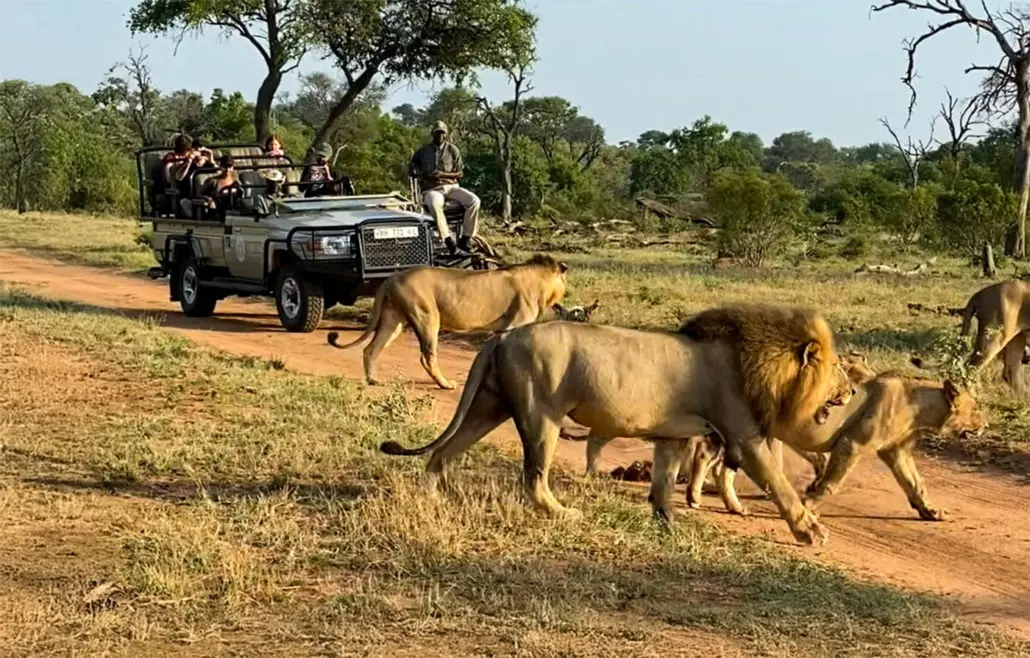
Learn all about Complete Guide to Aardvark Behavior in this comprehensive guide. Discover the best time to go, what to see, and how to plan your trip.
Introduction to Complete Guide to Aardvark Behavior
Understanding complete guide to aardvark behavior is essential for anyone planning a safari in Africa. This topic encompasses a range of considerations that can significantly impact your travel experience, from practical logistics to wildlife encounters that create lasting memories.
Key Details and Considerations
The most important aspects of complete guide to aardvark behavior involve understanding local conditions, seasonal variations, and the unique characteristics of different safari regions. Each destination across Africa offers something distinct, from the Serengeti's endless plains to the Okavango Delta's waterways. Working with experienced safari operators ensures you receive guidance tailored to your specific interests and travel dates.
Still researching? Let us help.
Our advisory team has planned safaris across 9 African countries. We can turn your research into a real plan.
Talk to an AdvisorPractical Advice
For practical guidance on complete guide to aardvark behavior, consider these expert recommendations. First, start your research early and use reliable sources like our knowledge center for up-to-date information. Second, don't underestimate the value of professional guidance, as a knowledgeable safari planning guide can save you time, money, and potential disappointment. Third, remain flexible in your planning, as Africa's natural environments are dynamic and unpredictable.
Expert Insights
Safari professionals with decades of experience note that understanding complete guide to aardvark behavior gives travelers a significant advantage. The difference between a good safari and an exceptional one often comes down to the details, from choosing the right accommodation to timing your game drives for optimal wildlife viewing. Our safari operators bring this expertise to every consultation, helping you avoid common pitfalls and discover hidden gems.
Planning Your Next Steps
To wrap up, mastering complete guide to aardvark behavior is an investment that pays dividends throughout your safari journey. The more you understand about Africa's diverse ecosystems, wildlife, and tourism infrastructure, the better equipped you'll be to make decisions that lead to extraordinary experiences. Start your planning journey with our comprehensive knowledge center and connect with our team of experienced safari operators for personalized guidance.
Done Reading? Let's Build Your Safari.
Skip the guesswork. Work with an advisor who has been on the ground across East and Southern Africa.
Plan With UsThe Aardvark's Specialized Diet and Foraging Behavior
The aardvark is a myrmecophagous mammal, meaning its diet consists almost exclusively of ants and termites. This highly specialized diet dictates much of its behavior, from its nocturnal foraging patterns to its powerful digging abilities. Using its keen sense of smell, an aardvark can detect the underground nests of its prey. Once located, it uses its spade-like claws to excavate the nest with remarkable speed and efficiency. Its long, sticky tongue, which can extend up to 30 centimeters, then darts in and out of the nest, lapping up thousands of insects in a single feeding session. While they primarily target termites, aardvarks are also known to consume other insects, such as the larvae of scarab beetles.
Nocturnal Habits and Elaborate Burrows
Aardvarks are solitary and predominantly nocturnal, emerging from their burrows shortly after sunset to begin their nightly foraging expeditions. These burrows are a key feature of their behavior and play a vital role in the ecosystems they inhabit. Aardvarks are prolific diggers, creating extensive networks of tunnels that can reach up to 13 meters in length. These burrows, often with multiple entrances, provide the aardvark with a safe refuge from predators and the heat of the African day. Interestingly, these abandoned burrows are often repurposed by other wildlife, including warthogs, porcupines, and even wild dogs, making the aardvark a crucial ecosystem engineer.
Where to See Aardvarks in Africa
Spotting an aardvark in the wild is a rare and rewarding experience for any safari-goer. Their nocturnal and elusive nature makes them one of the more challenging animals to find. However, certain locations in Africa offer a higher probability of a sighting. The Tswalu Kalahari Reserve in South Africa is renowned for its aardvark population and offers dedicated night drives that increase the chances of an encounter. Similarly, the Oserengoni Wildlife Sanctuary in Naivasha, Kenya, has reported regular aardvark sightings. Other locations where aardvarks are found, though less frequently seen, include the Serengeti in Tanzania and the Okavango Delta in Botswana. The key to a successful sighting is patience and a bit of luck, with night drives offering the most realistic opportunity.
Aardvark Reproduction and Lifecyle
Aardvarks are primarily solitary animals, and their social interactions are minimal, typically occurring only during mating season. After a gestation period of approximately seven months, a female aardvark gives birth to a single cub, usually inside the safety of an extensive burrow. The newborn aardvark weighs around 2 kilograms (4.4 pounds) and is born with its eyes open and claws already well-developed.
For the first two weeks, the cub remains hidden within the burrow while the mother forages at night. After this period, it begins to accompany her on nightly feeding excursions, learning how to locate ant and termite mounds. The young aardvark will stay with its mother for about six months, after which it will leave to dig its own burrow and establish its own territory. They reach sexual maturity at around two years of age and have an estimated lifespan of up to 18 years in the wild.
Expanding the Search: Prime Aardvark Viewing Destinations
While Tswalu Kalahari remains a premier destination for aardvark sightings, several other locations across Southern and East Africa offer excellent opportunities for those willing to dedicate time to a nocturnal search. The key is to visit reserves with arid to semi-arid environments where aardvarks thrive.
Samara Private Game Reserve, South Africa: Located in the Great Karoo, a vast semi-desert region, Samara is another hotspot for aardvark encounters. The reserve's Aardvark Research Programme has habituated several individuals, making sightings more reliable. Guided night walks and drives here offer an immersive experience. A stay at Samara's Karoo Lodge, with prices starting around $700 per person per night, provides direct access to this unique tracking opportunity.
Makgadikgadi Pans, Botswana: During the dry season (from May to October), the sparse vegetation of the Makgadikgadi Pans makes spotting nocturnal animals easier. Camps like Jack's Camp and San Camp are famous for their desert-adapted wildlife experiences and offer specialized night drives. The open, flat terrain is ideal for tracking aardvarks as they move between termite mounds. A consultation with our safari operators can help you integrate this destination into a broader Botswana itinerary.
Damaraland, Namibia: This rugged, arid landscape is another prime habitat. The low human population density and vast, unfenced wilderness provide a sanctuary for these elusive creatures. Lodges such as Damaraland Camp or Mowani Mountain Camp can arrange night drives into the surrounding conservancies, where experienced guides use their knowledge of local aardvark territories to increase sighting chances.
The Aardvark's Critical Role as an Ecosystem Engineer
The aardvark's burrowing behavior does more than just provide it with shelter; it actively shapes the environment. By creating a vast network of underground tunnels, aardvarks are considered critical ecosystem engineers. These abandoned burrows become vital micro-habitats for a wide array of other species that lack the ability to dig their own.
Over 17 species of mammals, reptiles, and birds have been documented using aardvark burrows. Warthogs and porcupines use them as ready-made dens to raise their young, while smaller mammals like mongooses and ground squirrels find refuge from predators. Even pythons and monitor lizards will use the burrows for thermoregulation. This makes the presence of aardvarks a key indicator of a healthy and diverse ecosystem. For more information on how different species interact, explore our destination guides.
Need Expert Safari Guidance?
Get expert advisory support from a firm founded by a former safari guide — with real operational knowledge across 9 African countries and full-journey accountability.
Related Planning Guides
Explore Related Topics
Recommended Reading
 Wildlife Guides
Complete Guide to African Lion Behavior
Delve into the complex social structure, hunting techniques, and communication methods of the African lion. Understand the king of the savanna with this in-depth guide.
 Wildlife Guides
Complete Guide to Spotted Hyena Behavior
Learn all about Complete Guide to Spotted Hyena Behavior in this comprehensive guide. Discover the best time to go, what to see, and how to plan your trip.
 Wildlife Guides
Complete Guide to White Rhinoceros Behavior
Learn all about Complete Guide to White Rhinoceros Behavior in this comprehensive guide. Discover the best time to go, what to see, and how to plan your trip.
 Destination Guides
Complete Guide to Table Mountain National Park
A complete guide to Complete Guide to Table Mountain National Park. Learn about the wildlife, activities, and best time to visit this amazing destination.
 Destination Guides
Complete Guide to Garden Route Safari Options
A complete guide to Complete Guide to Garden Route Safari Options. Learn about the wildlife, activities, and best time to visit this amazing destination.
 Destination Guides
Complete Guide to Sabi Sands Game Reserve
A complete guide to Complete Guide to Sabi Sands Game Reserve. Learn about the wildlife, activities, and best time to visit this amazing destination.