
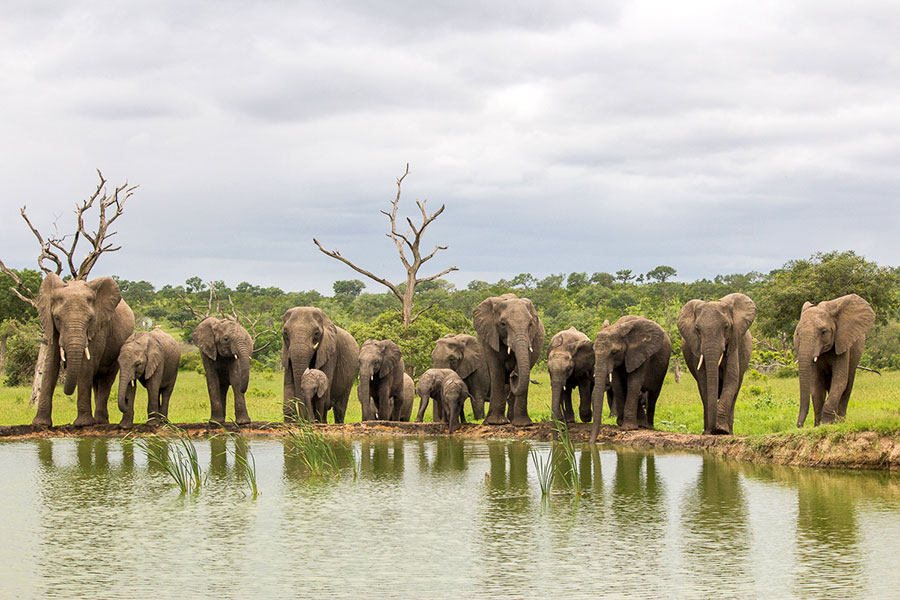
A comprehensive guide to Complete Guide to Okapi. Learn about its habitat, behavior, diet, and conservation status.
Complete Guide to Okapi
Whether you are a first-time safari traveler or a seasoned adventurer, complete guide to okapi deserves careful attention. In this guide, we break down everything you need to know, from practical considerations to expert recommendations.
Practical Planning Steps: Complete Guide to Okapi
Step two involves researching your options thoroughly. Compare different destinations, operators, and approaches to complete guide to okapi. Read reviews from verified travelers, consult with safari operators, and cross-reference information from multiple sources.
Step three is creating a detailed plan that accounts for all aspects of complete guide to okapi. This should include timelines, budgets, backup options, and contingency plans. The most successful safari travelers are those who plan thoroughly while remaining flexible enough to adapt to changing conditions.
Still researching? Let us help.
Our advisory team has planned safaris across 9 African countries. We can turn your research into a real plan.
Talk to an AdvisorExpert Recommendations
Budget considerations play an important role in complete guide to okapi. While it is tempting to cut corners, experienced travelers consistently report that investing in quality where it matters most leads to significantly better outcomes. The key is knowing where to allocate your budget for maximum impact.
Safari advisors consistently recommend starting your planning process at least six to twelve months before your intended travel dates. This lead time allows you to secure preferred accommodations, take advantage of early booking rates, and properly prepare for all aspects of complete guide to okapi.
Working with a qualified safari planning guide can significantly improve your experience with complete guide to okapi. Advisors who have personal experience in your chosen destinations can provide insights that no guidebook or website can match. They understand the subtle differences between properties, the best times to visit specific areas, and how to structure an itinerary that maximizes your time.
Seasonal Factors and Timing
Weather patterns across Africa are becoming less predictable due to climate change, which adds another layer of consideration to complete guide to okapi. Working with operators who have current, on-the-ground knowledge of conditions is more important than ever.
The timing of your safari significantly impacts complete guide to okapi. Dry season months, typically June through October in most East African destinations, offer different conditions than the green season months of November through May. Each period has distinct advantages and considerations.
Safety and Health Considerations: Complete Guide to Okapi
Travel insurance that specifically covers safari activities is strongly recommended. Standard travel insurance policies may not cover all the activities and situations you might encounter on an African safari. Ensure your policy covers medical evacuation, trip cancellation, and activity-specific risks.
Health preparation is an essential component of complete guide to okapi. Consult with a travel medicine specialist at least six weeks before your departure to discuss vaccinations, malaria prophylaxis, and other health precautions specific to your destinations.
Done Reading? Let's Build Your Safari.
Skip the guesswork. Work with an advisor who has been on the ground across East and Southern Africa.
Plan With UsRelated Resources
For more information on planning your safari, explore our destination guides, browse the safari operator directory, or connect with an experienced safari planning guide for personalized guidance.
The Okapi's Hidden Kingdom: The Ituri Forest
The okapi is a true specialist, exclusively inhabiting the dense, high-canopy rainforests of the Ituri Forest in the northeastern Democratic Republic of Congo (DRC). This region, a vast expanse of nearly 63,000 square kilometers, is characterized by its towering trees, thick undergrowth, and a humid, stable climate. The okapi's range is naturally defined by the surrounding geographical features; it is bordered by mountains to the east, swamps to the southeast, the Ebola River to the north, and the Congo River to the west. They thrive at altitudes between 500 and 1,500 meters, where the forest provides not only a rich source of food but also crucial protection from predators and human disturbance.
Their thick, oily fur is a perfect adaptation to this environment, repelling the constant moisture of the rainforest. The okapi's stripes are not for show; they are a masterful form of camouflage, breaking up their outline in the filtered light of the forest floor and making them incredibly difficult to spot. This remarkable adaptation is a key reason why the species remained unknown to the Western world until the early 20th century.
> Expert Insight: The Ituri Forest is one of the most biodiverse regions in Africa. When considering a journey to this remote area, it's essential to work with a safari planning guide who has deep connections and expertise in the DRC. The logistics are complex, and safety is paramount. Planning a safari here is not just about seeing wildlife; it's about contributing to the conservation of a fragile and irreplaceable ecosystem.
Behavior and Social Structure: The Solitary Wanderer
Unlike their gregarious relatives, the giraffes, okapis are primarily solitary creatures. They spend most of their days foraging along well-trodden paths within their home range. These ranges are extensive and often overlap, but individuals typically avoid direct contact with one another outside of mating season. Mothers and their calves are the main exception, maintaining a strong bond for the first few months of the calf's life.
Communication is subtle and complex. Okapis use a variety of methods to mark their territory, including urine marking and rubbing their necks on trees to release scent from glands. They also possess an extraordinary ability to communicate using low-frequency infrasound, at a level below the range of human hearing. This allows them to communicate over long distances through the dense forest vegetation, a critical tool for finding mates and for mothers to stay in contact with their calves.
Their diet consists of a wide variety of plant matter. They are selective browsers, using their long, prehensile tongues to strip leaves, buds, and shoots from over 100 different species of plants. They are also known to eat clay and charcoal from burnt trees to obtain essential minerals and nutrients that are otherwise lacking in their leafy diet.
Conservation Status: Protecting an Endangered Icon
The okapi is currently listed as Endangered on the IUCN Red List of Threatened Species. The population has declined by over 50% in the last three decades, and the threats to its survival are significant and growing. The primary drivers of this decline are habitat loss and poaching.
The Ituri Forest is rich in minerals, including gold and coltan, and illegal mining operations have led to widespread deforestation and an influx of people into the okapi's habitat. This not only destroys the forests they depend on but also increases the pressure from bushmeat hunting. The ongoing civil unrest and political instability in the DRC have made conservation efforts incredibly challenging and dangerous.
The Okapi Wildlife Reserve, a UNESCO World Heritage Site, was established in 1992 and covers approximately 20% of the Ituri Forest. It is the cornerstone of okapi conservation, home to the largest protected population. The reserve supports a dedicated team of rangers and conservationists who work tirelessly to protect the okapi and its habitat. However, the reserve itself is under threat, and the rangers who protect it face immense risks.
> Traveler's Tip: Supporting conservation is one of the most impactful things you can do. When you plan your safari, ask your safari planning guide about operators who contribute directly to conservation initiatives like the Okapi Conservation Project. Your tourism dollars can provide a vital source of funding for protecting this magnificent and elusive animal.
The Challenge of an Okapi Sighting
For the dedicated safari enthusiast, seeing an okapi in the wild is the ultimate prize. However, it is a challenge that should not be underestimated. Their shy, solitary nature, combined with their incredible camouflage and the dense, remote environment they inhabit, makes them one of the most difficult large mammals to observe in Africa.
There are no traditional safari game drives for okapi viewing. Sightings are rare and typically the result of luck and patient trekking on foot with expert local guides within the Okapi Wildlife Reserve. Visitors must be prepared for strenuous hikes in a humid, challenging environment. The reward, however, is a truly unique and unforgettable wildlife encounter.
For those who wish to see this incredible animal, the best approach is to connect with our safari operators. We can provide realistic expectations and connect you with the very few, highly specialized operators who can facilitate a trip to this remote corner of the Congo. For more information on other unique wildlife experiences, visit our knowledge center.
Need Expert Safari Guidance?
Get expert advisory support from a firm founded by a former safari guide — with real operational knowledge across 9 African countries and full-journey accountability.
Related Planning Guides
Explore Related Topics
Recommended Reading
 Wildlife Guides
Complete Guide to African Lion Behavior
Delve into the complex social structure, hunting techniques, and communication methods of the African lion. Understand the king of the savanna with this in-depth guide.
 Wildlife Guides
Complete Guide to Spotted Hyena Behavior
Learn all about Complete Guide to Spotted Hyena Behavior in this comprehensive guide. Discover the best time to go, what to see, and how to plan your trip.
 Wildlife Guides
Complete Guide to Black Rhinoceros Conservation
Learn all about Complete Guide to Black Rhinoceros Conservation in this comprehensive guide. Discover the best time to go, what to see, and how to plan your trip.
 Destination Guides
Complete Guide to Table Mountain National Park
A complete guide to Complete Guide to Table Mountain National Park. Learn about the wildlife, activities, and best time to visit this amazing destination.
 Destination Guides
Complete Guide to Garden Route Safari Options
A complete guide to Complete Guide to Garden Route Safari Options. Learn about the wildlife, activities, and best time to visit this amazing destination.
 Destination Guides
Complete Guide to Sabi Sands Game Reserve
A complete guide to Complete Guide to Sabi Sands Game Reserve. Learn about the wildlife, activities, and best time to visit this amazing destination.