
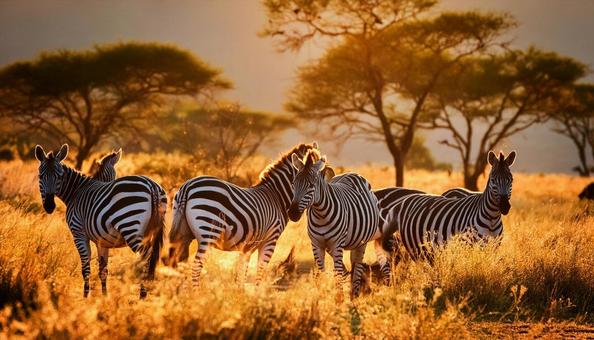
A comprehensive guide to Complete Guide to African Chameleon Species. Learn about its habitat, behavior, diet, and conservation status.
Complete Guide to African Chameleon Species
Planning a safari involves many important decisions, and understanding complete guide to african chameleon species is one of the most critical. This comprehensive guide draws on years of field experience to help you navigate this aspect of safari travel with confidence.
Practical Planning Steps: Complete Guide to African Chameleon Species
Step three is creating a detailed plan that accounts for all aspects of complete guide to african chameleon species. This should include timelines, budgets, backup options, and contingency plans. The most successful safari travelers are those who plan thoroughly while remaining flexible enough to adapt to changing conditions.
Step two involves researching your options thoroughly. Compare different destinations, operators, and approaches to complete guide to african chameleon species. Read reviews from verified travelers, consult with safari operators, and cross-reference information from multiple sources.
Still researching? Let us help.
Our advisory team has planned safaris across 9 African countries. We can turn your research into a real plan.
Talk to an AdvisorExpert Recommendations: Complete Guide to African Chameleon Species
Safari advisors consistently recommend starting your planning process at least six to twelve months before your intended travel dates. This lead time allows you to secure preferred accommodations, take advantage of early booking rates, and properly prepare for all aspects of complete guide to african chameleon species.
Working with a qualified safari planning guide can significantly improve your experience with complete guide to african chameleon species. Advisors who have personal experience in your chosen destinations can provide insights that no guidebook or website can match. They understand the subtle differences between properties, the best times to visit specific areas, and how to structure an itinerary that maximizes your time.
Regional Considerations Across Africa
East African safaris, particularly in Kenya and Tanzania, have their own distinct approach to complete guide to african chameleon species. The Serengeti-Mara ecosystem, which hosts the Great Migration, requires specific planning considerations that differ from destinations like Amboseli or Ngorongoro. Understanding these regional differences is crucial for optimizing your experience.
Central and West African destinations, including Uganda, Rwanda, and the Congo, offer specialized experiences like gorilla trekking that bring their own set of requirements. These destinations often involve more challenging terrain and different logistical considerations compared to the classic savanna safari.
Understanding the Fundamentals
The foundation of complete guide to african chameleon species begins with understanding the basic principles. Safari environments across Africa present unique conditions that differ significantly from what most travelers are accustomed to. In East Africa, the vast savannas of Kenya and Tanzania create one set of considerations, while the dense forests of Uganda and Rwanda present entirely different challenges. Southern African destinations like Botswana and South Africa add yet another dimension.
Experienced safari operators emphasize that preparation is the single most important factor in complete guide to african chameleon species. This means doing your research well in advance, consulting with knowledgeable advisors, and being willing to adapt your plans based on current conditions. The best safari experiences come from travelers who approach their journey with both enthusiasm and informed flexibility.
Done Reading? Let's Build Your Safari.
Skip the guesswork. Work with an advisor who has been on the ground across East and Southern Africa.
Plan With UsCommon Mistakes to Avoid
Another common error is relying solely on online reviews without consulting experienced professionals. While traveler reviews provide valuable perspectives, they often lack the context and expertise that a qualified safari planning guide can offer. The best approach combines both sources of information.
Underestimating the importance of complete guide to african chameleon species is perhaps the biggest mistake of all. Travelers who give this aspect of their safari proper attention consistently report more satisfying experiences than those who treat it as an afterthought.
One of the most frequent mistakes travelers make with complete guide to african chameleon species is waiting too long to start planning. Popular safari destinations and lodges book up months in advance, especially during peak season. Last-minute planning often results in limited options and higher costs.
Related Resources
For more information on planning your safari, explore our destination guides, browse the safari operator directory, or connect with an experienced safari planning guide for personalized guidance.
A Closer Look at Africa’s Most Famous Chameleons
While the continent is home to a remarkable diversity of chameleon species, a few have become iconic representatives of this unique reptile family. Understanding their specific characteristics and habitats can greatly enhance your chances of spotting one on your next safari.
The Three-Horned Wonder: Jackson’s Chameleon (*Trioceros jacksonii*)
Perhaps the most recognizable of all African chameleons, the Jackson’s Chameleon is famous for the three prominent, forward-pointing horns found on the males, giving them a prehistoric, triceratops-like appearance. Females, by contrast, lack these horns or have only a single, smaller rostral horn.
These chameleons are native to the cool, high-altitude forests and woodlands of Kenya and Tanzania. They are particularly abundant in the Aberdare Mountains and on Mount Kenya. Unlike many reptiles, Jackson's Chameleons are ovoviviparous, meaning they give birth to live young rather than laying eggs—a fascinating adaptation to their cooler environment.
> Expert Insight: The horns of the male Jackson’s Chameleon are not just for show. They are used in territorial disputes and to assert dominance when competing for mates. Watching two males in a slow-motion shoving match is a rare but incredible sight.
The Widespread Flap-Necked Chameleon (*Chamaeleo dilepis*)
The Flap-Necked Chameleon is one of the most common and widespread species in Africa, found across sub-Saharan Africa from savannas to woodlands. Its name comes from the large, fleshy lobes or “flaps” on either side of its head, which it can raise to appear larger and more intimidating when threatened.
They are masters of camouflage, typically adopting a bright green coloration to blend in with leafy vegetation, but they can change to shades of brown, yellow, or even black depending on their mood, temperature, and surroundings. These chameleons are often found in the gardens of safari lodges, offering a great opportunity for up-close observation.
Where to Find Chameleons on Your Safari
Finding a chameleon in the wild is a rewarding challenge that requires a keen eye and a bit of luck. While they can be found across the continent, certain destinations offer a higher probability of a sighting. For personalized guidance on where to go, connect with our safari operators.
Key Destinations for Chameleon Spotting:
- Tanzania: The Usambara Mountains are a hotspot for chameleon diversity, including several endemic species. The high-altitude forests of Mount Meru in Arusha National Park are also excellent for finding Jackson's Chameleons.
- Kenya: The forests around Mount Kenya and the Aberdare Range are prime habitats for the Jackson's Chameleon. Night walks with a trained guide can be particularly fruitful, as chameleons are easier to spot with a flashlight while they sleep.
- Uganda: Known as the “Primate Capital of the World,” Uganda’s forests are also rich in reptile life. Kibale Forest National Park, famous for its chimpanzees, is another excellent location to search for various chameleon species.
- Madagascar: Although not part of mainland Africa, no guide to chameleons would be complete without mentioning Madagascar. The island is the world’s chameleon capital, home to about half of all known species, from the giant Parson's Chameleon to the minuscule Brookesia micra.
> Traveler's Tip: The best way to find a chameleon is to go slowly and scan vegetation at eye level and below. Look for their distinctive, jerky movements or their turret-like eyes scanning for prey. Better yet, hire a local guide whose trained eyes can spot them from meters away.
Understanding Chameleon Behavior and Conservation
Chameleons are not just masters of disguise; they possess a suite of unique behaviors that make them one of Africa’s most fascinating reptiles. Their famous color change is used less for camouflage and more for communication, signaling mood, territorial claims, and reproductive intentions. Their skin contains specialized cells called chromatophores that expand and contract to reveal different colors.
Their hunting technique is equally impressive. With independently moving eyes, they can scan their surroundings in two different directions at once. Once prey—typically an insect—is spotted, the chameleon launches its incredibly long, sticky tongue at astonishing speed, catching the unsuspecting meal in a fraction of a second.
Unfortunately, many chameleon species are facing significant threats from habitat loss and the illegal pet trade. Deforestation for agriculture and logging destroys the trees and shrubs they depend on for survival. Supporting conservation-focused safari operators and exploring Africa’s protected areas are excellent ways to contribute to their preservation. For more on responsible travel, visit our knowledge center.
Planning a safari that includes opportunities for unique wildlife sightings like chameleons requires expert knowledge. Use our cost calculator to get a baseline for your trip, and then plan your safari with one of our planning guides to create a truly unforgettable experience.
Need Expert Safari Guidance?
Get expert advisory support from a firm founded by a former safari guide — with real operational knowledge across 9 African countries and full-journey accountability.
Related Planning Guides
Explore Related Topics
Recommended Reading
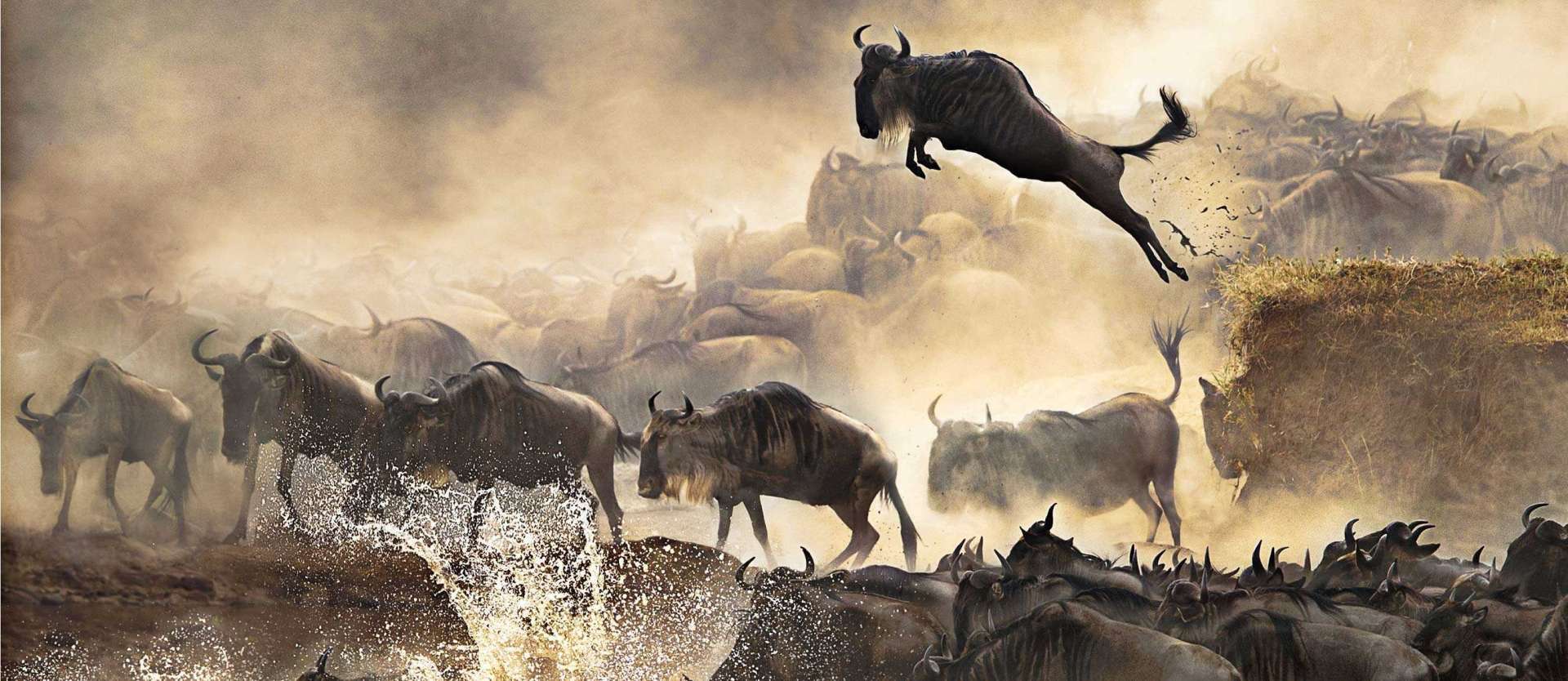 Wildlife Guides
Complete Guide to Vulture Species of Africa
Learn all about Complete Guide to Vulture Species of Africa in this comprehensive guide. Discover the best time to go, what to see, and how to plan your trip.
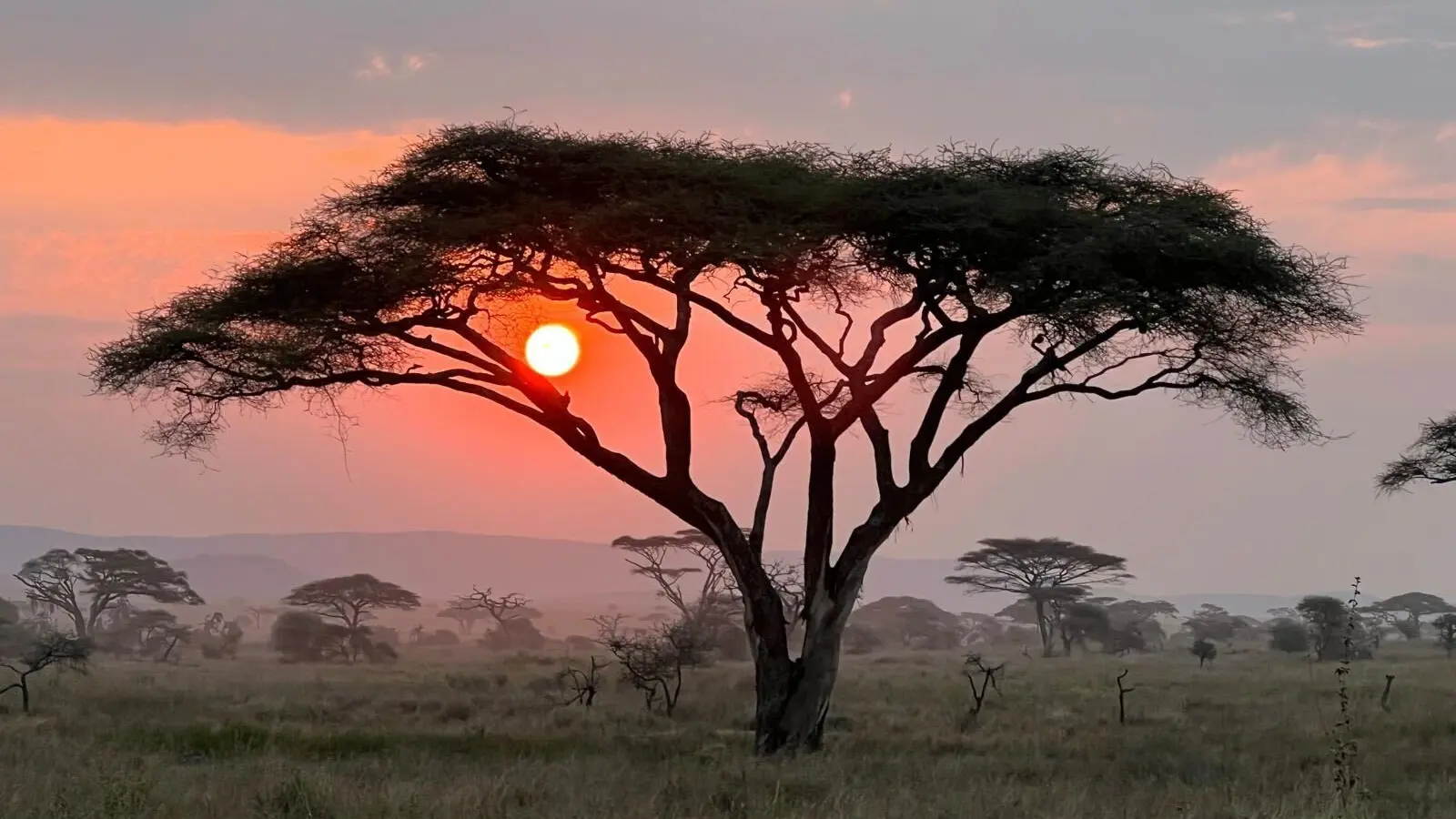 Wildlife Guides
Complete Guide to Hornbill Species of Africa
Learn all about Complete Guide to Hornbill Species of Africa in this comprehensive guide. Discover the best time to go, what to see, and how to plan your trip.
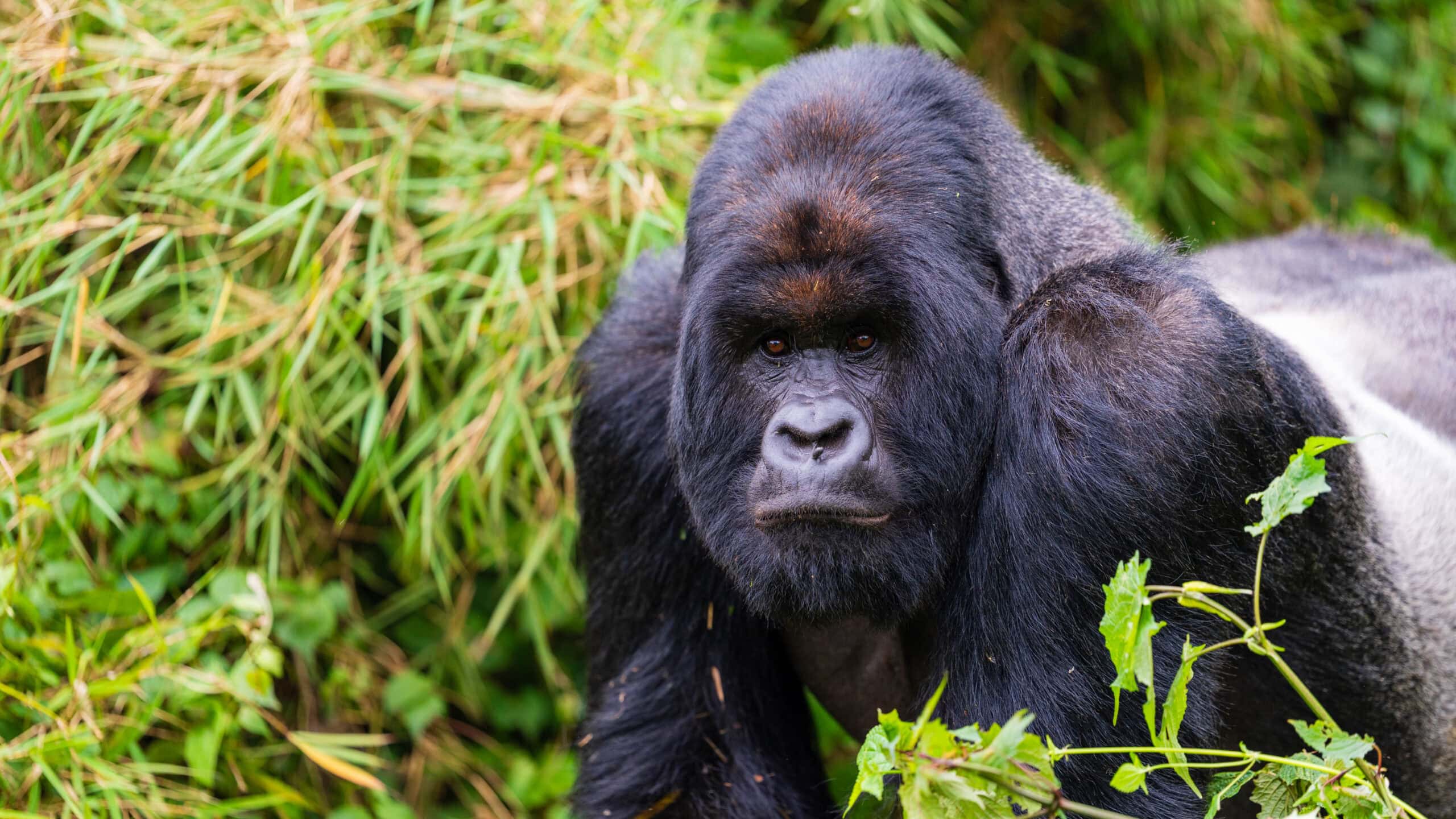 Wildlife Guides
Complete Guide to African Python Species
A comprehensive guide to Complete Guide to African Python Species. Learn about its habitat, behavior, diet, and conservation status.
 Country Guides
Complete Safari Guide to South Africa
Your complete guide to Complete Safari Guide to South Africa. Find the best destinations, planning tips, and more for your next safari adventure.
 Safari Planning
Step-by-Step Guide to Planning an African Safari
Learn how to plan your first African safari with our step-by-step guide. We cover everything from choosing a destination to booking your trip and packing.
 Destination Guides
Complete Guide to Table Mountain National Park
A complete guide to Complete Guide to Table Mountain National Park. Learn about the wildlife, activities, and best time to visit this amazing destination.