
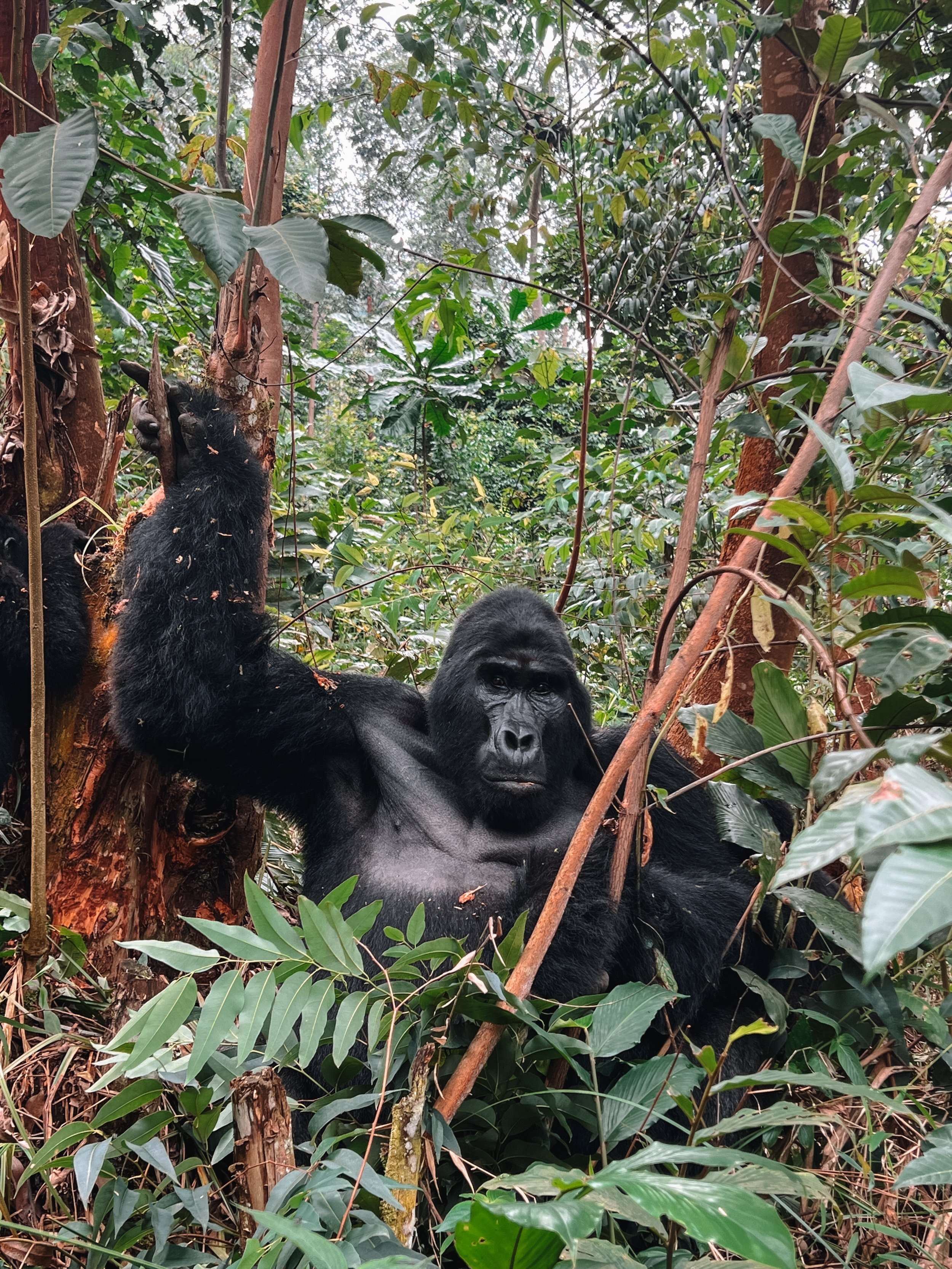
A comprehensive guide to Complete Guide to Eland Antelope. Learn about its habitat, behavior, diet, and conservation status.
Complete Guide to Eland Antelope
One of the most common questions we receive from safari travelers relates to complete guide to eland antelope. After helping hundreds of travelers plan their African adventures, we have compiled this detailed resource to address every aspect of this important topic.
Safety and Health Considerations: Complete Guide to Eland Antelope
Travel insurance that specifically covers safari activities is strongly recommended. Standard travel insurance policies may not cover all the activities and situations you might encounter on an African safari. Ensure your policy covers medical evacuation, trip cancellation, and activity-specific risks.
Safety is paramount when it comes to complete guide to eland antelope on safari. Reputable operators maintain strict safety protocols and employ experienced guides who are trained to handle a wide range of situations. Always verify that your chosen operator has proper licensing, insurance, and safety certifications.
Health preparation is an essential component of complete guide to eland antelope. Consult with a travel medicine specialist at least six weeks before your departure to discuss vaccinations, malaria prophylaxis, and other health precautions specific to your destinations.
Still researching? Let us help.
Our advisory team has planned safaris across 9 African countries. We can turn your research into a real plan.
Talk to an AdvisorPractical Planning Steps
Step three is creating a detailed plan that accounts for all aspects of complete guide to eland antelope. This should include timelines, budgets, backup options, and contingency plans. The most successful safari travelers are those who plan thoroughly while remaining flexible enough to adapt to changing conditions.
Step one in addressing complete guide to eland antelope is to clearly define your priorities and expectations. Are you focused on specific wildlife sightings, cultural experiences, photography opportunities, or a combination? Your answer will shape every subsequent decision.
Step two involves researching your options thoroughly. Compare different destinations, operators, and approaches to complete guide to eland antelope. Read reviews from verified travelers, consult with safari operators, and cross-reference information from multiple sources.
Common Mistakes to Avoid: Complete Guide to Eland Antelope
Another common error is relying solely on online reviews without consulting experienced professionals. While traveler reviews provide valuable perspectives, they often lack the context and expertise that a qualified safari planning guide can offer. The best approach combines both sources of information.
Underestimating the importance of complete guide to eland antelope is perhaps the biggest mistake of all. Travelers who give this aspect of their safari proper attention consistently report more satisfying experiences than those who treat it as an afterthought.
One of the most frequent mistakes travelers make with complete guide to eland antelope is waiting too long to start planning. Popular safari destinations and lodges book up months in advance, especially during peak season. Last-minute planning often results in limited options and higher costs.
Seasonal Factors and Timing: Complete Guide to Eland Antelope
The timing of your safari significantly impacts complete guide to eland antelope. Dry season months, typically June through October in most East African destinations, offer different conditions than the green season months of November through May. Each period has distinct advantages and considerations.
Peak season brings excellent wildlife viewing but also higher prices and more crowded parks. Shoulder seasons offer a balance of good conditions and fewer crowds. Understanding how seasonal factors affect complete guide to eland antelope helps you choose the optimal time for your specific priorities.
Weather patterns across Africa are becoming less predictable due to climate change, which adds another layer of consideration to complete guide to eland antelope. Working with operators who have current, on-the-ground knowledge of conditions is more important than ever.
Done Reading? Let's Build Your Safari.
Skip the guesswork. Work with an advisor who has been on the ground across East and Southern Africa.
Plan With UsRelated Resources
For more information on planning your safari, explore our destination guides, browse the safari operator directory, or connect with an experienced safari planning guide for personalized guidance.
Deeper Dive into Eland Behavior and Social Structure
While both species of eland are known for their impressive size, their social structures are complex and fascinating. Herds are not static; they are fluid, with individuals and subgroups moving between different herds. A typical herd is a nursery herd of females and their young, but these can temporarily merge to form much larger groups, sometimes numbering in the hundreds.
Males, particularly the large, dominant bulls, are often solitary or form small bachelor herds. These bulls develop a distinctive dark tuft of hair on their foreheads, which is often matted with mud and urine, a sign of their status and a way of marking their territory.
> Expert Insight: The clicking sound you might hear as an eland herd approaches is not a vocalization. It is believed to be caused by the two halves of their hooves knocking together or the tendons in their legs snapping over the bones. This sound is unique to eland and can be an early indicator of their presence.
Where to See Eland: Top Parks and Reserves
While eland are widespread, their shy nature can make them challenging to spot. For the best chances of a memorable eland sighting, consider visiting these prime locations:
- For Common Eland:
- Masai Mara National Reserve, Kenya: The open plains of the Mara are an excellent place to see large herds, especially during the dry season. Our destinations guide for Kenya provides more details.
- Serengeti National Park, Tanzania: Similar to the Mara, the Serengeti's vast grasslands support a healthy eland population. They are often seen alongside other plains game.
- Etosha National Park, Namibia: The unique landscape of Etosha, with its massive salt pan, offers a different but equally rewarding eland viewing experience.
- For Giant Eland:
- Zakouma National Park, Chad: This park is a true conservation success story and one of the last strongholds for the Derbyan or Giant Eland. A safari here is a unique and off-the-beaten-path adventure.
When planning your trip, our safari operators can help you choose the best locations and times for eland sightings.
The Eland's Role in the African Ecosystem
Eland are not just magnificent to observe; they play a crucial role in their ecosystem. As browsers, they help to shape the landscape by feeding on a variety of plants, including shrubs and trees that are out of reach for smaller antelope. This browsing behavior can help to create and maintain open grasslands, which benefits other grazing species.
Their large size also means they are a significant source of food for Africa's top predators, including lions and spotted hyenas. A single adult eland can provide a substantial meal for a whole pride of lions.
Conservation Status: A Tale of Two Species
The conservation status of the two eland species is quite different. The Common Eland is listed as 'Least Concern' by the IUCN, with a stable population across its range. However, the Giant Eland is listed as 'Vulnerable,' with populations declining in many areas due to habitat loss and poaching.
Conservation efforts are underway to protect the Giant Eland, particularly in parks like Zakouma in Chad. By choosing to visit these parks, you are directly contributing to the conservation of this magnificent species. Our knowledge center has more information on responsible tourism.
Photographing the Majestic Eland
Photographing eland can be a rewarding challenge. Here are a few tips to help you get the perfect shot:
- Use a long lens: Eland are often shy, so a lens with a focal length of at least 400mm is recommended.
- Focus on the details: The spiral horns, the dark tuft of hair on a bull's forehead, and the gentle eyes of a female can all make for compelling images.
- Capture them in their environment: A wide shot of an eland herd on the open plains can be just as powerful as a close-up portrait.
> Traveler's Tip: Patience is key when photographing eland. They are often on the move, so be prepared to wait for the right moment. Early morning and late afternoon light will provide the best conditions for photography.
For more tips on safari planning, from photography to packing, plan your safari with our comprehensive guides.
Need Expert Safari Guidance?
Get expert advisory support from a firm founded by a former safari guide — with real operational knowledge across 9 African countries and full-journey accountability.
Related Planning Guides
Explore Related Topics
Recommended Reading
 Wildlife Guides
Complete Guide to Kudu Antelope
A comprehensive guide to Complete Guide to Kudu Antelope. Learn about its habitat, behavior, diet, and conservation status.
 Wildlife Guides
Complete Guide to Sable Antelope
A comprehensive guide to Complete Guide to Sable Antelope. Learn about its habitat, behavior, diet, and conservation status.
 Wildlife Guides
Complete Guide to Roan Antelope
A comprehensive guide to Complete Guide to Roan Antelope. Learn about its habitat, behavior, diet, and conservation status.
 Destination Guides
Complete Guide to Table Mountain National Park
A complete guide to Complete Guide to Table Mountain National Park. Learn about the wildlife, activities, and best time to visit this amazing destination.
 Destination Guides
Complete Guide to Garden Route Safari Options
A complete guide to Complete Guide to Garden Route Safari Options. Learn about the wildlife, activities, and best time to visit this amazing destination.
 Destination Guides
Complete Guide to Sabi Sands Game Reserve
A complete guide to Complete Guide to Sabi Sands Game Reserve. Learn about the wildlife, activities, and best time to visit this amazing destination.