
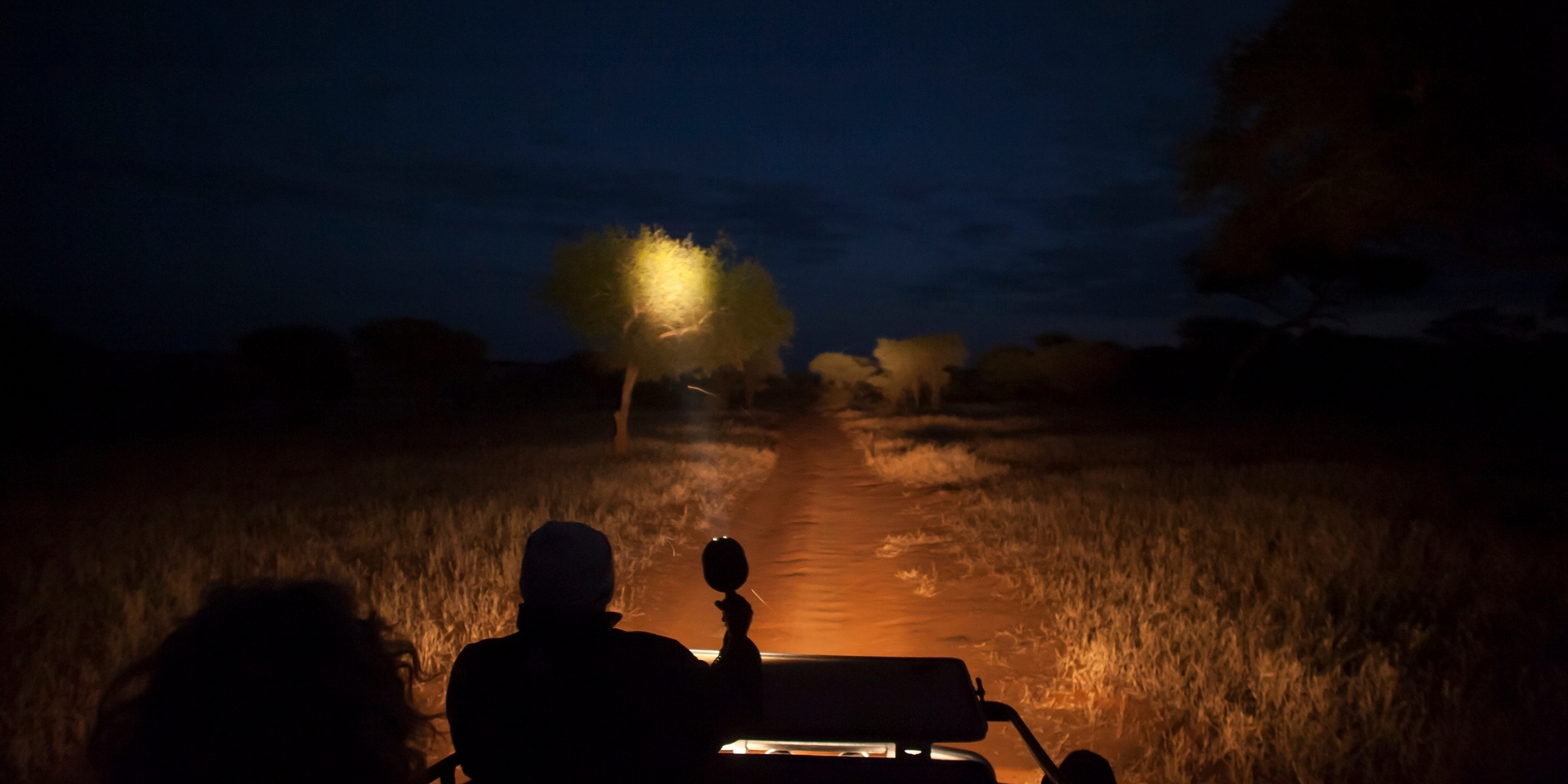
A comprehensive guide to Complete Guide to Sable Antelope. Learn about its habitat, behavior, diet, and conservation status.
Complete Guide to Sable Antelope
Every safari destination in Africa has its own character, and complete guide to sable antelope varies accordingly. This guide helps you understand the nuances so you can make informed decisions for your specific itinerary.
Making the Most of Your Experience: Complete Guide to Sable Antelope
Finally, remember that a safari is more than just wildlife viewing. The cultural experiences, landscapes, and personal connections you make along the way are equally valuable. Approaching complete guide to sable antelope with this broader perspective will enrich your entire journey.
To truly optimize complete guide to sable antelope, approach your safari with an open mind and realistic expectations. Africa has a way of surprising even the most experienced travelers, and some of the best moments come from unexpected encounters and unplanned detours.
Still researching? Let us help.
Our advisory team has planned safaris across 9 African countries. We can turn your research into a real plan.
Talk to an AdvisorUnderstanding the Fundamentals
The foundation of complete guide to sable antelope begins with understanding the basic principles. Safari environments across Africa present unique conditions that differ significantly from what most travelers are accustomed to. In East Africa, the vast savannas of Kenya and Tanzania create one set of considerations, while the dense forests of Uganda and Rwanda present entirely different challenges. Southern African destinations like Botswana and South Africa add yet another dimension.
Experienced safari operators emphasize that preparation is the single most important factor in complete guide to sable antelope. This means doing your research well in advance, consulting with knowledgeable advisors, and being willing to adapt your plans based on current conditions. The best safari experiences come from travelers who approach their journey with both enthusiasm and informed flexibility.
Expert Recommendations: Complete Guide to Sable Antelope
Budget considerations play an important role in complete guide to sable antelope. While it is tempting to cut corners, experienced travelers consistently report that investing in quality where it matters most leads to significantly better outcomes. The key is knowing where to allocate your budget for maximum impact.
Working with a qualified safari planning guide can significantly improve your experience with complete guide to sable antelope. Advisors who have personal experience in your chosen destinations can provide insights that no guidebook or website can match. They understand the subtle differences between properties, the best times to visit specific areas, and how to structure an itinerary that maximizes your time.
Safari advisors consistently recommend starting your planning process at least six to twelve months before your intended travel dates. This lead time allows you to secure preferred accommodations, take advantage of early booking rates, and properly prepare for all aspects of complete guide to sable antelope.
Seasonal Factors and Timing
The timing of your safari significantly impacts complete guide to sable antelope. Dry season months, typically June through October in most East African destinations, offer different conditions than the green season months of November through May. Each period has distinct advantages and considerations.
Weather patterns across Africa are becoming less predictable due to climate change, which adds another layer of consideration to complete guide to sable antelope. Working with operators who have current, on-the-ground knowledge of conditions is more important than ever.
Peak season brings excellent wildlife viewing but also higher prices and more crowded parks. Shoulder seasons offer a balance of good conditions and fewer crowds. Understanding how seasonal factors affect complete guide to sable antelope helps you choose the optimal time for your specific priorities.
Done Reading? Let's Build Your Safari.
Skip the guesswork. Work with an advisor who has been on the ground across East and Southern Africa.
Plan With UsCommon Mistakes to Avoid: Complete Guide to Sable Antelope
One of the most frequent mistakes travelers make with complete guide to sable antelope is waiting too long to start planning. Popular safari destinations and lodges book up months in advance, especially during peak season. Last-minute planning often results in limited options and higher costs.
Another common error is relying solely on online reviews without consulting experienced professionals. While traveler reviews provide valuable perspectives, they often lack the context and expertise that a qualified safari planning guide can offer. The best approach combines both sources of information.
Related Resources
For more information on planning your safari, explore our destination guides, browse the safari operator directory, or connect with an experienced safari planning guide for personalized guidance.
Social Structure and Herd Dynamics
Sable antelope exhibit a fascinating and well-defined social structure. They are gregarious animals, typically forming herds of 10 to 30 individuals, although larger groups have been observed. These herds are primarily matriarchal, led by a dominant female who guides the group to the best grazing areas and water sources. The social hierarchy within the female group is strictly maintained, and new members may face initial hostility until their position is established.
Each breeding herd is controlled by a single dominant bull. This male defends a large territory and the females within it from rival males. Territorial disputes between bulls can be fierce, involving dramatic displays of kneeling and horn-clashing. The victorious male earns the exclusive right to mate with the females in his herd. Young males are pushed out of the herd upon reaching sexual maturity (around 3 years old) and form “bachelor herds.” These groups provide safety in numbers and allow the young males to practice their fighting skills until they are strong enough to challenge a territorial bull.
> Expert Insight: When observing a sable herd, pay attention to the interactions between individuals. The subtle cues of dominance and submission can reveal the intricate social dynamics at play. A knowledgeable guide from our safari operators can help interpret these behaviors, adding a rich layer to your wildlife viewing experience.
Habitat, Diet, and Predators
Sable antelope are selective grazers, preferring the lush grasses of the miombo and mopane woodlands. They are often found in savanna landscapes that offer a mix of open grassland for grazing and denser woodland for cover. Their diet consists mainly of medium-height grasses, but they will supplement this with foliage, herbs, and even fruits during the dry season when grass is scarce. A unique characteristic of sable is their need to drink water daily, which ties them to habitats with reliable water sources.
Despite their formidable appearance, sable antelope are prey for several large predators. Lions, leopards, and spotted hyenas are their primary threats. However, sable are far from easy prey. When threatened, they will confront a predator, using their sharp, scimitar-like horns with deadly accuracy. A cornered sable bull is a dangerous adversary, capable of inflicting serious injury or even killing a lion.
Where to See Sable Antelope
While not as common as other antelope species, sable can be reliably found in several key wildlife areas across Southern and East Africa. For travelers keen on seeing these magnificent creatures, we recommend focusing on the following destinations:
- Hwange National Park, Zimbabwe: Hwange is renowned for its large elephant population, but it is also one of the best places in Africa to see sable antelope. The park's open grasslands and numerous waterholes provide an ideal habitat.
- Kruger National Park, South Africa: While their numbers have declined in recent years, the northern regions of Kruger still offer good opportunities for sable sightings, particularly around the Punda Maria and Pafuri areas.
- Ruaha National Park, Tanzania: This remote and wild park is a stronghold for sable antelope in East Africa. The park's miombo woodlands are the perfect environment for these animals.
- Kafue National Park, Zambia: As one of the largest national parks in Africa, Kafue boasts a diverse range of habitats and a healthy sable population, especially in the northern Busanga Plains.
> Traveler's Tip: The best time to see sable is during the dry season (from June to October) when they congregate around waterholes, making them easier to locate. For a customized itinerary focused on sable sightings, plan your safari with one of our experts.
Conservation Status
The sable antelope is currently listed as "Least Concern" by the IUCN. However, this classification can be misleading as certain subspecies, like the Giant Sable Antelope (Hippotragus niger variani) found only in Angola, are critically endangered. The primary threats to sable populations across Africa are habitat loss due to human encroachment and agriculture, as well as poaching for their horns and meat. Several conservation initiatives are underway to protect these animals and their habitats, but continued vigilance is essential to ensure their long-term survival. Our knowledge center offers more in-depth articles on conservation efforts in Africa.
Need Expert Safari Guidance?
Get expert advisory support from a firm founded by a former safari guide — with real operational knowledge across 9 African countries and full-journey accountability.
Related Planning Guides
Explore Related Topics
Recommended Reading
 Wildlife Guides
Complete Guide to Eland Antelope
A comprehensive guide to Complete Guide to Eland Antelope. Learn about its habitat, behavior, diet, and conservation status.
 Wildlife Guides
Complete Guide to Kudu Antelope
A comprehensive guide to Complete Guide to Kudu Antelope. Learn about its habitat, behavior, diet, and conservation status.
 Wildlife Guides
Complete Guide to Roan Antelope
A comprehensive guide to Complete Guide to Roan Antelope. Learn about its habitat, behavior, diet, and conservation status.
 Destination Guides
Complete Guide to Table Mountain National Park
A complete guide to Complete Guide to Table Mountain National Park. Learn about the wildlife, activities, and best time to visit this amazing destination.
 Destination Guides
Complete Guide to Garden Route Safari Options
A complete guide to Complete Guide to Garden Route Safari Options. Learn about the wildlife, activities, and best time to visit this amazing destination.
 Destination Guides
Complete Guide to Sabi Sands Game Reserve
A complete guide to Complete Guide to Sabi Sands Game Reserve. Learn about the wildlife, activities, and best time to visit this amazing destination.