
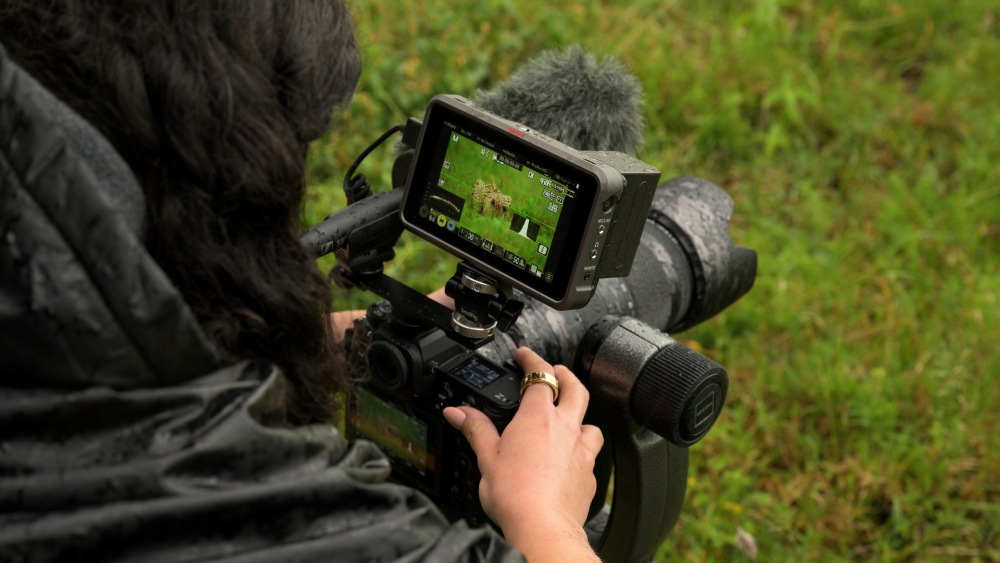
A comprehensive guide to Complete Guide to Giant Forest Hog. Learn about its habitat, behavior, diet, and conservation status.
Complete Guide to Giant Forest Hog
Planning a safari involves many important decisions, and understanding complete guide to giant forest hog is one of the most critical. This comprehensive guide draws on years of field experience to help you navigate this aspect of safari travel with confidence.
Safety and Health Considerations
Health preparation is an essential component of complete guide to giant forest hog. Consult with a travel medicine specialist at least six weeks before your departure to discuss vaccinations, malaria prophylaxis, and other health precautions specific to your destinations.
Safety is paramount when it comes to complete guide to giant forest hog on safari. Reputable operators maintain strict safety protocols and employ experienced guides who are trained to handle a wide range of situations. Always verify that your chosen operator has proper licensing, insurance, and safety certifications.
Still researching? Let us help.
Our advisory team has planned safaris across 9 African countries. We can turn your research into a real plan.
Talk to an AdvisorCommon Mistakes to Avoid
Another common error is relying solely on online reviews without consulting experienced professionals. While traveler reviews provide valuable perspectives, they often lack the context and expertise that a qualified safari planning guide can offer. The best approach combines both sources of information.
One of the most frequent mistakes travelers make with complete guide to giant forest hog is waiting too long to start planning. Popular safari destinations and lodges book up months in advance, especially during peak season. Last-minute planning often results in limited options and higher costs.
Expert Recommendations: Complete Guide to Giant Forest Hog
Budget considerations play an important role in complete guide to giant forest hog. While it is tempting to cut corners, experienced travelers consistently report that investing in quality where it matters most leads to significantly better outcomes. The key is knowing where to allocate your budget for maximum impact.
Working with a qualified safari planning guide can significantly improve your experience with complete guide to giant forest hog. Advisors who have personal experience in your chosen destinations can provide insights that no guidebook or website can match. They understand the subtle differences between properties, the best times to visit specific areas, and how to structure an itinerary that maximizes your time.
Practical Planning Steps: Complete Guide to Giant Forest Hog
Step one in addressing complete guide to giant forest hog is to clearly define your priorities and expectations. Are you focused on specific wildlife sightings, cultural experiences, photography opportunities, or a combination? Your answer will shape every subsequent decision.
Step three is creating a detailed plan that accounts for all aspects of complete guide to giant forest hog. This should include timelines, budgets, backup options, and contingency plans. The most successful safari travelers are those who plan thoroughly while remaining flexible enough to adapt to changing conditions.
Step two involves researching your options thoroughly. Compare different destinations, operators, and approaches to complete guide to giant forest hog. Read reviews from verified travelers, consult with safari operators, and cross-reference information from multiple sources.
Done Reading? Let's Build Your Safari.
Skip the guesswork. Work with an advisor who has been on the ground across East and Southern Africa.
Plan With UsMaking the Most of Your Experience: Complete Guide to Giant Forest Hog
Photography enthusiasts should pay special attention to complete guide to giant forest hog as it relates to their equipment and technique. The lighting conditions, distances, and movement patterns of African wildlife create unique challenges and opportunities that benefit from advance preparation.
Finally, remember that a safari is more than just wildlife viewing. The cultural experiences, landscapes, and personal connections you make along the way are equally valuable. Approaching complete guide to giant forest hog with this broader perspective will enrich your entire journey.
To truly optimize complete guide to giant forest hog, approach your safari with an open mind and realistic expectations. Africa has a way of surprising even the most experienced travelers, and some of the best moments come from unexpected encounters and unplanned detours.
Related Resources
For more information on planning your safari, explore our destination guides, browse the safari operator directory, or connect with an experienced safari planning guide for personalized guidance.
The Giant's Appetite: Diet and Foraging Behavior
The Giant Forest Hog is an opportunistic omnivore with a diet that shifts with the seasons and its environment. While primarily a vegetarian, its powerful snout and keen sense of smell allow it to unearth a wide variety of food sources. Unlike the more common warthog, which often grazes on open savannas, the Giant Forest Hog is a creature of the dense undergrowth, feeding on a diverse buffet of leaves, stems, and fallen fruit. They are particularly fond of the soft, nutrient-rich shoots of new growth that sprout on the forest floor.
Their foraging behavior is a fascinating display of raw power and surprising dexterity. Using their large, cartilaginous nasal disc, they can root through the soil with remarkable force, exposing tubers, roots, and rhizomes that are inaccessible to other animals. This rooting behavior, while destructive in appearance, plays a vital role in aerating the soil and promoting new plant growth, making them important ecosystem engineers.
> Expert Insight: While on a guided walk in the Aberdare National Park in Kenya, I once witnessed a large boar systematically overturn a series of logs to get at the beetle larvae and fungi underneath. It was a powerful reminder that these hogs are not just grazers but also active and intelligent foragers.
Social Structure and Family Dynamics
Giant Forest Hogs live in social groups called "sounders," which are typically led by a dominant boar. These groups can range from a few individuals to as many as 20, and consist of the boar, several sows, and their offspring. The dominant boar is a formidable animal, often weighing over 200 kg, and is responsible for defending the sounder from predators and rival boars.
Sows give birth to litters of 2-4 piglets after a gestation period of around 150 days. The piglets are born in a secluded nest of vegetation and are fiercely protected by their mother and the other members of the sounder. The young hogs are precocial, meaning they are able to walk and follow their mother within a few hours of birth. They will remain with the sounder for several months, learning the essential skills of foraging and survival.
Where to Find the Giants: Habitat and Distribution
The Giant Forest Hog is a creature of the deep woods, preferring the cool, damp environment of montane and lowland forests. They are found in a band across equatorial Africa, from Guinea in the west to Ethiopia and Kenya in the east. Their range is closely tied to the presence of dense forest cover, and they are rarely found in open savannas or arid regions.
Some of the best places to see Giant Forest Hogs on safari include:
- Aberdare National Park, Kenya: The high-altitude forests of the Aberdares are a stronghold for the species, and they are often seen at the park's famous salt licks, such as The Ark and Treetops.
- Queen Elizabeth National Park, Uganda: The Maramagambo Forest in the southern sector of the park is another excellent location for sightings.
- Bwindi Impenetrable Forest, Uganda: While famous for its gorillas, Bwindi is also home to a healthy population of Giant Forest Hogs.
> Traveler's Tip: When searching for Giant Forest Hogs, focus your efforts on the early morning and late afternoon, as they are most active during these cooler parts of the day. Look for signs of their presence, such as rooted-up soil and well-worn paths through the undergrowth.
The "Giant" Among Pigs: A Size Comparison
To truly appreciate the "giant" in Giant Forest Hog, it's helpful to compare it to its more familiar cousins. The average warthog, a common sight on most safaris, weighs between 50 and 150 kg. The bushpig, another forest-dwelling swine, is slightly larger, with males tipping the scales at up to 150 kg. The Giant Forest Hog, however, is in a league of its own. A large boar can weigh over 275 kg (600 lbs) and stand nearly a meter tall at the shoulder, making it the undisputed king of the wild pigs.
Conservation Status and an Uncertain Future
While the Giant Forest Hog is currently listed as a species of "Least Concern" by the IUCN, its populations are facing increasing pressure from habitat loss and poaching. As human populations expand, the dense forests that these hogs depend on are being cleared for agriculture and settlement. They are also hunted for their meat, which is considered a delicacy in some parts of Africa.
Conservation efforts are focused on protecting their remaining forest habitats and reducing the threat of poaching. By supporting responsible tourism and conservation-focused safari operators, you can play a role in ensuring the long-term survival of this magnificent animal. For more information on how you can contribute, visit our safari operators page.
Need Expert Safari Guidance?
Get expert advisory support from a firm founded by a former safari guide — with real operational knowledge across 9 African countries and full-journey accountability.
Related Planning Guides
Explore Related Topics
Recommended Reading
 Wildlife Guides
Complete Guide to Warthog Behavior
A comprehensive guide to Complete Guide to Warthog Behavior. Learn about its habitat, behavior, diet, and conservation status.
 Wildlife Guides
Complete Guide to Safari Ant Species
A comprehensive guide to Complete Guide to Safari Ant Species. Learn about its habitat, behavior, diet, and conservation status.
 Wildlife Guides
Complete Guide to African Lion Behavior
Delve into the complex social structure, hunting techniques, and communication methods of the African lion. Understand the king of the savanna with this in-depth guide.
 National Park Guides
Bwindi Impenetrable Forest Guide
Discover the ultimate guide to Bwindi Impenetrable Forest. Plan your gorilla trekking adventure, find the best lodges, and explore this UNESCO World Heritage site.
 Destination Guides
Complete Guide to Table Mountain National Park
A complete guide to Complete Guide to Table Mountain National Park. Learn about the wildlife, activities, and best time to visit this amazing destination.
 Destination Guides
Complete Guide to Garden Route Safari Options
A complete guide to Complete Guide to Garden Route Safari Options. Learn about the wildlife, activities, and best time to visit this amazing destination.